

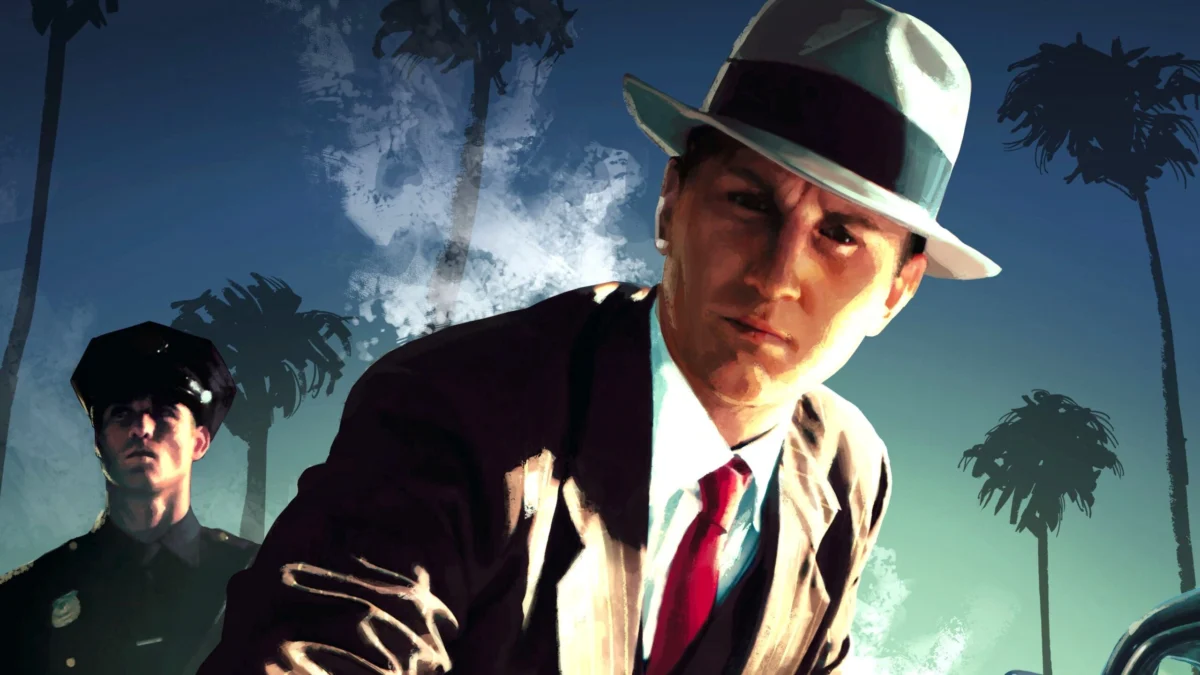
The landscape of the interactive entertainment industry is often defined by its blockbuster sequels and long-running franchises, yet few titles have maintained as persistent a following as the 2011 neo-noir detective thriller L.A. Noire. Developed by the now-defunct Team Bondi in partnership with Rockstar Games, the title was a landmark achievement in facial animation and narrative-driven gameplay. Despite its critical and commercial success, the franchise has remained dormant for over a decade, leaving fans to wonder if a successor would ever materialize. Recent comments from Strauss Zelnick, the Chief Executive Officer of Take-Two Interactive—the parent company of Rockstar Games—have reignited discussions regarding the potential revival of this storied intellectual property.
Speaking to a cohort of executives and investors at the recent Iicon summit, Zelnick navigated a wide array of inquiries concerning the future of Take-Two’s expansive portfolio. While much of the public discourse surrounding the company currently centers on the impending release of Grand Theft Auto VI, Zelnick’s remarks provided a rare glimpse into the corporate philosophy governing the company’s "catalog" titles. When specifically asked about the possibility of a new entry in the L.A. Noire series, Zelnick maintained a characteristically measured stance.
"There’s nothing to announce on L.A. Noire specifically," Zelnick stated, clarifying the internal hierarchy of such announcements by adding, "and if there were, it would be Rockstar announcing it, not me." However, he did not dismiss the possibility of a return to the franchise. Instead, he framed the potential for sequels within the context of developer interest and creative drive. He noted that Take-Two is "looking at doing something in the future with all of our intellectual property" and emphasized that the company’s various development teams are "always looking at what we have and we’re always thinking about it." According to Zelnick, the primary catalyst for any revival is the presence of a team that is "passionate about working on that" specific project.
The Historical Context of L.A. Noire and Team Bondi
To understand the weight of Zelnick’s comments, one must look back at the tumultuous but groundbreaking development of the original L.A. Noire. The project began development in 2004, led by Brendan McNamara, the former creative director of Team Soho and the mind behind the PlayStation 2 hit The Getaway. Initially intended as a Sony-exclusive title, the project eventually moved under the wing of Rockstar Games, which provided the necessary funding and technical oversight to bring the ambitious vision to fruition.
L.A. Noire was set in a meticulously recreated 1947 Los Angeles, drawing heavy inspiration from the hardboiled detective fiction of James Ellroy and classic film noir. The game followed the career of Cole Phelps, a World War II veteran turned LAPD officer, as he rose through the ranks of various departments, including Traffic, Homicide, and Arson. What set the game apart from its contemporaries—and even from Rockstar’s own Grand Theft Auto IV—was its focus on investigation over action. Players were required to search crime scenes for clues and, most famously, interrogate suspects using the revolutionary MotionScan technology.
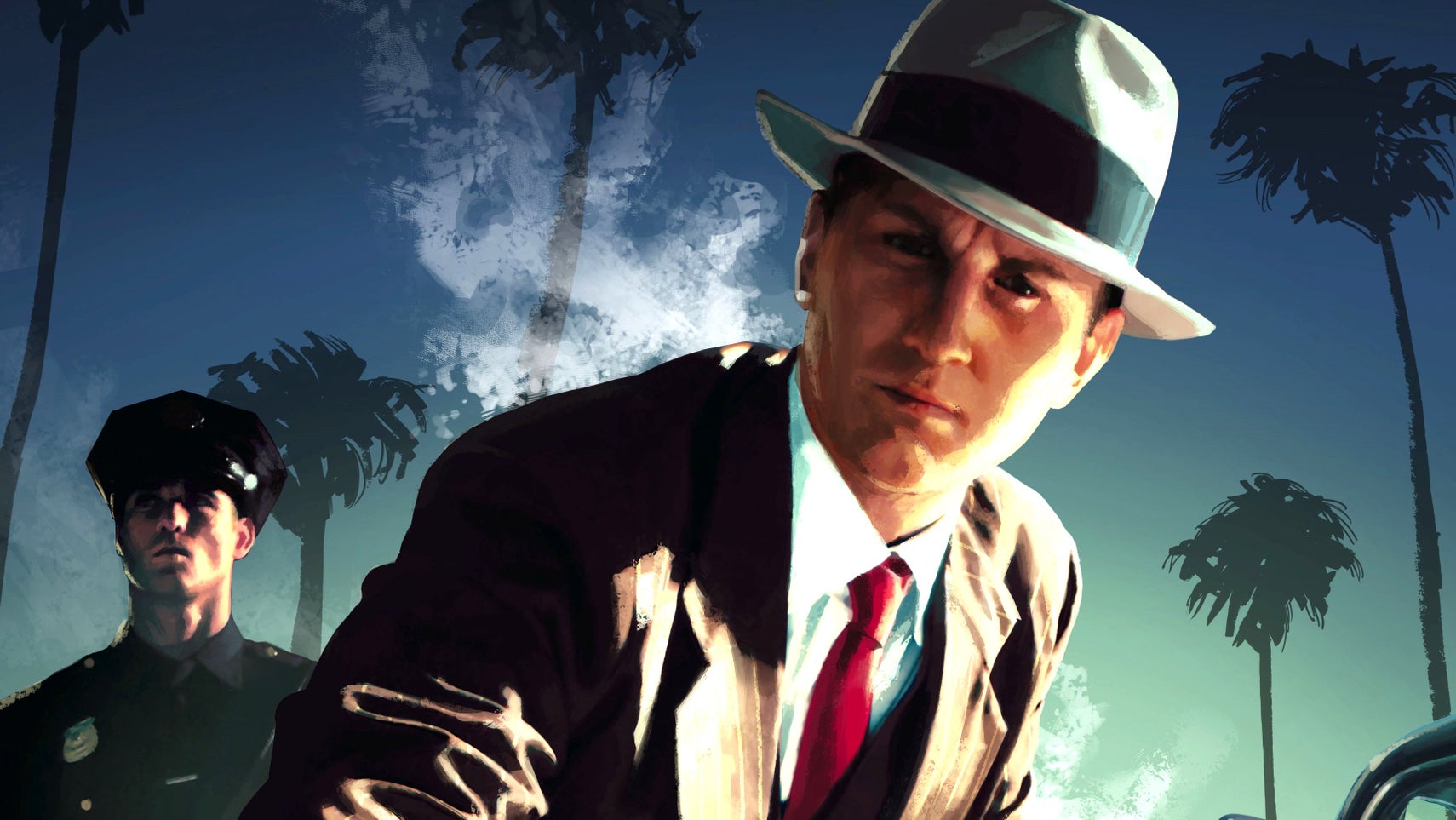
MotionScan utilized 32 high-definition cameras to capture every nuance of an actor’s facial expression, allowing players to discern whether a character was lying, telling the truth, or withholding information based on subtle visual cues like a furrowed brow or a darting gaze. At the time, this was considered a "holy grail" of animation, bridging the "uncanny valley" in a way few games had attempted.
The Chronology of a Dormant Franchise
The journey of L.A. Noire from a 2011 hit to a 2024 conversation piece is marked by several key milestones:
- May 2011: L.A. Noire launches on PlayStation 3 and Xbox 360 to widespread critical acclaim. It sells approximately four million units within its first month.
- August 2011: Despite the game’s success, reports of difficult working conditions at Team Bondi emerge. Shortly thereafter, the studio enters administration and eventually closes. The intellectual property remains with Rockstar Games.
- February 2012: During an earnings call, Rockstar Games executives state they do not "count out the possibility" of a follow-up, though no active development is confirmed.
- November 2017: Rockstar Games releases an enhanced version of L.A. Noire for PlayStation 4, Xbox One, and Nintendo Switch, featuring 4K support and improved textures. Simultaneously, L.A. Noire: The VR Case Files is released for PC, marking Rockstar’s first foray into virtual reality.
- 2023: In a significant corporate move, Rockstar Games acquires the Australian developer Video Games Deluxe. The studio is rebranded as Rockstar Australia.
The acquisition of Video Games Deluxe is perhaps the most compelling evidence for a potential L.A. Noire revival. The studio was founded by Brendan McNamara following the collapse of Team Bondi and was the primary developer behind the 2017 VR adaptation of L.A. Noire. By bringing McNamara and his team officially into the Rockstar fold, Take-Two has effectively secured the creative lineage of the original game.
Supporting Data and Market Reception
The enduring relevance of L.A. Noire is supported by its consistent performance in the "long-tail" market. By 2012, the game had shipped over 7.5 million copies. The 2017 remasters further bolstered these figures, introducing the title to a new generation of hardware. The game currently maintains a "Strong" rating on review aggregators, with critics often citing its "mature" storytelling and "patient" gameplay as a refreshing alternative to the high-octane chaos of typical open-world titles.
From a financial perspective, Take-Two Interactive has increasingly leaned on its "catalog" titles—games released in prior fiscal years—to provide a steady stream of revenue. In recent quarterly reports, catalog sales have accounted for a significant portion of the company’s net bookings. Reinvesting in a proven, high-prestige IP like L.A. Noire aligns with this strategy of maximizing the value of existing assets.
Broader Implications for Rockstar Games and the Industry
The potential for an L.A. Noire sequel carries implications that extend beyond a single franchise. It represents a broader question of how major publishers manage "prestige" titles that do not necessarily fit the "live-service" model. Unlike Grand Theft Auto Online or Red Dead Online, L.A. Noire is a fundamentally single-player, narrative-driven experience.

If Rockstar Australia were to spearhead a sequel, it would signal a commitment to diverse gameplay styles within the Rockstar ecosystem. Furthermore, a modern L.A. Noire would likely leverage current-generation hardware to push animation technology even further. While MotionScan was revolutionary in 2011, modern performance capture techniques—such as those used in Red Dead Redemption 2—have evolved significantly. A new entry could utilize artificial intelligence to enhance NPC interactions, making the interrogation mechanics more dynamic and less reliant on binary "Truth/Doubt/Lie" choices.
The industry at large has also seen a resurgence in the "detective" genre, with titles like Disco Elysium and the Frogwares Sherlock Holmes series proving that there is a substantial market for investigative gameplay. An L.A. Noire sequel would enter a market that is more receptive to its methodical pace than the market of 2011 might have been.
Official Responses and Strategic Outlook
While Zelnick’s comments at the Iicon summit were non-committal, they reflect the reality of Take-Two’s current production pipeline. The company is currently focused on the launch of Grand Theft Auto VI, a project of such magnitude that it likely commands the majority of Rockstar’s resources. However, the decentralized nature of Rockstar’s global studios—including the newly formed Rockstar Australia—suggests that smaller-scale or specialized projects could be in various stages of pre-production.
For now, the official stance remains one of cautious contemplation. Take-Two’s strategy is built on the pillars of "innovation, creativity, and efficiency." As Zelnick noted, the "question is, at any given time, do we have a team that’s passionate about working on that?" With Brendan McNamara now officially part of the Rockstar family, that "passionate team" is closer to the project than they have been at any point in the last thirteen years.
In conclusion, while a formal announcement of L.A. Noire 2 is not imminent, the pieces of the puzzle are increasingly falling into place. The combination of Zelnick’s acknowledgement of the IP’s value, the strategic acquisition of the original creator’s studio, and the continued commercial viability of the original game suggests that the streets of 1940s (or perhaps 1950s) Los Angeles may yet see another investigator walk their beat. Until Rockstar Games chooses to break its silence, L.A. Noire remains a testament to a unique era of experimental big-budget game development, waiting for the right moment to return to the spotlight.