

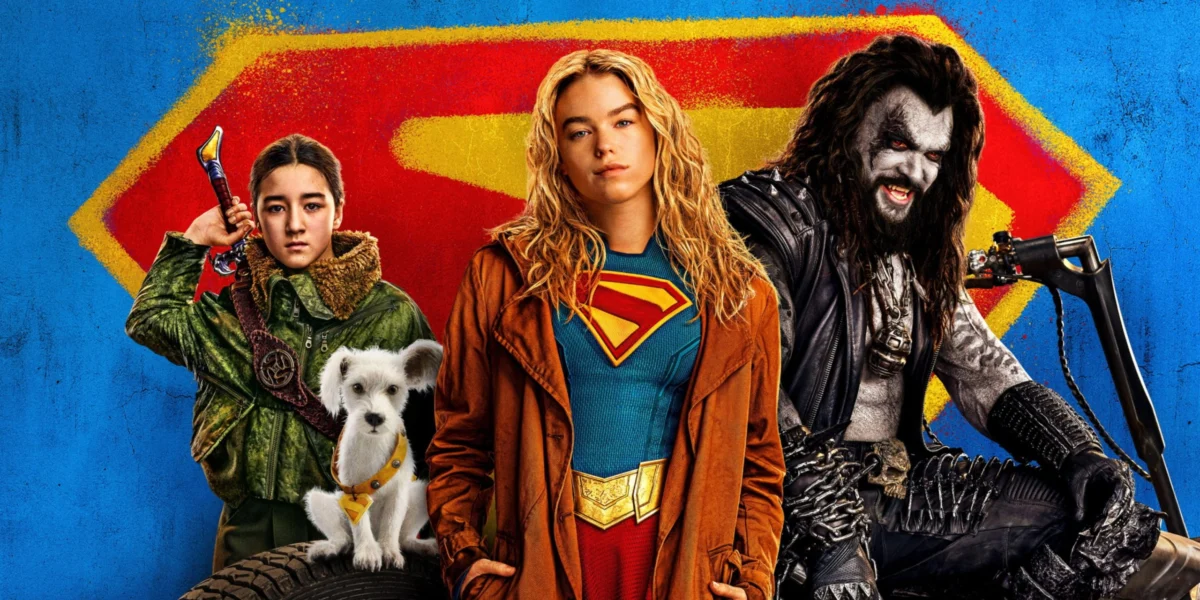
The latest installment in the burgeoning DC Universe (DCU), "Supergirl," helmed by director Craig Gillespie and penned by Ana Nogueira, has arrived, and the team at The Next Best Picture Podcast is ready to dissect its every facet. This highly anticipated film, serving as the second major release under the new DC Studios leadership of Peter Safran and James Gunn, follows the foundational success of last year’s "Superman." The podcast’s main review features the insightful contributions of Katie Johnson, Giovanni Lago, Amy Kim, and Larry Fried, who join host Matt Neglia to provide a comprehensive analysis of the film. Their discussion delves into the narrative, visual artistry, production design, action sequences, comedic elements, and the pivotal performance of Milly Alcock as the titular character. The review also touches upon the inclusion of Krypto, Jason Momoa’s portrayal of Lobo, and the film’s potential trajectory in the upcoming awards season. This comprehensive, spoiler-filled review offers listeners an in-depth exploration of what "Supergirl" brings to the evolving DCU.
A New Era for the DC Universe
The release of "Supergirl" marks a significant point in the strategic revitalization of the DC Universe, a franchise that has undergone considerable reorientation under the guidance of DC Studios co-CEOs Peter Safran and James Gunn. Following the official launch of their tenure with "Superman," which was met with a generally positive critical reception and robust box office performance, "Supergirl" is tasked with building upon that momentum. The establishment of a unified DCU, distinct from previous iterations, aims to provide a cohesive narrative universe across film, television, and animation, a strategy mirroring the success of competing cinematic universes.
"Supergirl" is not merely a standalone film but a crucial building block in this grand design. Its narrative is expected to explore the origins and development of Kara Zor-El, providing a female-led perspective within the nascent DCU. The casting of Milly Alcock, known for her impactful role in "House of the Dragon," signals an intent to bring depth and gravitas to the iconic character. The involvement of Craig Gillespie, a director with a proven track record in crafting character-driven narratives with distinctive visual styles, such as "I, Tonya" and "Cruella," suggests a focus on a nuanced and potentially unconventional portrayal of Supergirl.
The Podcast Review: A Deep Dive into "Supergirl"
The Next Best Picture Podcast’s review of "Supergirl" promises an exhaustive examination, going beyond surface-level impressions. The inclusion of a dedicated segment on Milly Alcock’s performance is particularly noteworthy, as the portrayal of such a central and beloved character is often a key determinant of a film’s success. Alcock’s previous work has demonstrated a capacity for conveying complex emotional landscapes, and her interpretation of Supergirl will be a focal point for audiences and critics alike.
The discussion points listed—story, visuals, design, action, humor, Krypto, Jason Momoa’s Lobo, and awards season chances—indicate a thorough approach to film criticism.
- Story and Narrative Arc: The podcast team will likely assess how "Supergirl" integrates into the broader DCU narrative. This includes evaluating its adherence to the established tone and thematic underpinnings set by "Superman," as well as its success as a self-contained story. The writer, Ana Nogueira, will be scrutinized for her ability to craft a compelling plot that introduces and develops Supergirl while potentially laying groundwork for future DCU installments.
- Visuals and Production Design: The visual aesthetic of a superhero film is paramount. The review will likely explore the cinematography, special effects, and overall art direction. Given Gillespie’s directorial background, a unique visual style is anticipated, and its effectiveness in bringing the world of "Supergirl" to life will be a key consideration. The production design will be assessed for its ability to create believable and engaging environments, from Kryptonian remnants to earthly settings.
- Action and Humor: These elements are staples of the superhero genre. The review will evaluate the quality and impact of the action sequences, considering their originality, choreography, and contribution to the narrative. The humor, often a delicate balance in such films, will be analyzed for its effectiveness and appropriateness within the film’s tone.
- Character Dynamics and Supporting Cast: Beyond Alcock’s Supergirl, the presence of characters like Krypto and Jason Momoa’s Lobo suggests significant plot and character interactions. Krypto’s role, often used for comedic relief or as a loyal companion, will be examined for its integration. Jason Momoa’s foray into the DCU as Lobo, a character known for his anti-heroic and often violent persona, presents an interesting dynamic. The review will likely assess how his portrayal contrasts with or complements Supergirl’s character and the overall DCU vision.
- Awards Season Prospects: The inclusion of awards season as a discussion point indicates that the film is being evaluated not just as entertainment but also for its potential artistic merit. This suggests that the reviewers will be looking for elements such as strong performances, compelling storytelling, innovative direction, and technical excellence that could garner critical acclaim and nominations in categories like Best Picture, Best Actor/Actress, Best Director, and technical awards.
Contextualizing "Supergirl" within the DCU’s Evolution
The journey to "Supergirl" is part of a larger, strategic pivot for DC Studios. Following a period of fragmented storytelling and varying critical and commercial successes across numerous films and television shows, James Gunn and Peter Safran were appointed to a newly created co-CEO role in late 2022. Their mandate was clear: to create a cohesive, interconnected universe that would leverage DC’s vast library of characters with a unified vision.
This new DCU, often referred to as "Chapter One: Gods and Monsters," began with "Superman." The decision to release "Superman" first was a deliberate choice to establish the foundational tone and narrative direction of this new continuity. "Superman," directed by James Gunn himself, was intended to set a precedent for the type of storytelling audiences could expect – one that balances heroism with humanism, spectacle with character development. The initial reports and early reactions to "Superman" suggested a return to a more optimistic and character-focused approach, a departure from some of the darker or more convoluted narratives of the past.

"Supergirl" now has the responsibility of building upon this foundation. As the second major film in this new continuity, its success is crucial. It needs to resonate with audiences, demonstrate the potential for diverse storytelling within the DCU, and further flesh out the world that "Superman" began to build. The film’s narrative is expected to explore Kara Zor-El’s journey, likely touching upon her origins on Krypton and her subsequent adaptation to Earth, potentially offering a fresh perspective on familiar themes of displacement, identity, and heroism.
The Significance of Director and Writer Choices
The selection of Craig Gillespie as director and Ana Nogueira as writer is indicative of a deliberate creative strategy. Gillespie’s previous work, such as "I, Tonya," showcased his ability to imbue biographical narratives with a dark humor and a complex emotional core, while "Cruella" demonstrated his flair for distinctive visual storytelling and character reinvention. This suggests that "Supergirl" might not be a conventional superhero origin story, but rather one that delves into the psychological complexities of its protagonist.
Ana Nogueira’s screenplay will be critical in translating this vision into a coherent and engaging narrative. Her involvement signals a commitment to a strong script that can support both the character-driven aspects and the demands of a superhero spectacle. The success of "Supergirl" will hinge on how effectively the creative team can balance these elements, ensuring that the film is both a thrilling action-adventure and a profound character study.
Potential Impact and Future Implications
The performance of "Supergirl," both critically and commercially, will have significant implications for the future of the DCU.
- Establishing Character Popularity: A strong showing for "Supergirl" could solidify Milly Alcock’s status as a leading superhero actress and boost the character’s popularity, potentially leading to spin-off projects or further integration into team-up films.
- Diversifying the DCU Slate: A successful female-led superhero film would further underscore DC Studios’ commitment to diverse representation within its narrative universe, potentially opening doors for more projects centered on female characters.
- Awards Season Momentum: If "Supergirl" garners critical acclaim and awards recognition, it would signal a maturation of the DCU’s artistic ambitions and position it as a serious contender in the cinematic awards landscape, a space often dominated by other studios. This would elevate the perception of the DCU beyond pure blockbuster entertainment.
- Audience Engagement: The film’s ability to attract and retain a broad audience will be a key indicator of the DCU’s overall appeal. Positive word-of-mouth and strong box office returns will validate the new creative direction and encourage continued investment in the franchise.
The podcast review, by offering a detailed and critical examination, serves as an essential guide for audiences attempting to navigate this new phase of the DC Universe. The insights provided by Katie Johnson, Giovanni Lago, Amy Kim, and Larry Fried, alongside Matt Neglia, will undoubtedly contribute to the ongoing discourse surrounding "Supergirl" and its place within the broader landscape of superhero cinema. Their detailed analysis, covering everything from performance nuances to potential awards trajectories, underscores the depth of critical engagement that the film has inspired.
Supporting the Next Best Picture Podcast
The Next Best Picture Podcast, as part of the Evergreen Podcasts Network, relies on listener support to continue producing its in-depth reviews and analyses. The article encourages listeners to subscribe to the podcast on all major platforms, emphasizing its accessibility. Furthermore, it highlights the option to support the podcast through Patreon, where contributions as low as $1 per month can unlock exclusive content and ad-free listening experiences. This model of community support is vital for independent media outlets striving to deliver high-quality content without compromising editorial integrity.
The article also provides direct links to follow the podcast’s hosts on X (formerly Twitter), fostering a direct connection between the reviewers and their audience. This engagement allows for ongoing discussions about film and the Oscars, creating a vibrant community around film criticism. The inclusion of Matt Neglia’s authorial information, complete with a Gravatar image, further reinforces the personal and dedicated nature of the Next Best Picture team. This level of transparency and accessibility is a hallmark of platforms committed to fostering genuine connection with their readership and listenership.