
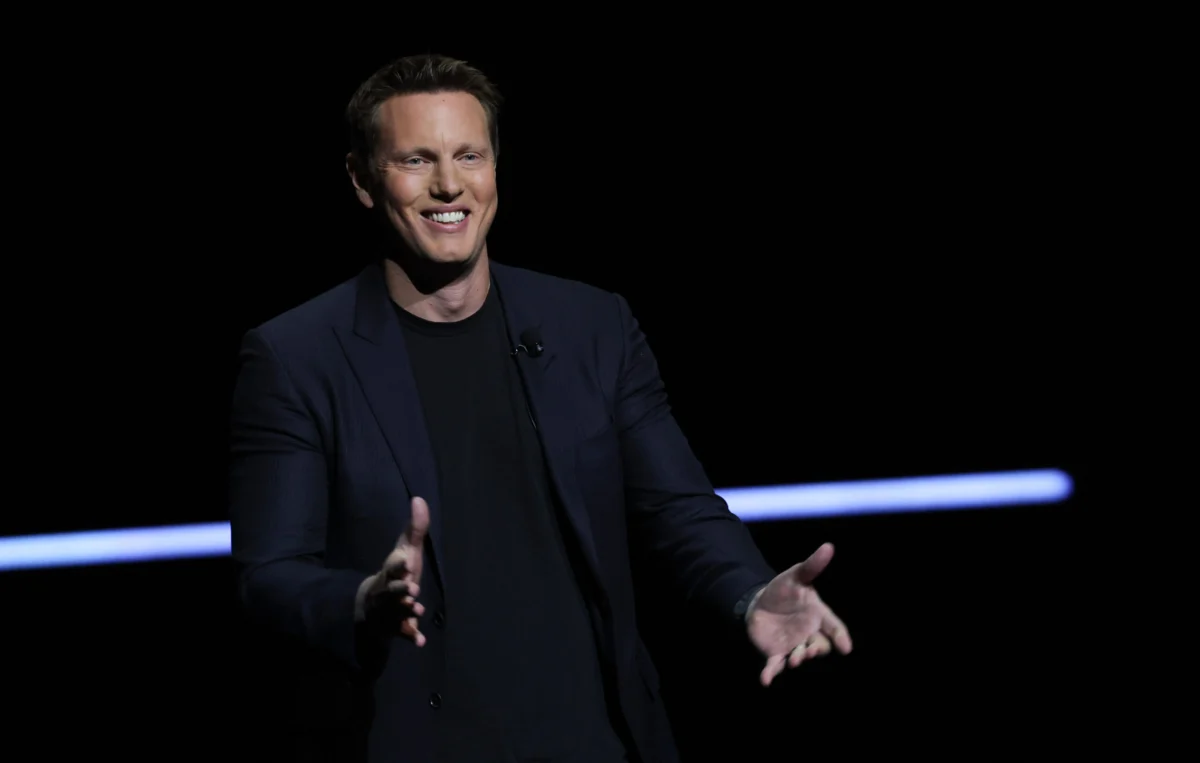
The landscape of the American streaming industry is bracing for a tectonic shift as Skydance Media Chairman and CEO David Ellison doubles down on his ambitious strategy to unify two of the industry’s most recognizable digital platforms. In a recent disclosure to reporters, Ellison articulated a definitive long-term roadmap that seeks to merge the technical infrastructures of HBO Max and Paramount Plus, effectively dismantling the wall between the two services to create a singular, unified destination for global subscribers.
While industry observers and internal stakeholders have navigated a period of conflicting signals, Ellison’s latest commentary clarifies the intent behind the consolidation efforts that began taking shape earlier this year. The integration, which Ellison suggests could be expedited through the strategic application of artificial intelligence and advanced software development, marks a significant departure from the current status quo of fragmented streaming bundles.
A Chronology of Strategic Ambition
The path toward this potential merger has been characterized by a series of strategic pivots and high-level communications. The narrative began in earnest in March, when Ellison first signaled his intentions to Wall Street analysts. During an investor call, he outlined a vision for a combined entity that would command a subscriber base exceeding 200 million direct-to-consumer users. At the time, such a projection was viewed as a bold, if not speculative, ambition, given that Skydance had not yet fully consolidated its control over the assets currently under the Warner Bros. Discovery umbrella.
However, the tone shifted slightly in recent weeks, leading to confusion among industry analysts. Just last week, Casey Bloys, the executive tapped to lead the integrated streaming division, offered a more conservative outlook. During a session at Bloomberg’s Screentime event, Bloys suggested that the two services would likely remain distinct entities, opting instead for a bundled approach similar to the successful cross-platform agreements seen between HBO Max and Disney. This public divergence in messaging—between the CEO’s long-term integration plan and the executive’s preference for bundling—has created a complex narrative for shareholders and subscribers alike.
Ellison’s most recent comments serve as a corrective measure, confirming that while the "immediate" reality will involve separate operation due to the complex nature of merging disparate tech stacks, the ultimate objective remains a singular, cohesive streaming ecosystem.
The Technical and Financial Rationale
The decision to move toward a single platform is driven by more than mere brand consolidation; it is a response to the intense pressure of the current "streaming wars." By merging HBO Max and Paramount Plus, Skydance aims to reduce operational redundancies and capitalize on the efficiency of a unified technology stack.
Ellison noted that the deployment of advanced AI, which has fundamentally changed the speed at which software can be iterated and integrated, will play a crucial role in accelerating this transition. By consolidating the backend architecture, the company can streamline its data analytics, content recommendation engines, and user interface management.
From a financial perspective, the merger is designed to position the new entity to compete more effectively with the market leaders—specifically Netflix and the Disney-Hulu-ESPN+ ecosystem. By pooling resources, the company expects to optimize its marketing spend and improve retention rates, which have historically been a point of friction for services operating in silos.
The Role of HBO and Brand Independence
A recurring point of concern for consumers and creators has been the potential dilution of the HBO brand. Known for its prestige programming and distinct editorial voice, HBO has long been considered the crown jewel of the Warner Bros. Discovery portfolio. Recognizing this, Ellison has been careful to frame the integration as a technological merger rather than a creative one.
During his March investor call, Ellison emphasized that the HBO brand must "operate with independence." He stated, "Casey [Bloys] and his team do an absolutely remarkable job at HBO. We do plan for that to be able to operate with independence, so that HBO can, candidly, do what it does incredibly well. Our viewpoint is HBO should stay HBO."
This distinction is vital for maintaining the service’s prestige status. If the integration is handled with the surgical precision Ellison suggests, the goal is to maintain the distinct user experience of HBO while leveraging the massive scale and library depth of Paramount Plus. This "best-of-both-worlds" approach aims to keep current subscribers loyal while minimizing the churn that often follows corporate acquisitions.
Market Implications and Competitive Analysis
The move to merge these platforms arrives at a critical juncture for the streaming industry. Following years of explosive growth, the market has reached a point of saturation. According to recent industry reports, the average household in the United States now subscribes to more than four streaming services, leading to a phenomenon known as "subscription fatigue."
By bundling—and eventually merging—these services, Skydance is attempting to mitigate this fatigue by offering a comprehensive library that appeals to both high-end drama enthusiasts (HBO) and broad-spectrum entertainment consumers (Paramount). The success of previous bundles, such as the Disney-Hulu-Max initiative, has provided a proof-of-concept that consumers are willing to pay for aggregated content if the value proposition is clear and the integration is seamless.
However, the challenge lies in the "tech stack" merger. Migrating millions of users from two different billing systems, recommendation algorithms, and video player infrastructures is an undertaking fraught with technical risks. If the transition is not seamless, the company risks alienating its base. Ellison’s emphasis on the "short term" for bundling suggests that while the back-end integration will take time, the consumer-facing benefits of a single subscription are the immediate priority.
The Outlook for Subscribers and Investors
For the individual subscriber, the immediate future will likely involve the introduction of new, more flexible bundle tiers. These packages are expected to allow users to access the combined libraries at a lower price point than if they were to purchase individual subscriptions separately. This is a direct play to increase the "share of screen" in the average living room.
For investors, the strategy represents a clear path toward profitability. By reducing the overhead costs associated with running two separate streaming platforms, Skydance can shift its focus toward content investment and original production. This aligns with the broader industry trend of prioritizing profitability over rapid, loss-leading subscriber growth.
Conclusion
The consolidation of HBO Max and Paramount Plus is not merely a corporate reshuffling; it is a fundamental reconfiguration of the digital media landscape. By balancing the need for massive technical scale with the preservation of prestigious, independent content brands, David Ellison is attempting to build a survivor in an increasingly competitive environment.
While the timeline for a full technical merger remains fluid—constrained by the complexities of software integration—the direction is clear. The industry is witnessing a transition from the era of individual, platform-exclusive services to an era of "mega-platforms" designed to maximize subscriber lifetime value. Whether this strategy will succeed in creating a sustainable, profitable future for the combined company remains to be seen, but the intent to define the next generation of streaming has been firmly established. As the company navigates the integration of these two massive libraries, the eyes of Wall Street, the creative community, and the global viewing public will remain fixed on how effectively these disparate services can become one.