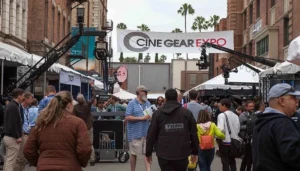



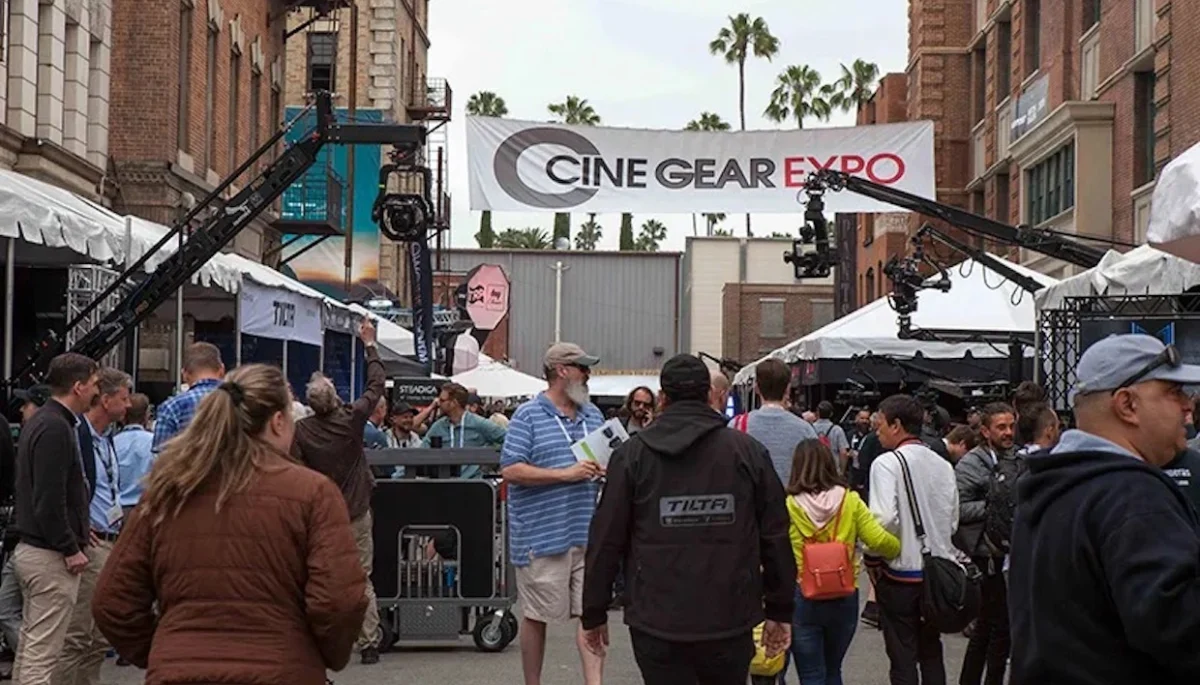
The annual Cine Gear Expo returned to the iconic Universal Studios Lot for a two-day immersion into the bleeding edge of motion picture technology, drawing thousands of cinematographers, gaffers, lighting technicians, and independent filmmakers to Los Angeles. Unlike its sister convention, the NAB Show—which frequently wrestles with the shifting identity of broadcast versus enterprise video—Cine Gear maintains an unyielding focus on the theatrical art of filmmaking. Set against the sun-drenched backdrop of a historic studio backlot, the 2026 edition highlighted a profound industry pivot: a renewed valuation of tactile, photochemical processes operating in tandem with rapid advancements in digital sensor engineering, sophisticated LED chipsets, and high-performance optics.
Main Facts and Event Overview
Cine Gear Expo has long served as the premier West Coast gathering for below-the-line cinematic artisans and camera operators to evaluate emerging gear, attend masterclasses led by veteran cinematographers, and reconnect with industry peers. Relocated from its previous home on the Warner Bros. lot to the Universal Studios Lot, the 2026 layout presented logistical challenges, notably requiring attendees to navigate shuttle systems between outdoor vendor tents and sun-baked panel queues.
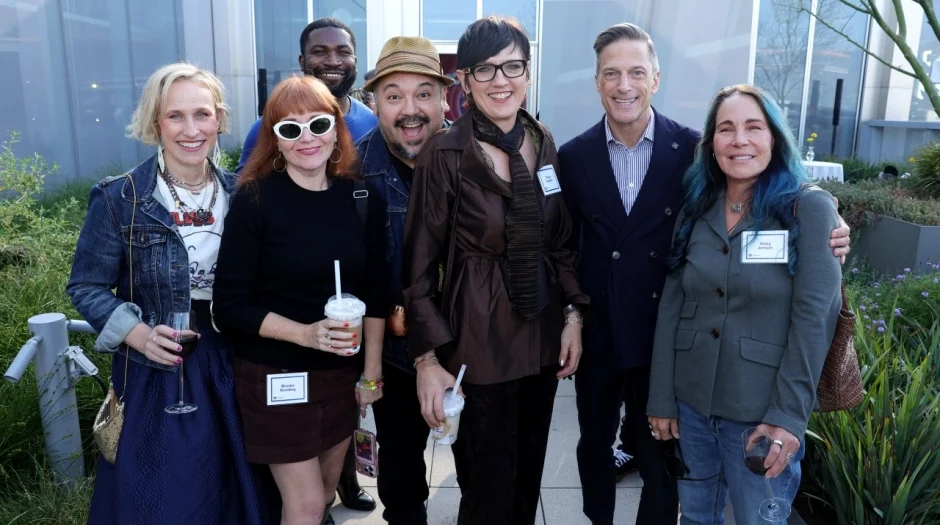
Despite these spatial hurdles, the atmosphere buzzed with high-energy participation. Younger attendees, heavily skewed toward film school undergraduates and independent creators energized by recent micro-budget successes like Obsession and Backrooms, packed the walkways alongside union-card-carrying veterans of the International Alliance of Theatrical Stage Employees (IATSE).
The exhibition floor offered a comprehensive cross-section of the tools defining contemporary production. From modular LED lighting control consoles to revolutionary hybrid film-digital camera prototypes, the convention floor mapped out a trajectory where analogue soul and digital efficiency are no longer mutually exclusive.
Chronology of the Expo Experience
The two-day event followed a rigorous schedule that balanced technical demonstrations with high-level artistic retrospectives.
Friday morning established an ethnographic snapshot of Los Angeles’s freelance filmmaking community. Young creators mingled with established rental house operators, examining how rapid technological cycles are transforming everyday set operations. Vendors showcased hardware updates designed to compress workflow timelines, shifting focus from raw capture to streamlined post-production integration.
Saturday’s programming pivoted toward institutional history and technical deep dives, anchored by the marquee American Society of Cinematographers (ASC) panel. Featuring fifteen esteemed ASC members—including Jeff Cronenweth, Rachel Morrison, Karl Walter Lindenlaub, and Natasha Braier—the panel opened with a century-spanning retrospective montage. Discussions centered not just on technical execution, but on psychological approaches to space and movement. Steven Fierberg emphasized "body consciousness" in camera placement, while Braier traced her visual instincts to her upbringing under an Argentinian military dictatorship, where subtext dictated visual interpretation.
The afternoon sessions transitioned into direct industry engagement, with gaffers from IATSE Local 728 touring Stage 17 to review evolving LED inventories and inspect proprietary color engines like Aputure’s Blair CG. The day concluded with advanced software tutorials, notably Blackmagic Design’s preview of the V3 update to the Blackout Lighting Console, before wrapping up with the traditional evening barbecue at the historic ASC Clubhouse in Hollywood.
Supporting Data and Technical Innovations
The exhibition floor was defined by hardware breakthroughs that address persistent cost, workflow, and aesthetic concerns in modern production. Three major technological segments dominated the convention floor: hybrid capture devices, custom lens rehousing, and advanced anamorphic optics.
The Cinelux Sixteen: Bridging Film and Digital
Among the most discussed prototypes was the Cinelux Sixteen, developed by Cinelux Cinema Tools and showcased at the CSLA rental house booth. Designed over a two-and-a-half-year period by a small engineering team led by chief engineer Caz Voorhees, the camera represents the first new film camera developed from scratch in years.
Uniquely, the Cinelux Sixteen is engineered to shoot film and digital simultaneously, recording an SD card proxy at 3.2K resolution embedded with a custom film-emulation LUT that mirrors the photochemical footage. While Voorhees noted that the digital capture element—utilizing a standard Sony sensor—was relatively straightforward, the primary engineering hurdle lay in the physical film magazine. Operating within a one-to-two-inch space constraint with zero friction, the mechanical transport system remains the central challenge. The project maintains an open-source ethos, with plans to make magazine designs available online for 3D printing, empowering users to service their own equipment.
Optical Rehousing and Archival Restoration
Vintage glass continued to command high demand, championed by companies like Zero Optik. Operations manager Alex Baxter detailed how photography lenses from the 1930s onward—once relegated to storage due to incompatibilities with mirror-shutter film cameras—have found new life in digital cinema.
Zero Optik’s portfolio includes rehousing classic Bausch & Lomb Ultra Baltars (popularized by cinematographer Ed Lachman on El Conde and Maria) and restoring rare Todd-AO 65mm prime lenses from the 1950s for the ASC archive. Developed in collaboration with Greig Fraser for exclusive rental through Keslow Camera, these restored optics provide modern productions with historic visual signatures.
Atlas Lens Co. and Anamorphic Evolution
Atlas Lens Co., founded by Dan Kanes, showcased the maturation of its anamorphic lens lines. Transitioning from the creation of wireless HD video transmitters, Kanes poured resources into anamorphic development, resulting in the Orion, Mercury, and newly launched Kaizen series.
Designed for large-format sensors such as the Fujifilm GFX Eterna 55, Arri Alexa 265, and Blackmagic Design Ursa Cine 17K, the Kaizen series addresses traditional anamorphic limitations. By engineering a more parallel field curvature rather than high field curvature, Atlas lenses allow operators to maintain sharp focus across multi-actor wide shots without traditional peripheral fall-off.
Official Responses and Industry Statements
Industry professionals at Cine Gear 2026 offered insight into why the event remains vital to the cinematic trade calendar. For working professionals, the expo functions as a collaborative laboratory rather than a traditional marketplace.
Drew Moe, a Local 728 gaffer and co-owner of boutique rental house Canary Yellow alongside Jeffrey Taylor and Ryan Oppedisano, emphasized the necessity of direct vendor dialogue. "We’re here to talk to the vendors, hear their elevator pitches for the new products they’re trying to get out into the world, to see what we want to add to the fleet," Moe stated. Noting the rapid evolution of LED chipsets compared to the historically slow timelines of tungsten, HMI, and fluorescent lighting, Moe highlighted the imperative of staying current with hardware advancements.
Cinematographer Chapin Hall echoed the sentiment of community longevity. Operating outside the Los Angeles market, Hall treats Cine Gear as a mandatory pilgrimage. "It’s the most fun. The community’s great," Hall noted, describing the floor’s collaborative density. "Sometimes I can’t make it around the corner for two hours because I keep running into friends."
Broader Impact and Industry Implications
The trends crystallized at Cine Gear Expo 2026 reflect a broader recalibration within the entertainment industry. As streaming platforms and shifting studio budgets demand greater budgetary efficiency, equipment manufacturers are forced to deliver tools that reduce friction between artistic desire and financial oversight.
The emergence of hybrid capture systems like the Cinelux Sixteen signals a pragmatic response to director demands for film stock. By providing immediate digital proxies with built-in film emulations, hardware developers are mitigating producer anxiety regarding processing delays and dailies turnaround, potentially lowering the barrier to entry for photochemical workflows.
Simultaneously, the convergence of high-end digital control systems—such as the iPad-driven V3 update for Blackout Lighting Consoles—and precision optical manufacturing demonstrates that technical sophistication is increasingly tailored toward intuitive, ergonomic operation. By balancing the preservation of vintage aesthetics with automated, highly responsive digital infrastructures, Cine Gear 2026 underscored an industry that is not merely surviving technological disruption, but actively shaping a more versatile, community-driven future for motion picture art.