The modern television landscape has evolved through distinct epochs of economic and technological disruption, frequently finding its most acute cultural reflections in satirical comedy. Throughout the history of prestige and cable television, few programs have captured the shifting anxieties of the entertainment industry quite like HBO’s The Comeback and Hacks. As both series chart the arduous career trajectories of aging female entertainers navigating systemic obsolescence, they have inadvertently become the defining chronicles of Hollywood’s contemporary existential crises—ranging from the rise of unscripted voyeurism and streaming bloat to the looming shadow of generative artificial intelligence and corporate censorship.
The Evolution of Television Satire
The trajectory of The Comeback serves as a barometer for television industry turbulence over the past two decades. Created by Michael Patrick King and Lisa Kudrow, the series debuted on HBO in 2005, positioning Kudrow as Valerie Cherish, a former sitcom star desperate for a return to relevance. At the time of its initial broadcast, the series functioned as a biting critique of the burgeoning reality television genre, which industry executives embraced to lower production costs while capitalizing on sensationalized tabloid drama. Although the original single-season run secured a dedicated cult following, it was ahead of its time, canceled before reality television completely dominated network programming schedules.
Nearly a decade later, in 2014, HBO revived The Comeback for a second season. By then, reality television had achieved mainstream legitimacy, but the medium itself stood on the precipice of another seismic shift—the dawn of the streaming wars. The aggressive expansion of subscription video-on-demand platforms initiated a gold rush of content production, rendering the term "prestige television" ubiquitous yet increasingly meaningless.
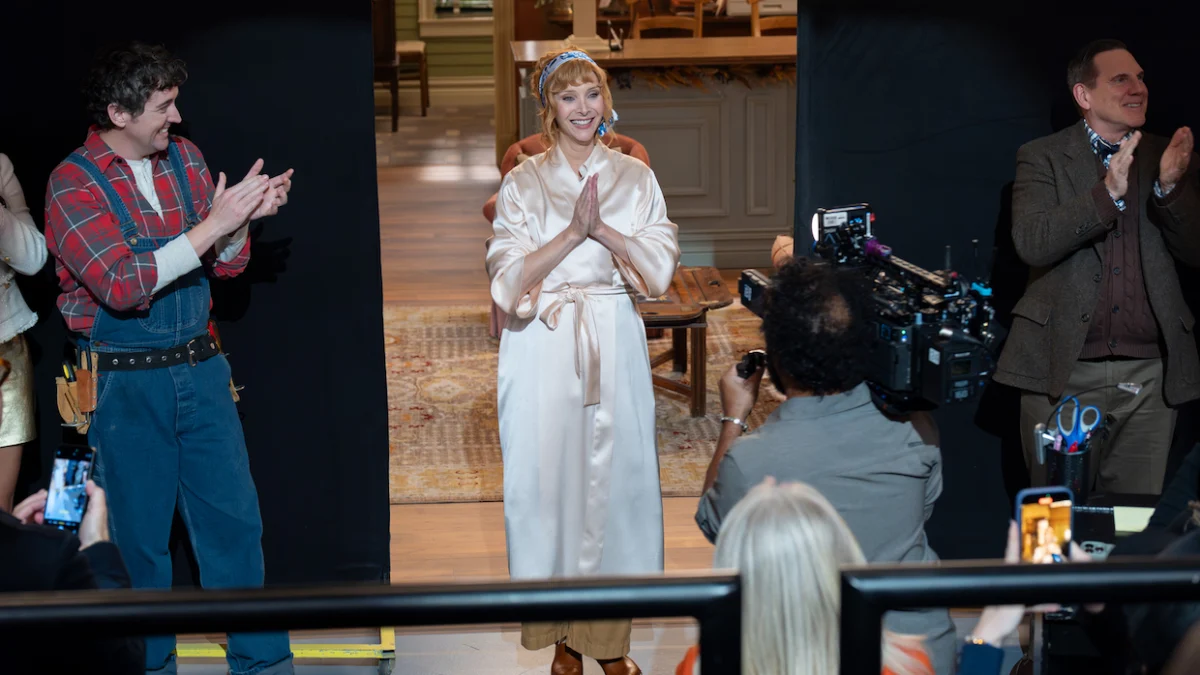
Twelve years following that second iteration—having weathered a global pandemic, dual labor strikes by the Writers Guild of America (WGA) and SAG-AFTRA, and widespread corporate consolidation—Kudrow returns for a third and final season. This latest installment confronts perhaps the most alarming disruptor in the history of the medium: generative artificial intelligence.
The AI Threat: Replacing the Human Element in Writers’ Rooms
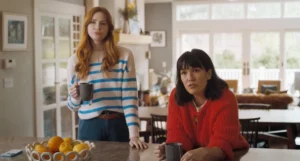
In its third season, The Comeback abandons its traditional mockumentary format for a more propulsive narrative approach. Valerie Cherish secures the lead role in NuNet’s How’s That?!, heralded as the first multi-camera sitcom written entirely by a proprietary AI system known as Allassist. This premise places Valerie at the center of a profound ethical dilemma. As production infrastructure across Hollywood contracts and employment opportunities dry up, Valerie and her fellow cast and crew members depend on the production for their livelihoods. However, the AI-generated scripts rely heavily on derivative, plagiarized material recycled from decades of classic television, directly undermining the labor of human writers and threatening the artistic foundation of the medium.
This thematic exploration mirrors real-world concerns that culminated in the historic 2023 Hollywood labor strikes. Industry guilds fiercely contested the unregulated deployment of generative AI, arguing that algorithms trained on copyrighted scripts devalue human creativity and displace foundational writing jobs. In The Comeback, this tension is underscored by a cameo from legendary television director James Burrows, who tells Valerie that genuine comedic surprise cannot be synthesized by a machine, but must instead be forged through the collective friction of human writers collaborating in a room.
Parallel Narratives: The Journey of Hacks
This critical examination of aging in show business, corporate interference, and technological encroachment is mirrored in Max’s acclaimed comedy series Hacks, created by Lucia Aniello, Paul W. Downs, and Jen Statsky. The series chronicles the complex professional and personal dynamic between legendary stand-up comedian Deborah Vance, played by Jean Smart, and her Gen-Z head writer, Ava Daniels, portrayed by Hannah Einbinder.
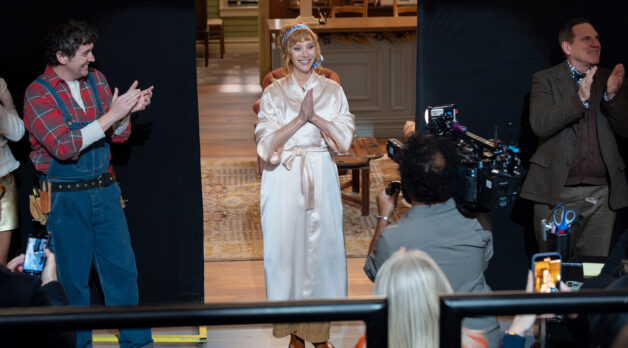
Over its multi-season run, Hacks has explored the structural barriers female entertainers face, notably when Deborah attempts to shatter the ultimate glass ceiling by hosting a late-night network talk show. The structural parallels between Hacks and The Comeback highlight a shared fascination with veteran performers who refuse to fade into obscurity despite institutional inertia.
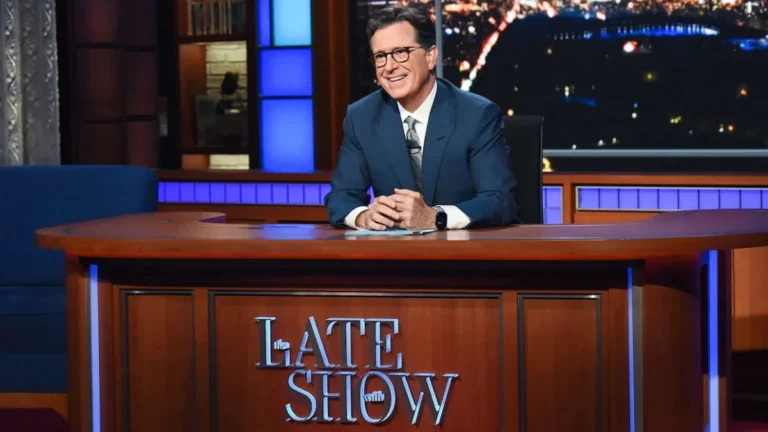
In the fourth-season finale of Hacks, Deborah achieves her ambition of hosting a late-night program, only to resign rather than comply with executive demands to fire Ava for her outspoken political commentary. The subsequent fifth-season storyline addresses corporate censorship and contractual suppression, as a non-compete clause silences Deborah from performing for a full calendar year. This plot point gained uncanny real-world resonance when it aired weeks before CBS canceled The Late Show with Stephen Colbert, drawing public attention to the vulnerability of late-night hosts amid shifting corporate priorities.
Generative AI as a Commercial Bogeyman
Artificial intelligence also manifests in Hacks as a commercial threat to creative autonomy. While attempting to finance an independent comeback tour at Madison Square Garden, Deborah Vance consults with venture capitalists eager to license her likeness and comedic catalog for an AI large language model named QuikScribbl. The storyline prompts an impassioned monologue from Ava Daniels regarding the false inevitability and commercial self-interest driving the adoption of generative AI technologies across corporate sectors.
The divergent treatments of AI in both series offer complementary critiques. While The Comeback portrays AI as a creatively bankrupt, repetitive mechanism that ultimately fails to replicate the nuance of human timing, Hacks frames the technology as a predatory corporate tool designed to monetize legacy intellectual property without compensating the artists who generated it.
The Changing Economics of Television and Awards Season Recognition
As both The Comeback and Hacks capture the attention of critics and awards bodies, their intersecting critical trajectories underscore a broader cultural shift. Hacks has established itself as an awards darling, securing 12 Emmy Awards—including consecutive Best Comedy Series wins for its third season and multiple Best Actress victories for Jean Smart. Conversely, The Comeback, despite its critical acclaim, historically received limited recognition from television academy voters outside of periodic nominations for Kudrow.
The impending competition between these two series in the upcoming Emmy cycle highlights the dominance of showbiz satires that interrogate the inner workings of the entertainment industry. Following the critical success of similar industry-focused comedies such as The Studio, contemporary television audiences and voters have demonstrated a strong appetite for meta-narratives that expose the precarious economics of modern entertainment.
Industry Implications and the Resilience of the Format
The parallel explorations of Valerie Cherish and Deborah Vance articulate a vital thesis regarding the endurance of television as a collaborative human art form. Both characters represent an endangered species of television icons whose public personas mask deep professional vulnerabilities. By anchoring these satires in the lived experiences of seasoned performers, the creators of The Comeback and Hacks infuse their respective narratives with emotional resonance that transcends mere pastiche.
Ultimately, both series offer a form of comedy-fueled resistance against industry consolidation, technological displacement, and institutional ageism. Whether battling proprietary writing algorithms or corporate non-compete clauses, Valerie Cherish and Deborah Vance demonstrate that while the business models supporting television will inevitably continue to transform, the fundamental demand for authentic human storytelling remains irreplaceable.