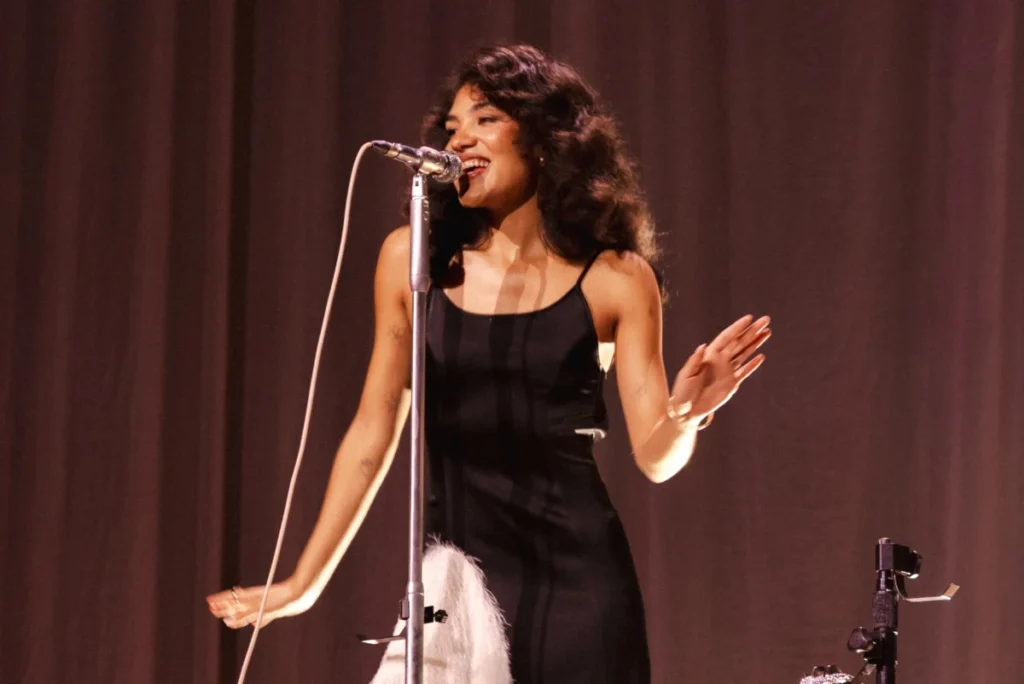

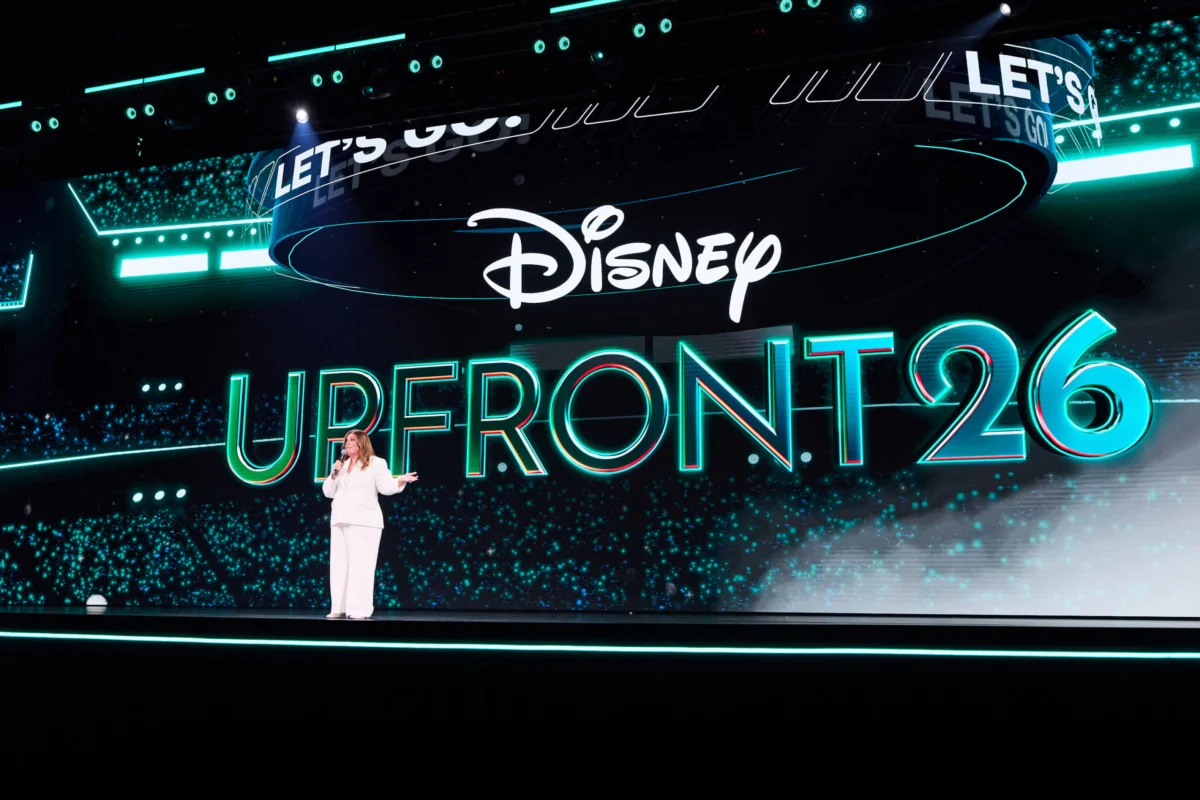
The recent Disney Upfront presentation for 2026 served as a pivotal moment for the entertainment giant, marking a significant transition in leadership and a solidified commitment to a unified advertising strategy. As Rita Ferro, Disney’s President of Global Advertising, prepared to address an audience of major brand partners and media buyers, the atmosphere was one of calculated optimism. Her introduction, delivered by actor Paul Anthony Kelly—who recently gained acclaim for his portrayal of John F. Kennedy Jr. in the FX series "Love Story"—was more than a mere celebrity endorsement. It served as a testament to what Ferro describes as the "Disney difference," a combination of trust, technological innovation, and a deeply rooted sense of fandom that permeates every facet of the company’s operations. Kelly’s onstage remarks, highlighting Ferro’s personal touch and professional dedication, underscored a broader corporate shift toward humanizing the massive Disney machine while simultaneously leveraging its unprecedented scale.
Ferro, a 29-year veteran of The Walt Disney Company, currently stands at the epicenter of a media landscape in flux. The industry is currently witnessing a massive recalibration as traditional linear television, global streaming services, digital platforms, and social media ecosystems compete for a finite pool of consumer attention and advertiser dollars. Having risen through the ranks from regional roles to the pinnacle of the company’s advertising arm, Ferro is tasked with navigating these complexities under the newly installed leadership of CEO Josh D’Amaro. The current climate of media negotiations is intense; while the mid-May presentations provided the spectacle, the subsequent weeks involve high-stakes discussions to lock in multi-billion-dollar commitments that will define the fiscal health of the company for the coming year.
The Architecture of One Disney and the D’Amaro Era
The transition from the second tenure of Bob Iger to the leadership of Josh D’Amaro in early 2026 has brought with it a streamlined corporate philosophy known internally as "One Disney." D’Amaro, who previously oversaw the company’s highly successful Parks, Experiences, and Products division, has brought a holistic approach to the CEO office. His goal is to dissolve the silos that traditionally separated the movie studios, television networks, streaming services, and theme parks. In his first official address as CEO, D’Amaro emphasized a focus on delivering a "connected, personalized, and immersive experience" to consumers.
For Ferro, this strategy transforms the nature of advertising sales. It is no longer about selling 30-second spots in isolation; it is about creating integrated brand partnerships that span the entire Disney ecosystem. A single campaign might now involve a sponsorship of a major theatrical release, digital integration within Disney+ and Hulu, and physical "activations" or branded experiences within Disney’s global theme parks. This "One Disney" approach allows the company to maximize the lifetime value of its consumers, providing advertisers with multiple touchpoints that reinforce brand loyalty. CFO Hugh Johnston has echoed this sentiment, noting that the monetization of Disney’s stories across all platforms is essential for driving compounding returns and increasing shareholder value.
A Career Defined by Cultural Literacy and Adaptability
Rita Ferro’s journey to the top of Disney’s advertising hierarchy is characterized by a "no blueprint" approach to career development. Born and raised in Miami to Cuban immigrant parents who arrived in the United States just before the Cuban Revolution, Ferro’s background provided her with a unique cultural lens and bilingual capabilities that would later prove invaluable. After graduating from Florida International University, she initially sought a career in the creative side of advertising as a copywriter. However, she quickly realized her strengths lay in the business and production side of the industry.
Her early career coincided with the nascent days of cable television in Latin America. Working for MTV in the region during the early 1990s, Ferro was involved in building an industry from the ground up in a market that lacked established precedents. This period of "unpolished" growth taught her to thrive in environments requiring rapid innovation. These skills facilitated her move to Disney, where she held various roles at ESPN International, Disney Media Network’s Kids and Family, and the now-defunct Disney Interactive. By 2018, she had been named President of Advertising in the U.S., and by 2023, her mandate expanded to cover the entire global business.
Colleagues, including ESPN Chairman Jimmy Pitaro, note that Ferro’s leadership style remains grounded in "field work." Despite her executive status, she is known for maintaining a grueling travel schedule, attending events like the CES trade show in Las Vegas, the Winter Olympics, and high-level diplomatic gatherings like the White House Correspondents’ Dinner. This hands-on approach allows her to understand the specific needs of partners and the nuances of different markets, a trait Pitaro identifies as a key differentiator in her success.
Leveraging Live Sports and the ESPN Ecosystem
In the current media environment, live sports remain the most resilient and lucrative category for advertisers. Disney’s dominance in this sector, primarily through ESPN, is a cornerstone of Ferro’s portfolio. The cost of sports media rights has skyrocketed, with the NFL currently in the middle of an 11-year, $111 billion deal and the NBA entering a new 11-year, $77 billion agreement. To justify these massive investments, Disney must monetize sports content through every available channel.
The 2026 season marks a historic milestone as ESPN prepares to air the Super Bowl for the first time, with the game also returning to the ABC broadcast network after a two-decade absence. Market analysts suggest that 30-second commercial spots for the event could command prices as high as $10 million, reflecting the unmatched reach of the NFL’s championship game. Furthermore, the 2025 launch of the ESPN direct-to-consumer (DTC) streaming app has provided Ferro with a new platform to offer advertisers highly targeted, data-driven opportunities within live sports environments. CFO Hugh Johnston has highlighted the immense value of these "big aggregated audiences," which offer a level of engagement that social media platforms struggle to replicate.
Technological Transformation and Data Sovereignty
One of Ferro’s most significant contributions to Disney’s advertising business has been the overhaul of its proprietary ad tech stack. Recognizing that relying on third-party platforms would limit Disney’s ability to compete with tech giants like Google and Meta, Ferro pushed for the internal development of tools designed to unite streaming and linear viewership data.
Key components of this technological evolution include:
- The Disney Audience Graph: An in-house database that utilizes first-party data to track viewership patterns across all Disney touchpoints.
- Clean Room Technology: A secure environment that allows advertisers to match their own customer data with Disney’s data without compromising consumer privacy.
- Advanced Measurement Partnerships: Collaborations with data firms like EDO to provide advertisers with precise metrics on the effectiveness of their campaigns.
Kevin Krim, CEO of EDO, has praised Disney for being an early and aggressive investor in these technologies. By controlling its own data destiny, Disney can offer "one-stop shopping" for advertisers, as described by Debra OConnell, Chairman of Disney Entertainment Television. This tech-forward approach has been particularly vital for the success of the ad-supported tiers of Disney+ and Hulu. In the most recent quarterly reports, Disney+ saw double-digit growth in ad revenue, helping to offset the natural declines seen in traditional linear affiliate fees.
The International Frontier and Future Outlook
As the domestic U.S. market reaches a state of maturity, Disney’s next phase of growth is increasingly focused on international expansion. The "One Disney" strategy is being exported to global markets, with a specific focus on scaling the ad-supported version of Disney+ in Europe, Asia, and Latin America. CEO Josh D’Amaro has indicated that local content investments are a priority, as they drive higher engagement and provide more relevant opportunities for regional advertisers.
Ferro’s upcoming participation in events like Paris’s VivaTech—often referred to as the "CES of Europe"—signals Disney’s intent to deepen its roots in the international tech and advertising community. For Ferro, this represents a full-circle moment in her career, returning to the international markets where she first learned the business.
The challenges facing Disney are significant: the ongoing decline of cable TV, the pressure to maintain streaming profitability, and the constant competition from short-form video platforms. However, the integration of technology, the enduring power of live sports, and a unified corporate vision under D’Amaro have positioned the company to adapt. At the center of this transition is Rita Ferro, whose 29-year history with the brand provides the institutional knowledge necessary to navigate Disney’s future while her embrace of data and technology ensures the company remains a formidable player in the global advertising race. As the 2026 upfront negotiations conclude, the results will likely serve as a benchmark for the success of the "One Disney" era.