
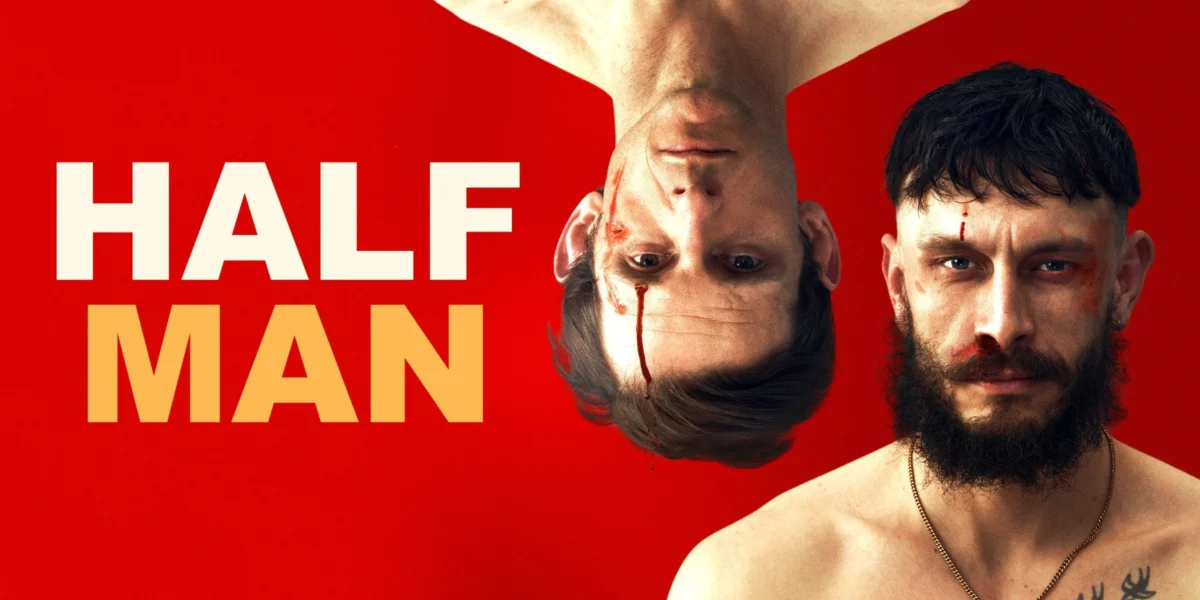
The critically acclaimed British six-part television drama, Half Man, created by the multi-Emmy Award-winning Richard Gadd, has garnered significant attention for its unflinching exploration of sibling trauma and the complex bonds that tie individuals together, even when not bound by blood. The series, which recently secured two nominations for the prestigious Gotham TV Awards, including Outstanding Limited or Anthology Series and Outstanding Lead Performance for actor Jamie Bell, is now a prominent contender for this year’s Emmy Awards and is currently available for streaming on HBO Max.
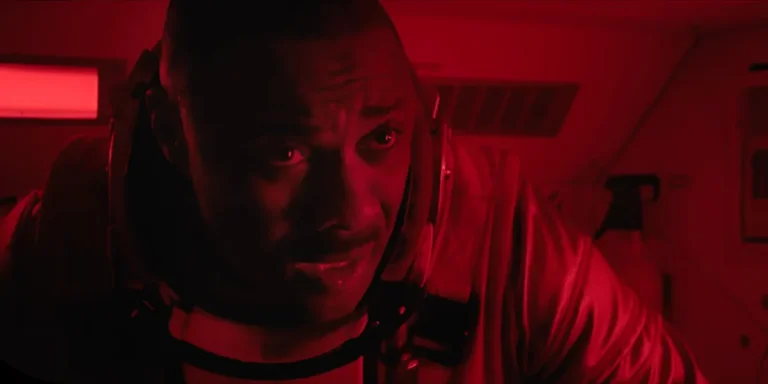
The narrative centers on Ruben (played by Stuart Campbell in his youth and Richard Gadd in adulthood) and Niall (Mitchell Robertson in his youth and Jamie Bell as the adult), two individuals who, despite lacking a biological relationship, were raised as brothers. One is characterized by his strength and fierce loyalty, while the other is depicted as quiet and gentle. The story ignites when they reunite thirty years later for Niall’s wedding. Ruben, however, appears deeply unsettled and on edge. A sudden, violent incident then propels the narrative backward, delving into their shared past to meticulously unravel the origins of their profound bond and illustrate how even the most intimate relationships can ultimately fracture.
The series has been lauded for its "blistering writing," sharp direction from Alexandra Brodski and Eshref Reybrouck, and compelling performances from its ensemble cast. The depth of emotional exploration within Half Man has resonated with critics and audiences alike, positioning it as a significant work in contemporary television drama.
Genesis and Creative Vision: Richard Gadd’s Approach to Half Man
Richard Gadd, the creative force behind Half Man, has a proven track record for crafting deeply personal and impactful narratives, notably with his previous work, Baby Reindeer. This background lends a particular weight to Half Man, suggesting a commitment to exploring the more challenging aspects of human connection and psychological landscapes. The series’ title itself, Half Man, hints at a fragmented identity or a sense of incompleteness, a theme that likely permeates the exploration of Ruben and Niall’s relationship.
Gadd’s involvement as both creator and performer in the series underscores a deep personal investment in the material. Speaking about the project, Gadd, who portrays the adult Ruben, and director Alexandra Brodski, offered insights into their creative process. While specific quotes from these interviews are not provided in the original source, the mention of their willingness to discuss their work suggests a desire to engage with the critical reception and thematic complexities of the series. The opportunity to watch or listen to these discussions, as indicated in the original article, provides valuable context for understanding the artistic intentions behind Half Man.
Narrative Structure and Thematic Resonance
The structural choice to employ a flashback mechanism, triggered by a contemporary event, is a common yet effective technique for building suspense and revealing character depth. By juxtaposing the present-day reunion and ensuing crisis with the formative experiences of Ruben and Niall’s youth, Half Man aims to provide a comprehensive understanding of their intertwined destinies. This approach allows for a nuanced examination of how early life experiences, particularly within a familial context—even an unconventional one—can shape adult personalities and dictate the trajectory of relationships.
The series appears to tackle themes of trauma, loyalty, and the inherent fragility of familial bonds. The term "brotherly trauma" in the review’s headline suggests that the narrative does not shy away from exploring difficult emotional and psychological burdens that may have been carried by both characters throughout their lives. The contrast between Ruben’s outwardly strong demeanor and his internal unease, juxtaposed with Niall’s quieter nature, hints at the diverse ways individuals cope with shared experiences and hidden pain. The eventual unraveling of their bond, as suggested by the synopsis, implies a critical examination of the limits of even the deepest connections when confronted by unresolved issues or profound personal struggles.
Critical Acclaim and Awards Recognition
The positive reception of Half Man by critics is a significant indicator of its artistic merit. Phrases like "blistering writing" suggest a script that is both incisive and emotionally potent. The commendation for the direction of Alexandra Brodski and Eshref Reybrouck points to a visually compelling and tonally consistent execution of Gadd’s vision. The performances are also highlighted as a key strength, with Jamie Bell’s nomination for Outstanding Lead Performance underscoring his impactful portrayal of Niall.

The two Gotham TV Awards nominations—Outstanding Limited or Anthology Series and Outstanding Lead Performance for Bell—are particularly noteworthy. The Gotham Awards, known for celebrating independent and breakthrough cinema and television, often recognize projects that push creative boundaries and offer distinctive voices. These nominations place Half Man among a select group of distinguished productions, further cementing its status as a significant television event. The potential for Emmy Awards recognition further amplifies the series’ impact and its standing within the television industry.
Supporting Data and Industry Context
Half Man‘s success can be contextualized within the broader landscape of television dramas that delve into complex familial dynamics and psychological depth. In recent years, audiences have shown a strong appetite for series that explore the intricacies of human relationships, often through the lens of shared trauma or unconventional family structures. Shows like This Is Us, The Haunting of Hill House, and Mare of Easttown have all achieved critical and commercial success by prioritizing character-driven narratives and emotionally resonant storytelling.
The six-part structure of Half Man is also a common format for limited series, allowing for a focused and contained narrative arc that can be deeply satisfying for viewers. This format often enables creators to explore complex themes without the pressure of maintaining a long-running plot, potentially leading to a more cohesive and impactful viewing experience.
The availability of Half Man on HBO Max, a prominent streaming platform with a reputation for curating high-quality content, further contributes to its accessibility and potential for widespread viewership. The platform’s reach ensures that the series can be discovered and appreciated by a global audience, potentially influencing cultural conversations around the themes it explores.
Official Responses and Industry Reactions
While specific official statements from HBO or the creators regarding the series’ reception beyond the provided interview context are not detailed in the original snippet, the inclusion of the interview with Gadd and Brodski suggests a proactive approach to engaging with the public and critical discourse. The fact that these interviews are available for viewing or listening indicates a desire to provide deeper insight into the creative process and the thematic underpinnings of Half Man.
The inclusion of a YouTube embed of an interview titled "Richard Gadd On Creating, Writing & Starring In HBO’s ‘Half Man’ | Exclusive Interview" serves as direct evidence of this engagement. Such interviews are crucial for journalists and audiences alike to gain a more comprehensive understanding of a project’s genesis and the creators’ intentions. The mention of Half Man being "up for your consideration for this year’s Emmy Awards" implies that industry buzz and recognition are already building around the series, a testament to its perceived quality and potential impact.
Broader Impact and Implications
The success and critical acclaim of Half Man have several implications for the television industry and for audiences. Firstly, it reinforces the value of investing in creator-driven content that prioritizes authentic and challenging storytelling. Richard Gadd’s reputation for delivering emotionally resonant work, amplified by his involvement in Baby Reindeer, likely provided a strong foundation for Half Man‘s development and reception.
Secondly, the series’ exploration of brotherly trauma and fractured relationships offers a powerful mirror to the complexities of human connection. By delving into the psychological aftermath of shared experiences, Half Man can contribute to broader societal conversations about mental health, the impact of childhood experiences on adult life, and the resilience and vulnerability inherent in familial bonds. The "ferocious dissection" described in the review suggests a narrative that is not afraid to confront difficult truths, potentially offering catharsis and understanding for viewers who have experienced similar struggles.
The series’ recognition at awards ceremonies like the Gotham TV Awards and its potential for Emmy consideration further highlight the growing appreciation for television that offers depth, nuance, and artistic integrity. As the streaming landscape continues to evolve, productions like Half Man demonstrate that compelling narratives, strong performances, and thoughtful direction remain paramount to capturing the attention and admiration of both critics and the public. The continued success of such series encourages a diverse range of stories to be told, enriching the television landscape for all.