
Acclaimed actress and director Olivia Wilde has publicly clarified a recent red carpet appearance that quickly became the subject of widespread online discussion, attributing her unusually distorted look to the unflattering effects of a fisheye camera lens. The incident, which occurred on April 24, 2026, at the San Francisco International Film Festival during the promotion of her latest film, "The Invite," sparked a flurry of speculation regarding her health and drew comparisons to various unsettling figures, including the iconic "Lord of the Rings" character, Gollum. Wilde, known for her candidness, addressed the viral moment with characteristic humor, reassuring fans that her well-being is not in question and that the photographic anomaly was merely a trick of perspective and equipment.
The Unsettling Red Carpet Moment: A Viral Phenomenon
The event in question took place at a high-profile screening and Q&A session for "The Invite," a film generating considerable buzz within the industry. As Wilde graced the red carpet, a seemingly innocuous series of photographs and short video clips captured her in an unexpectedly peculiar light. The images, which quickly circulated across social media platforms, depicted Wilde with exaggerated facial features—a seemingly elongated head, sunken eyes, and an overall pallor that led many to describe her appearance as gaunt or even "corpse-like." The stark departure from her typically radiant public image immediately ignited concern among fans and curiosity among internet users.
Within hours of the festival appearance, hashtags related to Olivia Wilde’s "new look" began trending. Side-by-side comparisons proliferated, juxtaposing her festival photos with images of characters known for their unsettling visages, most prominently Smeagol/Gollum from J.R.R. Tolkien’s Middle-earth saga. Other comparisons ranged from zombie movie characters to figures from classic horror films, with the underlying sentiment being one of shock and bewilderment. The velocity and intensity of the online reaction underscored the pervasive nature of celebrity scrutiny in the digital age, where a single unflattering image can instantly become a global talking point. The incident also highlighted the power of visual media to shape public perception, often without immediate context or explanation.
The depth of the public’s concern was perhaps best encapsulated by a private exchange Wilde shared, wherein her own brother jokingly inquired if she needed to address rumors of being a "resurrected corpse." This anecdote, later shared by Wilde herself, illustrated the extent to which the distorted images had permeated even her closest circles, adding a layer of personal amusement to the otherwise bizarre situation. The collective bewilderment underscored the stark contrast between the usual polished aesthetic of red carpet photography and the jarring visuals that went viral.
Olivia Wilde’s Candid Explanation: The Fisheye Lens Effect
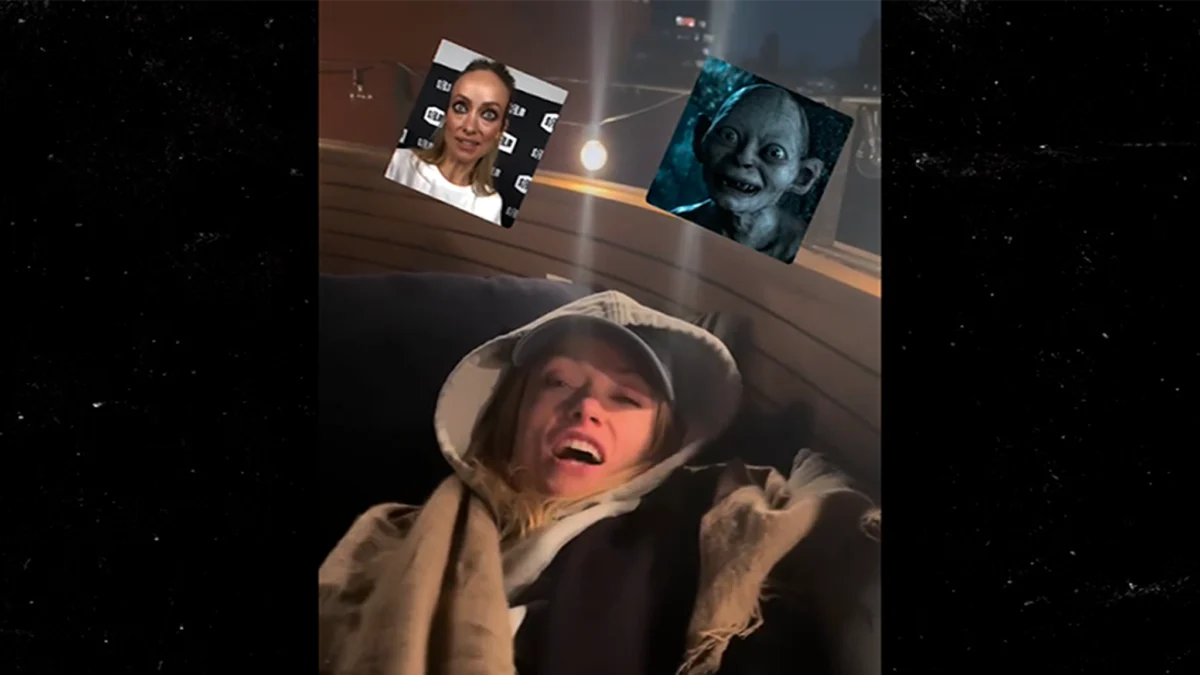
Responding to the burgeoning online discourse, Olivia Wilde took to her social media channels, sharing a video that swiftly debunked the health concerns and embraced the humor of the situation. In her characteristic engaging style, Wilde, through laughter, elucidated the technical culprit behind her unsettling appearance: an extreme wide-angle, specifically a fisheye lens, and her proximity to it. She explained that she had inadvertently stood "way too close" to the camera operator employing the specialized lens, resulting in the dramatic distortion of her features.
A fisheye lens is a type of ultra-wide-angle lens known for its strong visual distortion, creating a wide panoramic or hemispherical image. Unlike standard rectilinear lenses that aim to keep straight lines straight, fisheye lenses intentionally introduce barrel distortion, curving lines outward from the center of the frame. When a subject is too close to such a lens, especially a human face, features near the center of the frame can appear disproportionately large and pushed forward, while features at the periphery can stretch and recede, leading to an almost grotesque caricature. This effect can make noses appear larger, eyes wider or more sunken, and the overall head shape elongated or bulbous, creating a distinctly unnatural and often unflattering rendition of reality.
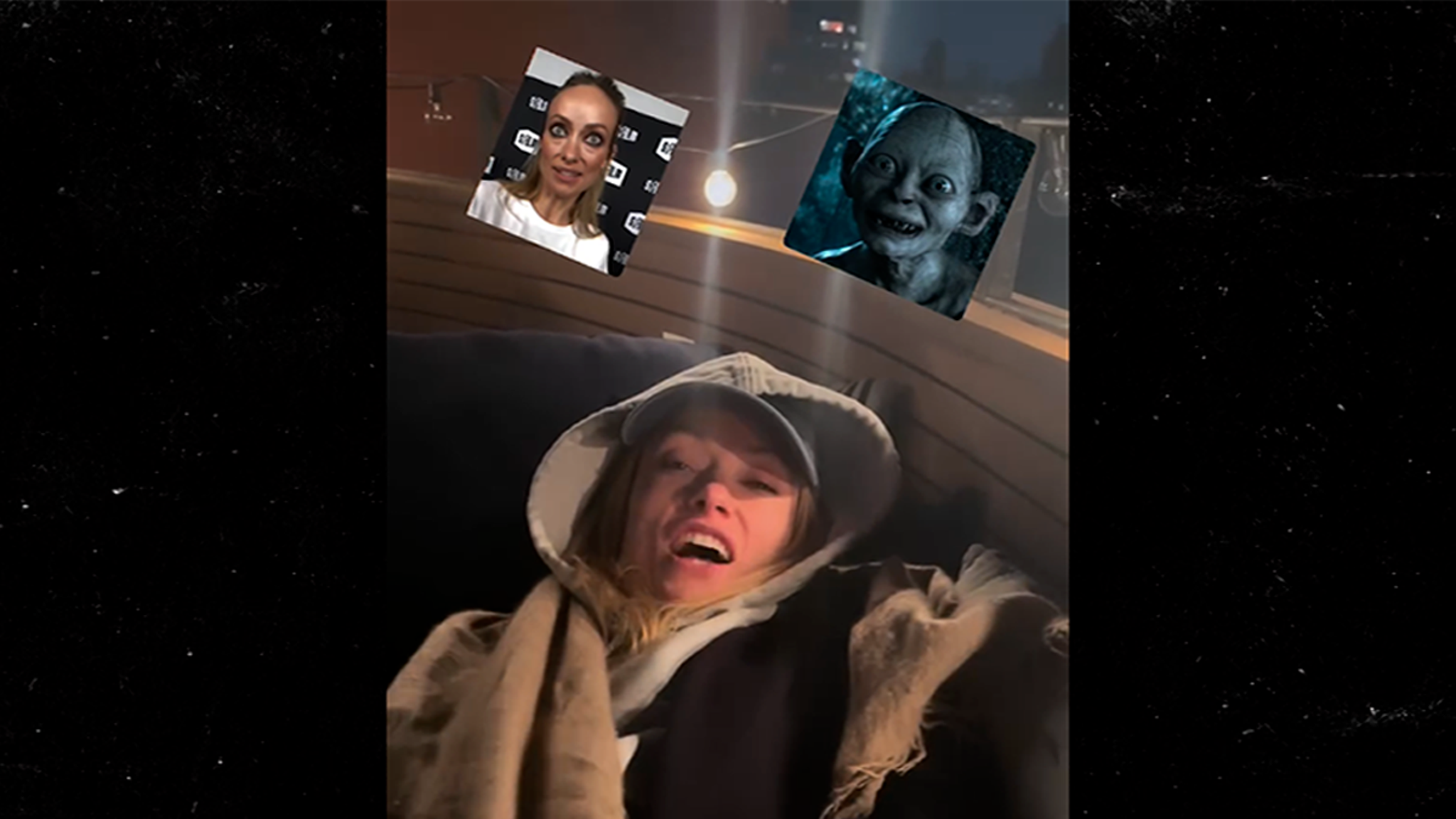
Wilde’s video response, which featured a brief, self-aware inclusion of an image of Gollum, demonstrated her implicit acknowledgment of the widespread comparison. Her willingness to lean into the absurdity of the situation, rather than dismiss it outright, resonated positively with many fans. It transformed a potentially embarrassing moment into an opportunity for transparency and lighthearted engagement, reinforcing her image as an approachable and down-to-earth public figure. The rapid spread of her explanation helped to quickly shift the narrative from one of concern and mockery to one of understanding and shared amusement over a common photographic mishap.
Understanding Lens Distortion in High-Profile Photography
The incident serves as a salient reminder of the critical role photographic equipment and technique play in shaping visual perception, particularly in high-stakes environments like red carpet events. Fisheye lenses, while creatively versatile, are rarely employed for conventional portraiture due to their inherent distorting properties. Their primary applications typically involve capturing expansive landscapes, architectural interiors, action sports, or for artistic effects where distortion is desired. For celebrity photography, the industry standard relies on telephoto or prime lenses that offer minimal distortion and a flattering compression of features, ensuring subjects appear as true-to-life and aesthetically pleasing as possible.
The use of a fisheye lens in a red carpet setting, especially for a close-up shot, could be attributed to several factors: a camera operator experimenting with unconventional angles, a momentary lapse in judgment, or simply being caught off guard by a celebrity approaching too closely. Regardless of the specific circumstance, the outcome underscored the powerful and often unforgiving nature of optics. Digital imaging experts confirm that such extreme wide-angle distortion, particularly at close range, can drastically alter human facial proportions, creating effects that range from mildly amusing to profoundly disturbing. This technical explanation provides crucial context, differentiating a genuine health concern from a mere visual anomaly.
The incident also highlights the evolving landscape of media consumption. In an era where nearly every public appearance is documented and instantly disseminated, even a single frame captured under unusual conditions can achieve global virality. The instantaneous nature of social media means there is often little time for context or correction before an image takes on a life of its own, fueling speculation and contributing to a potentially misleading public narrative.
Celebrity Image and Media Scrutiny in the Digital Age
The "Gollum moment" experienced by Olivia Wilde is emblematic of the intense and often unforgiving scrutiny faced by public figures in the modern era. Celebrities are under constant surveillance, with every outfit, expression, and perceived flaw meticulously documented and analyzed. Social media has amplified this scrutiny exponentially, transforming ordinary citizens into instant critics and meme-generators. The rapid dissemination of images and videos means that a fleeting moment, an unflattering angle, or a technical glitch can become a global phenomenon before any official clarification can be issued.
This constant pressure to maintain an impeccable public image can be immense. While Wilde handled the situation with humor and transparency, not all celebrities are able to navigate such viral moments with the same grace. The incident underscores the fragility of public perception and the delicate balance between authenticity and presentation that celebrities must constantly manage. It also raises questions about the responsibility of media outlets and individual content creators in circulating potentially misleading or decontextualized images.
In a broader sense, this event contributes to the ongoing conversation about body image, beauty standards, and the unrealistic expectations placed upon individuals, particularly women, in the public eye. When even a celebrated figure like Olivia Wilde can be subjected to such intense scrutiny over a photographic distortion, it reflects a societal preoccupation with appearances that transcends individual incidents.
Olivia Wilde’s Recent Career Trajectory and "The Invite"
The viral incident occurred as Olivia Wilde continues to navigate a multifaceted career as both an acclaimed actress and a burgeoning director. Following the significant public discourse surrounding her directorial effort "Don’t Worry Darling" in 2022—a film that garnered considerable media attention for its behind-the-scenes narratives as much as its cinematic merits—Wilde has maintained a prominent presence in Hollywood. "The Invite," the film she was promoting at the San Francisco International Film Festival, marks her return to a significant acting role, signaling a continued engagement with diverse projects. While specific details about "The Invite" remain somewhat under wraps to build anticipation, its presence at a major film festival suggests it is a project of considerable artistic merit.
The unexpected virality of her red carpet appearance, while initially unsettling, has arguably generated an unusual surge of attention for "The Invite." While not the kind of publicity typically sought, any significant mention in the news cycle, even one stemming from a humorous misunderstanding, can inadvertently boost a film’s visibility. Industry analysts suggest that in today’s crowded entertainment landscape, unconventional viral moments can sometimes be leveraged to spark curiosity, especially when handled with the kind of self-deprecating humor Wilde displayed. This incident, therefore, might paradoxically contribute to the film’s promotional cycle by keeping Wilde, and by extension her projects, in the public consciousness.
Public Reaction and the Aftermath of Clarification
Upon Olivia Wilde’s explanation, the overwhelming public reaction shifted from concern and amusement to relief and further appreciation for her transparency. Fans expressed their support, commending her for addressing the issue directly and with humor. The initial flurry of "Gollum" memes quickly morphed into celebratory acknowledgments of her wit and resilience. The incident served as a powerful example of how a celebrity’s direct and honest communication can effectively mitigate negative speculation and transform a potentially damaging situation into a moment of connection with their audience.
The rapid debunking of the "resurrected corpse" rumors underscored the importance of hearing directly from the source in an age saturated with potentially misleading visual information. The episode also reinforced the transient nature of internet virality; what was a global talking point one day quickly dissipated once the factual explanation was widely disseminated. While the images of Wilde’s distorted appearance will undoubtedly remain part of internet lore, their context has now been firmly established, transforming them from objects of concern into humorous reminders of photographic trickery.
In conclusion, Olivia Wilde’s red carpet appearance at the San Francisco International Film Festival, initially sparking a viral frenzy due to an unusually distorted image, was swiftly clarified as a technical mishap involving a fisheye lens. Her candid and humorous response, acknowledging the widespread "Gollum" comparisons, not only assuaged public concern but also highlighted the powerful and often misleading effects of photographic distortion. The incident serves as a compelling case study in the intersection of celebrity, media scrutiny, and the ever-present influence of technology in shaping public perception, ultimately underscoring the importance of context in an increasingly visual world. Despite the momentary online uproar, Wilde remains a precious figure in Hollywood, her integrity and wit firmly intact.