
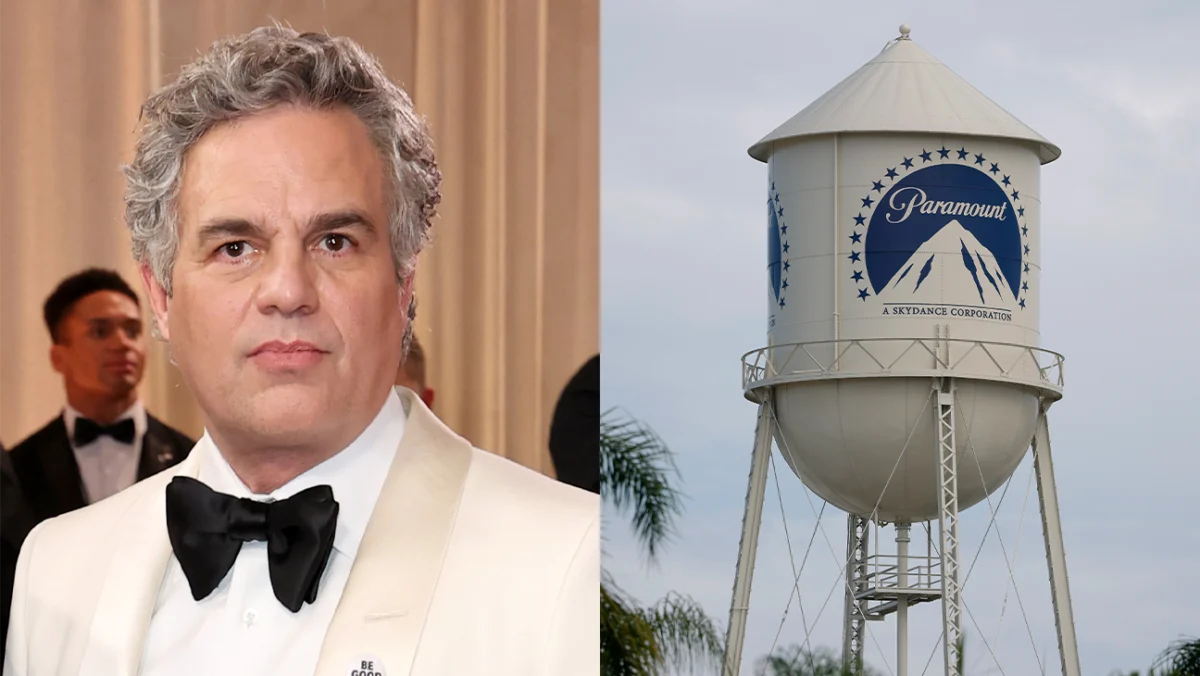
The proposed acquisition of Warner Bros. Discovery by Paramount has entered a critical phase of legal and public scrutiny, as reports indicate that the two media giants are nearing a settlement with a coalition of 12 state attorneys general led by California. This potential resolution has sparked a significant outcry from high-profile industry figures, most notably actor and activist Mark Ruffalo, who is calling upon California Attorney General Rob Bonta to reject any compromise that would allow the consolidation to proceed.
The antitrust litigation, which has effectively stalled the merger for the past several months, centers on the competitive implications of merging two of Hollywood’s "Big Five" studios. As negotiations between the state and the corporate entities intensify, the tension between labor advocacy and corporate consolidation has reached a fever pitch.
The Conflict at a Glance
The lawsuit, initially filed on July 13, asserts that the proposed merger would create an anti-competitive environment, ultimately harming consumers through inflated pricing and a reduction in the diversity and quality of cinematic content. Attorney General Rob Bonta has been a vocal critic of the deal, previously stating that the consolidation would inevitably "snuff out competition" and diminish the output of films and television shows.
However, recent reports from The Wall Street Journal suggest that the legal standoff may be softening, with the parties reportedly engaged in "advanced talks" to reach a settlement. Such an agreement would likely involve structural concessions or behavioral remedies aimed at satisfying the states’ antitrust concerns, allowing the deal to move forward under strict regulatory oversight.
Mark Ruffalo, who has been an outspoken opponent of the merger since its inception, took to social media platform X to pressure Bonta directly. "Don’t you dare @AGRobBonta, do not cave," Ruffalo wrote. "5,670 film makers put their necks on the line for you to fight this merger. Another 75,000+ and counting have signed to tell you not to concede in just 3 weeks. You work for the people—the very people who will be hurt if you let this lousy deal filled with empty promises go forward."
A Chronology of the Legal Standoff
The battle for the future of these media conglomerates has been defined by a rapid succession of legal maneuvers and regulatory hurdles:
- July 13: A coalition of 12 state attorneys general files a formal antitrust lawsuit to block the merger, alleging it violates federal and state competition laws.
- July 20: U.S. District Judge Araceli Martínez-Olguín grants a temporary restraining order, effectively pausing the merger process.
- July 23: The court extends the temporary restraining order, maintaining the status quo while the case undergoes further review.
- July 24: Paramount and Warner Bros. Discovery agree to formally hold off on the acquisition until a definitive court ruling addresses the merits of the antitrust claims.
- Mid-August: Emerging reports suggest that despite the aggressive start to the litigation, settlement negotiations between Paramount and the states have entered an advanced stage.
The Scope of Industry Opposition
The resistance to the merger is not limited to celebrity advocacy; it represents a broader sentiment within the creative community. Ruffalo’s efforts are backed by an open letter signed by a significant cohort of industry professionals who fear that the consolidation of major studios will consolidate power, reduce union bargaining leverage, and limit the opportunities for independent filmmakers.
Ruffalo’s advocacy has included testifying before the U.S. Senate regarding the potential economic dangers of media consolidation. He argues that the deal is fundamentally "lousy" and driven by corporate interests rather than the health of the cultural ecosystem. His online petition, which he continues to promote, seeks to demonstrate a massive public mandate for the rejection of the merger.
Escalation and Allegations of Antisemitism
The discourse surrounding the merger took a dark turn in August, when the opposition became entangled in a heated controversy involving allegations of antisemitism. In an Instagram post, Ruffalo criticized the involvement of Oracle—founded by Larry Ellison, the father of Paramount’s David Ellison—highlighting the company’s ties to the Israeli military.
Ruffalo shared footage of former Oracle chief Safra Catz discussing the company’s technological contributions in the context of the conflict in Gaza. He labeled the war a "genocide" and argued that the situation was facilitated by an "apartheid system of oppression" bolstered by Oracle’s technology.
Paramount responded with a sharp condemnation of Ruffalo’s remarks. In an official statement, a company spokesperson categorized the comments as "antisemitic tropes," asserting that such language was used to distract from a business dispute. "Words like ‘genocide’ and ‘apartheid,’ applied to a corporate transaction, aren’t just wrong—they’re a bridge too far, and they cheapen the very real suffering those words are meant to describe," the statement read.
Ruffalo quickly refuted these allegations, describing the characterization of his views as "appalling and fundamentally dishonest" on social media. This exchange has complicated the narrative, shifting public focus from the legal antitrust arguments to a volatile debate over political rhetoric and corporate accountability.
Broader Economic and Cultural Implications
The potential merger of Paramount and Warner Bros. Discovery represents a pivotal moment in the landscape of American media. Historically, the "Big Five" studios—Universal, Paramount, Warner Bros., Disney, and Sony—have maintained a balance of market power that has shaped Hollywood for decades. Analysts note that reducing this group to four major entities would likely trigger a domino effect of further industry consolidation.
For consumers, the primary concern remains the cost and availability of streaming and theatrical content. Proponents of the merger argue that a combined entity would be better equipped to compete with massive technology-driven platforms like Netflix, Apple, and Amazon. Critics, however, contend that the reduction in competition would grant the new, larger entity excessive leverage to dictate terms to exhibitors and viewers alike, potentially leading to a monopolistic pricing structure.
The role of the state attorneys general is crucial in this context. Their primary mandate is to protect the interests of their residents from market abuses. If the coalition agrees to a settlement, it will likely be based on "behavioral remedies"—such as pledges to maintain certain levels of investment in local production or to guarantee specific licensing terms for independent theaters. However, history has shown that such remedies are often difficult to enforce, leading many labor unions and activist groups to demand an outright rejection of the merger rather than a negotiated settlement.
The Path Forward
As the legal proceedings continue, the pressure on Attorney General Bonta remains intense. The intersection of corporate mergers, political activism, and the influence of celebrity figures like Ruffalo creates a high-stakes environment for the California Department of Justice.
The ultimate outcome will hinge on whether the court determines that the potential for reduced competition outweighs the efficiency arguments put forward by the companies. Should a settlement be finalized, it will set a significant precedent for how media conglomerates are permitted to restructure in the digital age. Conversely, if the states maintain their opposition, the case is likely to proceed to a full trial, which could drag on for months or years, further complicating the financial outlook for both Paramount and Warner Bros. Discovery.
For now, the industry watches closely as the clock ticks toward a decision. The outcome of this case will not only determine the future of two historic studios but will also signal the current regulatory appetite for curbing the power of media titans in an increasingly concentrated market. Whether the deal moves forward under a settlement or remains blocked by the weight of antitrust law, the public debate ignited by this merger will likely leave a lasting mark on the relationship between Hollywood’s corporate leaders and the creative labor force that sustains them.