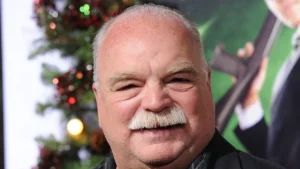
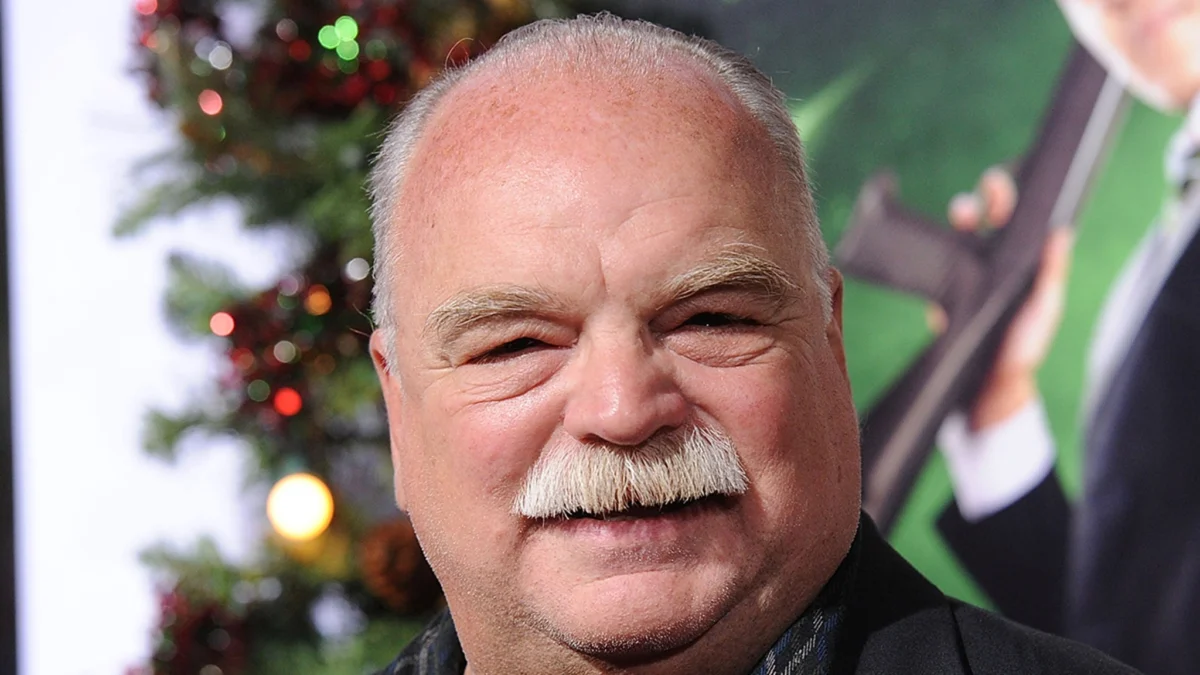
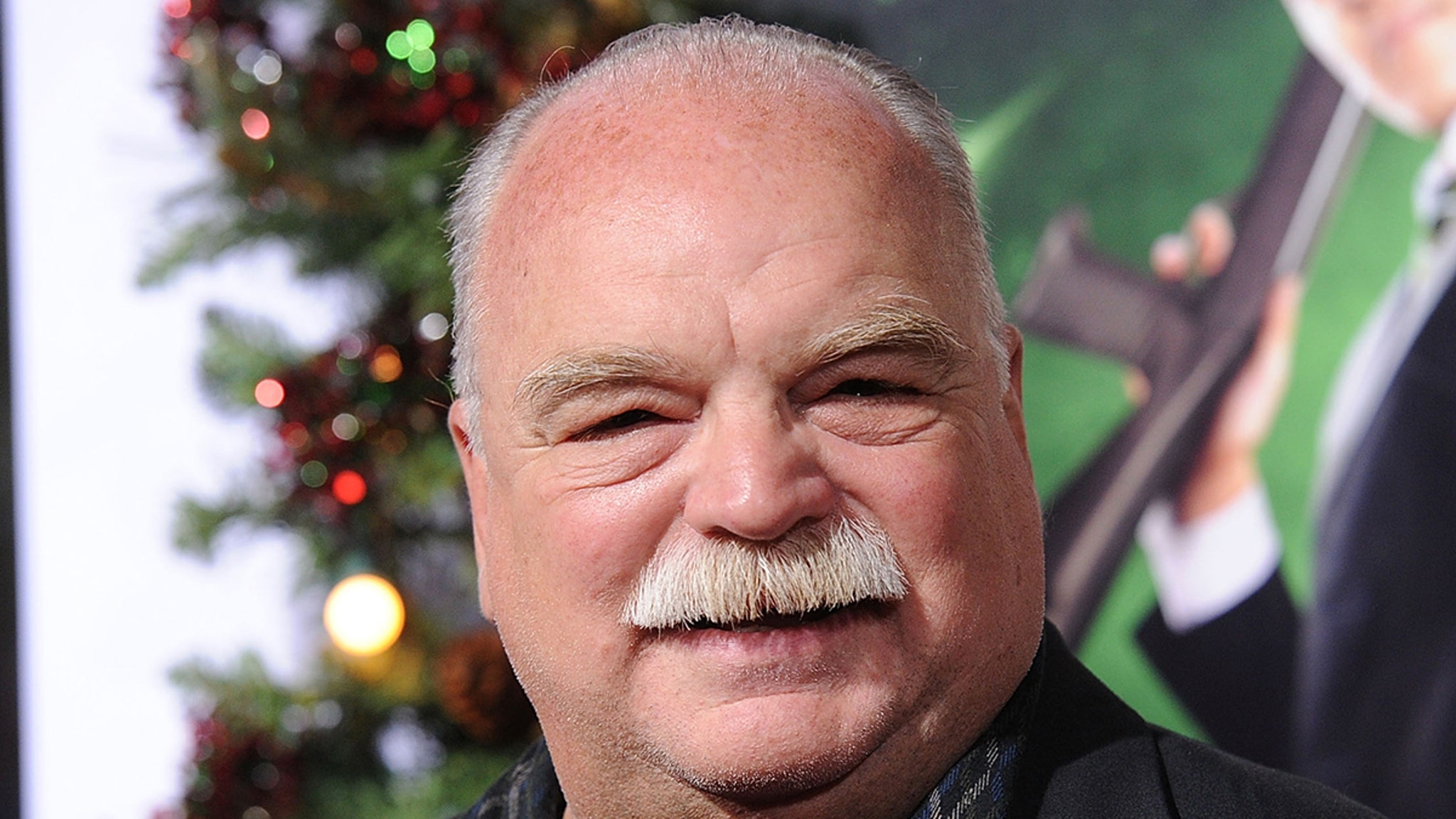
The definitive cause of death for prolific character actor Richard Riehle, widely recognized for his unforgettable performances in film and television, has been officially established. According to official records and documentation reviewed by reporting agencies, the beloved Hollywood veteran passed away following a complex medical battle involving underlying oncological complications. While initial reports from acquaintances and close associates indicated that the actor had succumbed to natural causes, subsequent administrative filings have provided a comprehensive medical narrative detailing the precise sequence of events leading to his passing in mid-October.
The actor, whose career spanned several decades and encompassed an extraordinary volume of onscreen appearances, left behind an indelible legacy in the entertainment industry. The revelation of his medical circumstances brings formal clarity to a period of mourning experienced by colleagues, industry peers, and millions of fans worldwide who grew up watching his versatile performances across multiple genres.
Medical Findings and Official Documentation
According to the official death certificate obtained from Los Angeles authorities, Richard Riehle passed away on October 15, 2026, in Los Angeles, California. The primary medical cause of death was documented as a stroke, which served as the acute terminal event. However, the foundational underlying cause of death was listed as oropharyngeal cancer, a specific and aggressive form of throat cancer that impacts the tissues of the pharynx, including the base of the tongue, the soft palate, and the tonsillar area.
The inclusion of oropharyngeal cancer on the death certificate sheds light on health challenges that the actor had managed privately during his later years. Medical specialists note that oropharyngeal cancer often presents subtle initial symptoms, making early detection challenging. While strokes can occur independently, they are frequently correlated in advanced oncological cases due to systemic vascular changes, hypercoagulable states, or the physical toll exacted by aggressive treatments and the disease process itself.
Following his passing, arrangements were made in accordance with family wishes. The death certificate confirms that Riehle was cremated shortly thereafter, on October 23, 2026. The private nature of these arrangements mirrored the quiet dignity with which the actor approached both his personal life and his extensive professional commitments throughout his later years.
Chronology of Events
The timeline surrounding Richard Riehle’s final weeks highlights a dedicated professional who remained active in his craft almost until the end of his life.
Early October 2026: Riehle continued to engage with creative projects, having recently completed principal photography for several upcoming motion picture releases. Industry insiders noted that his work ethic remained undiminished despite advancing age and underlying health concerns.
October 15, 2026: The actor passed away at his residence in Los Angeles. Initial statements provided to media outlets by close friends characterized the death as resulting from natural causes, reflecting the private manner in which his ongoing medical battle with throat cancer had been handled.
October 19, 2026: Public announcements regarding Riehle’s death began circulating across global news networks and entertainment publications, prompting an outpouring of tributes from former co-stars, directors, and devoted admirers.
October 23, 2026: Official disposition of remains took place, with Riehle undergoing cremation in Los Angeles, adhering to the final directives established by his estate or family representatives.
October 27, 2026: Administrative filing processing allowed journalists to access official vital statistics, resulting in the public revelation of the specific medical causes of death—specifically the stroke precipitated by underlying oropharyngeal cancer.
A Monumental Career: From Stage to Screen
To understand the magnitude of Richard Riehle’s passing is to examine a career defined by an astonishing work ethic and remarkable versatility. With more than 400 acting credits listed on his official resume, Riehle was the quintessential working actor—a familiar face whose presence instantly elevated any scene, regardless of whether he was cast as a benevolent authority figure, an exasperated corporate manager, or a colorful character in a period drama.
Born in Milwaukee, Wisconsin, Riehle pursued formal theatrical training before transitioning to regional theater and eventually making his mark in film and television. His theatrical background provided him with the disciplined foundation necessary to navigate a wide variety of roles, moving effortlessly between broad comedy, intense drama, and genre-specific storytelling.
While his resume included critical darlings and blockbuster hits such as Martin Scorsese’s "Casino," the heartfelt drama "Fried Green Tomatoes," and the high-stakes thriller "The Fugitive," Riehle achieved genuine pop culture immortality through his work in Mike Judge’s 1999 satirical workplace comedy, "Office Space."
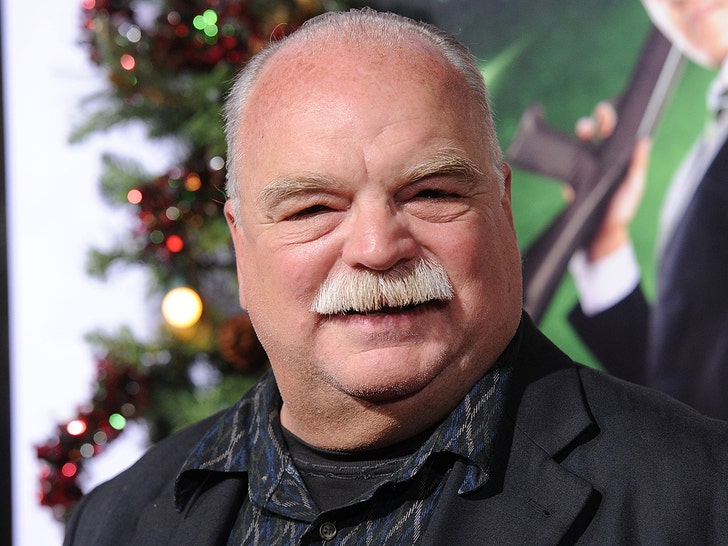
The Timeless Legacy of Tom Smykowski
In "Office Space," Riehle portrayed Tom Smykowski, an Initech employee who survives a wave of corporate layoffs only to suffer a catastrophic physical accident immediately afterward. The character’s misfortune leads to a substantial financial settlement, which Tom uses to fund his eccentric entrepreneurial dream: the "Jump to Conclusions" mat—a piece of felt divided into squares containing various conclusions that a user can jump to.
Tom Smykowski remains one of the most beloved figures in the pantheon of modern comedy characters. Riehle’s portrayal captured a delicate balance of earnest vulnerability, profound workplace disillusionment, and gentle absurdity. Decades after the film’s initial theatrical release—which enjoyed a modest box office run before achieving legendary status via home video and cable syndication—fans continue to quote Smykowski’s memorable exchanges with corporate consultants and fellow employees. The character became an archetype for the existential fatigue experienced by modern office workers, ensuring Riehle a permanent place in cinematic history.
Television Dominance and Prolific Output
Beyond his cinematic achievements, Riehle was a towering presence on television. Throughout a career spanning over four decades, he made guest appearances, recurring roles, and regular series contributions to dozens of television programs. His television credits read like an encyclopedic overview of late 20th and early 21st-century broadcasting.
From foundational prime-time dramas to speculative science fiction series, situation comedies, and procedural thrillers, Riehle brought an authentic gravity to every television set he stepped onto. Casting directors frequently turned to him when they required an actor capable of establishing immediate character depth within the compressed constraints of television storytelling. Whether playing a small-town sheriff, a weary judge, a kindly neighbor, or a beleaguered business owner, Riehle’s performances were characterized by a profound naturalism that grounded even the most fantastical premises in emotional reality.
Unfinished Projects and Posthumous Releases
In the wake of his passing, industry colleagues revealed that Riehle had continued to accept creative challenges right up until the final stages of his illness. Reports indicated that the actor had completed filming scenes for several independent and studio motion picture projects that had not yet entered post-production or public distribution.
Consequently, audiences will experience posthumous performances from the veteran actor, offering a bittersweet reminder of his enduring talent. While it is a matter of professional regret that Riehle did not live to witness the final, edited cuts of all his latest cinematic contributions, these upcoming projects stand as a testament to his unwavering dedication to the dramatic arts. The ability to work continuously, driven by an intrinsic love for storytelling, defined his professional ethos until the very end.
Industry Reactions and Broader Cultural Impact
The confirmation of the specific circumstances surrounding Riehle’s death prompted renewed tributes from across the entertainment community. Directors, writers, and fellow actors took to digital platforms and trade publications to express their sorrow and to honor his immense contributions to the craft.
Industry analysts and cultural commentators noted that actors of Riehle’s caliber form the bedrock of the cinematic ecosystem. While marquee headliners often capture public attention, character actors provide the contextual texture, emotional resonance, and narrative stability required to make fictional worlds believable. Riehle’s capability to seamlessly inhabit hundreds of distinct personas demonstrated an artistic generosity that prioritized the overall integrity of the production above personal celebrity.
Furthermore, the public discourse following the disclosure of his battle with oropharyngeal cancer brought renewed attention to health advocacy within the aging population of creative professionals. Health organizations frequently utilize high-profile disclosures to educate the public regarding the signs, symptoms, and risk factors associated with various forms of head and neck cancers, emphasizing the critical importance of regular screenings and early medical intervention.
Conclusion
The formal documentation of Richard Riehle’s passing brings a definitive close to the public accounting of a remarkable life and career. While the immediate cause of death—a stroke—and the underlying medical condition—oropharyngeal cancer—explain the physical mechanics of his final days, they represent only a tiny fraction of a rich, multifaceted existence dedicated to the performing arts.
From his unforgettable contributions to cult classics like "Office Space" to his monumental catalog of over 400 television and film credits, Richard Riehle established a standard of excellence, reliability, and warmth that will be remembered by audiences and peers for generations to come. As his final cinematic projects prepare for release, the legacy of this quintessential Hollywood veteran remains secure, anchored in the laughter, emotion, and humanity he brought to screens both large and small.