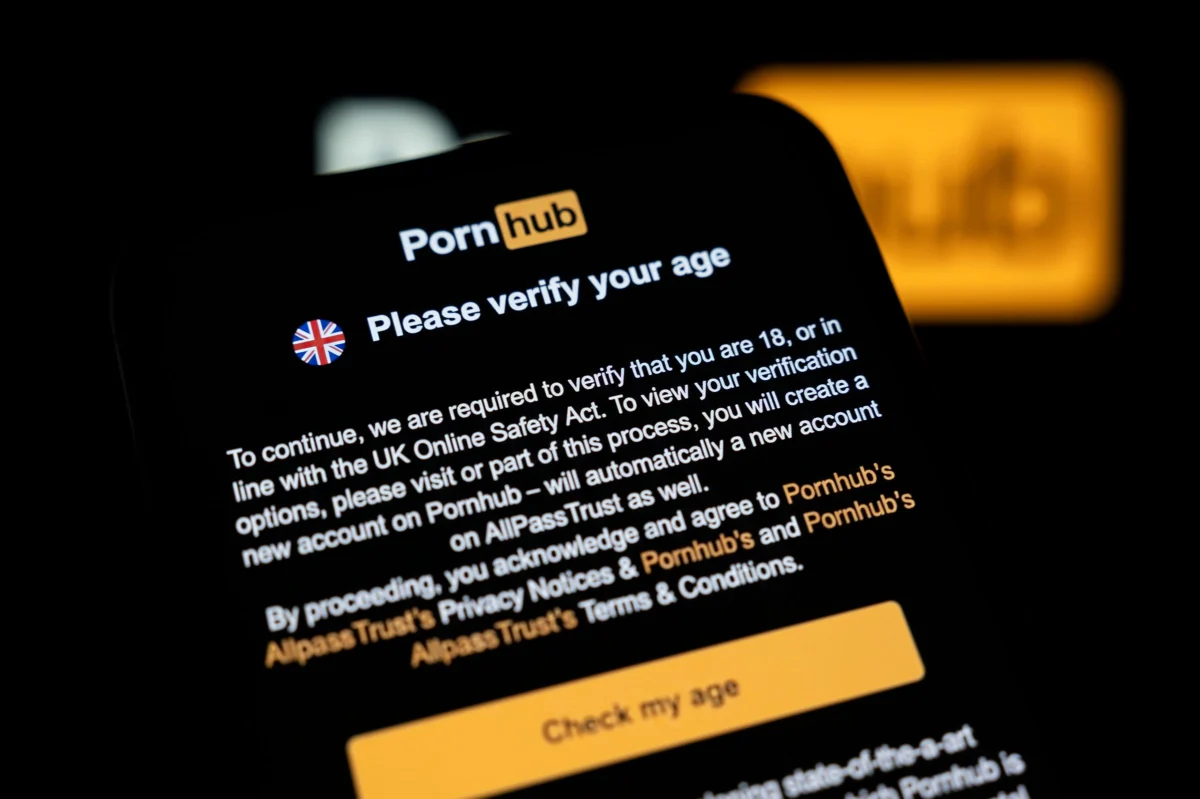
Aylo, the parent company of the adult entertainment giant Pornhub, has officially announced the restoration of access for users in the United Kingdom, provided they utilize Apple-based hardware to verify their age. This move comes exactly three months after the platform implemented a sweeping block on new UK-based accounts in response to the country’s stringent and evolving online safety regulations. In a statement released on Tuesday, Aylo confirmed that it is leveraging new technical capabilities within Apple’s ecosystem to satisfy the age assurance requirements mandated by the British government, marking a significant pivot in the ongoing tension between adult content providers and national regulators.
The decision centers on the deployment of device-based age-verification solutions, a method Aylo has long championed as a more secure and privacy-centric alternative to third-party database checks or digital ID uploads. According to the company, the release of the latest operating system updates for iOS and iPadOS has introduced the "first ever device-based age-verification solution" for its UK audience. This technical integration allows Pornhub to confirm a user’s adult status through the secure enclave of the device itself, rather than requiring the user to share sensitive personal identification documents with the website or a middleman verification service.
The Legislative Catalyst: The UK Online Safety Act
The roots of this conflict trace back to the United Kingdom’s Online Safety Act, a landmark piece of legislation designed to make the UK "the safest place in the world to be online." While the Act covers a broad spectrum of digital harms, including cyberbullying and illegal content, its provisions regarding the protection of minors from adult material have been among its most debated features. Under these rules, commercial providers of pornographic content are legally obligated to ensure that children cannot access their services.
Failure to comply with these regulations carries heavy penalties, including fines of up to £18 million or 10% of a company’s global annual turnover, whichever is higher. For a global entity like Aylo, these financial risks necessitated a drastic response. In February, Pornhub took the proactive step of blocking access to all new users in the UK who had not already cleared the verification hurdles. The company argued at the time that the lack of a standardized, privacy-preserving verification method made it impossible to comply with the law without compromising user data.
The UK regulator, Ofcom, has been tasked with enforcing these standards. Ofcom’s guidance suggests that "highly effective" age verification could include methods such as credit card checks, facial age estimation (biometrics), or identity document matching. However, privacy advocates and the adult industry have expressed concern that these methods create a "honeypot" of sensitive data that could be targeted by hackers or used for unauthorized tracking.
Chronology of the Dispute and Technical Integration
The path to this week’s announcement has been marked by several key milestones in the relationship between the adult industry and Big Tech:
- July 2023: The UK government rolls out new child safety provisions, signaling a zero-tolerance policy for adult sites that do not verify the age of their visitors.
- November 2023: Aylo takes a public stance by sending formal letters to Apple, Google, and Microsoft. The company implored these tech giants to integrate age-verification tools directly into their operating systems, arguing that hardware manufacturers are best positioned to verify age without sacrificing anonymity.
- February 2024: Citing the "flawed" nature of the UK’s ID laws and the lack of device-level support, Pornhub begins blocking access to new UK users.
- May 2024: Aylo announces that Apple’s recent software updates—specifically cited as iOS 26.4 in company communications—provide the necessary framework to resume service.
The company has specified that this restoration of access is currently limited to users on iPhones and iPads. MacBooks and other desktop computers running macOS remain excluded for the time being, as the operating system utilizes a different architecture for user verification. This discrepancy highlights the fragmented nature of digital safety implementations across different hardware platforms.
The Argument for Device-Based Verification
Aylo’s preference for device-based verification is rooted in the concept of "privacy by design." In traditional web-based verification, a user might be asked to upload a photo of their passport or driver’s license to a third-party server. This creates a permanent digital record linking a person’s real-world identity to their browsing habits in the adult entertainment sector—a prospect many users find unacceptable.
In contrast, device-based verification utilizes information already stored on the user’s smartphone. When a user sets up an Apple ID, their age is often verified through payment methods or parental controls. By allowing a website to simply "ask" the device if the user is over 18, the device can provide a binary "yes" or "no" response without ever transmitting the user’s name, birth date, or ID images to the website.
Aylo has praised Apple’s safety settings for users under 18, describing them as some of the "strongest and hardest to circumvent protections currently available." By shifting the burden of verification from the website to the device, Aylo claims it can "better protect children everywhere" while maintaining the digital rights of adult consumers.
Supporting Data: The Scale of Age Verification Laws
The situation in the United Kingdom is not an isolated incident but rather part of a global trend toward mandated age assurance. Data suggests that the adult industry is facing an increasingly complex patchwork of regional laws:
- United States Proliferation: Approximately half of all US states have enacted or proposed age-verification laws. This includes states like Texas, Utah, Louisiana, Virginia, and North Carolina.
- Market Withdrawal: In response to these laws, Pornhub has pulled its content entirely from several US states. In Texas, for instance, the site displays a message explaining that the law is "ineffective, haphazard, and dangerous" rather than allowing users to access the site via current verification mandates.
- User Behavior: Industry analysts note that in regions where blocks are implemented, there is a measurable spike in the use of Virtual Private Networks (VPNs). Data from VPN providers often shows a 200% to 500% increase in traffic from specific jurisdictions immediately following the implementation of adult content blocks, suggesting that users frequently bypass these hurdles.
Reactions and Stakeholder Perspectives
The reaction to Aylo’s announcement has been mixed, reflecting the ongoing tension between safety and privacy. While Aylo frames the move as a victory for both child protection and user privacy, others remain skeptical.
Proponents of the Online Safety Act, including various child protection charities, have generally welcomed any move that brings major platforms into compliance. They argue that the primary goal is to create friction that prevents children from accidentally or intentionally viewing harmful material. For these groups, the technical "how" is less important than the result: a verified barrier to entry.
On the other hand, digital rights groups like the Open Rights Group (ORG) have expressed concerns about the "normalization" of age verification. They argue that even device-based solutions could eventually lead to a "de-anonymized internet," where every action is gated by a digital identity. Furthermore, critics point out that this solution creates a digital divide, where access to the internet is dictated by the brand of hardware a user can afford. Users on older devices or those using Android systems (which have not yet seen a similar high-profile integration from Google) may still find themselves blocked.
Broader Implications and the Future of the Adult Industry
The decision by Pornhub to re-enter the UK market via Apple devices sets a significant precedent. It places immense pressure on other technology giants, particularly Google and Microsoft, to follow suit. If Apple becomes the "de facto" gatekeeper for age-verified content, it gains even more control over the digital ecosystem, a move that could draw the attention of antitrust regulators.
For the adult entertainment industry, this shift represents a move toward a more sustainable business model in the face of regulation. By outsourcing the "policing" of age to hardware manufacturers, platforms like Pornhub can mitigate their legal liability while maintaining their user base. However, this also makes them more dependent on the policies of Big Tech companies—companies that have historically had a complicated and often adversarial relationship with the adult industry.
As the UK’s Ofcom continues to refine its enforcement of the Online Safety Act, the success of this device-based approach will be closely watched by regulators worldwide. If the Apple-Aylo model proves effective in preventing minor access without triggering a backlash over privacy, it could become the global blueprint for how adult content is consumed in the 21st century. For now, UK users with the latest iPhones are the first to experience this new era of the "verified" internet, a transition that balances the legal demands of a nation against the privacy demands of its citizens.