


Brendan Greene, the visionary developer widely recognized as the pioneer of the battle royale genre, has announced a significant restructuring of his independent studio, PlayerUnknown Productions. In a public statement that underscores the ongoing financial volatility within the global video game industry, Greene confirmed that the studio has been forced to reduce its headcount following difficulties in securing necessary external investment. Concurrently, the studio’s experimental project, Prologue: Go Wayback!, has been released to the public for free, serving as a testament to the work completed by the departing staff and as a technical demonstration of the studio’s long-term ambitions.
The announcement marks a sobering turn for the Amsterdam-based studio, which was founded with the goal of pushing the boundaries of open-world technology. Greene, whose work on the DayZ: Battle Royale mod and the subsequent global phenomenon PlayerUnknown’s Battlegrounds (PUBG) reshaped the landscape of modern gaming, has spent the last several years transitioning away from traditional combat-focused design toward large-scale procedural generation. However, the transition from a major corporate environment to an independent venture has proven challenging in a fiscal climate that has become increasingly risk-averse.
The Evolution of an Independent Vision
To understand the current state of PlayerUnknown Productions, it is essential to trace the trajectory of Brendan Greene’s career. After the astronomical success of PUBG, which at its peak saw over 3.2 million concurrent players on Steam and generated billions in revenue for Krafton (formerly Bluehole), Greene moved to Amsterdam to lead a new division called "PUBG Special Projects." In 2021, he announced his departure from Krafton to form an independent entity, PlayerUnknown Productions, while retaining a minority stake from his former employer.
The studio was established with a singular, albeit gargantuan, mission: the creation of "Project Artemis." This project aimed to build an Earth-sized virtual world utilizing massive-scale procedural generation, allowing for thousands of players to interact in a persistent, realistic environment. Prologue was introduced as the first step in this journey—a technical "prologue" designed to test the underlying engine and gameplay mechanics required for such a massive undertaking.
In his recent communication, Greene acknowledged that the "luxury" of self-funding, which he has utilized to keep the studio operational, was not a permanent solution. "The games industry has been in a tough spot for a while, and we’re not alone in the struggle to find funding," Greene stated. He emphasized that while his personal success with PUBG provided a financial cushion that most independent developers lack, the scale of his current ambitions requires the kind of capital that is currently difficult to extract from the private equity and venture capital sectors.
A Strategic Downsizing Amid Industry Volatility
The decision to move forward with a smaller team is a reflection of a broader trend affecting the entire interactive entertainment sector. Since the beginning of 2023, the video game industry has been characterized by a "correction" period following the hyper-expansion seen during the COVID-19 pandemic. Data from industry trackers suggests that over 10,500 game industry professionals were laid off in 2023 alone, and 2024 has already seen thousands more across major entities such as Microsoft, Sony, Epic Games, and Electronic Arts.
For independent studios like PlayerUnknown Productions, the challenge is twofold. First, the cost of developing cutting-edge technology—specifically engines capable of rendering 64-by-64-kilometer maps or larger—is immense. Second, the "metaverse" and "massive-scale simulation" hype that drove investment in 2021 and 2022 has largely cooled, with investors shifting their focus toward generative AI and more immediate, revenue-generating "live service" models.
Greene’s statement expressed a profound gratitude for the professionalism of his team during this period of uncertainty. He noted that the decision to reduce staff was not taken lightly but was necessary to ensure the studio could continue in any capacity. The "smaller team" will now focus on finding the right partners to continue the development of their core technology, likely seeking strategic investors who understand the long-term R&D nature of Project Artemis.
The Technical Ambitions of Prologue: Go Wayback!
The release of Prologue: Go Wayback! for free serves as a bittersweet milestone for the studio. The game, described as a survival exploration experience, tasks players with navigating a vast, procedurally generated wilderness. Unlike PUBG, there is no combat; the challenge lies in environmental survival, navigation using tools like a compass and map, and enduring the elements.
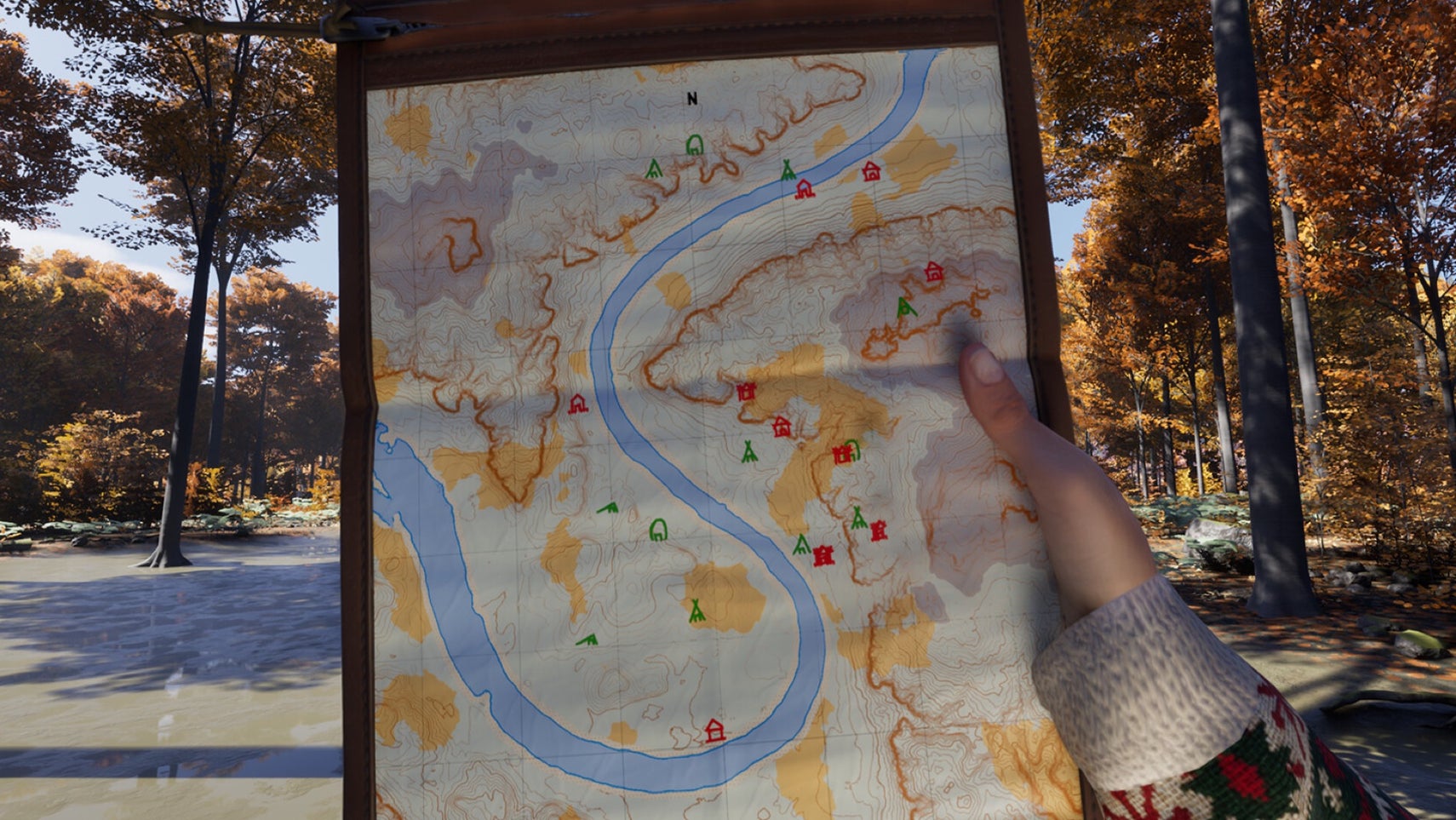
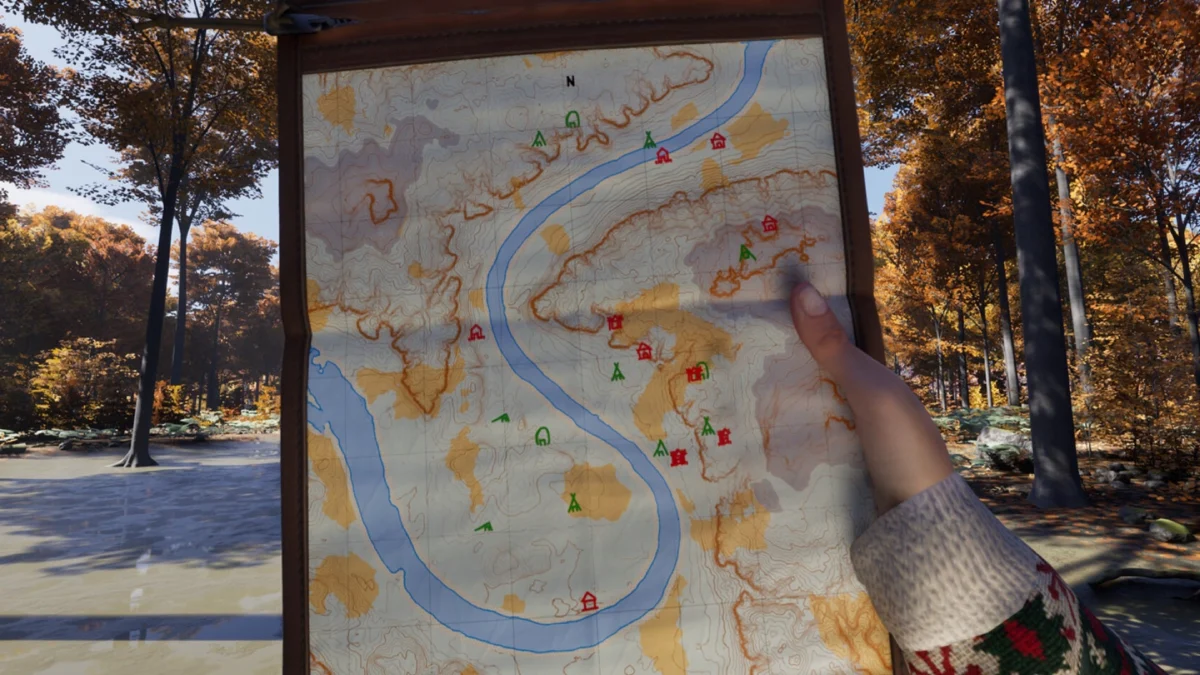
The game is a showcase for the studio’s proprietary engine technology. In the footage released alongside the announcement, players can see a character standing in a dense, autumnal forest, holding a weathered map. The visual fidelity and the sheer scale of the horizon are intended to demonstrate that the dream of a massive, seamless world is technically feasible, even if the financial path toward it has become obscured.
By releasing the project for free, Greene is effectively "open-sourcing" the experience to the community. It allows players to see the fruit of the team’s labor and provides a tangible portfolio piece for the developers who are now entering the job market. Greene stated that he is "so very proud" of what the team accomplished and expressed regret that the full journey could not be completed with the original roster.
Chronology of PlayerUnknown Productions
The timeline of the studio’s development highlights the ambitious pace at which Greene attempted to innovate:
- December 2019: Prologue is first teased at The Game Awards with a brief cinematic trailer showing a rainy forest.
- August 2021: Brendan Greene announces he is leaving Krafton to form PlayerUnknown Productions in Amsterdam.
- September 2021: Greene reveals "Project Artemis," an ambitious plan to create a planet-sized digital space using a new engine.
- 2022-2023: The studio focuses on internal R&D, growing its staff and refining the procedural generation tools.
- June 2024: Greene confirms funding struggles, announces layoffs, and releases Prologue: Go Wayback! for free as the studio pivots to a leaner operational model.
The Broader Economic Context of the Games Industry
The struggles faced by PlayerUnknown Productions are emblematic of the "funding winter" currently gripping the tech and gaming sectors. High interest rates have made the "growth at all costs" model obsolete. Investors are now prioritizing profitability and proven intellectual property over experimental "moonshot" projects.
Independent "Triple-I" (III) studios—those aiming for AAA quality with independent funding—are in a particularly precarious position. They face the high overhead of top-tier talent and advanced technology without the safety net of a diversified corporate portfolio. Other notable independent ventures have faced similar hurdles; for instance, many studios under the Embracer Group umbrella faced closures or divestment as part of a massive debt-restructuring program throughout 2023.
Furthermore, the specific niche Greene is targeting—ultra-large-scale simulation—is technically demanding and expensive. While games like No Man’s Sky and Microsoft Flight Simulator have successfully utilized procedural generation and cloud computing to create vast spaces, building a world that is both massive and high-fidelity for ground-level interaction remains one of the "holy grails" of game development.
Future Implications and Official Responses
While the reduction in staff is a setback, Greene’s message was one of resilience rather than defeat. By maintaining a smaller core team, the studio can reduce its "burn rate" while continuing to iterate on the core technology. The search for "the right partners" suggests that PlayerUnknown Productions may be looking toward a publishing deal or a technology licensing agreement rather than relying solely on venture capital.
The gaming community’s reaction to the news has been a mixture of sympathy for the affected developers and curiosity regarding the free release of Prologue. Industry analysts suggest that Greene’s reputation remains a significant asset; the man who essentially birthed a genre that generated tens of billions of dollars still commands attention. However, the shift from "Battle Royale" to "Experimental Survival Simulation" is a leap that requires a different kind of audience and investor.
In his closing remarks, Greene thanked the community for their creativity and passion. "I hope you enjoy the wilderness," he wrote, referring to the digital landscapes his team spent years crafting. For now, PlayerUnknown Productions moves into a new chapter—one that is leaner and more focused on survival, mirroring the very themes of the game they have just released. The future of Project Artemis remains uncertain, but the release of Prologue ensures that the team’s work will not be forgotten as they navigate the current industry storm.