
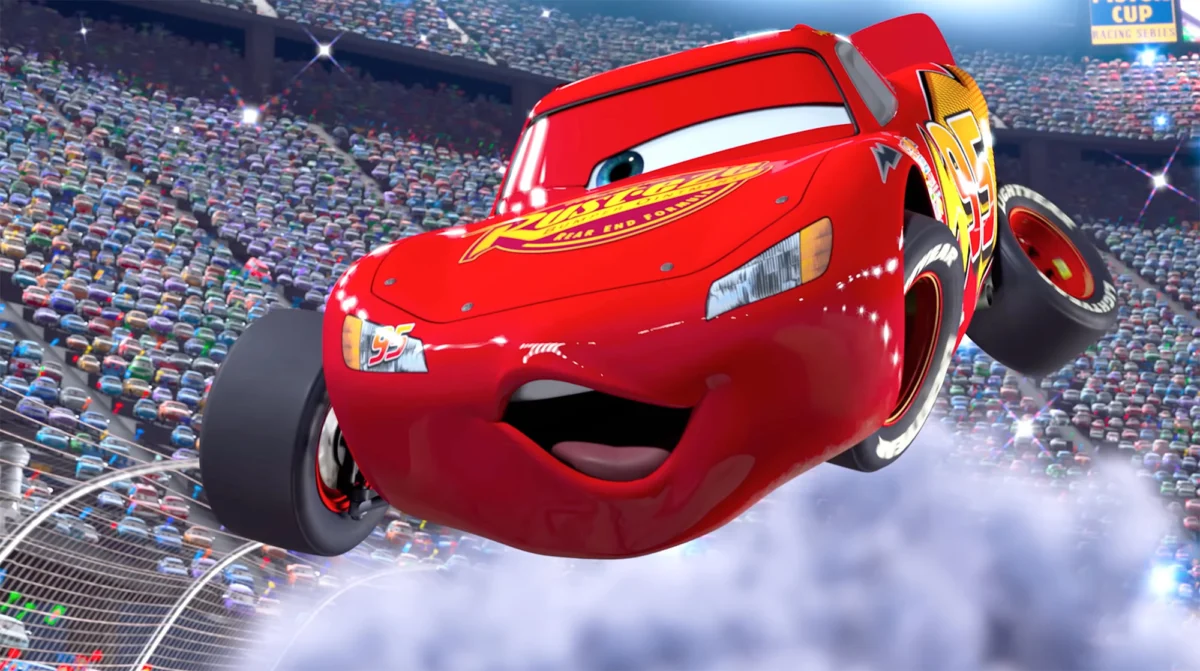
Disney and Pixar have officially announced the theatrical re-release of their beloved animated feature, Cars, in celebration of its 20th anniversary. A brand new trailer has been unveiled, signaling the return of Lightning McQueen and the charming residents of Radiator Springs to the big screen in September 2026. The original film, which first captivated audiences in June 2006, quickly established itself as a significant entry in Pixar’s esteemed filmography, despite an initially mixed critical reception. This re-release aims to rekindle nostalgia for long-time fans and introduce the timeless story to a new generation of viewers, reaffirming its enduring cultural impact and its status as a foundational piece of the multi-billion-dollar Cars franchise.
The Enduring Legacy of Radiator Springs
Released nearly two decades ago, Cars embarked on a unique narrative journey, deviating from some of Pixar’s more fantastical or human-centric tales to explore a world entirely populated by anthropomorphic vehicles. Directed by animation veteran John Lasseter, the film presented the story of Lightning McQueen, a hotshot rookie race car voiced by Owen Wilson, whose life takes an unexpected detour through the sleepy, forgotten town of Radiator Springs. This unplanned stop, initially a source of frustration for McQueen, ultimately transforms his perspective on life, competition, and the true meaning of success.
Upon its initial release in June 2006, Cars garnered a worldwide box office gross of $462 million, a substantial figure that underscored its immediate appeal to global audiences. However, critical consensus at the time was somewhat divided. While many praised its groundbreaking animation, technical artistry, and heartwarming story, some critics found it less innovative or emotionally resonant than previous Pixar masterpieces like Toy Story or Finding Nemo. Despite these initial critical nuances, the film rapidly developed a fervent fanbase, particularly among younger audiences, who were drawn to its vibrant characters, high-octane racing sequences, and the charming small-town aesthetic of Radiator Springs. Over the past two decades, Cars has cemented its place as a cherished classic, with its narrative themes of community, humility, and the importance of slowing down resonating more deeply with viewers over time. The film’s message, encapsulated in the poignant line, "I didn’t come all this way to see you quit," speaks to perseverance and the transformative power of unexpected connections.
A Journey Two Decades in the Making: The Genesis of ‘Cars’
The genesis of Cars can be traced back to the early 2000s, rooted deeply in director John Lasseter’s personal experiences and his lifelong affection for automobiles and the iconic American highway system. Inspired by a cross-country road trip with his family along historic Route 66, Lasseter envisioned a story that would celebrate the spirit of this legendary road and the quaint towns it once sustained, now bypassed by modern interstates. He wanted to capture the essence of forgotten places and the unique characters that inhabit them, translating these human experiences into a world of cars.
The production of Cars was an ambitious undertaking for Pixar Animation Studios. Animating reflective surfaces like car bodies, meticulously rendering realistic shadows, and creating a believable, vibrant world entirely composed of vehicles presented significant technical challenges. The animation team dedicated immense effort to studying the physics of car movements, the way light interacts with polished metal, and the subtle nuances that would bring these mechanical characters to life with distinct personalities and emotions. The aim was to make the cars feel alive, not just like vehicles with eyes, but as sentient beings with their own culture, history, and social dynamics. This dedication to detail resulted in a visual masterpiece that pushed the boundaries of computer-generated animation at the time, earning widespread acclaim for its technical prowess even from its initial critics.
Voice Cast: The Engine of Emotion
A critical component of Cars‘ enduring appeal lies in its stellar voice cast, which brought a rich tapestry of personalities to the screen. Leading the ensemble was Owen Wilson as Lightning McQueen, whose blend of youthful arrogance and underlying vulnerability provided the perfect arc for the character’s transformation. Accompanying him was a legendary lineup, including the late Paul Newman in his final film role as the wise and enigmatic Doc Hudson, a character whose mentorship profoundly shapes McQueen. Newman’s performance, imbued with a gravitas and warmth honed over decades, added an unexpected depth and emotional weight to the film.
The ensemble further boasted talents like Bonnie Hunt as Sally Carrera, the spirited attorney and heart of Radiator Springs; Larry the Cable Guy as the lovable, rusty tow truck Mater, who quickly became a fan favorite; Cheech Marin as Ramone, the low-rider artist; Tony Shalhoub as Luigi, the passionate Italian tire shop owner; and the incomparable George Carlin as Fillmore, the free-spirited Volkswagen bus. Even Michael Keaton lent his voice as Chick Hicks, McQueen’s rival. This diverse and talented cast not only delivered memorable performances but also imbued each character with distinct voices and mannerisms, making the automotive inhabitants of Radiator Springs feel genuinely alive and relatable to audiences of all ages. Their collective contributions were instrumental in crafting the film’s heartfelt narrative and establishing its lasting charm.
From Screen to Global Phenomenon: The ‘Cars’ Franchise Empire

The success of the original Cars transcended its box office performance, laying the groundwork for one of Disney and Pixar’s most lucrative and expansive franchises. The film’s universal themes and distinctive characters resonated globally, leading to the development of a vast universe that extends far beyond the initial movie.
The franchise expanded with two sequels: Cars 2 (2011) and Cars 3 (2017). While Cars 2 ventured into international espionage and received a more polarizing reception, Cars 3 returned to the franchise’s roots, focusing on McQueen’s legacy and the challenges of aging in a fast-paced world. Beyond the cinematic releases, the Cars universe diversified into numerous spin-offs, including the Planes film series (2013, 2014), which explored an aerial world within the same universe, and the Disney+ animated series Cars on the Road (2022), which reunited Lightning McQueen and Mater for new adventures across the country.
Perhaps the most tangible testament to the franchise’s colossal impact is its significant presence in Disney’s theme parks. Cars Land, an immersive themed area at Disney California Adventure Park, opened in 2012 to critical acclaim and immense popularity. Featuring meticulously recreated locales from Radiator Springs, including the Cozy Cone Motel and Flo’s V8 Cafe, alongside the groundbreaking "Radiator Springs Racers" attraction, Cars Land offers guests an unparalleled experience of stepping directly into the film. Similar attractions and character meet-and-greets have been integrated into other Disney parks worldwide, solidifying Cars‘ status as a cornerstone of Disney’s global entertainment empire.
The merchandising aspect of the Cars franchise has been nothing short of phenomenal. From toys and video games to apparel, school supplies, and home decor, the market for Cars-branded products has generated billions of dollars in revenue, making it one of Disney’s top-performing properties. The relatability of the characters, the appeal of racing, and the vast array of vehicle designs have made the merchandise highly desirable for children and collectors alike. This extensive ecosystem of films, series, theme park attractions, and merchandise underscores the unparalleled reach and enduring popularity of the Cars franchise, far exceeding initial expectations based solely on critical reception.
Thematic Depth Beyond the Finish Line
While often perceived as a children’s film centered around racing, Cars delves into surprisingly profound thematic territory that contributes significantly to its enduring appeal. At its core, the film is a thoughtful rumination on the clash between ambition and community, between the relentless pursuit of individual glory and the quiet satisfaction of belonging. Lightning McQueen’s journey from a self-absorbed rookie to a compassionate member of the Radiator Springs family is a classic hero’s arc, but it’s rendered with a unique automotive twist.
The film subtly champions the virtues of slowing down and appreciating the journey rather than solely focusing on the destination. Radiator Springs, a town bypassed by the modern interstate, symbolizes a simpler way of life, where genuine connections and mutual support supersede commercialism and speed. McQueen’s transformation is not merely about winning races, but about understanding the value of friendship, mentorship, and humility. He learns that true winning isn’t always about crossing the finish line first, but about the impact one has on others and the integrity with which one lives.
Furthermore, Cars touches upon themes of environmental consciousness, albeit indirectly, through its portrayal of Route 66 and the forgotten towns. It highlights the beauty of natural landscapes and the importance of preserving historical heritage, suggesting a critique of unchecked progress that disregards local communities and natural environments. The film’s exploration of aging and legacy, particularly through Doc Hudson’s backstory, adds another layer of emotional complexity, addressing how past glories can inform present wisdom and how mentorship can bridge generational divides. These deeper themes elevate Cars beyond mere entertainment, providing resonant messages that continue to connect with audiences of all ages, contributing to its lasting cultural significance.
The Re-release Trend: A Nod to Nostalgia and New Generations
The decision by Disney and Pixar to re-release Cars for its 20th anniversary is part of a broader trend within the film industry, where studios are increasingly leveraging the power of nostalgia and the demand for classic cinema experiences. In an era dominated by streaming and fragmented viewing habits, theatrical re-releases offer a unique opportunity to bring audiences back to the communal experience of movie-watching, especially for films that hold significant cultural or personal value.
These anniversary re-releases serve a dual purpose: they cater to the adult audience who grew up with the film, offering a chance to relive cherished memories on the big screen, often with enhanced picture and sound quality. Simultaneously, they introduce these beloved stories to a new generation of children who may have only seen them on smaller screens at home. For Cars, this means a fresh wave of young fans can discover the magic of Radiator Springs and the thrilling races of Lightning McQueen, potentially igniting a new wave of interest in the franchise and its extensive merchandise.
Major studios, including Disney, have successfully employed this strategy with numerous classics, ranging from animated features to live-action blockbusters, often accompanied by special events, limited edition merchandise, and updated promotional materials. The re-release of Cars in September 2026 aligns perfectly with this strategy, reinforcing its status as a timeless classic and ensuring its continued relevance in the ever-evolving entertainment landscape. It also provides a moment for reflection on the film’s journey, from its initial debut to its enduring status as a global phenomenon, celebrating its unique contributions to animation and storytelling.

Chronology: Key Milestones in the ‘Cars’ Saga
- Early 2000s: John Lasseter begins developing the concept for Cars, inspired by his love for automobiles and a cross-country trip on Route 66.
- 2005: The first teaser trailer for Pixar’s Cars is released, offering a glimpse into the animated world of sentient vehicles.
- June 2006: Cars premieres in theaters worldwide, becoming a significant box office success and launching a major franchise.
- 2006-Present: The Cars franchise expands rapidly with extensive merchandising, video games, and short films.
- 2011: Cars 2 is released, taking Lightning McQueen and Mater on an international spy adventure.
- 2012: Cars Land, an immersive themed area based on the film, opens at Disney California Adventure Park, becoming a major attraction.
- 2013: Planes, a spin-off film set in the Cars universe, is released, followed by its sequel, Planes: Fire & Rescue, in 2014.
- 2017: Cars 3 hits theaters, focusing on Lightning McQueen’s challenge against a new generation of racers and his search for a new purpose.
- 2022: The Disney+ original series, Cars on the Road, debuts, continuing the adventures of McQueen and Mater.
- June 2026: Marks the official 20th anniversary of the original theatrical release of Cars.
- September 2026: Disney and Pixar plan the theatrical re-release of Cars, accompanied by a new 20th Anniversary trailer, bringing the classic back to the big screen.
Reflecting on Two Decades: Industry and Cultural Impact
The two decades since Cars first roared onto screens have witnessed significant shifts in both the animation industry and broader popular culture. For Pixar, Cars represented a diversification of its storytelling portfolio beyond the Toy Story and Finding Nemo paradigms, proving the studio’s ability to build compelling narratives around unexpected concepts. While it didn’t receive the universal critical adoration of some of its predecessors, its massive commercial success, particularly in merchandising, undeniably strengthened Pixar’s financial standing and expanded its brand reach globally. This success paved the way for more experimental and diverse projects within the studio in subsequent years.
Culturally, Cars has left an indelible mark, especially on generations of children who grew up with Lightning McQueen, Mater, and the vibrant world of Radiator Springs. The characters have become household names, and the film’s themes of friendship, community, and the importance of personal growth continue to resonate. The sheer volume of Cars-related merchandise demonstrates its powerful connection with young audiences, transforming inanimate objects into beloved companions. For many, Cars was not just a movie; it was an entry point into the imaginative world of storytelling and the emotional depth animation could achieve.
The film’s influence also extends to the technical realm of animation. The complex rendering of metallic surfaces, the dynamic lighting, and the detailed environments set new benchmarks for CG animation at the time, inspiring future productions to push technological boundaries. Its success also reaffirmed the power of original animated stories to compete with established franchises, even as Pixar itself began to lean more heavily into sequels.
Official Statements and Anticipation
While Disney and Pixar have not released extensive official statements regarding the specific motivations behind the September 2026 re-release, the decision is clearly multi-faceted. It serves as a celebratory homage to a film that, despite its initial critical reception, has blossomed into a beloved classic and a cornerstone of one of the company’s most successful franchises. The release of a new "20th Anniversary" trailer underscores the celebratory nature of the event, aiming to stir excitement and nostalgia among existing fans.
From a strategic standpoint, a theatrical re-release allows Disney to capitalize on the enduring appeal of Cars, generating additional revenue while simultaneously reinforcing the brand for upcoming generations. It’s a calculated move to keep the franchise vibrant and relevant, especially in a competitive market where intellectual property longevity is paramount. This strategy often involves re-mastering the film for modern cinema formats, potentially offering an enhanced viewing experience that was not available during its original run.
Anticipation among fans is already building. For those who experienced Cars in theaters two decades ago, the re-release offers a cherished opportunity to revisit Radiator Springs on the big screen, perhaps with their own children, creating a generational viewing experience. For younger audiences, it’s a chance to see a foundational Pixar film in the cinematic environment it was designed for, away from the distractions of home viewing. The renewed focus on the original Cars also serves as a reminder of the film’s artistic merit and its heartwarming narrative, often overshadowed by the extensive merchandising and subsequent sequels.
Conclusion: A Timeless Ride Returns
Two decades have passed since Lightning McQueen first skidded into Radiator Springs, and in that time, Cars has transcended its initial critical reception to become a cultural touchstone and a vital component of Pixar’s legacy. Its themes of community, self-discovery, and the beauty of slowing down have resonated across generations, making it far more than just a children’s movie about talking cars. The announcement of its 20th-anniversary re-release in September 2026, accompanied by a vibrant new trailer, is a testament to its enduring popularity and its significant place in the annals of animated cinema.
As audiences prepare to once again join Lightning McQueen, Mater, and the colorful cast of Radiator Springs on the big screen, the re-release offers a moment to reflect on the film’s profound impact on the animation industry, the entertainment landscape, and the countless individuals who have been touched by its heartfelt story. It celebrates not just a film, but a phenomenon that has spun off sequels, television series, and immersive theme park experiences, cementing Cars as a timeless classic that continues to drive forward, proving that the journey truly does matter as much as the finish line.