


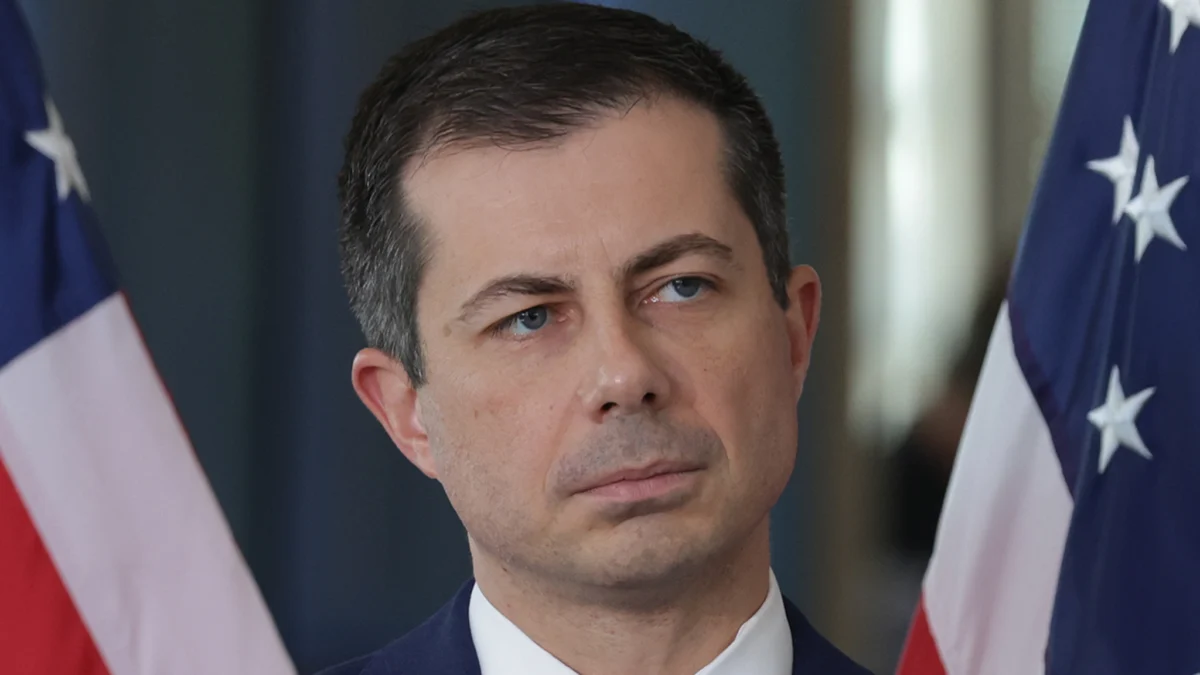
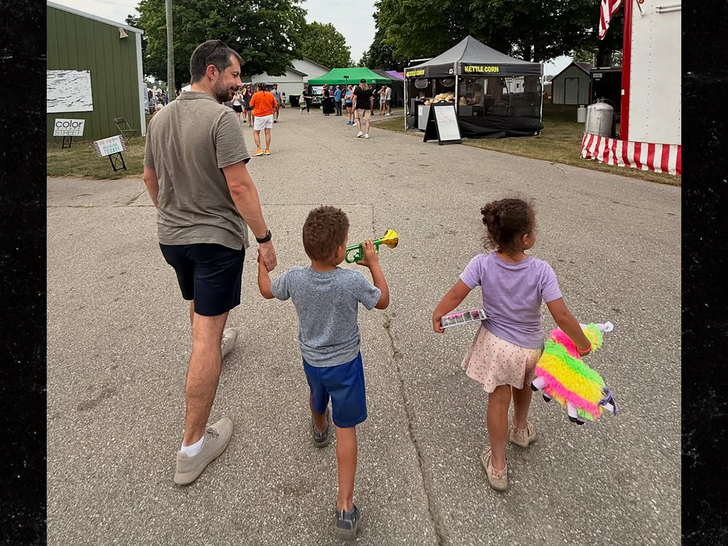
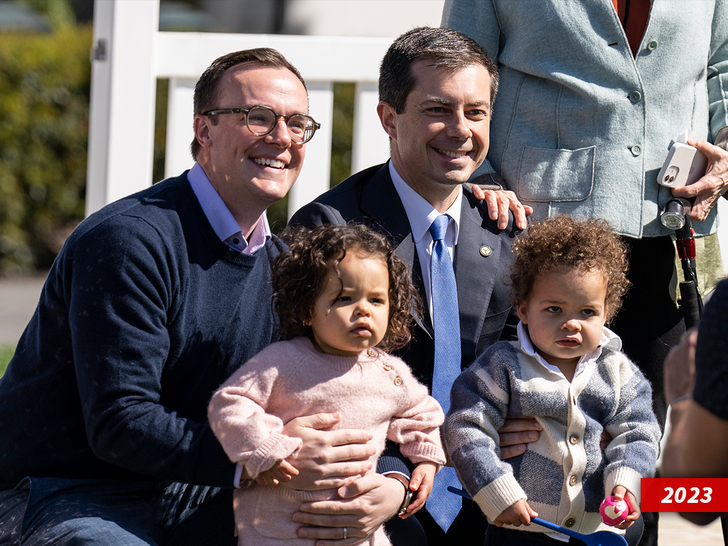
Former U.S. Transportation Secretary Pete Buttigieg recently endured what he described as "among the darkest hours of my life" after a false child abuse report was filed against him concerning his four-year-old twins. The unsettling incident, which saw law enforcement and Child Protective Services (CPS) agents arrive at his doorstep, highlights the severe emotional distress and systemic strain caused by malicious or unsubstantiated allegations within the child welfare system. The report, swiftly deemed "bogus" by Michigan State Police (MSP), forced Buttigieg’s children to spend a night away from home and exposed the vulnerabilities even public figures face when confronted with such grave accusations.
The Unsettling Knock: A Timeline of Events
The ordeal began unexpectedly a few days prior to Buttigieg’s public revelation on Friday, June 26, 2026. As detailed in a deeply personal Substack post, Buttigieg recounted the moment a police officer and a CPS worker arrived at his residence without prior notice. Their visit was prompted by an anonymous allegation regarding the welfare of his young twins. This immediate and unannounced presence, he explained, was the first unsettling indication of the gravity of the situation unfolding.
Upon learning of the accusation, Buttigieg was informed of a critical protocol: he was not permitted to be alone with his children until they could be interviewed the following day. This directive led to the immediate separation of the twins from their parents, necessitating their overnight stay at their grandparents’ home. For any parent, such a demand would be profoundly distressing, but for Buttigieg, the former presidential candidate and cabinet member, it plunged him into an abyss of confusion and despair. He articulated the profound emotional weight of this period, grappling with the idea that he stood accused of something so heinous that he was deemed a potential threat to his own children, without even knowing the specifics of the accusation or its origin.
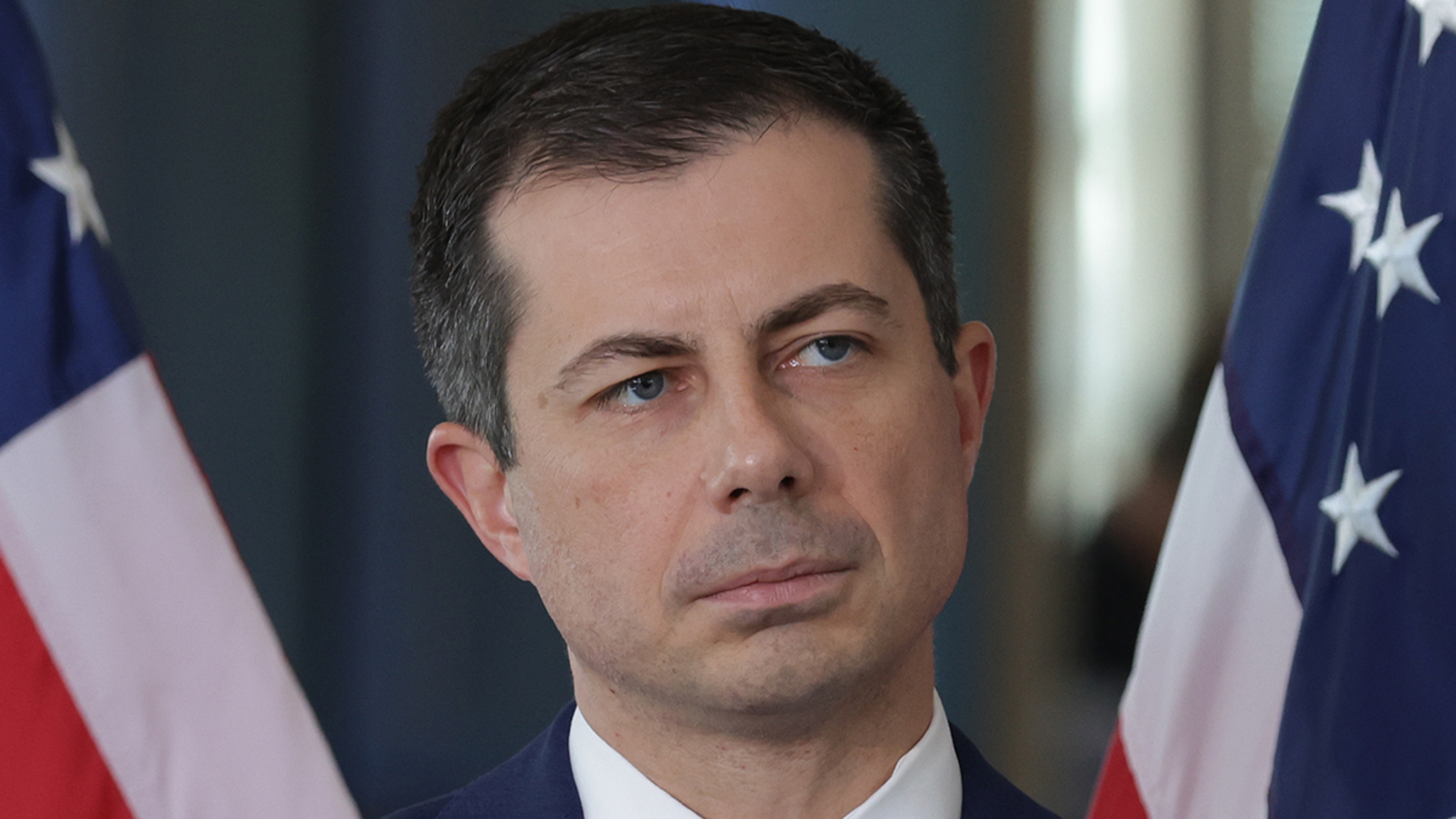
The subsequent day brought the interviews. Buttigieg learned the details of the allegation during his own interview with CPS. The claim was reportedly third-hand, originating from an individual who allegedly "had spoken to a woman" who asserted she had met Buttigieg years ago at a conference in a specific town in Alabama. This woman, according to the caller, claimed Buttigieg had confessed to "unspeakable violent crimes," leading to the belief that his children were at risk. Buttigieg vehemently denied ever having been to the specified Alabama town, instantly exposing a significant flaw in the narrative presented by the caller.
Michigan State Police, corroborating Buttigieg’s account, later issued a statement confirming that the allegation was indeed "bogus" and that their investigation had "determined the report was false." This official exoneration came as a relief but could not erase the emotional trauma inflicted during the preceding hours. Both the police and the CPS worker found no evidence whatsoever to support the sensational and utterly baseless claims made against him.
The Anatomy of a False Allegation
The nature of the false report against Pete Buttigieg is particularly insidious, blending fantastical claims with a veneer of credibility that necessitated official investigation. The alleged confession to "unspeakable violent crimes" in a location Buttigieg had never visited underscores the malicious intent or profound delusion behind the original call. Such allegations, while often easily disproven, force child welfare agencies into a difficult position. Their primary mandate is to protect children, meaning every report, regardless of initial perceived veracity, must be assessed.
The child welfare system operates under a principle of erring on the side of caution. While this approach is vital for safeguarding vulnerable children, it also creates an avenue for misuse. Anonymous or confidential reporting mechanisms, designed to protect legitimate whistleblowers, can unfortunately be exploited by individuals seeking to harass, defame, or retaliate against others. In cases involving public figures like Buttigieg, the potential for politically motivated attacks or targeted harassment becomes a stark reality.
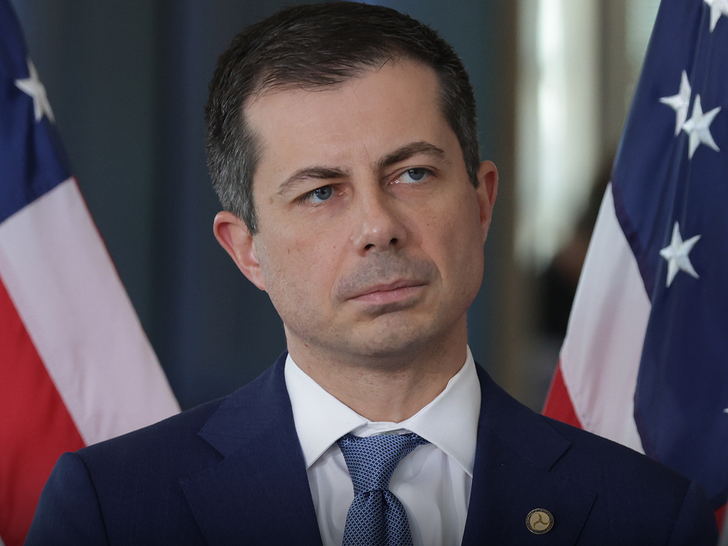
The emotional toll described by Buttigieg, where he couldn’t "get my head around the idea that I had been accused of something so serious," resonates with countless families who have faced similar, albeit less public, ordeals. The feeling of helplessness, the immediate suspicion cast upon one’s parenting, and the forced separation from children are deeply traumatic experiences that can have lasting psychological impacts. For a parent, being deemed unfit or dangerous to their own offspring is one of the most profound violations of trust and identity.
Broader Implications: The Strain on Child Welfare Systems
Buttigieg’s experience, while unique due to his public profile, sheds light on a systemic issue plaguing child protective services nationwide: the deluge of false or unsubstantiated reports. According to data from the U.S. Department of Health and Human Services (HHS), a significant percentage of child abuse and neglect referrals investigated annually are ultimately unsubstantiated. While exact figures vary by state and year, national trends consistently show that over 60% of reports do not lead to a confirmed finding of abuse or neglect. This doesn’t mean all these are malicious, but it indicates a large volume of cases where intervention is not ultimately required.
False reports, whether malicious, mistaken, or misinformed, impose an enormous burden on already stretched child welfare agencies. Caseworkers are often under-resourced and overworked, juggling high caseloads with the complex demands of investigation and family support. Every hour spent investigating a bogus claim is an hour diverted from legitimate emergencies where children might truly be at risk. As MSP rightly noted in their statement, such false claims are "dangerous" because they "divert law enforcement officers and Child Protective Services workers from responding to legitimate emergencies and protecting vulnerable children and families."
The consequences extend beyond resource allocation. The constant exposure to false accusations can contribute to burnout among caseworkers and erode public trust in the system. If the public perceives CPS as easily manipulated or prone to overreach, it can create a chilling effect, making legitimate reporters hesitant to come forward, or making families less cooperative during necessary interventions.
Legal and Ethical Frameworks Surrounding False Reporting
The legal repercussions for filing a knowingly false child abuse report vary by jurisdiction but are generally in place to deter such behavior. Many states classify filing a false report as a misdemeanor, with penalties ranging from fines to imprisonment. However, prosecution of these cases is relatively rare, often due to the difficulty in proving malicious intent beyond a reasonable doubt, or because agencies prioritize child safety over punitive measures against false reporters.
The ethical dilemma lies in balancing the need for robust child protection with the protection of individuals from malicious falsehoods. The anonymity or confidentiality often afforded to callers is crucial for encouraging reports from those who fear retaliation but also provides a shield for those with nefarious intentions. Striking this balance is a perpetual challenge for policymakers and child welfare advocates.
For public figures, the vulnerability is magnified. They exist in an environment where political opposition or personal animosity can easily translate into targeted harassment. False reports against public officials or their families are not entirely unprecedented, sometimes escalating to "swatting" incidents where emergency services are fraudulently dispatched to a person’s home. Buttigieg’s experience underscores how even the most intimate aspects of a public servant’s life can be weaponized in an increasingly polarized landscape.
A Call for Reflection and Resilience
Pete Buttigieg’s public sharing of his harrowing experience serves as a powerful testament to the emotional fragility of even the most composed individuals when faced with such personal attacks. His characterization of the event as "the ugliest thing that has happened to me since my career in service began" speaks volumes about the depth of his distress, surpassing the challenges of demanding political campaigns or high-pressure governmental roles. It highlights the unique vulnerability inherent in parenthood and the profound fear of harm to one’s children.
This incident should prompt a broader societal reflection on the mechanisms designed to protect children and the safeguards in place to prevent their abuse. While the system must remain vigilant and responsive to all reports, there is an ongoing discussion about how to improve the initial screening process for reports that exhibit clear indicators of fabrication or malice. This might involve enhanced training for intake workers, more robust cross-referencing capabilities, or clearer guidelines for identifying and flagging suspicious patterns in reporting.
Ultimately, Buttigieg and his family emerged from this ordeal with their integrity intact, and their children safe, thanks to the diligent work of the Michigan State Police and Child Protective Services in quickly disproving the baseless claims. However, the emotional scars from such an invasion of privacy and the grave nature of the accusation will undoubtedly linger. His willingness to share this intensely personal experience serves not only as a warning about the potential for malicious acts in the public sphere but also as a poignant reminder of the critical importance of maintaining a child welfare system that is both protective and judicious, capable of discerning genuine threats from baseless fabrications. The incident underscores the continuous challenge of balancing child safety with the fundamental rights and emotional well-being of families.