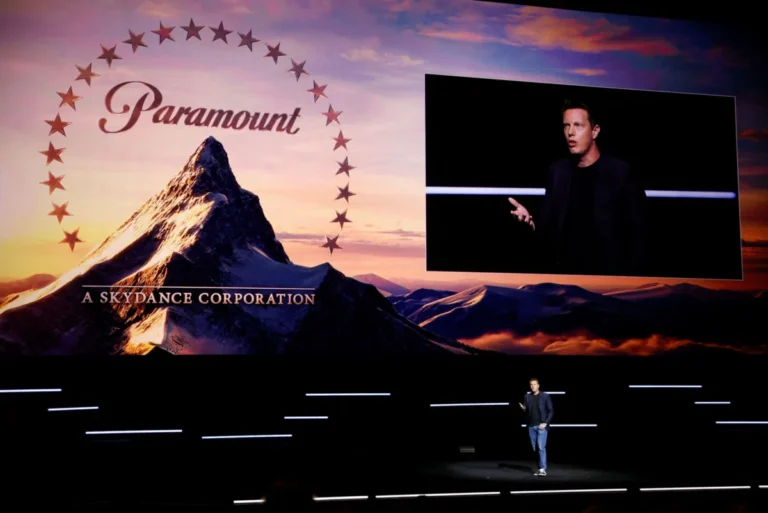
The landscape of the global entertainment industry shifted dramatically on Thursday as the board of Warner Bros. Discovery (WBD) officially designated a revised acquisition proposal from Paramount Skydance as a "superior offer," effectively ending a high-stakes bidding war with streaming giant Netflix. Following the board’s announcement, Netflix confirmed it would not exercise its right to match the offer, opting instead to walk away from a deal that would have seen it acquire WBD’s prestigious studio and streaming assets. This decision concludes a protracted period of corporate maneuvering and marks the beginning of a massive consolidation that will combine two of Hollywood’s most historic entities into a single media powerhouse.
The finalized offer from Paramount Skydance is valued at $31 per share in an all-cash transaction for the entirety of Warner Bros. Discovery. This bid represents a significant premium over the previous $30 per share offer and successfully unseats a competing proposal from Netflix, which had sought to purchase WBD’s studio and streaming divisions for $27.75 per share. Unlike the Netflix proposal, which was a carve-out of specific business units, the Paramount Skydance deal encompasses the full breadth of the WBD portfolio, including its legacy pay-TV networks such as CNN, TBS, TNT, and the Discovery Channel, alongside the HBO and Max streaming ecosystem and the iconic Warner Bros. film and television studios.
The Final Stages of the Bidding War
The resolution of this corporate battle follows a week of intense negotiations and strategic pauses. Last week, Netflix granted Warner Bros. Discovery a seven-day waiver, allowing the WBD board to re-engage in discussions with Paramount Skydance. This window was intended to provide clarity for WBD shareholders who had been navigating a sea of competing rumors and hostile bid attempts. During this period, Paramount Skydance strengthened its position by increasing its valuation and offering more robust financial guarantees.
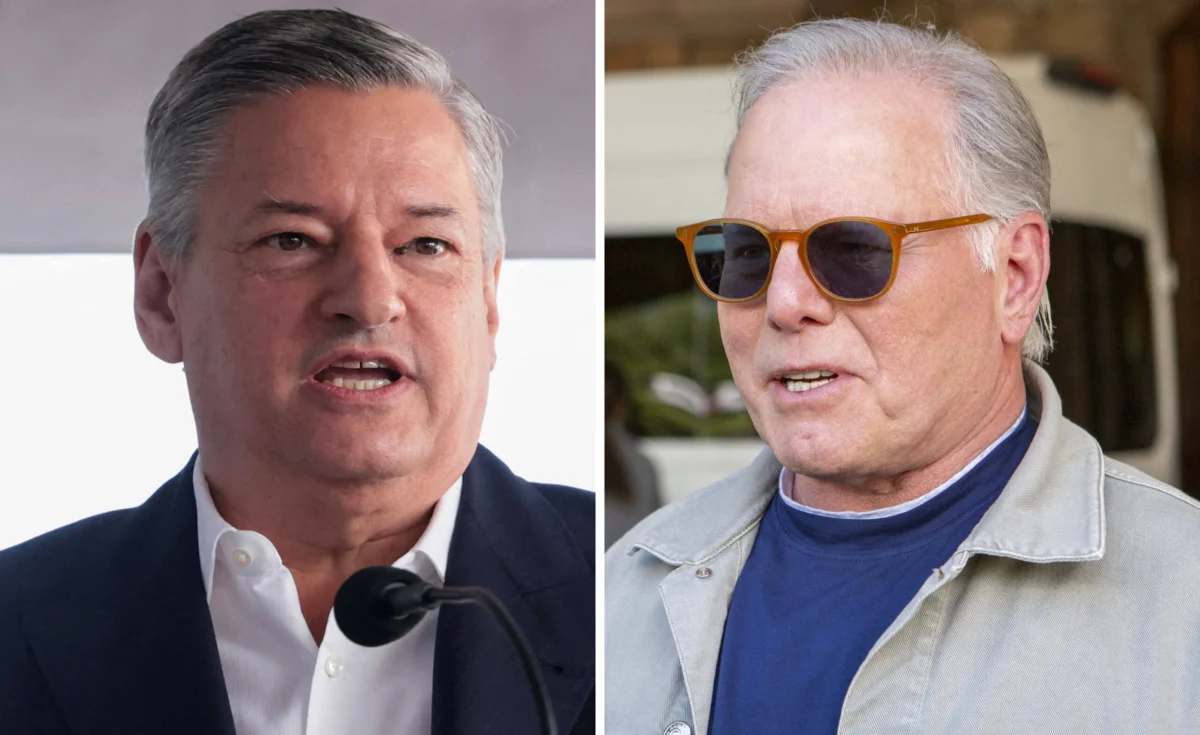
Under the terms of the existing agreement between Netflix and WBD, Netflix was granted a four-day window to respond to any offer deemed "superior" by the WBD board. However, Netflix leadership determined that the escalating price point no longer aligned with their disciplined approach to capital allocation. In a joint statement, Netflix co-CEOs Ted Sarandos and Greg Peters emphasized that while the acquisition of Warner Bros. assets was an attractive prospect, it was not a necessity at any cost. "The transaction we negotiated would have created shareholder value with a clear path to regulatory approval," the statement read. "However, we’ve always been disciplined, and at the price required to match Paramount Skydance’s latest offer, the deal is no longer financially attractive."

Market Reactions and Financial Implications
The financial markets responded immediately to the news of Netflix’s withdrawal and the impending WBD-Paramount merger. In extended trading on Thursday, Netflix shares surged by 10%. Analysts suggest this spike reflects investor relief that the streaming leader avoided a potentially overvalued acquisition that could have strained its balance sheet. Conversely, Paramount stock rose by 5%, buoyed by the prospect of increased scale and a more competitive library of intellectual property. Warner Bros. Discovery shares, however, saw a slight decline of 2%, as the market began to price in the complexities of a total company merger and the regulatory hurdles that lie ahead.
The financial structure of the Paramount Skydance bid includes significant protections for Warner Bros. Discovery. Most notably, the offer includes a $7 billion "reverse breakup fee," which Paramount would be required to pay WBD if the merger fails to receive necessary regulatory approvals. Additionally, Paramount has agreed to cover the $2.8 billion breakup fee that WBD now owes to Netflix for terminating their previous preliminary agreement. These figures underscore the level of commitment Paramount Skydance has toward finalizing the union, despite the anticipated scrutiny from federal antitrust regulators.
A Timeline of the Consolidation Saga
The path to this merger has been characterized by aggressive tactics and shifting alliances. The timeline of the deal reflects the volatility of the current media environment:
- Late 2025: Paramount Skydance initiates a hostile bid for Warner Bros. Discovery after initial friendly merger talks stall. The move sends shockwaves through the industry, signaling a period of forced consolidation.
- January 2026: Netflix enters the fray, proposing a deal to acquire only the "crown jewels" of WBD—the Warner Bros. Studios and the Max streaming platform—while leaving the declining linear television assets behind.
- Early February 2026: WBD enters into a preliminary agreement with Netflix at $27.75 per share, sparking concerns among some shareholders about the future of the remaining "linear" company.
- February 17, 2026: Netflix grants WBD a seven-day waiver to entertain a revised, all-encompassing bid from Paramount Skydance, aiming to resolve shareholder confusion.
- February 24, 2026: Paramount Skydance raises its bid to $31 per share, all-cash, for the entire company.
- February 26, 2026: The WBD board formally declares the Paramount offer superior. Netflix declines to match the bid and officially withdraws.
Strategic Rationale and Leadership Perspectives
For Warner Bros. Discovery CEO David Zaslav, the merger with Paramount Skydance represents a path toward creating a "content behemoth" capable of rivaling Disney and Netflix in terms of global reach and library depth. In a statement released Thursday, Zaslav expressed optimism about the future: "Once our Board votes to adopt the Paramount merger agreement, it will create tremendous value for our shareholders. We are excited about the potential of a combined Paramount Skydance and Warner Bros. Discovery and can’t wait to get started working together telling the stories that move the world."
Zaslav also took a moment to acknowledge the professionalism of the Netflix executive team, including Ted Sarandos, Greg Peters, and CFO Spencer Neumann, noting that they had been "extraordinary partners" throughout the negotiation process.

The "discipline" cited by Netflix leadership is a recurring theme in the company’s recent strategy. Having successfully pivoted to a model of sustained profitability and free cash flow generation, Netflix appears unwilling to jeopardize its financial health for legacy assets, even those as storied as Warner Bros. During a recent interview with CNBC’s Julia Boorstin, Ted Sarandos noted that the pursuit of WBD was a "nice to have," but emphasized that Netflix’s current trajectory of organic growth remains strong.
Regulatory Challenges and Political Context
Despite the board’s approval, the road to a combined Paramount-WBD entity is fraught with regulatory challenges. The merger would unite two of the "Big Five" major film studios and bring a massive share of the domestic cable television market under one roof. Analysts expect the Department of Justice (DOJ) and the Federal Trade Commission (FTC) to scrutinize the deal for potential impacts on competition in both the theatrical distribution and streaming sectors.
Interestingly, the news broke as Ted Sarandos was reportedly attending meetings at the White House. While the specific nature of these discussions was not fully disclosed, industry observers speculate that the broader implications of media consolidation on American jobs and cultural influence are high on the administration’s agenda. In their closing statement, Sarandos and Peters touched on these concerns, suggesting that a Netflix-WBD deal would have "preserved and created more production jobs in the U.S." by integrating WBD’s production capabilities into Netflix’s global distribution machine.
The Future of the Combined Entity
If approved, the merger will create a media giant with an unparalleled portfolio. The combined company would own the rights to the DC Universe, Harry Potter, Game of Thrones, and the Looney Tunes, alongside Paramount’s Mission: Impossible, Star Trek, and Top Gun franchises. The integration of Max and Paramount+ would create a streaming service with a library that could potentially surpass Disney+ in terms of adult-oriented prestige content and live news and sports.
The inclusion of CNN in the deal is particularly noteworthy. As a global news leader, CNN’s future has been a subject of much speculation during WBD’s tenure. Under the Paramount Skydance umbrella, there is potential for a renewed focus on integrating live news into the streaming experience, a strategy that both companies have experimented with in recent years.

However, the merger also raises questions about the future of linear television. Both WBD and Paramount possess extensive portfolios of cable networks that are facing headwinds from the ongoing "cord-cutting" trend. The combined entity will need to find a way to manage the decline of these cash-generating assets while aggressively scaling its digital future.
Conclusion
The withdrawal of Netflix from the bidding for Warner Bros. Discovery marks a pivotal moment in the "streaming wars." It signals a shift from a period of frantic acquisition to one of calculated consolidation and financial rigor. While Paramount Skydance has emerged as the victor in this phase, the ultimate success of the deal will depend on its ability to navigate a complex regulatory environment and integrate two massive corporate cultures. For now, the industry watches as the foundation is laid for what could become the most significant media merger of the decade, reshaping how stories are told and distributed on a global scale.