

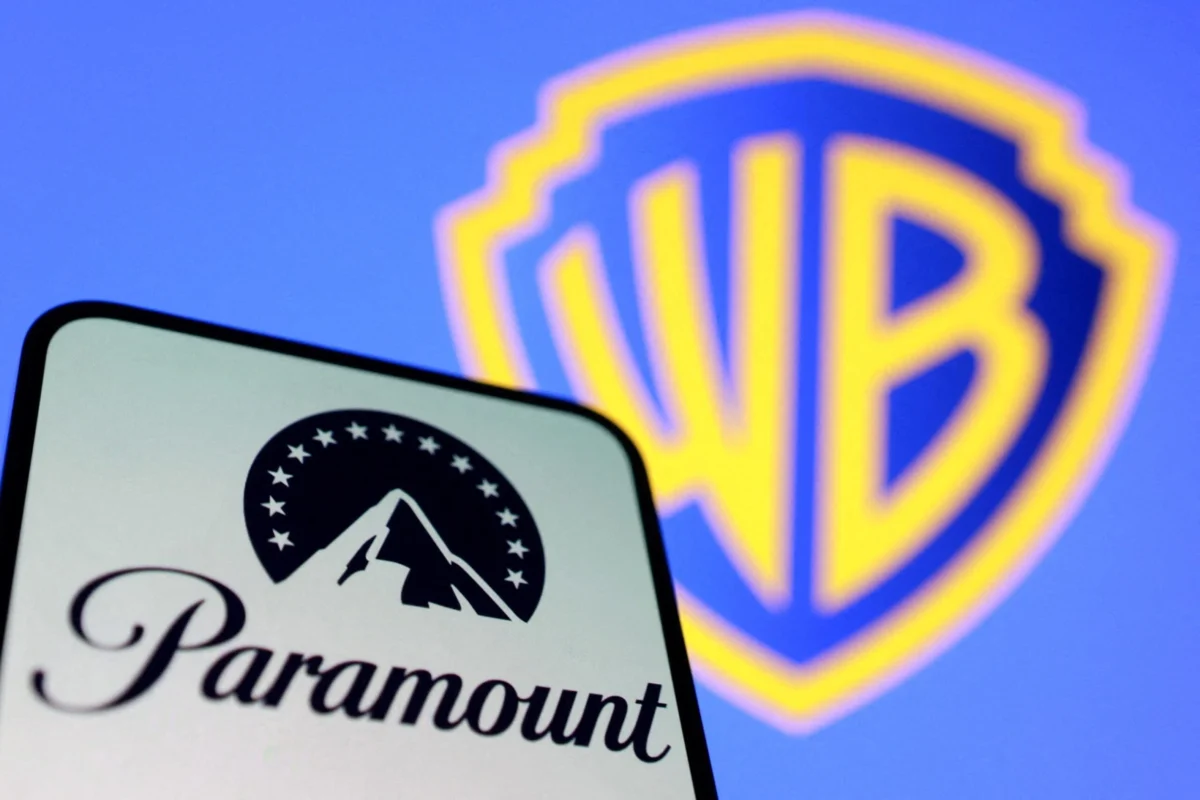
The proposed $110 billion merger between Paramount Skydance and Warner Bros. Discovery has reached a critical juncture, with legal representatives from Paramount scheduled to meet with the California Attorney General’s office this Monday. The meeting, first reported by The New York Times, represents a concerted effort to navigate a path toward a potential settlement in an ongoing antitrust lawsuit that currently threatens to derail one of the most significant media consolidations in history.
The pressure to resolve the legal impasse has intensified significantly over the last several weeks. High-profile figures, including California Governor Gavin Newsom and Los Angeles Mayor Karen Bass, have publicly signaled a desire for a resolution, as has the Directors’ Guild of America. Despite this momentum, sources close to the discussions have cautioned that these talks remain preliminary, and there is no guarantee that they will yield a definitive settlement agreement.
The Conflict Over Antitrust Concerns
At the heart of the dispute is the lawsuit filed in July by a coalition of 12 state attorneys general. The suit alleges that the consolidation of two of the entertainment industry’s most storied film studios and their respective streaming platforms—Paramount+ and HBO Max—would create an anticompetitive behemoth. California Attorney General Rob Bonta has been a vocal critic of the deal, arguing that it would lead to higher consumer prices, diminished content variety, and a reduced quality of service across both linear television and digital streaming.
Bonta, speaking to CNBC on Saturday, emphasized a preference for resolving the dispute in the boardroom rather than the courtroom. However, he maintained a firm stance regarding the necessity of structural concessions. "We are willing to meet if the opposing party in litigation wants to meet in good faith to make a sincere effort to resolve the case," Bonta stated. He clarified that any productive dialogue must include "robust structural remedies" that directly address the specific antitrust concerns outlined in the state’s complaint.
Bonta has previously expressed frustration with Paramount’s approach to negotiations. During a recent interview with CNBC’s David Faber, the Attorney General criticized Paramount for attempting to steer conversations toward peripheral issues such as the streaming market, the status of CNN, or the opinions of foreign regulators—none of which are the primary focus of the state’s antitrust litigation. Instead, Bonta insisted that the focus must remain on the three specific markets where the state alleges illegal monopolistic behavior.
A Chronology of the Mega-Merger
The path to this potential merger has been fraught with regulatory and legal hurdles since the deal was first proposed.
- June 2026: The U.S. Department of Justice’s antitrust division officially cleared the merger, providing an early win for the companies involved.
- July 2026: The European Commission granted its regulatory approval, signaling international consensus that the deal did not violate European market competition standards.
- July 2026: A coalition of 12 state attorneys general, led by California, filed a lawsuit to block the deal, citing concerns over market dominance in the U.S.
- Late July 2026: Paramount agreed to delay the acquisition until as late as June 2027 to accommodate the mounting legal challenges, with a trial date set for March.
- August 2026: Growing political pressure from state and local leaders prompted a new round of exploratory settlement discussions between Paramount and the California Attorney General.
Financial Implications and Ticking Fees
The financial stakes of the deal are immense. Beyond the $110 billion valuation, the parties are operating under a restrictive timeline that imposes significant financial penalties for delays. If the transaction is not finalized by September 30, Paramount is contractually obligated to pay a "ticking fee" to Warner Bros. Discovery shareholders. This fee is estimated at approximately $650 million in cash value per quarter, a recurring cost that incentivizes a swift resolution to the legal challenges.
Furthermore, should the deal collapse entirely, the breakup fee is set at $7 billion. This massive liability underscores the desperation on both sides to find a path forward. The financial pressure is compounded by the fact that both studios are navigating a volatile media landscape where traditional cable television revenues are in steady decline, and streaming platforms are under increasing pressure to demonstrate profitability.
Industry Impact and Labor Concerns
The opposition to the merger extends beyond state regulators. Labor unions, including the Writers Guild of America, have raised significant alarms regarding the potential for massive job losses. In an industry already reeling from years of disruption due to technological shifts and previous strikes, the fear is that a combined entity would pursue aggressive cost-cutting measures, leading to redundant roles and a shrinking creative workforce.
Prominent Hollywood actors and directors have also voiced their concerns, fearing that a consolidated studio environment would limit the number of buyers for creative projects, thereby reducing bargaining power for talent. This sentiment is echoed by consumer advocacy groups who argue that the consolidation of the largest portfolio of TV networks in the U.S. would reduce the leverage that basic cable distributors have in negotiating carriage fees, ultimately passing higher costs onto the American household.
Analyzing the Path Forward
For a settlement to be reached, Paramount will likely need to offer significant divestitures or structural changes to its business model. Historically, in cases involving media mergers, regulators have required companies to sell off specific assets—such as regional sports networks, specific cable channels, or production units—to ensure that the remaining entity does not hold an unfair share of the market.
However, the specific "three markets" Bonta alluded to remain the primary obstacle. If the Attorney General is focused on specific, localized, or niche television markets, the remedies required could be more complex than simply selling off a single network. Paramount’s previous attempts to discuss the broader streaming landscape suggest that they are looking for a comprehensive, deal-saving compromise, whereas the state is looking for granular, enforceable commitments that protect competition.
The upcoming meeting on Monday is viewed by industry analysts as a "make-or-break" moment. If Paramount arrives with concrete, structural remedies that address the state’s specific antitrust concerns, the parties could move toward a consent decree that would allow the merger to proceed under strict supervision. If, however, the meeting devolves into a repeat of previous discussions—where the two sides talk past one another—the likelihood of the case proceeding to the scheduled March trial increases significantly.
Conclusion: The Future of Media Consolidation
The Paramount-Warner Bros. Discovery case serves as a litmus test for the current regulatory environment in the United States. Under the current administration and with state-level officials taking a more aggressive stance on antitrust enforcement, large-scale media mergers are facing unprecedented levels of scrutiny.
As the industry watches, the resolution of this dispute will likely set a precedent for how future entertainment mergers are evaluated. For now, the stakeholders remain in a state of suspended animation, awaiting the outcome of Monday’s discussions. Whether the parties can bridge the divide between corporate ambition and regulatory caution remains to be seen, but the outcome will undoubtedly reshape the landscape of American media for years to come.