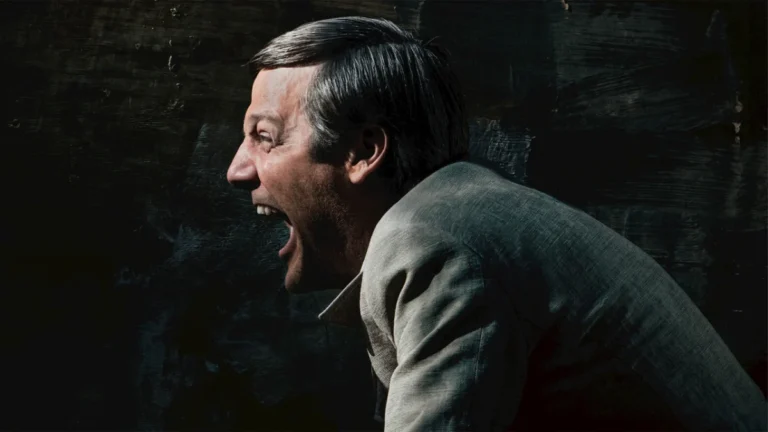

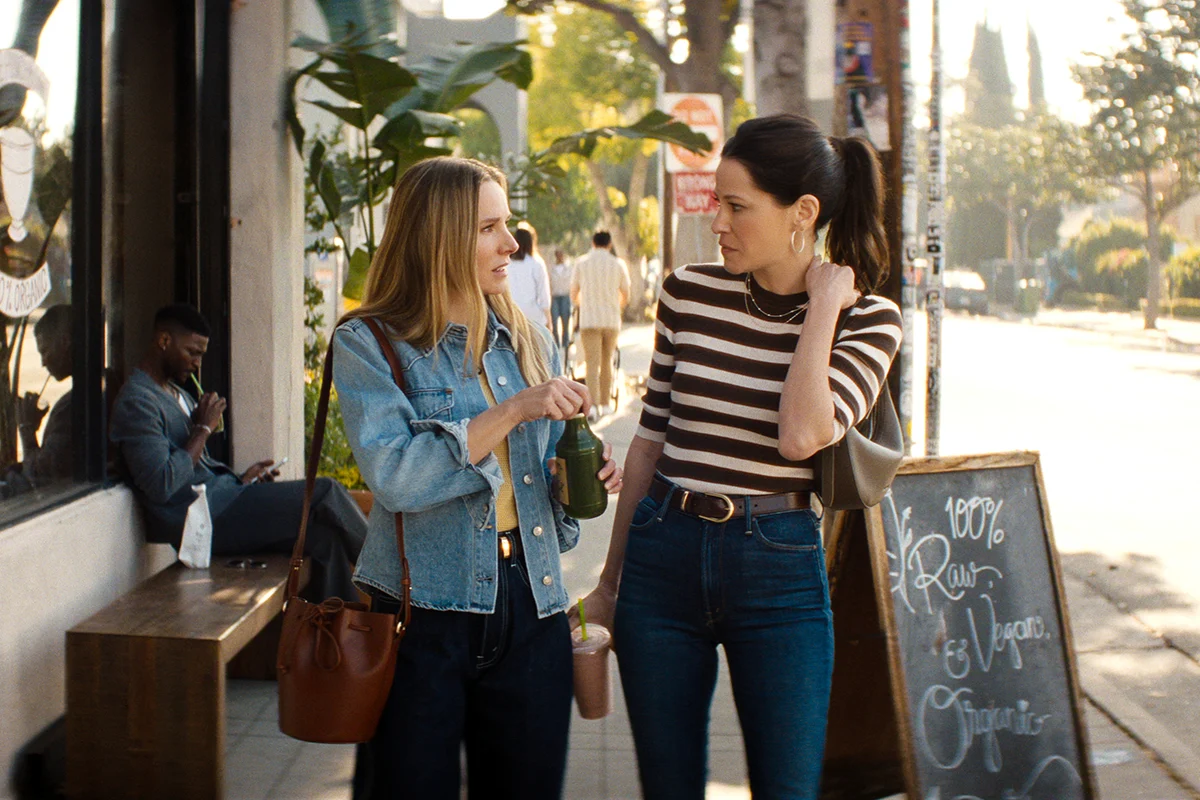
Netflix has officially confirmed that the third season of its hit romantic comedy series, Nobody Wants This, is scheduled for a global premiere on Thursday, October 22, 2026. This announcement, accompanied by a curated selection of first-look photography and promotional art, signals the continuation of the narrative surrounding the unlikely pairing of podcast host Joanne and Rabbi Noah. As the series moves into its third installment, it enters a critical phase of character development, transitioning from the initial friction of mismatched backgrounds toward the complexities of long-term cohabitation.

Chronology and Production History
The trajectory of Nobody Wants This has been marked by rapid audience adoption and critical interest. Following its initial release, the series quickly ascended Netflix’s Top 10 lists, demonstrating significant cultural resonance and proving that the "enemies-to-lovers" trope, when updated for a modern, secular-versus-religious context, remains a viable engine for streaming engagement.
The production timeline for the third season was accelerated following the positive performance metrics observed after the conclusion of Season 2. By April 2026, casting updates confirmed that the ensemble would expand to include industry veterans such as Sarah Silverman, Andrew Rannells, and Keyla Monterroso. This strategic expansion of the cast suggests a broader scope for the series, moving beyond the central romance to explore the supporting characters’ individual arcs more deeply. The production team, led by showrunner Jenni Konner and creator Erin Foster, has spent the intervening months refining the narrative trajectory to ensure that the 10-episode arc maintains a consistent tonal identity.
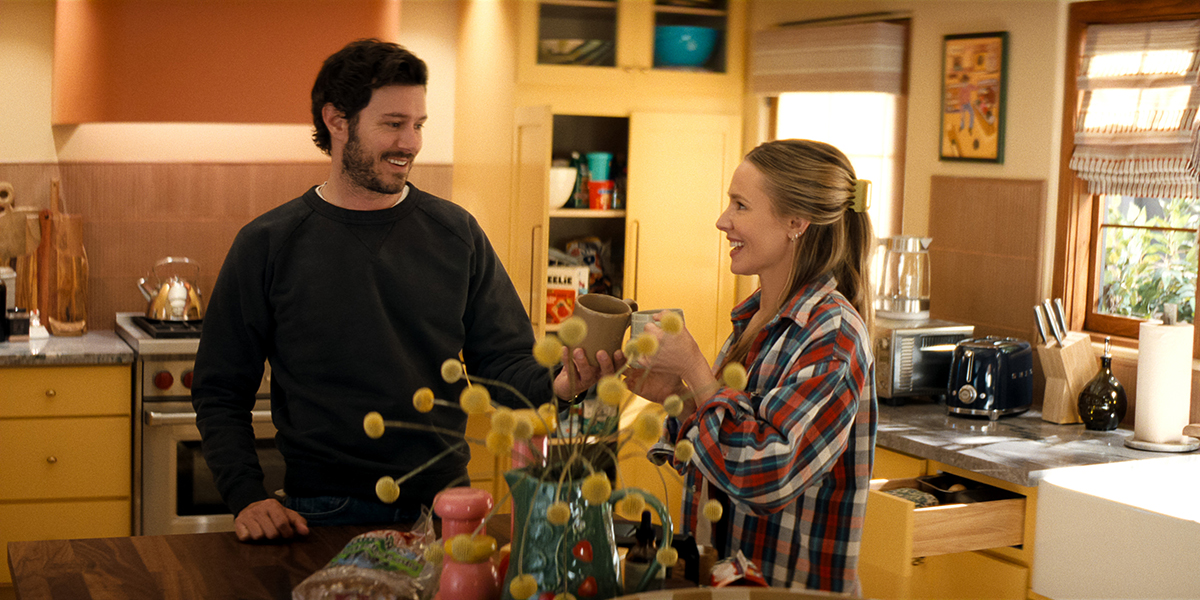
Narrative Shift: From Tension to Domesticity
A primary shift in the narrative architecture for the upcoming season is the departure from the "will-they-won’t-they" dynamic that characterized the initial episodes. In the television landscape, the transition from romantic pursuit to established couplehood is often considered a significant "jump-the-shark" risk; however, the creative team behind Nobody Wants This has opted to lean into the nuances of domestic integration.
According to official production notes, Season 3 will focus on the logistical and emotional realities of Joanne and Noah moving into a shared residence. This narrative choice allows the writers to pivot from external, cultural conflict—the friction between a secular woman and a traditional religious leader—to internal, interpersonal growth. By settling the couple into a domestic environment, the show aims to explore the "firsts" of building a life together, a trope that, while traditional, is being framed through the lens of modern, high-stakes professional lives in Los Angeles.
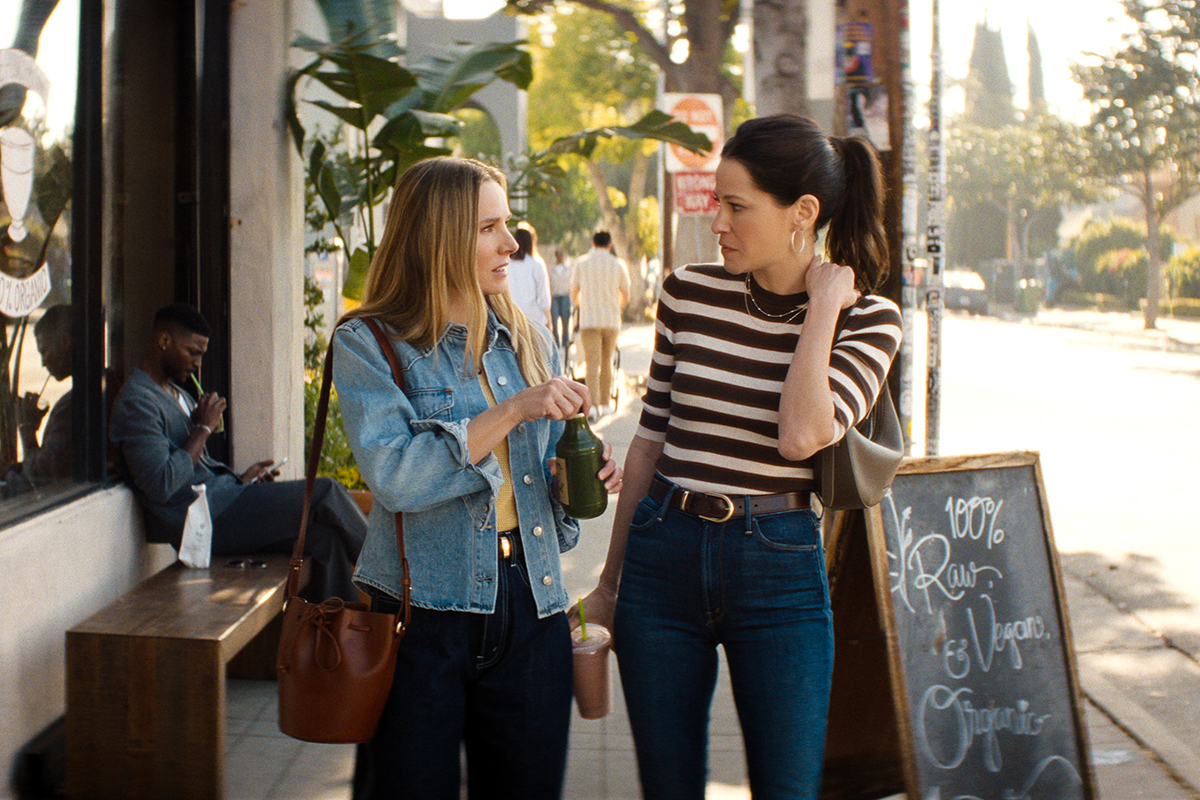
The "Champagne" Creative Vision
Behind the scenes, the creative direction for the third season has been guided by an internal mantra described as "Champagne." Creator Erin Foster and showrunner Jenni Konner have articulated that this descriptor serves as a filter for all narrative decisions. In a production environment where focus-group testing and data-driven storytelling are common, the "Champagne" mandate acts as a stylistic constraint intended to preserve the show’s effervescent, lighthearted, and aspirational quality.
This guiding principle appears designed to counteract the potential for "relationship anxiety" that often bogs down long-running romantic comedies. By explicitly rejecting storylines that do not fit this "bubbly" and "elevated" aesthetic, the showrunners are signaling a commitment to a specific tone that prioritizes the chemistry between Kristen Bell and Adam Brody over manufactured dramatic crises.
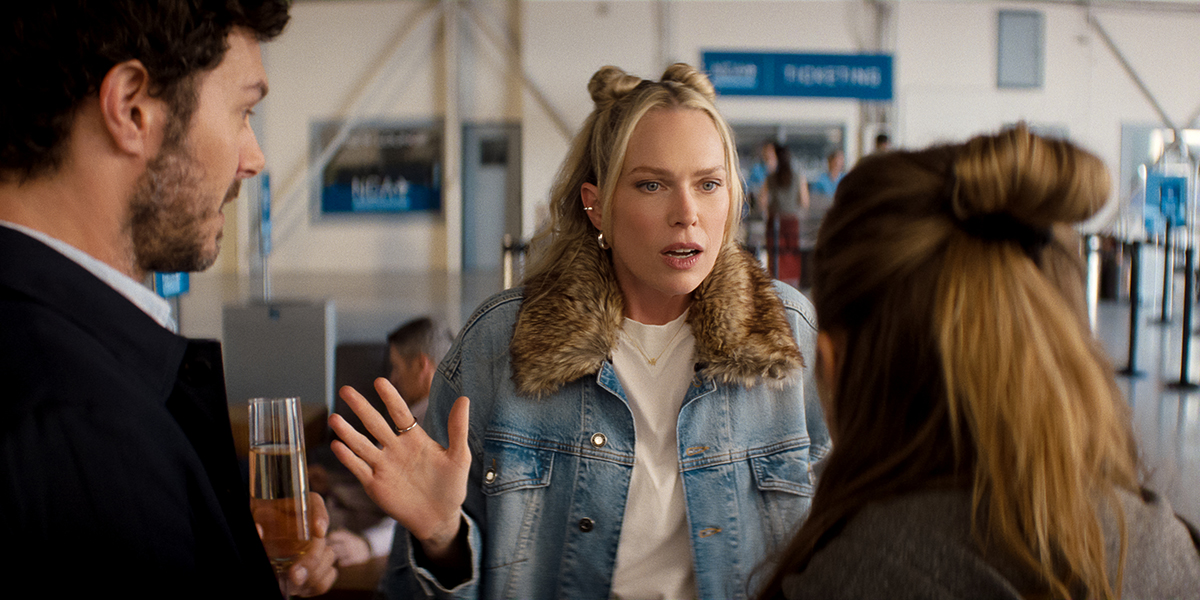
Secondary Arcs and Character Dynamics
While the central couple navigates their new living situation, the secondary characters face significant upheaval, particularly in the wake of the Season 2 finale. The separation of Sasha and Esther serves as a catalyst for a narrative reset, effectively returning two key characters to the dating pool. This shift is expected to generate significant plot movement, particularly regarding the relationship between Sasha and Morgan.
For seasons, the show has teased an underlying, unresolved tension between these two characters. With the dissolution of Sasha’s marriage, the barriers to this potential union have shifted. Industry analysts suggest that addressing this "unspoken thing" will be a central pillar of the season’s mid-arc conflict, providing a necessary counterweight to the domestic stability of the protagonists.

Simultaneously, Morgan’s character arc is poised for professional expansion. As the podcast that serves as the show’s namesake continues to gain traction, the narrative will follow her efforts to define herself independently of her sister. This subplot reflects a common trend in contemporary dramedies: the emphasis on individual career autonomy as a complement to romantic fulfillment.
Analysis of Episode Titles and Thematic Indicators
The reveal of the episode titles provides a roadmap for the season’s trajectory. Titles such as "Housewarming" confirm the move-in premise, but the recurring matrimonial motifs—specifically "The Wedding Planners," "Brian’s Wedding," and the linguistic play on "I Jew"—suggest that the season will culminate in a significant event.

From a structural standpoint, these titles hint at an arc that moves from the establishment of a home ("Housewarming") to the negotiation of religious and cultural identity ("I Jew") and potentially toward formal commitment. The inclusion of "Heatwave" and "Last Christmas" suggests that the season will traverse a significant timeframe, likely mirroring the passage of a calendar year, which allows the series to utilize seasonal tropes to drive character development. The "I Jew" title, in particular, implies that the show is prepared to tackle the complexities of conversion and religious identity, which have been underlying themes since the series’ inception.
Industry Context and Strategic Positioning
Netflix’s decision to schedule the series for late October is a strategic move that places the show in the heart of the fall viewing window. By launching during this period, the platform aims to capture the audience shift toward more "cozy" or "comfort" programming as temperatures drop in Northern Hemisphere markets.

Furthermore, the involvement of 20th Television and a robust team of executive producers—including Kristen Bell and Steven Levitan—indicates a significant investment in the show’s long-term viability. The series has become a flagship for Netflix’s romantic comedy vertical, and its success is a primary indicator of the platform’s ability to sustain interest in character-driven narratives over multiple seasons.
Broader Implications for the Genre
The success of Nobody Wants This is emblematic of a broader trend in television: the return of the serialized romantic comedy. Following a decade dominated by high-concept science fiction and gritty true-crime adaptations, streamers are increasingly investing in "low-stakes" content that provides a consistent emotional experience for viewers.
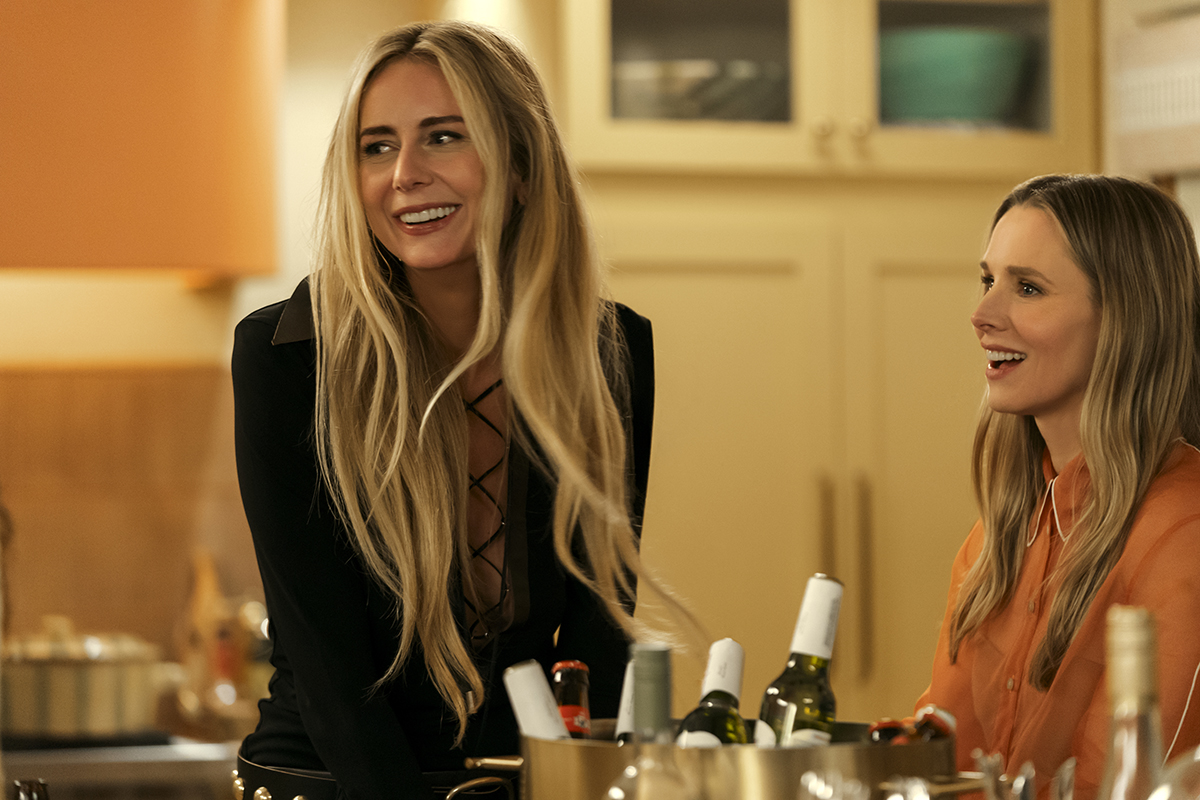
The emphasis on "Champagne" vibes and the careful curation of the characters’ evolution suggests that the producers understand the audience’s desire for escapism. As the series moves into its third season, the challenge will be to balance this lighthearted tone with the increasing complexity of the characters’ lives. If the show successfully navigates the transition into long-term commitment without losing the spark of its initial premise, it will likely secure its position as a genre staple for the remainder of the decade.
Conclusion and Looking Ahead
With the premiere date of October 22, 2026, firmly set, the marketing machinery for the third season is now fully operational. The release of the first-look photos—showcasing everything from kitchen-table conversations to airport terminal confrontations—serves to reassure the audience that the familiar aesthetic and interpersonal dynamics of the first two seasons remain intact.

The inclusion of new talent and the refinement of the core character arcs suggest that the production is not resting on its previous successes. By moving the characters into a new phase of life while maintaining the tonal consistency that made the show a hit, the team behind Nobody Wants This is positioning the third season as the most definitive chapter of the story yet. Fans and critics alike will be watching closely to see if the "Champagne" vision translates into the season-long arc that the show’s momentum demands.