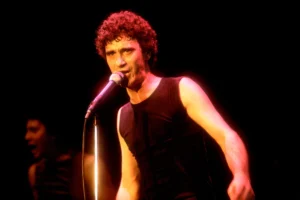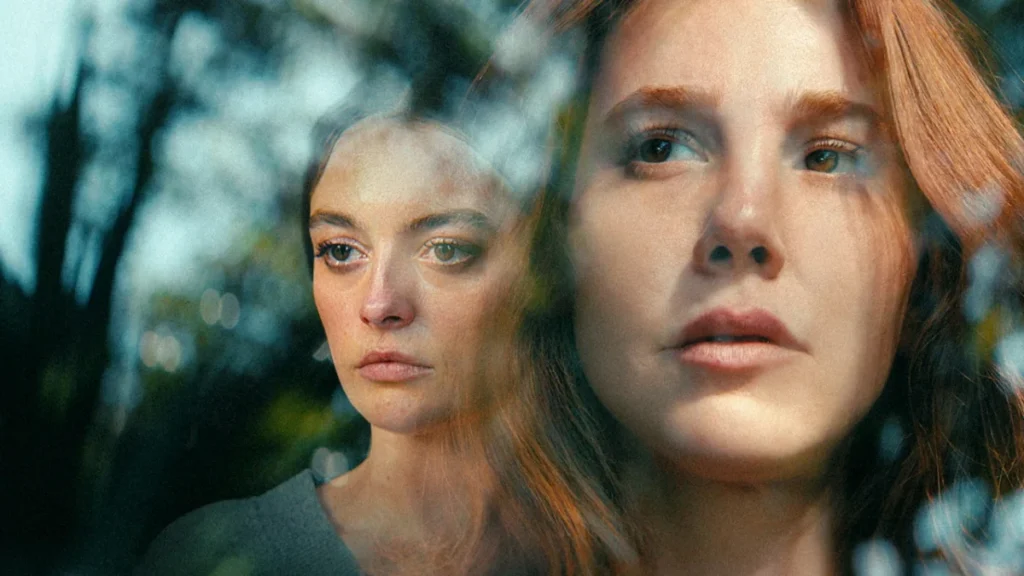



Michael Maxxis’s documentary feature, Gail, offers an unflinching examination of the intersection between personal identity and musical obsession. The 92-minute film centers on Gail E. Lichtman, a Bronx-based New York City transit worker whose life is defined by a singular, persistent devotion to the Canadian alternative rock band Our Lady Peace (OLP). Through the lens of director Michael Maxxis, the project evolves from a standard music documentary into a complex psychological portrait, drawing inevitable comparisons to the seminal 1975 documentary Grey Gardens for its intimate, sometimes uncomfortable, look at eccentric isolation.
The Life of a Superfan
The narrative establishes Gail’s daily reality within the confines of her professional life. As a long-term subway station agent, she occupies a glass-walled booth—a setting that physically and metaphorically represents her isolation. Her work environment is characterized by repetitive cycles and the observation of a transient public, a stark contrast to the fervor she experiences while following Our Lady Peace across international borders.
Maxxis captures the juxtaposition of these two worlds by highlighting the clutter of Gail’s home, where memorabilia—concert shirts, CDs, and assorted ephemera—is stored in makeshift cardboard boxes. This lack of archival curation serves as a visual metaphor for the "manic magpie" nature of her fandom. Over the course of the film, it is revealed that Gail has attended more than 100 Our Lady Peace performances. Her journey takes her from her home in the Bronx to various small-town Canadian arenas, often navigating the logistical and financial burdens of such frequent travel with a mixture of obligation and anxiety.
Chronology and Production Context
The development of Gail involved a collaborative effort between the director and the band members themselves, who served as executive producers on the project. The production team also included Jason Reitman and Jason Blumenfeld, the duo responsible for the 2024 film Saturday Night. This pedigree suggests a focus on narrative structure that elevates the film beyond the standard concert documentary format.
Throughout the production, Maxxis utilized a technique that obscures the band members themselves, often filming them in dreamlike, slow-motion sequences or from the perspective of the audience. This creative choice emphasizes that the film is not a biography of Our Lady Peace, but rather a study of their influence on a specific individual. The atmospheric score, composed by Lesley Barber with orchestration by Eric Rosse, acts as the film’s emotional anchor, shifting between melancholic introspection and the frenetic energy of live musical experience.
The Anatomy of Parasocial Relationships
At its core, the documentary probes the psychological phenomenon of the parasocial relationship—a one-sided bond where a fan invests significant emotional energy into a public figure who remains unaware of or detached from the individual’s personal life. The film observes how, for some, these relationships provide a necessary sense of community and purpose. However, Maxxis does not shy away from the more difficult aspects of this dynamic.
The documentary provides a clinical look at how the lines between reality and fantasy blur. As the film progresses, the viewer observes instances where the transient thrill of a concert gives way to the "darker clouds of ennui." The narrative arc suggests a progression from enthusiastic fandom to a sense of entitlement and ownership, where the subject begins to expect a deeper level of engagement than the band is equipped or willing to provide. These moments of friction—where the reality of the fan-artist boundary is tested—are presented without exploitation, allowing the audience to draw their own conclusions regarding the sustainability of such connections.
Supporting Data and Cultural Impact
The phenomenon of extreme fandom, often referred to as "stanning" in contemporary vernacular, has grown exponentially with the advent of social media, yet the roots of this behavior are well-documented in sociological research. Studies on parasocial interactions indicate that such bonds often flourish among individuals experiencing social isolation or those seeking a sense of belonging that is absent in their day-to-day lives.
By documenting Gail’s specific journey, Maxxis taps into a universal theme. While Our Lady Peace is the focal point, the behavioral patterns exhibited—the intense emotional highs of a live show followed by the profound lows of returning to a solitary home—are archetypal. The film functions as a mirror for any viewer who has found themselves deeply invested in a cultural product, forcing an examination of the difference between healthy admiration and damaging obsession.
Official Perspectives and Artistic Intent
While the band members have not issued extensive public statements regarding the intimate nature of the footage, their participation as producers indicates a level of comfort with the film’s mission. By decentering themselves, the band allows the focus to remain on the individual fan. This represents a shift in the traditional music documentary, which is often commissioned as a promotional tool for the artist.
The production team’s decision to show the subject in a "less than flattering light" is a significant artistic risk that separates Gail from standard industry fare. By avoiding the temptation to coddle the subject, Maxxis creates a work that is arguably more respectful of Gail’s autonomy than a puff piece would have been. He presents the beauty of her joy—her uninhibited dancing and singing—alongside the ugliness of her potential disillusionment and the strain of her fixation.
Broader Implications of the Documentary
The release of Gail serves as a critical contribution to the discourse on modern celebrity culture. As the barrier between fans and artists becomes increasingly porous through digital platforms, the risk of individuals losing themselves in the lives of public figures has arguably increased. The documentary provides a cautionary tale about the limits of human connection and the danger of projecting one’s internal needs onto an external, often unreachable, object.
From a technical standpoint, the film’s success relies on the intimacy achieved by the crew. The level of access granted to Maxxis is rare, enabling a fly-on-the-wall perspective that feels intrusive at times but remains essential to the film’s thesis. By documenting the "darker moments" where things go awry, the film moves beyond the realm of music journalism and into the territory of sociological observation.
Conclusion: A Sophisticated Non-Fiction Work
Gail is an exceptional work of non-fiction that succeeds by being both shattering and empathetic. It manages to elevate the music documentary genre by refusing to adhere to conventional hero-worship narratives. Instead, it offers a profound look at the fragility of the human spirit when faced with the machinery of global entertainment.
For observers of documentary film, Gail stands as a testament to the power of long-form, observational storytelling. By highlighting a specific case study in the Bronx, the film illuminates a much broader, and perhaps more uncomfortable, truth about how individuals curate their realities in an increasingly disconnected world. Whether the viewer is a fan of Our Lady Peace or an outsider to the band’s music, the film’s exploration of loneliness, longing, and the search for identity ensures its place as a significant contribution to contemporary cinema. Its ability to balance the voyeuristic nature of the medium with a deep, non-judgmental curiosity creates a viewing experience that is both sophisticated and deeply human.