
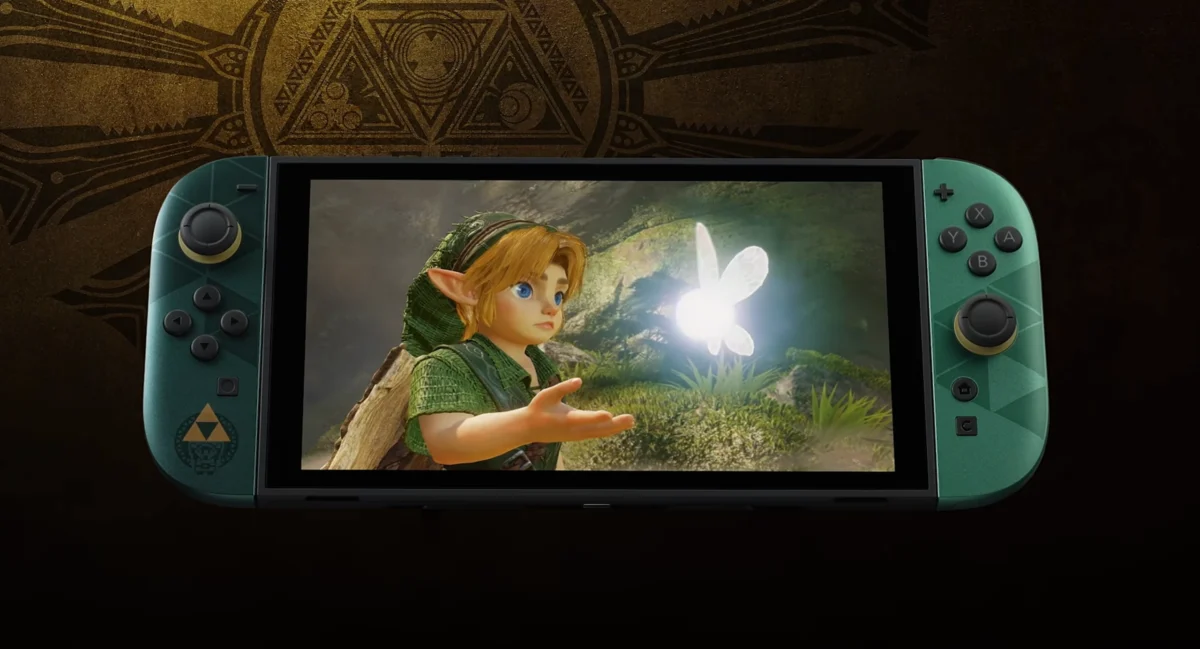
The highly anticipated launch of the Nintendo Switch 2, specifically the limited-edition console celebrating the 40th anniversary of The Legend of Zelda franchise, has ignited a firestorm of consumer frustration and market volatility. Following the reveal during a dedicated Nintendo Direct earlier this week, initial preorder windows opened at various major retailers, only to be exhausted within minutes. The rapid depletion of stock has left a significant portion of the fanbase empty-handed, while simultaneously providing an immediate opening for opportunistic third-party resellers to capitalize on the scarcity.
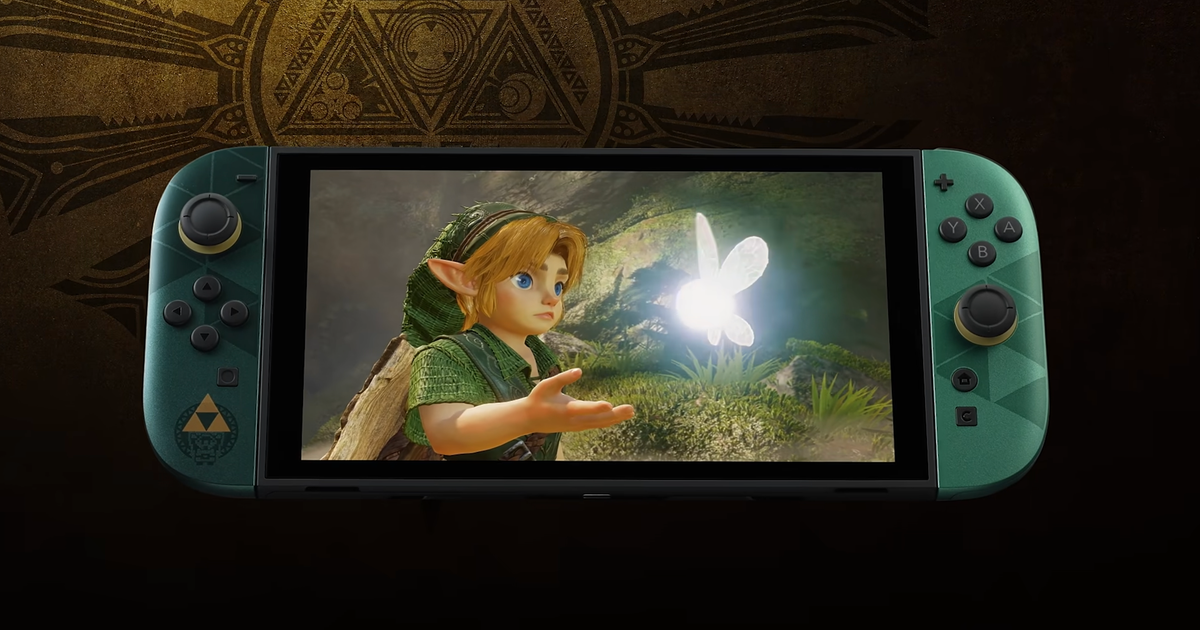
The special edition console, which features bespoke Link-green Joy-Cons adorned with the iconic golden Triforce pattern, was priced at approximately £435—a modest premium of £15 over the standard Nintendo Switch 2 retail cost. In addition to the console, Nintendo announced a limited-run Pro Controller and a thematic carry case, both of which have seen similar sell-through rates. Despite the intense demand, Nintendo has yet to issue a statement regarding additional production runs or the possibility of opening preorders through its official online storefront.
A Chronology of the 40th Anniversary Launch
The excitement surrounding this release is rooted in the significant cultural milestone of the Zelda series. Since the original game’s release on the Famicom Disk System in 1986, the franchise has become a pillar of global gaming.
- September 2026: Nintendo hosts a dedicated "Legend of Zelda 40th Anniversary" Nintendo Direct, unveiling the Switch 2 special edition and announcing the highly anticipated remake of The Legend of Zelda: Ocarina of Time.
- September 12, 2026: Preorders open across global retail chains. Within three hours, inventory at major retailers is reported as "sold out" or "unavailable."
- September 13, 2026: Secondary market platforms, most notably eBay, begin to see a surge in listings for the console, with prices inflated by 100% to 200%.
- October 29, 2026: The official launch date for the Zelda-themed hardware.
- November 5, 2026: The official release date for the Ocarina of Time remake, marking the official end of the launch window.
The Anatomy of the Scalper Crisis
The phenomenon of "scalping" high-demand electronics has become a pervasive issue in the gaming industry, often exacerbated by the use of automated "bot" software. These programs are capable of bypassing retail queue systems and completing checkout processes in milliseconds, effectively boxing out human consumers.
Current listings on platforms like eBay have seen the console priced between $700 and $985—a significant markup over the MSRP of roughly £435. Perhaps most concerning to industry analysts are the fraudulent listings appearing alongside these consoles. Many scalpers are creating "bundles" that claim to include the upcoming Ocarina of Time remake. Because the game is a separate software release, these bundles are effectively deceptive marketing tactics, as the game is not packaged with the hardware by Nintendo.
Industry watchdogs suggest that the volatility is being fueled by the psychological impact of the "40th Anniversary" branding. By marketing the console as a collector’s item rather than a standard consumer electronic, Nintendo has inadvertently signaled to the market that the product is a finite asset, encouraging both genuine fans and speculative investors to compete for the same limited supply.
Market Implications and Supply Chain Realities
The inability of major retailers to maintain stock for more than a few hours highlights the ongoing challenges of global hardware distribution. While Nintendo has not officially confirmed the number of units produced for this anniversary edition, the immediate sell-out suggests a production run that is significantly smaller than the standard console launch.
From an economic standpoint, the current market for the Zelda Switch 2 exhibits classic signs of supply-side constraints meeting inelastic demand. For Nintendo, the challenge lies in balancing brand prestige—achieved through exclusivity and "event" marketing—with the reputational risk of alienating their core consumer base. If loyal fans are consistently unable to purchase hardware at MSRP, the long-term brand equity may suffer, leading to increased pressure on the company to curb secondary market activity.
The Role of Software in Hardware Demand
The release of the Ocarina of Time remake is an essential component of this hardware launch’s success. As one of the most critically acclaimed titles in the history of the medium, the decision to launch the special edition console just one week prior to the game’s release serves as a strategic "anchor." This ensures that the hardware is already in the hands of the most dedicated fans when the software drops, creating a synchronized cultural event.
However, this timing has also contributed to the misinformation on secondary markets. Because the game is so closely associated with the console’s aesthetic, many consumers are falling prey to listings that suggest the game is a pack-in. This indicates a clear need for better consumer education by retail platforms to prevent misleading transactions.
Official Stance and Future Outlook
Nintendo has maintained a policy of silence regarding the secondary market, a standard practice for the company. Historically, Nintendo rarely addresses scalping directly, preferring to focus on production volume. Analysts from firms such as Niko Partners and Circana have noted that while companies can implement "one-per-customer" limits, these are rarely enforceable across multiple independent retail chains.

Looking ahead, the industry will be watching to see if Nintendo opts for a "wave-based" release for the remaining stock, or if they will prioritize the production of standard Switch 2 units to meet the broader holiday demand. The situation surrounding the 40th Anniversary Zelda console serves as a stark reminder of the limitations of retail infrastructure in the digital age.
For the average consumer, the current advice from retail experts remains consistent: avoid purchasing from third-party resellers at inflated prices. With the console launch still weeks away, there is a possibility—however slim—that retailers may receive secondary shipments or that Nintendo may offer a limited restocking window to mitigate the negative publicity generated by the scalper surge.
Conclusion: A Legacy Challenged
The Legend of Zelda has spent four decades building a reputation for quality, innovation, and wonder. The launch of the 40th Anniversary Switch 2 should have been a celebration of this legacy. Instead, it has become a case study in the modern perils of hardware distribution. As the industry moves closer to the October 29 launch date, the focus will likely shift from the joy of the product to the frustration of the acquisition process. Whether Nintendo chooses to intervene or allows the market to stabilize on its own, the event will remain a significant chapter in the history of Nintendo’s console rollouts.
For now, the thousands of fans who missed out are left waiting for a potential restock or the prospect of waiting until the standard model becomes more widely available. The situation underscores the reality that in the current gaming landscape, being a fan is often not enough to secure a piece of history; one must now navigate a complex, often predatory, digital marketplace that favors speed and automation over genuine enthusiasm. The true test of Nintendo’s commitment to its audience will be whether it can provide equitable access to these commemorative items before the anniversary window closes.