
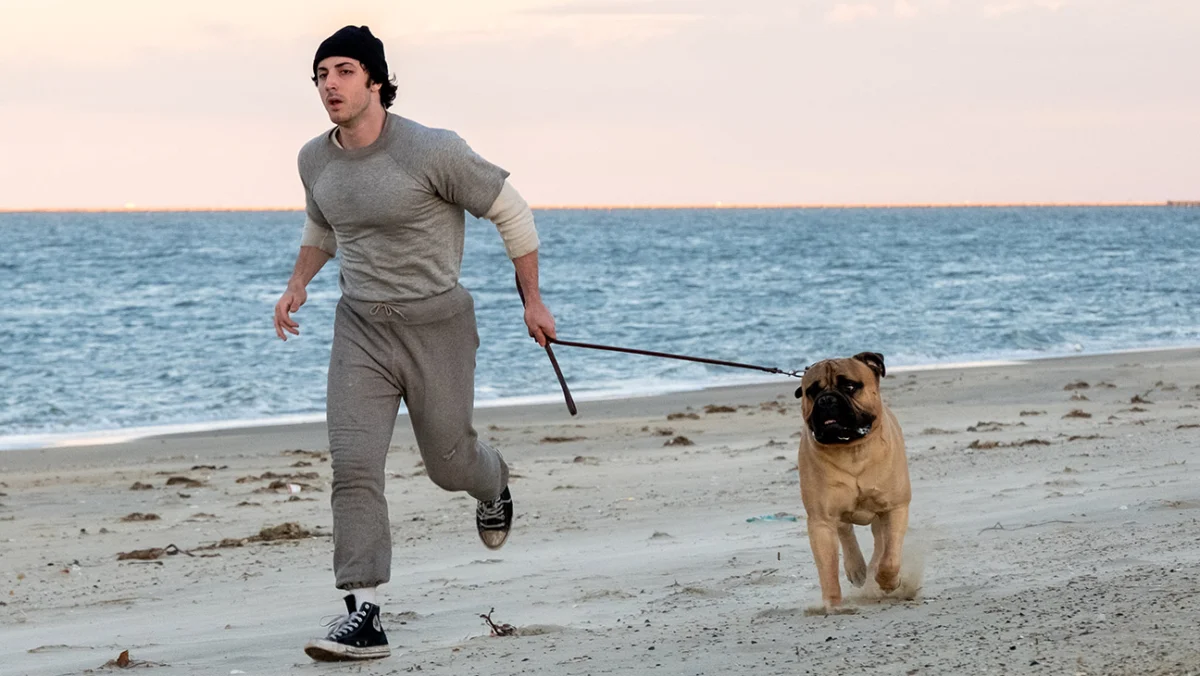
History has a peculiar habit of echoing itself, particularly within the hallowed, often unpredictable landscape of the Toronto International Film Festival (TIFF). Exactly fifty years ago, during the United States Bicentennial, a low-budget, seemingly modest production about a struggling Philadelphia pugilist defied the cynicism of critics and the might of studio blockbusters to capture the zeitgeist. John G. Avildsen’s Rocky, written by and starring the then-unknown Sylvester Stallone, went on to secure the Academy Award for Best Picture, besting industry titans like All the President’s Men, Network, and Taxi Driver.
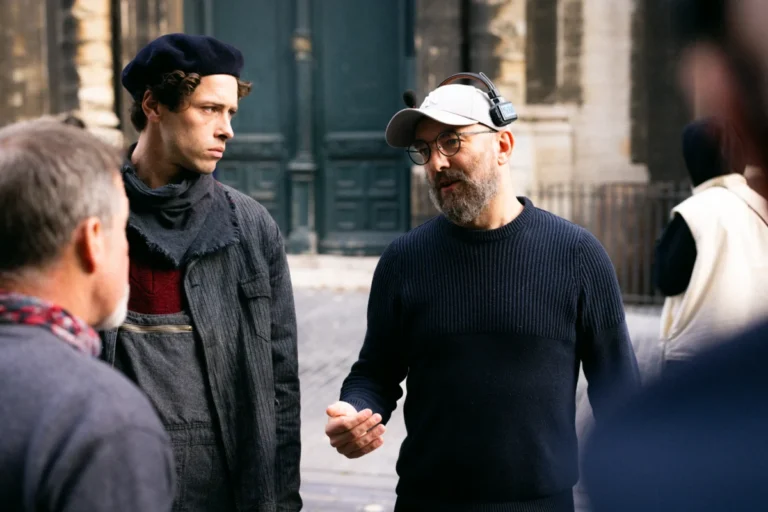
Eight years ago, the festival witnessed a similar trajectory when Peter Farrelly’s Green Book premiered at TIFF. Despite a polarized critical reception, the film’s immense popularity with festival audiences propelled it to the TIFF People’s Choice Award and, eventually, the Oscar for Best Picture. This past Saturday, Farrelly returned to the same stage for the world premiere of I Play Rocky, a biographical drama detailing the arduous gestation and production of the original 1976 classic. Much like its predecessor, the film arrived with a polarizing critical reception, yet it ignited a fervent response from the audience, characterized by mid-film applause and a resounding, extended standing ovation.
The Rise of Anthony Ippolito and the Stallone Mythos
At the center of this narrative is 27-year-old actor Anthony Ippolito, whose portrayal of the young Sylvester Stallone has already ignited discussions regarding the upcoming Academy Awards. Ippolito does not merely imitate the iconic performer; he captures the specific, gravelly cadence and the distinct, rugged vulnerability that defined Stallone during his pre-fame struggles. For the Academy, which historically favors transformative biographical performances, Ippolito’s turn serves as a cornerstone for the film’s awards campaign.
The narrative arc of I Play Rocky mirrors the very story it depicts: a young, unproven talent battling against industry gatekeepers to bring an authentic vision to the screen. Peter Gamble’s screenplay leans heavily into the legend of the original Rocky’s creation—a narrative that Stallone himself has cultivated for five decades. While historians have noted discrepancies between the myth and the documented reality of the production, the film functions as a cinematic hagiography, celebrating Stallone’s tenacity, his creative intellect, and his unwavering belief in the project.
Chronology of a Cultural Phenomenon
The legacy of Rocky is anchored in a unique historical timeline. In 1975, Stallone was a struggling actor with a limited portfolio and a desperate need for a breakthrough. The production of the original film was notoriously fraught, with United Artists executives initially skeptical of a film centered on a "small-time" boxer. The decision to cast Stallone as the lead, despite his lack of marquee status at the time, was a calculated risk that paid off with an unprecedented cultural impact.
The following timeline highlights the key intersections between the original film and its modern successor:
- 1976: Rocky is released, earning $225 million at the global box office against a production budget of approximately $1 million.
- 1977: The film wins the Academy Award for Best Picture, cementing its place in American cinema history.
- 2015: Producer Robert Chartoff passes away, leaving the legacy of the franchise in the hands of his partners and family.
- 2022: Sylvester Stallone publicly addresses the lack of equity stake in the Rocky franchise, bringing tensions with producer Irwin Winkler to the forefront of industry discourse.
- 2024: Production for I Play Rocky accelerates, with a focus on capturing the aesthetic of 1970s Philadelphia and Hollywood.
- 2025: The film premieres at TIFF, marking the 50th anniversary of the original project’s development.
The Shadow of Ownership and Creative Control
Despite the film’s celebratory tone, the project faces a significant, if intangible, hurdle: the active involvement—or lack thereof—of Sylvester Stallone himself. While director Peter Farrelly has publicly acknowledged showing the finished cut to Stallone and receiving his approval, the reality of the franchise’s ownership remains complex.

Stallone’s well-documented public grievances in 2022 against Irwin Winkler, the primary producer of the original series, underscore the friction that exists regarding the intellectual property of the Rocky brand. Interestingly, I Play Rocky portrays both Winkler (played by P.J. Byrne) and the late Robert Chartoff (played by Toby Kebbell) with a sympathetic lens. The presence of the Winkler family at the premiere suggests a degree of institutional blessing that stands in contrast to the contentious history between the producers and the franchise’s star.
Whether this film serves as a bridge or a flashpoint depends entirely on Stallone’s public posture. Given his age and his stature as an industry icon, his endorsement could provide a massive tailwind for the film’s Oscar ambitions. Conversely, any public criticism from the man who lived the story could cast a shadow over the film’s narrative integrity.
Supporting Talent and Production Craft
Beyond the lead performance, I Play Rocky is buoyed by a robust ensemble and a technical team that prioritizes period authenticity. AnnaSophia Robb provides a grounded performance as Stallone’s first wife, Sasha Czack, offering a necessary emotional anchor to the film’s professional stakes. Tracy Letts brings a nuanced intensity to his portrayal of the United Artists executive tasked with evaluating the script, while Jay Duplass effectively captures the directorial temperament of John G. Avildsen.
The film’s aesthetic success is largely attributed to cinematographer Sean Porter, whose work here echoes the gritty, high-contrast visual language he established in Green Book. Coupled with the meticulous production design of Anthony Gasparro and the period-accurate makeup and hair work by Jackie Risotto and Nakoya Yancey, the film creates a visceral sense of time and place.
Industry Implications and Awards Prospects
As Amazon MGM Studios prepares to launch I Play Rocky in the United States on November 6, the industry will be watching to see if the "TIFF effect" holds true. The festival has long served as a launchpad for films that prioritize emotional resonance and audience connection over purely critical consensus.
If the film follows the trajectory of Green Book, it will need to maintain a delicate balance: satisfying the expectations of Academy voters while navigating the complex legacy of the Rocky brand. The film is not merely a biography; it is a meta-commentary on the nature of Hollywood success. By positioning itself as a celebration of the "underdog" spirit, I Play Rocky taps into a perennial favorite theme of the Academy.
However, the film must also navigate the risks associated with historical revisionism. While the narrative is compelling, its reliance on the "legend" of Rocky rather than an objective historical account may invite scrutiny from film historians. Nevertheless, in the competitive landscape of the awards season, the film’s ability to generate visceral, positive reactions from audiences is its most potent asset. As the industry looks toward the next cycle of accolades, I Play Rocky stands as a reminder that the most compelling stories in cinema are often the ones told about the process of making cinema itself. Whether or not it secures the gold, the film has effectively secured its place as a significant chapter in the ongoing history of the Rocky franchise.