


The 2026 season will witness a record-shattering nine international regular-season games, a clear demonstration of the league’s aggressive push into overseas markets. Beyond the historic kickoff in Australia, the league is set to host inaugural matchups in Rio de Janeiro and Paris. These additions complement an established international roster that includes perennial host cities such as London, Munich, Madrid, and Mexico City. With league owners having already approved 10 international games for the 2027 season—reaching the current cap established by the NFL’s collective bargaining agreement with the players’ union—the momentum behind this global strategy appears irreversible.
A Strategic Pivot Toward Global Fandom
The NFL remains the undisputed king of American television, with games frequently accounting for the vast majority of the top-rated programs on an annual basis. However, that popularity remains heavily concentrated within the United States. Data from the 2024 season highlights the stark disparity between domestic and international engagement: a marquee matchup between the Kansas City Chiefs and the Los Angeles Chargers in São Paulo, Brazil, commanded an audience of 18.5 million in the U.S., while capturing only 1.2 million international viewers.
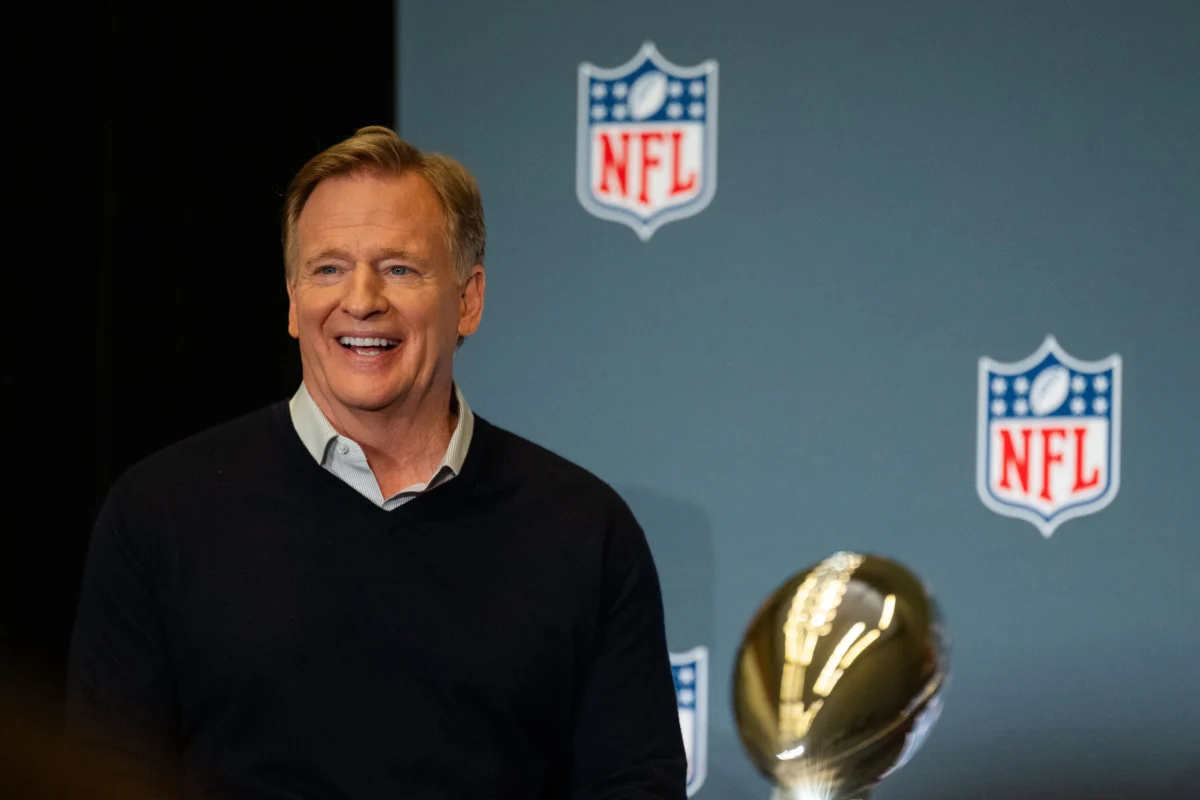
This "engagement delta" is the primary catalyst for NFL Commissioner Roger Goodell’s push for expansion. Goodell has frequently expressed his desire to eventually feature as many as 16 international games per season. Perhaps more significantly, the Commissioner has publicly stated he has "no doubt" that the league will eventually see a franchise permanently relocated outside the United States. For the NFL, the objective is clear: to monetize the league’s brand equity by cultivating a loyal, lifelong fan base in high-growth international markets.
The Global Markets Program: Building Local Buy-In
Central to this effort is the NFL’s Global Markets Program, an initiative launched in 2022 that grants teams specific international marketing rights. This program is designed to move beyond one-off exhibition games and toward long-term fan acquisition. By allowing teams to treat foreign nations as their "home" markets, the league fosters a sense of local ownership.
The Los Angeles Rams, for instance, hold marketing rights in Australia, as well as New Zealand, Japan, China, South Korea, and the United Arab Emirates. This strategic alignment, often based on geographical accessibility for West Coast franchises, ensures that the teams playing abroad have a vested interest in the success of the local promotion.
The structure of the program is highly personalized. While many teams choose markets based on logistics, others follow ownership interests. The Detroit Lions have secured marketing rights in Austria, Brazil, Canada, Germany, and Switzerland, while the Los Angeles Chargers hold exclusive rights in Greece, a decision influenced by owner Dean Spanos’s ancestral ties. According to Peter O’Reilly, the NFL’s Executive Vice President, this decentralized, team-led strategy is intentional. "Having a favorite team is a key driver of lifelong fandom," O’Reilly noted during a recent conference call. "Giving the clubs the option to apply for these rights ensures they align with markets they are willing to invest in, allowing them to tailor their efforts to their specific priorities."

Logistical Hurdles and Competitive Integrity
The transition to a global schedule is not without significant operational challenges. The most immediate concern for players and coaching staffs is the physical toll of international travel. The 49ers’ decision to depart for Australia on a Wednesday, compared to the Rams’ plan to arrive just 24 hours before kickoff, highlights the lack of a standardized protocol for managing jet lag and recovery.
Furthermore, the "primetime" problem remains a persistent obstacle. Because the league’s primary revenue and viewership base resides in the United States, game start times are often forced to accommodate the American market, which frequently results in games taking place in the early morning or middle of the night for the local host population. When the 49ers and Rams take the field in Melbourne, the game is scheduled for 10:35 a.m. local time on a Friday. While the league has identified 9:30 a.m. ET as a "sweet spot" for European viewership, data suggests that these early-morning games consistently underperform in domestic ratings compared to traditional Sunday afternoon and night slots. Balancing these competing interests—the need for domestic broadcast revenue and the desire for international stadium attendance—is perhaps the greatest hurdle to the NFL’s long-term sustainability as a global product.
Historical Context and Growth Trajectory
The current expansion is the culmination of decades of international experimentation. Since the first international regular-season game was held in London in 2007, the NFL has hosted 62 games outside the U.S. What began as a series of standalone "International Series" games has morphed into a sophisticated, year-round business operation.
The timeline of this expansion reflects a rapid acceleration:
- 2007: The first regular-season international game is held in London (New York Giants vs. Miami Dolphins).
- 2016: Mexico City returns to the international schedule, marking the first time a city outside the U.K. hosts a regular-season game in the modern era.
- 2022: The NFL launches the Global Markets Program, granting teams specific rights to build local fan bases.
- 2024: The league hosts its first game in South America (São Paulo, Brazil).
- 2026: Australia, France, and additional European markets join the schedule, bringing the total to nine games.
- 2027: The league is slated to hit the 10-game maximum under the current collective bargaining agreement.
Economic and Cultural Implications
The long-term impact of this strategy will likely be measured by more than just ticket sales. The NFL is essentially attempting to export a complex American cultural product. The success of this endeavor depends on the league’s ability to simplify the game for international audiences and convince them that the NFL is a superior alternative to established local sports, such as soccer, rugby, or Australian Rules Football.
From an economic perspective, the NFL’s move into these markets creates new revenue streams in licensing, merchandising, and international broadcast rights. However, the costs are substantial. Between chartering transcontinental flights, transporting specialized equipment, and maintaining localized marketing offices, the league is making a significant capital investment. If these games fail to convert casual viewers into dedicated fans, the long-term ROI could come under intense scrutiny from the league’s 32 franchise owners.
As the NFL continues to push boundaries, the focus will likely shift from simply "playing games" to "becoming local." The ultimate question remains whether the sport of American football can transcend its U.S.-centric roots to achieve the same level of global penetration as the NBA or European soccer leagues. For now, the league is betting that by placing the biggest names in football directly in front of global audiences, the passion will follow. As Commissioner Goodell and his executive team move toward a 16-game international schedule, the upcoming Melbourne event stands as a defining moment in the professionalization of the NFL’s international brand. Whether the fans in Australia—and eventually those in Paris and Rio—adopt the sport with the same fervor as their American counterparts remains the most important narrative in the league’s future.