


Popular national footwear brand HeyDude, acquired by Crocs Inc. in 2022, has drawn intense public scrutiny and accusations of tone-deaf marketing following a collaborative social media campaign with the University of Florida (UF) chapter of the Theta Chi fraternity. The digital promotion, published on September 25, featured orange-and-blue versions of the brand’s signature "Wally" slip-on shoes alongside fraternity members. However, the timing and partnership choice immediately sparked outrage across digital platforms because two former members of the same UF fraternity chapter were recently arrested and charged in connection with a high-profile sexual cyberharassment case involving the dissemination of nonconsensual intimate images targeting a fellow student.
The controversy highlights the complex intersection of corporate marketing, collegiate Greek life, and institutional accountability in the digital age. As viral marketing campaigns increasingly rely on organic, localized campus collaborations to capture Gen Z consumers, brands face heightened risks when due diligence fails to account for local controversies, criminal investigations, and campus-wide student activism.
Main Facts of the Controversy
The core of the backlash centers on a pair of promotional posts published across Instagram and TikTok on September 25. The Instagram post featured a collaborative Reel between the official @heydude account and the UF Theta Chi chapter account (@thetachiflorida), showcasing members wearing university-themed footwear with the caption, "@heydude called, @thetachiflorida answered." A corresponding video on TikTok featured brand representatives outside the Florida fraternity house with the text, "wtf is any shoe besides a HEYDUDE?"
Within hours of publication, the comments sections of both platforms were flooded with critical responses from consumers, student advocates, and online commentators demanding accountability. Critics pointed out the jarring juxtaposition of a major corporate brand rewarding a fraternity chapter that had recently dominated national headlines for alleged severe misconduct by its former affiliates.
The social media backlash quickly escalated beyond simple consumer complaints. Prominent digital activists, including content creators who have closely followed the case, condemned the company for offering what they characterized as free public relations and promotional exposure to an organization grappling with severe allegations of misogyny and survivor mistreatment.
Chronology of Events and Legal Proceedings
To fully understand the gravity of the consumer and student response, the social media promotion must be viewed within the timeline of the underlying criminal and civil legal proceedings at the University of Florida.
The controversy originates from an investigation conducted by the Gainesville Police Department regarding the targeted harassment of Maddie Kowalski, then a 19-year-old UF student. According to police affidavits, two former members of the UF Theta Chi chapter, Kamran Ahmed and Brendan Pitfield, allegedly utilized anonymous social media burner accounts—specifically operating under handles such as "Steve ‘SC’ Cumfull" and "Arnie_Grape16"—to distribute a nonconsensual intimate video of Kowalski.
One of the prominent posts on the platform X (formerly Twitter) explicitly identified Kowalski by her full legal name and her university sorority affiliation. The resulting digital exposure caused the content to circulate widely, generating thousands of views and subjecting the victim to severe public humiliation and emotional distress.
Consequently, law enforcement charged Ahmed and Pitfield with sexual cyberharassment, classified as a first-degree misdemeanor under Florida law, which carries penalties of up to one year in jail and a $1,000 fine. In addition to the criminal charges, Kowalski initiated civil litigation in the United States District Court for the Northern District of Florida, seeking financial damages from both men. Legal counsel for Pitfield entered a plea of not guilty, while neither Ahmed nor Pitfield immediately responded to media requests for comment through their respective defense attorneys.
Campus Unrest and Student Activism
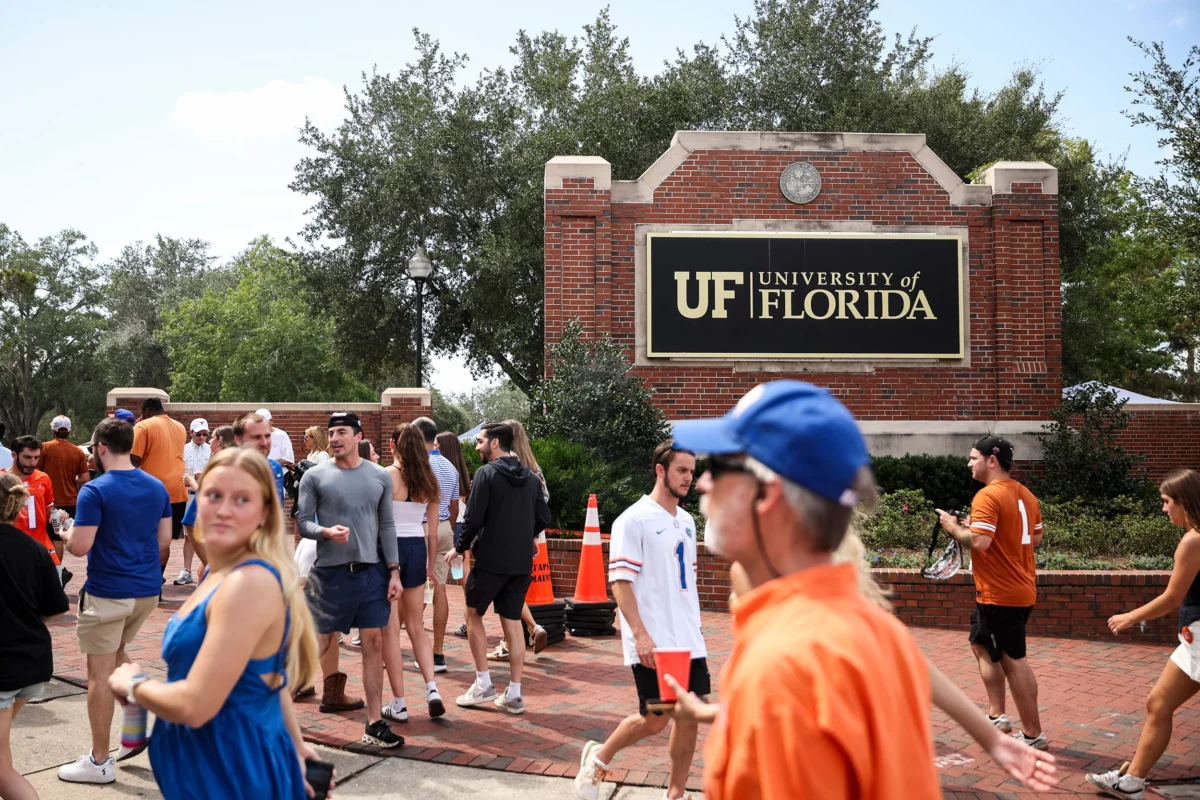
The criminal charges against the former fraternity members catalyzed widespread student mobilization on the Gainesville campus. On September 15, student coalitions distributed digital flyers and physical notices demanding that the university administration permanently revoke Theta Chi’s recognition and remove the chapter from campus entirely.
Anonymous student forums, such as the campus-focused application YikYak, also saw intense discussions, with users calling for boycotts and institutional discipline against the fraternity. Rumors regarding a planned student demonstration outside the Theta Chi house circulated heavily online, prompting a physical presence by campus law enforcement. While university officials later clarified that no formal, organized protest ultimately materialized, campus police were stationed in the area as a standard security precaution to maintain public safety.
The institutional footprint of Theta Chi is substantial. Founded nationally in 1856, the organization encompasses more than 246 chapters and over 250,000 initiated members across the United States. At the University of Florida specifically, the Interfraternity Council reports that the Theta Chi chapter maintains approximately 190 active undergraduate members.
Official Responses from Theta Chi and HeyDude
As public pressure mounted following the publication of the HeyDude promotional content, representatives from both the fraternity organization and the footwear manufacturer issued formal statements addressing the controversy.
Theta Chi’s national leadership moved quickly to distance the fraternity from the accused individuals. In statements provided to investigative reporters, a national spokesperson confirmed that Kamran Ahmed and Pitfield are no longer members of the fraternity. Furthermore, the organization stated that if the legal process establishes the guilt of the defendants, Theta Chi will fully support the maximum allowable penalties under the law, alongside advocating for the permanent expulsion of the offenders from the University of Florida. Previously, Theta Chi CEO Michael Mayer characterized the behavior detailed in the police affidavits as completely contrary to the core values and ideals of the fraternity.
Meanwhile, HeyDude faced intense questioning from both journalists and the victim herself. Kowalski and her family reportedly reached out directly to corporate representatives via email to demand an explanation for why the brand chose to collaborate with a campus chapter facing such severe institutional and legal scrutiny.
In response to subsequent media inquiries, a corporate spokesperson for HeyDude stated that the company maintains "no affiliation, sponsorship, or ongoing partnership" with the UF Theta Chi chapter. According to the brand, the promotional material was generated as a localized stop on a broader, nationwide marketing initiative known as the "HeyDude Tailgate Tour," which visited numerous collegiate environments, including various fraternity and sorority houses across the country.
The corporate representative acknowledged that planners were unaware of the specific criminal allegations involving former members of the local chapter when the tour schedule was established. Emphasizing that the brand does not condone the alleged behavior, the company announced that it takes such matters seriously and would actively reevaluate remaining stops on the national tour. Despite these assurances, consumer criticism persisted, particularly as the collaborative post remained accessible on social media channels for days following the initial public outcry.
Broader Industry Implications and the Crisis of Fraternal Culture
The controversy surrounding HeyDude and the University of Florida chapter is not an isolated incident, but rather part of a broader national reckoning regarding collegiate Greek life, institutional oversight, and corporate social responsibility.
The incident parallels concurrent scandals at other prominent academic institutions. For instance, recent civil litigation filed against members of a fraternity at Cornell University following allegations of sexual assault has further fueled a national debate regarding the systemic safety of fraternity environments and the accountability of national organizations. Watchdog groups, student activists, and digital commentators have increasingly trained their sights on major consumer brands that sponsor or partner with campus Greek organizations without conducting rigorous reputational and ethical risk assessments.
Observers and marketing ethics experts note that modern consumers—particularly younger demographics who populate platforms like TikTok and Instagram—demand heightened corporate integrity. When national brands engage in tone-deaf promotional partnerships, the backlash can be swift and damaging to brand equity. Activists argue that failing to screen partner organizations effectively sends an implicit message that survivor experiences are secondary to corporate marketing metrics and viral engagement.
As universities, law enforcement agencies, and civil courts continue to process the legal ramifications of digital harassment and campus misconduct, the episode serves as a cautionary tale for corporate marketing departments. Moving forward, brands executing localized campus tours will likely face heightened expectations to implement robust compliance and vetting protocols to ensure their promotional dollars do not inadvertently amplify or legitimize organizations embroiled in severe behavioral and legal controversies.