

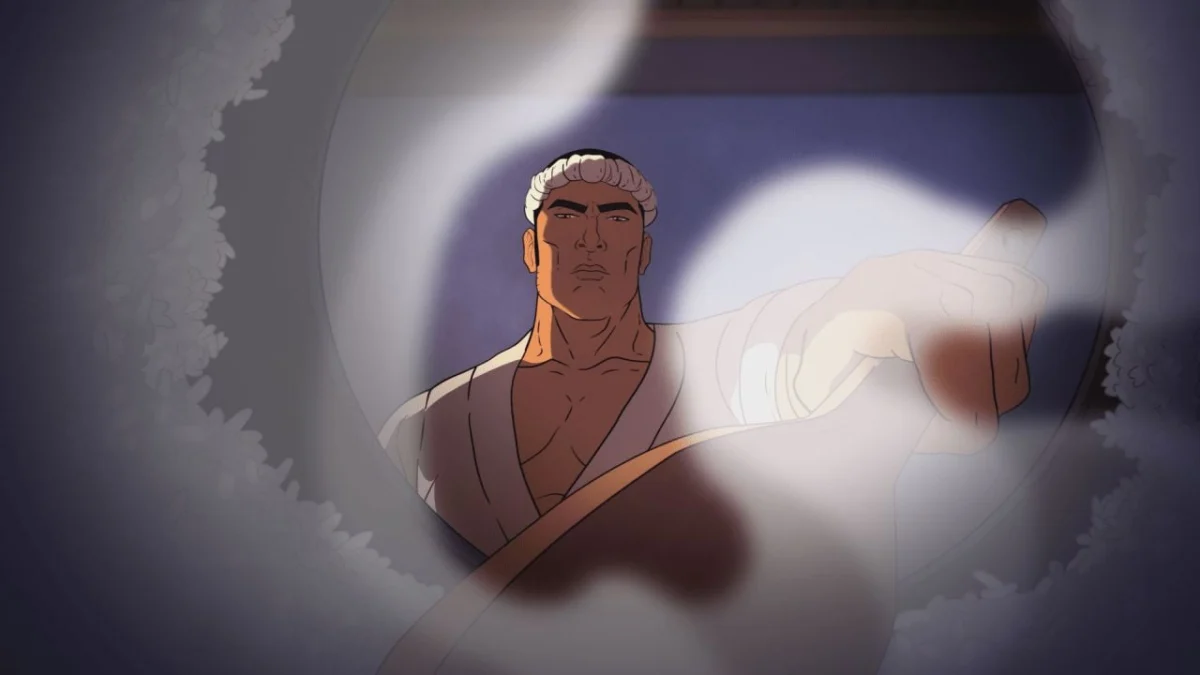
The intersection of high-concept gastronomy and visceral dystopian science fiction has long remained an uncharted territory in mainstream serialized animation. However, with the ongoing broadcast of Get Jiro! on Adult Swim, that frontier has officially been breached. Based on the acclaimed graphic novel co-authored by the late, legendary chef and storyteller Anthony Bourdain alongside writer Joel Rose, the series brings a brutal, darkly humorous, and visually sumptuous vision of a near-future Los Angeles to television screens. Produced by Warner Bros. Animation and DC Studios, and starring Brian Tee as the titular, taciturn sushi master, the show airs weekly during Adult Swim’s prominent Toonami block, concurrently streaming the following day on Max.
Behind the helm of this ambitious adaptation are showrunners and executive producers Brian Gatewood and Alessandro Tanaka, who first discovered the source material through unexpected circumstances. Speaking candidly about the origins of the project during SCAD AnimationFest—an annual celebration of the craft that featured a comprehensive panel including director Rick Morales and Warner Bros. Animation Executive Vice President Peter Girardi—the creative duo detailed how the property landed on their radar. What began as a routine literary submission quickly escalated into a deeply resonant passion project, largely driven by the legacy of Bourdain, whose cultural footprint left an indelible mark on the culinary and entertainment landscapes.
Main Facts and Premise of the Dystopian Culinary Universe

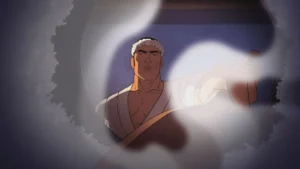
Get Jiro! unfolds in a post-apocalyptic, near-future Los Angeles where the foundational pillars of human society have drastically shifted. In this hyper-stratified urban hellscape, technological advancements have successfully substituted almost every traditional human desire: virtual realities provide immersive companionship, simulated travel replaces physical transit, and synthetic alternatives fulfill psychological needs. Yet, one fundamental necessity remains entirely irreplaceable: food.
Consequently, culinary culture has risen to absolute supremacy, operating simultaneously as the primary global currency and the ultimate marker of socioeconomic class. Power is not consolidated among traditional politicians or corporate conglomerates, but rather wielded by fiercely territorial, heavily armed celebrity chefs. Within this ruthless ecosystem, characters face immediate, gruesome execution for minor culinary faux pas—such as introducing unauthorized condiments to a master’s dish or sourcing ingredients from illicit suppliers. Jiro, a stoic and exceptionally lethal sushi chef governed by an uncompromising moral code, navigates this blood-soaked landscape on a relentless crusade for vengeance.
The production seamlessly balances this extreme violence with breathtaking, meticulous visual representations of food preparation. Animating the tactile qualities of raw fish, glistening reductions, and vibrant produce presented a distinct aesthetic challenge, requiring a marriage of hyper-detailed 2D artistry and unflinching, Grand Guignol-style carnage.
Chronology and Development History

The journey from Bourdain and Rose’s 2012 graphic novel to a fully realized animated television series represents a multi-year collaborative effort between prominent animation studios and seasoned television writers. Anthony Bourdain, who passed away in 2018, originally conceived the world of Get Jiro! as a satirical critique of food snobbery, culinary trends, and corporate dining culture, infusing the narrative with his trademark cynicism, encyclopedic knowledge of professional kitchens, and love for traditional martial arts cinema.
When Gatewood and Tanaka were initially approached with the property, they recognized an opportunity to honor Bourdain’s distinct worldview while expanding the scope of the original narrative for a serialized television format. To ensure absolute authenticity within the kitchen sequences, the showrunners enlisted Matt Goulding, a renowned food journalist, author, and close collaborator of Bourdain. Goulding served as an indispensable culinary consultant throughout the writing and production lifecycle, reviewing scripts, refining cooking techniques, and advising artists on the visual depiction of professional culinary execution down to the minutest detail.
Despite their extensive backgrounds in live-action writing and production, Get Jiro! marked Gatewood and Tanaka’s inaugural venture into the animation medium. Operating with what Tanaka humorously describes as "creative naivete," the showrunners frequently proposed complex narrative and visual sequences that seasoned animation veterans would typically caution against. Among these was an ambitious, unbroken single-take sequence in a later episode—a technical feat that pushed the production crew to its absolute limits but ultimately yielded a standout cinematic moment for the series.
Production Collaboration and Creative Freedom

Director Rick Morales and the animation teams at Warner Bros. Animation played a pivotal role in translating these ambitious, often chaotic directives onto the screen. Rather than stifling the showrunners’ unconventional ideas, Morales embraced the creative challenges, fostering an environment of unbridled experimentation.
This spirit of collaboration extended to the network level. Adult Swim, celebrating its 25th anniversary as a cornerstone of innovative adult animation, granted the production team remarkable autonomy regarding the series’ tone, pacing, and graphic violence. Known for fostering distinct auteur-driven projects that challenge conventional television standards—from foundational classics like Aqua Teen Hunger Force and Robot Chicken to modern staples like Rick and Morty—Adult Swim provided Get Jiro! with the structural freedom necessary to preserve its uncompromising edge.
Gatewood and Tanaka noted that network executives rarely requested alterations to the show’s visceral content. Aside from minor adjustments to a select few storyboard panels, the creative team maintained complete authority over the narrative’s trajectory, ensuring that the violence functioned as a narrative driver rather than mere shock value.
International Authenticity and World-Building

A particularly significant dimension of the series’ production involved the meticulous recreation of a dystopian Tokyo in a dedicated, multi-episode storyline. For Tanaka, who is of Japanese heritage and spent formative summers in Japan, this narrative arc offered a deeply personal creative outlet.
Rather than relying on generic, Hollywood-standard depictions of a futuristic Japanese metropolis, the production team infused the background art with authentic cultural touchstones. From period-specific, 1990s Japanese sedan models pulled from Tanaka’s childhood memories to localized linguistic nuances and architectural layouts, the creative team prioritized hyper-specific realism within a fantastical setting. This dedication to cultural fidelity underscores the broader objective of the series: to ground its absurd, ultra-violent premise in genuine human experiences and environments.
Broader Impact and Implications for Adult Animation
The launch of Get Jiro! arrives at a critical juncture for the adult animation sector, highlighting a growing appetite for high-stakes adaptations of independent graphic novels and literary properties. By bridging the gap between prestige culinary culture and uncompromising genre storytelling, the series demonstrates the viability of mature, serialized narratives within a television block historically dominated by episodic comedies and surrealist shorts.

Furthermore, the series serves as a testament to the enduring creative legacy of Anthony Bourdain. Years after his passing, Bourdain’s influence continues to permeate popular culture, inspiring new generations of creators to interrogate the intersections of art, labor, consumption, and power. Through the collaborative efforts of Gatewood, Tanaka, Morales, and the teams at Warner Bros. Animation and Adult Swim, Get Jiro! successfully translates the anarchic spirit of its source material into a visually striking, intellectually stimulating addition to modern television animation.
As the series continues its weekly broadcast on Toonami and streaming availability on Max, it stands as both a celebration of culinary mastery and a cautionary tale of a world where dinner is truly a matter of life and death.