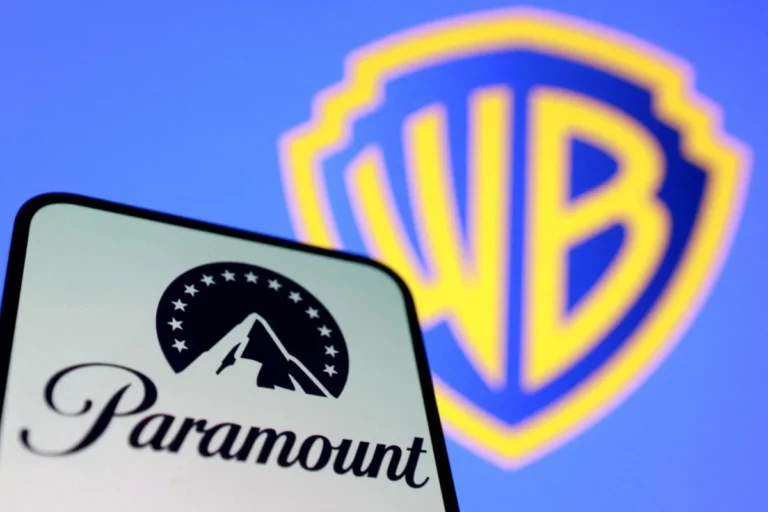




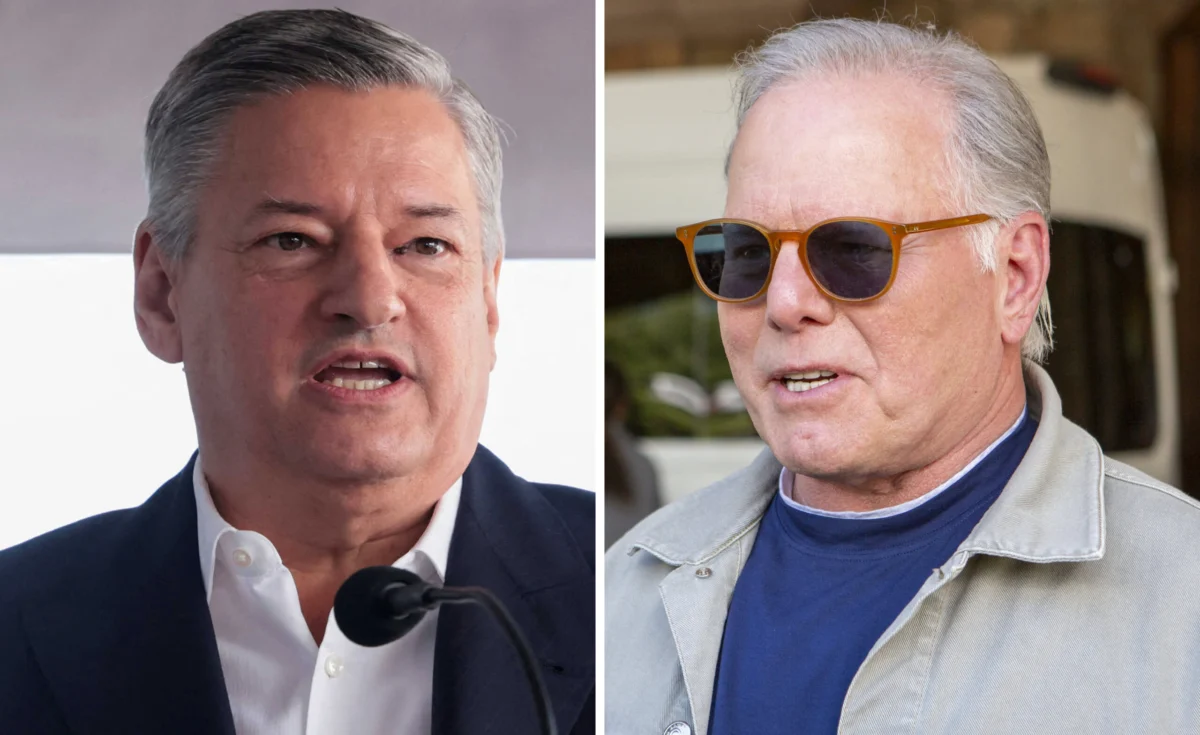
The landscape of the global entertainment industry shifted decisively on Thursday as Netflix officially withdrew its bid for the studio and streaming assets of Warner Bros. Discovery (WBD), clearing the path for a massive merger between WBD and a combined Paramount Skydance entity. The decision follows a high-stakes bidding war that saw Paramount Skydance elevate its offer to a level the Netflix board ultimately deemed financially unattractive. The Warner Bros. Discovery board of directors formally recognized the Paramount Skydance proposal as a "superior offer," marking the conclusion of one of the most significant corporate battles in modern media history.
Under the terms of the finalized agreement, Paramount Skydance will acquire the entirety of Warner Bros. Discovery for $31 per share in an all-cash transaction. This revised figure represents a significant increase from Paramount’s previous $30-per-share offer and decisively unseats Netflix’s $27.75-per-share proposal. Crucially, while Netflix had only sought to acquire WBD’s high-growth studio and streaming divisions—effectively leaving the company’s legacy linear television networks behind—Paramount Skydance’s bid encompasses the whole of the WBD portfolio, including CNN, TBS, TNT, and other pay-TV assets.
The Financial Architecture of the Deal
The financial mechanics of the Paramount Skydance offer were pivotal in swaying the WBD board. By offering $31 per share in cash, the Paramount Skydance consortium provided WBD shareholders with immediate liquidity and a premium over the company’s recent trading price. Beyond the per-share price, the deal includes aggressive "regulatory insurance" intended to assuage fears of a government block. Paramount Skydance has committed to a $7 billion breakup fee should the merger fail to pass antitrust scrutiny, a record-breaking sum that demonstrates high confidence in the deal’s legal viability.
Furthermore, Paramount Skydance has agreed to cover the $2.8 billion breakup fee that Warner Bros. Discovery would have owed Netflix for terminating their previous preliminary agreement. This "make-whole" provision removed a significant financial hurdle for WBD, allowing the board to pivot to the higher offer without incurring a massive penalty.
In the immediate aftermath of the announcement, Wall Street responded with a mix of relief and recalibration. Netflix shares surged 10% in extended trading, as investors applauded the company’s refusal to overpay for assets. Paramount Global stock rose 5% on the news of the successful acquisition, while Warner Bros. Discovery shares saw a 2% decline, reflecting market uncertainty regarding the long-term integration of the two media giants and the heavy debt loads associated with legacy television.

A Chronology of the Bidding War
The road to this merger began in late 2025, characterized by a series of hostile maneuvers and shifting alliances. Paramount Skydance initially launched a hostile bid for Warner Bros. Discovery, bypassing management to appeal directly to shareholders. This move forced WBD into a defensive posture, leading the company to explore a more surgical divestiture of its assets to Netflix.
In mid-February 2026, Netflix emerged as a frontrunner, offering a deal focused exclusively on WBD’s "crown jewels": the Warner Bros. film and television studios and the Max streaming service. This deal was attractive to WBD leadership at the time because it promised to simplify the company’s balance sheet. However, the proposal faced intense criticism from shareholders who feared being left with a "bad bank" of declining linear cable networks.
Recognizing the internal friction at WBD, Netflix co-CEO Ted Sarandos granted the company a seven-day waiver last week, allowing WBD to re-engage in discussions with Paramount Skydance. Sarandos later explained to CNBC that the waiver was intended to "provide clarity" and force Paramount to put its final cards on the table. Paramount responded by raising its all-cash bid to $31 per share for the entire company. Under the terms of the Netflix agreement, Netflix had four business days to match or exceed this new offer. On Thursday, Netflix leadership confirmed they would not participate in a further bidding escalation.
Strategic Discipline vs. Market Expansion
The withdrawal marks a rare moment of public retreat for Netflix, but executives framed the move as a victory for fiscal discipline. In a joint statement, Netflix co-CEOs Ted Sarandos and Greg Peters emphasized that while WBD’s assets were prestigious, they were not essential at any price.
"The transaction we negotiated would have created shareholder value with a clear path to regulatory approval," the statement read. "However, we’ve always been disciplined, and at the price required to match Paramount Skydance’s latest offer, the deal is no longer financially attractive."
This sentiment reflects a broader strategic shift at Netflix. As the streaming giant has achieved profitability and dominant market share, it has moved away from "growth at all costs" toward a model focused on free cash flow and content efficiency. The acquisition of Warner Bros. would have significantly increased Netflix’s content library but also would have introduced immense integration risks and potential regulatory headaches that the company ultimately decided were not worth the $31-per-share valuation.

David Zaslav and the Vision for a Combined Giant
For Warner Bros. Discovery CEO David Zaslav, the merger with Paramount Skydance represents the culmination of a tumultuous period of restructuring. Since the original merger of WarnerMedia and Discovery in 2022, Zaslav has been under pressure to reduce the company’s massive debt and revitalize its stock price.
"Once our Board votes to adopt the Paramount merger agreement, it will create tremendous value for our shareholders," Zaslav said in a statement on Thursday. He expressed enthusiasm for the potential of a "combined Paramount Skydance and Warner Bros. Discovery," highlighting the synergy between the two companies’ storytelling legacies.
The combined entity will possess an unprecedented portfolio of intellectual property. From the DC Universe and Harry Potter (WBD) to Mission: Impossible and Star Trek (Paramount), the new conglomerate will control a significant portion of Hollywood’s most valuable franchises. Furthermore, the combination of HBO, Max, and Paramount+ could create a streaming service that rivals Netflix and Disney+ in scale, provided the company can successfully navigate the technical and branding challenges of a platform merger.
Regulatory Hurdles and Political Context
Despite the board’s approval, the merger faces a rigorous path to completion. The Biden administration’s Department of Justice and the Federal Trade Commission (FTC) have historically taken a skeptical view of massive media consolidations. The $7 billion breakup fee offered by Paramount Skydance is a direct response to this environment, serving as a financial guarantee to WBD shareholders that Paramount is prepared to fight for the deal in court.
The political dimension of the deal was underscored on Thursday when Ted Sarandos was spotted at the White House. While the official reason for the visit involved discussions on the future of the entertainment industry and production jobs, analysts suggest that the regulatory implications of the WBD-Paramount tie-up were likely a topic of conversation. Netflix had previously argued that its deal—which only involved studio assets—would have been easier to clear through antitrust regulators than a full-scale merger of two of the "Big Five" film studios.
Industry Implications: The Era of Consolidation
The WBD-Paramount Skydance merger signals a new phase of consolidation in the media industry. For years, legacy media companies have struggled to compete with the massive balance sheets of tech-first entities like Netflix, Amazon, and Apple. By joining forces, Warner Bros. Discovery and Paramount are betting that "bigness" is the only way to survive the transition from linear television to a streaming-centric world.

However, the deal also highlights the vulnerability of linear assets. By taking on CNN, TNT, and CBS, the new Paramount-WBD entity is doubling down on a declining business model in hopes of using the cash flow from those networks to fund its digital future. It is a high-risk, high-reward strategy that contrasts sharply with Netflix’s "pure-play" digital approach.
Industry analysts suggest that this merger may trigger a "domino effect" among other mid-sized media players. Companies like AMC Networks, Lionsgate, and even NBCUniversal may now feel increased pressure to seek partners to avoid being marginalized in an industry increasingly dominated by a few behemoths.
Future Outlook
As the legal and financial teams begin the arduous process of filing for regulatory approval, the focus shifts to the integration plan. Paramount Skydance, led by David Ellison, has been an aggressive player in content production, and its partnership with the legendary Warner Bros. brand could redefine how content is produced and distributed globally.
For Netflix, the focus remains on organic growth. By walking away from the deal, the company preserves its cash reserves for original content and potential smaller-scale acquisitions. The 10% jump in its stock price suggests that for now, investors prefer Netflix’s disciplined independence over the complexity of a legacy media mega-merger.
The coming months will determine if the Paramount Skydance-WBD union can overcome the regulatory and economic headwinds that have plagued the sector. For now, the "battle for Warner Bros." has reached its conclusion, leaving behind a reshaped industry and a new titan in the making.