
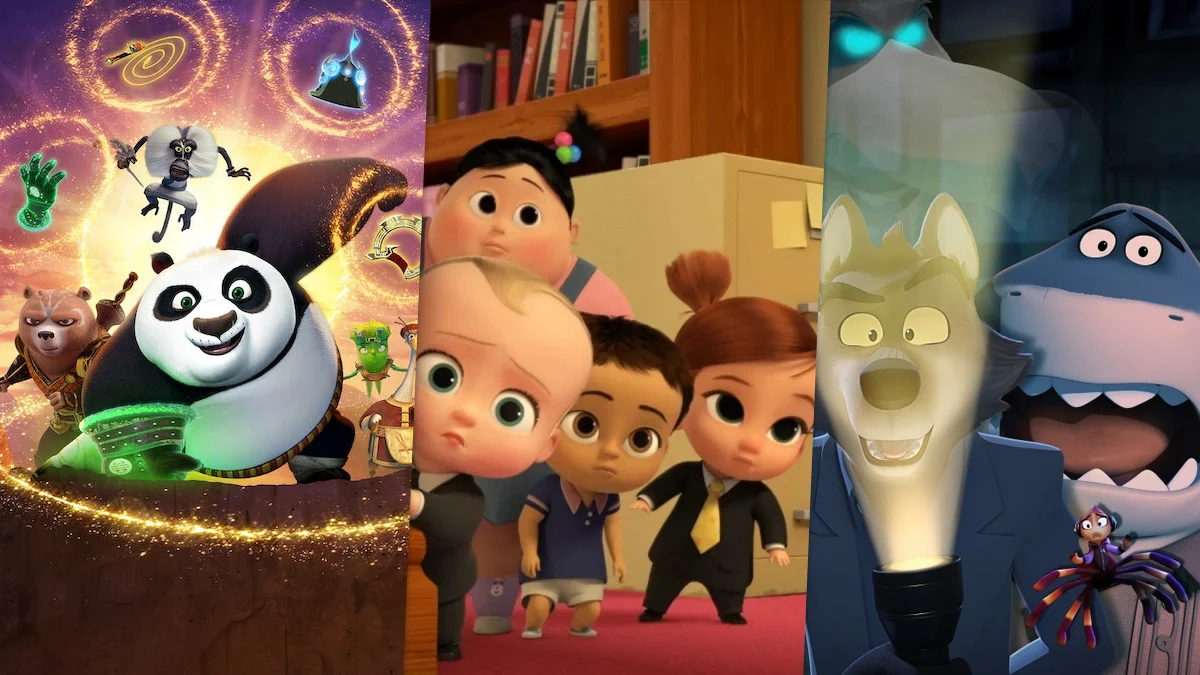
Subscribers to Netflix’s “Standard with Ads” tier are now able to access a substantial portion of the DreamWorks Animation Television library, a significant expansion of content availability that follows a similar unblocking of Sony Pictures titles. This move brings beloved series such as Guillermo del Toro’s Tales of Arcadia universe, the recently released The Bad Guys series, and many other popular animated shows into reach for a broader audience previously restricted by licensing agreements. The announcement marks a pivotal moment in Netflix’s strategy to enhance its ad-supported offering, addressing a long-standing frustration for many families.
The Evolution of Netflix’s Ad-Supported Tier
Netflix introduced its ad-supported tier in November 2022, a strategic pivot designed to attract price-sensitive consumers and diversify revenue streams amidst increasing competition and market saturation in the streaming landscape. Priced lower than its ad-free counterparts, the "Standard with Ads" plan quickly garnered millions of subscribers, indicating a strong demand for a more affordable entry point into Netflix’s extensive catalog. However, from its inception, the ad-tier faced a notable limitation: a significant portion of its content library, including many popular films and TV series, was unavailable due to existing licensing agreements that predated the ad-supported model. This content gap, often highlighted by a padlock icon on restricted titles, created a less-than-premium experience for ad-tier subscribers, particularly impacting family viewing, as a large number of children’s animated shows were among the locked content.
The initial rollout saw over 300 titles blocked in the United States alone. This situation prompted ongoing efforts by Netflix to renegotiate and update its agreements with content providers. The first major breakthrough came with Sony Pictures, allowing a large selection of their movies to become available on the ad-tier, demonstrating Netflix’s commitment to resolving these content impasses. The recent inclusion of DreamWorks Animation Television content represents an even larger victory, given the extensive library and the deep integration of these shows into Netflix’s brand, often carrying the "Netflix Original" badge.
Unraveling the Licensing Labyrinth: Why DreamWorks Was Locked
The unavailability of DreamWorks Animation Television series on the ad-tier had been a particularly perplexing issue for many subscribers. While many of these shows were marketed as "Netflix Originals," the reality of their production and distribution rights is more complex. Unlike wholly owned Netflix productions, a substantial portion of DreamWorks Animation Television content was produced by DreamWorks Animation (a subsidiary of NBCUniversal, owned by Comcast) under exclusive global distribution deals with Netflix. These agreements, signed years before Netflix conceived of an ad-supported tier, did not explicitly stipulate the right to run commercials alongside the content.
This contractual nuance meant that even though Netflix financed and distributed these shows globally, it did not own the underlying intellectual property outright. Consequently, to introduce advertising, Netflix required formal sign-off and renegotiation with DreamWorks Animation and its parent company, NBCUniversal. This process involved complex legal and commercial discussions to amend existing contracts, ensuring that both parties’ interests were aligned with the new ad-supported distribution model. Industry analysts suggest that these negotiations likely involved additional financial considerations for DreamWorks/NBCUniversal, reflecting the increased monetization potential through advertising revenue. The successful resolution of these talks indicates a mutual benefit, allowing Netflix to expand its ad-tier offerings and DreamWorks/NBCUniversal to potentially gain new revenue streams from a broader audience reach.
A Chronology of Content Unlocking
The journey to a more complete ad-supported library has been gradual but consistent:
- Late 2022: Netflix launches its "Standard with Ads" tier, immediately facing criticism for significant content gaps, with over 300 titles initially inaccessible. Many of these were popular films and family-friendly animated series.
- Early 202X (Recent Months): Netflix successfully renegotiates with Sony Pictures, unblocking a substantial catalog of movies for ad-tier subscribers. This marked the first major content category to see widespread availability.
- Present Day: Nearly the entire DreamWorks Animation Television library becomes fully streamable on the ad-tier in the US and other regions. This monumental shift includes major franchises that were previously premium-only.
- Ongoing Impact: With the DreamWorks titles now unblocked, the total number of restricted titles in the United States has reportedly fallen below 50, a dramatic reduction from the initial figure of over 300. This shrinking gap significantly enhances the value proposition of the ad-supported plan.
This chronology underscores Netflix’s persistent efforts to make its ad-tier a compelling and competitive option, progressively dismantling the contractual barriers that initially limited its appeal. Each successful negotiation not only adds content but also builds precedent for future agreements, streamlining the process for other content partners.
The Breadth and Importance of the DreamWorks Animation Television Library
The newly accessible DreamWorks Animation Television library is a treasure trove for families and animation enthusiasts. It encompasses a wide array of critically acclaimed and commercially successful series that have become synonymous with quality animated storytelling. These titles often serve as direct spin-offs or extensions of popular DreamWorks Animation film franchises, allowing characters and worlds to be explored in greater depth.
Key franchises now available include:
- Tales of Arcadia: Guillermo del Toro’s epic saga, beginning with Trollhunters, continuing with 3Below, and concluding with Wizards (though Wizards remains a curious exception for now). This universe is celebrated for its intricate mythology, compelling characters, and high-quality animation.
- The Boss Baby: Back in the Crib and other Boss Baby series: Expanding on the popular film, these shows offer humor and heart for younger viewers.
- Fast & Furious Spy Racers: An action-packed extension of the blockbuster film franchise, appealing to older children and fans of high-octane adventures.
- Kipo and the Age of Wonderbeasts: A critically acclaimed series known for its vibrant animation, diverse characters, and unique post-apocalyptic setting.
- Spirit Riding Free: Based on the Spirit film, this series has been a long-standing favorite for its themes of friendship and adventure.
- Dragons: Race to the Edge: Further adventures in the world of How to Train Your Dragon, beloved by fans of the films.
The inclusion of these series significantly bolsters Netflix’s offering for its family demographic, a crucial segment for subscriber acquisition and retention. The "Netflix Original" branding, despite the external ownership, has long led subscribers to expect these titles to be universally available on the platform. Their unlocking aligns the ad-tier experience more closely with that expectation, reducing confusion and improving user satisfaction.
The Peculiar Case of Wizards: Tales of Arcadia
Despite the widespread availability of DreamWorks content, one specific title, Wizards: Tales of Arcadia (2020), the third installment in Guillermo del Toro’s Tales of Arcadia universe, remains conspicuously locked on the ad-tier. While its predecessors, Trollhunters and 3Below, are now fully accessible with commercials, Wizards still displays the dreaded padlock icon.
The reason for this anomaly is not immediately clear. Several theories are circulating within industry circles:
- Backend Glitch: It could simply be a technical oversight or a delay in updating licensing flags on Netflix’s backend systems. Such glitches are not uncommon in large-scale content migrations and are often rectified quietly within days.
- Unique Co-Production Rights: Wizards might have a distinct co-production agreement compared to the other Tales of Arcadia entries. The involvement of "Double Dare You Productions" alongside DreamWorks Animation could introduce specific contractual clauses that require separate negotiation or present unique legal complexities, temporarily holding it back from the broader unblocking.
- Specific Contractual Nuance: There might be a particular clause within the Wizards contract that differs from the broader DreamWorks Animation Television blanket agreement, necessitating a standalone amendment that is still pending.
Regardless of the exact cause, Netflix and industry observers will be monitoring the situation closely. A swift resolution would confirm a technical issue, while a prolonged lockout could point to deeper contractual intricacies.
The Looming Expiry: A Race Against Time for Viewers
While the availability of DreamWorks titles on the ad-tier is cause for celebration, it comes with a critical caveat: these shows are not permanent fixtures on Netflix. Despite their "Netflix Original" branding, Netflix merely licensed the exclusive global distribution rights for a set period, rather than owning the intellectual property outright. These licensing windows are beginning to expire, meaning many of these beloved series are gradually departing the platform entirely.
The typical duration for these exclusive streaming rights has often been around five years from the final season’s release, though this can vary by individual contract. Once this window closes, the rights revert back to NBCUniversal, which can then choose to host the content on its own streaming services (like Peacock) or license it to other platforms. Netflix has already seen several older DreamWorks Animation Television shows leave its library in recent years, setting a clear precedent for the titles currently being unblocked.
This impending exodus creates a unique urgency for ad-tier subscribers. While they can now finally access series like Kipo and the Age of Wonderbeasts or binge the newer Boss Baby series, they are effectively in a race against time. Viewers who have been waiting for these titles to become available on their subscription plan are advised not to delay, as the window for viewing them on Netflix is finite and shrinking for many entries. This situation also highlights Netflix’s evolving content strategy, moving towards greater investment in wholly owned original content to mitigate future licensing expirations and maintain long-term control over its library.
Broader Implications for Netflix’s Ad-Tier Strategy
The unblocking of the DreamWorks Animation Television library carries significant implications for Netflix’s broader ad-tier strategy and the competitive streaming landscape:
- Enhanced Value Proposition: By significantly reducing content gaps, Netflix’s "Standard with Ads" tier becomes a far more attractive and competitive offering. It can now better rival ad-supported plans from competitors like Hulu, Max, and Disney+, which often boast more complete libraries.
- Subscriber Acquisition and Retention: A richer content catalog, especially in popular family entertainment, is crucial for attracting new subscribers and preventing churn among existing ones. This move solidifies the ad-tier as a viable and valuable option, potentially boosting subscriber numbers and retention rates.
- Proof of Concept for Licensing: The successful renegotiations with both Sony Pictures and NBCUniversal/DreamWorks demonstrate Netflix’s capability to navigate complex legacy contracts. This could pave the way for future agreements with other content partners, further reducing the remaining blocked titles.
- Increased Ad Revenue Potential: A larger, more appealing content library on the ad-tier translates directly to increased viewership, which in turn provides more advertising inventory and potentially higher ad revenue for Netflix. Advertisers are more likely to invest in platforms with robust and widely accessible content.
- Shifting Industry Dynamics: This development contributes to the ongoing trend of streaming services offering hybrid ad-supported models. As more premium content becomes available on these tiers, it may accelerate the broader industry shift towards a more diversified monetization approach, blurring the lines between traditional cable television and modern streaming.
In conclusion, the widespread availability of DreamWorks Animation Television content on Netflix’s ad-supported tier is a substantial victory for both the platform and its subscribers. It marks a significant step towards fulfilling the promise of a comprehensive content library for all tiers, even as the transient nature of some licensed "Netflix Originals" reminds viewers to enjoy these animated treasures while they last. This strategic move underscores Netflix’s commitment to evolving its service and maintaining its competitive edge in the dynamic world of streaming entertainment.