
Las Vegas, NV – The highly anticipated live-action adaptation of Nintendo’s iconic The Legend of Zelda franchise has officially concluded principal photography, with Sony Pictures confirming the milestone during its presentation at CinemaCon on Monday. The announcement, delivered by Sanford Panitch, President of Sony’s Motion Picture Group, solidified the project’s progress and reaffirmed its global release date of May 7, 2027. This cinematic endeavor, helmed by director Wes Ball, marks a significant collaboration between Sony and Nintendo, promising to bring one of gaming’s most revered sagas to the big screen with an unprecedented scale.
The revelation at CinemaCon, the annual gathering of cinema owners and Hollywood studios in Las Vegas, served as a powerful declaration of Sony’s continued commitment to high-profile video game adaptations. While no new images or additional details were unveiled beyond the completion of filming, Panitch’s remarks underscored the profound cultural impact of The Legend of Zelda, a franchise that has captivated generations of players and sold over 180 million copies across four decades. The film boasts a prestigious production team, including Nintendo legend Shigeru Miyamoto, the creator of the Zelda universe, and veteran Hollywood producer Avi Arad, known for his extensive work on numerous comic book and video game adaptations. The casting of young talents Bo Bragason as the magical Princess Zelda and Benjamin Evan Ainsworth as the courageous swordsman Link further signals a fresh take on the beloved characters, entrusted to a new generation of actors.
The Genesis of a Cinematic Legend: A Deep Dive into The Legend of Zelda on Film
The journey of The Legend of Zelda from pixelated adventures to a live-action feature film has been long and fraught with anticipation, reflecting a broader shift in Nintendo’s approach to its vast intellectual property portfolio. For decades, the notion of a Zelda film remained a fervent wish among fans, often met with skepticism or development hurdles. Nintendo, historically cautious after the mixed reception of the 1993 Super Mario Bros. movie, largely shied away from live-action adaptations of its core franchises. However, the resounding global success of Illumination and Nintendo’s animated The Super Mario Bros. Movie in 2023, which grossed an astounding $1.36 billion worldwide, proved to be a pivotal moment, validating Nintendo’s strategic pivot towards Hollywood. The subsequent strong performance of The Super Mario Galaxy Movie, released earlier this month and already exceeding $600,000 globally, further cemented the viability and immense market demand for cinematic interpretations of Nintendo’s treasured IPs.
This newfound confidence paved the way for The Legend of Zelda to finally receive the silver screen treatment it has long deserved. The announcement of the live-action film in October 2023 sent shockwaves of excitement through the gaming and film communities. The choice of director Wes Ball, acclaimed for his work on the Maze Runner trilogy and the recent critically praised Kingdom of the Planet of the Apes, signaled a commitment to a visually ambitious and narratively robust adaptation. Ball’s experience in crafting immersive fantasy worlds and directing large-scale action sequences positions him uniquely to tackle the expansive and often mystical realms of Hyrule. His previous films demonstrate a keen ability to balance intense character development with breathtaking spectacle, qualities essential for translating the epic scope of Zelda to live-action.
The collaborative production model, featuring Shigeru Miyamoto’s direct involvement alongside Avi Arad, is a testament to Nintendo’s desire to maintain creative control and ensure fidelity to the source material. Miyamoto’s presence as a producer offers fans a strong assurance that the film will honor the spirit and essence of the games, a critical factor for a franchise with such a devoted following. Avi Arad, with a track record spanning numerous successful adaptations including Spider-Man and Uncharted, brings invaluable experience in navigating the complexities of transforming beloved gaming narratives into compelling cinematic experiences. This dual oversight aims to blend creative authenticity with Hollywood production prowess.
Production Milestones and The Road Ahead
The completion of principal photography is a significant milestone for any major motion picture, especially one of this magnitude. It signifies the end of the on-set filming phase, allowing the production to transition fully into post-production. This next stage will involve extensive visual effects work, meticulous editing, sound design, and the creation of an original score—all critical components for bringing the fantastical world of Hyrule to life. Given the May 7, 2027, release date, the production team has a substantial timeframe for post-production, suggesting an ambitious visual spectacle that will require considerable time and resources to perfect. This extended timeline is common for high-fantasy films that rely heavily on CGI and intricate world-building, allowing for a polished final product.
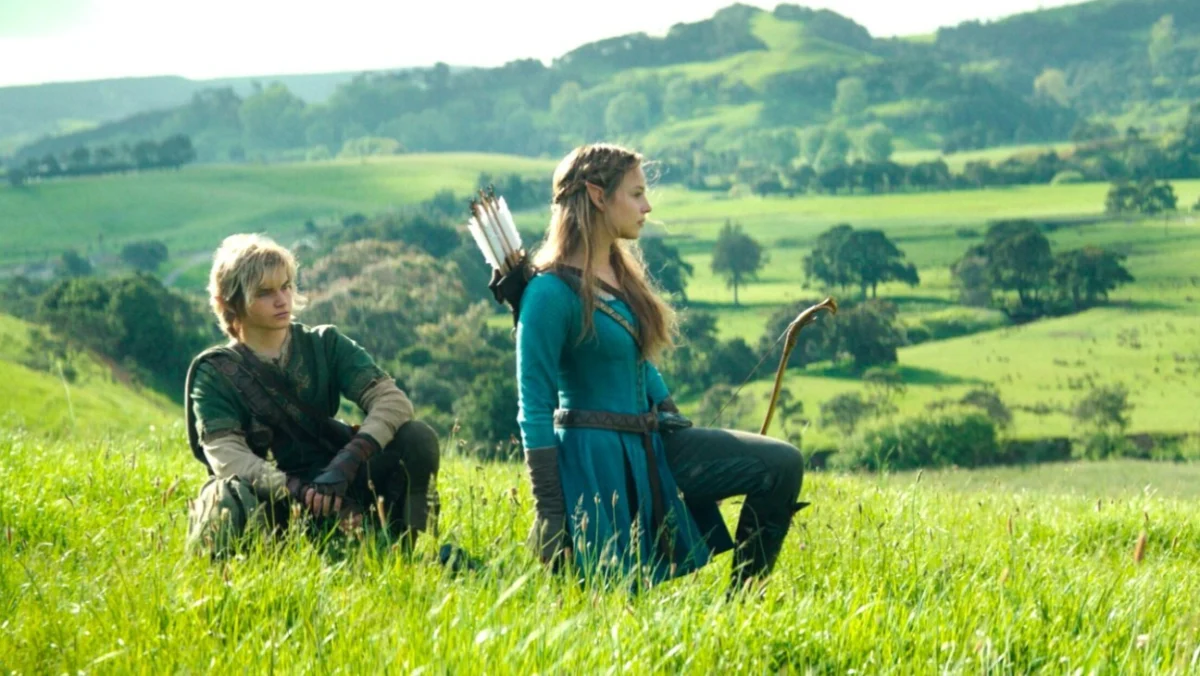
The initial first-look images, released in November, offered a tantalizing glimpse into the aesthetic and tone Ball is crafting, further fueling anticipation. While details remain sparse, the casting choices provide some insight into the film’s potential direction. Bo Bragason, known for her compelling performances in BBC One’s Three Girls and The Jetty, brings a depth of dramatic talent that could infuse Princess Zelda with a nuanced portrayal, moving beyond the traditional damsel-in-distress archetype to embody her role as a wise and powerful monarch. Benjamin Evan Ainsworth, with experience in both live-action (like Pinocchio) and voice acting (The Haunting of Bly Manor), has the versatility to portray Link’s quiet determination and heroic spirit, a challenge given the character’s traditionally silent nature in the games. Their youth suggests a potential focus on the characters’ growth and journey, perhaps aligning with the coming-of-age themes present in many Zelda installments.
Statements from the Studio and the Weight of Expectation
At CinemaCon, Sanford Panitch’s comments were carefully chosen to emphasize both the commercial potential and the emotional significance of the Zelda adaptation. "We just wrapped production on Nintendo’s The Legend of Zelda — based, perhaps, on the most beloved gaming franchise of all time that sold over 180 million copies in four decades," Panitch stated, highlighting the immense legacy the film carries. He continued, reinforcing the caliber of the team: "It has been produced by the creator himself, Miyamoto, along with Avi Arad, and it’s directed by Wes Ball, whose most recent Planet of the Apes movie was a box office hit."
Panitch concluded his remarks by reaffirming the release date and the studio’s broader strategy: "The film releases worldwide May 7th, 2027. We and the legion of fans everywhere cannot wait. And video game adaptations continue to be a significant focus for us." This statement clearly articulates Sony’s vision for leveraging popular gaming IPs to create cinematic tentpoles, a strategy that has proven increasingly lucrative across the industry. The phrase "legion of fans" acknowledges the enormous weight of expectation surrounding The Legend of Zelda, a franchise that holds deep personal significance for millions worldwide. This legion of fans will scrutinize every detail, from casting to narrative choices, placing immense pressure on Ball and his team to deliver an adaptation that is both faithful and innovative.
Broader Implications for Nintendo, Sony, and the Adaptation Landscape
The Legend of Zelda film is more than just another movie; it represents a significant chapter in the evolving relationship between the gaming and film industries, carrying substantial implications for several key players.
For Nintendo: This film further solidifies Nintendo’s successful expansion into broader multimedia entertainment. The company is strategically leveraging its beloved characters and worlds beyond video game consoles, diversifying its revenue streams and reinforcing its brand presence across different platforms. If Zelda mirrors the success of Mario, it could pave the way for a veritable "Nintendo Cinematic Universe," with other iconic franchises like Metroid, Star Fox, Donkey Kong, or even Kirby potentially receiving their own adaptations. This shift demonstrates Nintendo’s evolution from a purely gaming-centric company to a major entertainment conglomerate, capable of competing in the global film market. The cautious, IP-protective approach, exemplified by Miyamoto’s direct involvement, suggests a long-term strategy focused on quality and fan satisfaction.
For Sony Pictures: For Sony, The Legend of Zelda represents a critical tentpole release for 2027, bolstering its slate with a globally recognized and adored intellectual property. In an increasingly competitive cinematic landscape where established IPs often dictate box office success, securing Zelda is a major coup. It reinforces Sony’s commitment to video game adaptations, a genre where they have already found success with films like Uncharted. A successful Zelda film could launch a multi-film franchise, providing Sony with a steady stream of fantasy adventures for years to come, attracting a diverse audience of gamers, fantasy enthusiasts, and general moviegoers. This strategic investment underscores the studio’s belief in the enduring appeal and untapped potential of gaming narratives.
For the Video Game Adaptation Genre: The success of The Super Mario Bros. Movie and the anticipated success of The Legend of Zelda are pivotal for the entire video game adaptation genre. For a long time, video game movies were plagued by a reputation for being critically panned and commercially underperforming. However, recent years have seen a significant turnaround with films like Sonic the Hedgehog, Detective Pikachu, and television series like The Last of Us garnering critical acclaim and box office success. Zelda‘s live-action approach, distinct from Mario‘s animation, will further demonstrate the versatility of the genre and could encourage more studios to invest in high-quality, creatively ambitious game-to-film projects. It signals a maturation of the genre, where filmmakers and studios are increasingly understanding how to translate interactive experiences into compelling linear narratives while respecting the source material.
For the Cinema Industry: In an era where streaming services compete fiercely for eyeballs, event films based on beloved IPs are crucial for drawing audiences back to theaters. The Legend of Zelda has the potential to be one such event, offering a grand cinematic experience that justifies the trip to the multiplex. Its global recognition and dedicated fanbase ensure a built-in audience, providing a vital boost to theatrical exhibition. CinemaCon itself, as a platform for studios to showcase future blockbusters to theater owners, highlights the symbiotic relationship between content creators and exhibitors, working together to ensure the vitality of the theatrical experience. The sheer anticipation surrounding Zelda underscores the power of cultural touchstones in driving cinematic attendance.
CinemaCon: The Nexus of Film and Exhibition
CinemaCon, hosted annually by Cinema United (formerly known as the National Association of Theatre Owners), serves as the premier convention for the motion picture exhibition industry. Held in Las Vegas from April 13-16 this year, the event provides a crucial forum where Hollywood studios present their upcoming slates, trailers, and strategic initiatives to cinema owners and operators from around the world. It is a place for studios to generate buzz, build relationships, and secure exhibition commitments for their films. Sony’s decision to announce the wrap of The Legend of Zelda’s principal photography at this event was a calculated move, designed to excite exhibitors about a major tentpole release for 2027 and underscore the studio’s commitment to delivering compelling content that will fill seats for years to come. The enthusiastic reception from the industry professionals present reinforces the film’s perceived potential as a global blockbuster.
As The Legend of Zelda transitions into its extensive post-production phase, the countdown to May 7, 2027, officially begins. The collaboration between Sony and Nintendo, the vision of Wes Ball, and the dedication of the cast and crew are all aligned to bring to life a cinematic experience worthy of Hyrule’s legendary status. The world watches with bated breath, eager to see how the timeless tale of Link, Zelda, and the Triforce will unfold on the silver screen, potentially setting a new benchmark for video game adaptations and cementing Nintendo’s legacy in the annals of Hollywood history.