

The release of Marvel’s Wolverine marks a significant entry in Sony Interactive Entertainment’s portfolio of first-party titles, signaling a departure from the expansive open-world design that has defined the company’s recent output. Developed by Insomniac Games, the title pivots toward a more linear, narrative-driven structure. While the game succeeds in its intimate portrayal of its protagonist, Logan, it simultaneously faces scrutiny regarding its reliance on mechanical tropes that have become increasingly familiar to modern players.

The Evolution of the Superhero Action Genre
The superhero genre in gaming has reached a state of maturity over the last decade. Titles like Rocksteady’s Batman: Arkham series and Insomniac’s own Marvel’s Spider-Man established a "prestige" triple-A blueprint. This formula typically includes semi-open environments, skill trees, traversal mechanics—such as grappling hooks or gliding—and a "rage" or "focus" meter that allows players to unleash cinematic, high-damage finishers.
Wolverine, a character defined by his regenerative abilities, sensory perception, and inherent volatility, appears at first glance to be the ideal candidate for this established design framework. However, the industry’s shift toward more refined, inventive combat systems has left some traditional mechanics feeling antiquated. By placing Wolverine within a linear, mission-based structure, the developers aimed for a more concentrated experience. Data from recent industry performance metrics suggests that while open-world games maintain high engagement, there is a recurring demand for shorter, highly polished linear campaigns. Marvel’s Wolverine attempts to fulfill this, though the execution reveals a struggle to reconcile legacy mechanics with modern expectations.

Narrative Context and Characterization
The narrative of Marvel’s Wolverine diverges significantly from established comic book canon. The game ignores the traditional X-Men team structure, instead positioning Logan within "Team X," a unit operating under the influence of Nathaniel Essex. This version of the Essex Institute acts as a sanctuary for mutants, framing the story as a poignant exploration of found family and the struggle against systemic persecution.
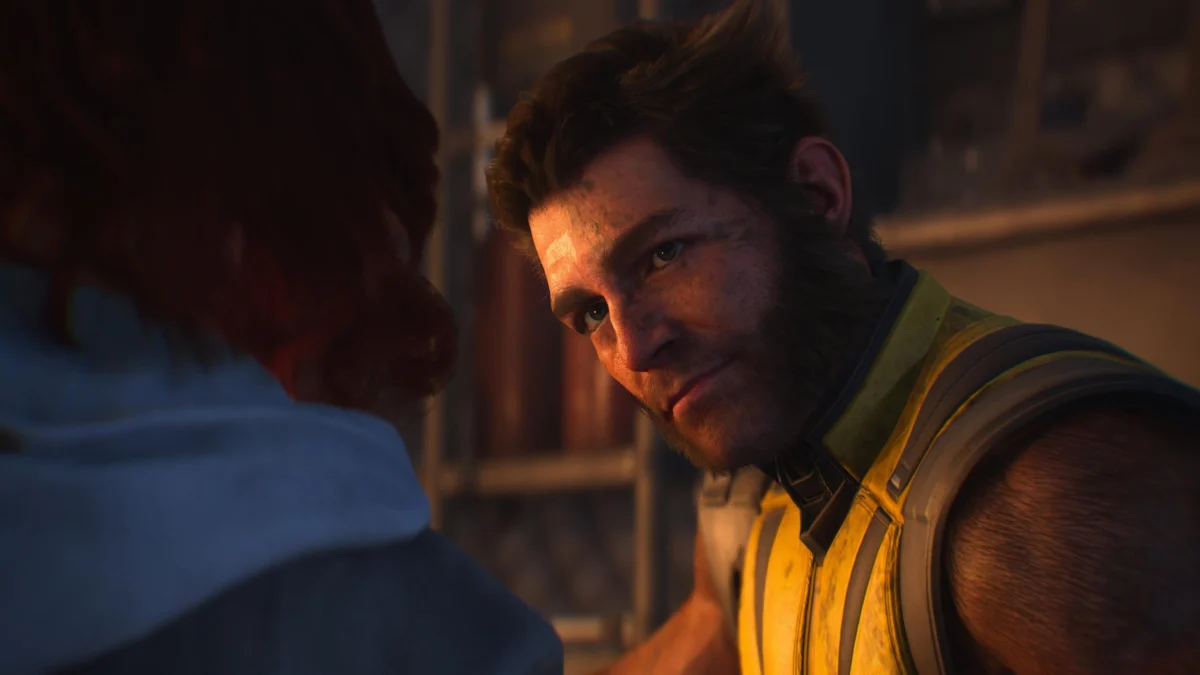
The writing team at Insomniac has opted for a departure from the "gruff, cynical" archetype often associated with the character. Liam McIntyre’s performance as Logan emphasizes a vulnerable, empathetic side of the hero, contrasting sharply with the visceral violence he inflicts in combat. Despite this nuanced character work, the plot progression has been criticized for its lack of player agency. The narrative is largely linear, with the protagonist often functioning as a passenger to the machinations of external antagonists. This disconnect between character depth and narrative momentum limits the player’s ability to influence the story’s trajectory, reducing the emotional stakes of Logan’s quest for identity.

Gameplay Mechanics and Combat Analysis
The combat in Marvel’s Wolverine is built upon a foundation of established systems. Players utilize a standard suite of light and heavy attacks, augmented by a parry-based defense mechanism that utilizes a visual color-coded indicator system: blue for parries, red for unblockable attacks, and gold for high-risk "reckless" maneuvers.
Technical analysis of the gameplay loop indicates that while these systems are functional and responsive, they lack the mechanical depth seen in titles like Sekiro: Shadows Die Twice or Ninja Gaiden. The reliance on repetitive "mash-to-win" finishing moves and a predictable cadence of enemy waves creates a sense of stagnation. While the gore and particle effects—particularly when utilizing "hot claws"—provide initial satisfaction, the lack of variety in enemy types and combat encounters diminishes the experience over the course of the campaign.

The RPG elements, including minor skill trees and stat-boosting collectibles like whiskey bottles, feel secondary to the core action. These additions aim to provide a sense of progression, yet they often feel like holdovers from an earlier era of game design rather than meaningful innovations. The integration of "Nightmare Doors"—optional challenge rooms—further underscores this, as they feel disconnected from the central narrative, serving as brief, detached tests of skill rather than integrated story beats.
Industry Implications and Production Scope
Insomniac Games has historically been recognized for high-budget productions that push the boundaries of current hardware. With the release of Marvel’s Wolverine on the PlayStation 5, and specifically optimized for the PS5 Pro, the visual fidelity is largely consistent with Sony’s high standards. The game features advanced ray-tracing and fluid animation. However, observers have noted that the game feels smaller in scope compared to the Marvel’s Spider-Man series.

Industry analysts have speculated that this shift in scale may reflect a broader trend in the gaming industry: an effort to optimize development budgets while maintaining high-quality, branded content. By streamlining the environments and focusing on a linear path, the studio may be attempting to mitigate the rising costs of large-scale open-world development. However, the downside of this "budget-conscious" approach is the occasional presence of dated assets, such as lower-detail non-playable characters (NPCs) and background environments that fail to meet the "next-gen" standard set by the studio’s previous works.
Comparative Performance and Critical Reception
When measured against contemporary benchmarks, Marvel’s Wolverine occupies a difficult space. The game lacks the directorial flair of Alan Wake 2, the movement-based innovation of Titanfall 2, or the mechanical complexity of God of War. While it maintains a baseline of "fun," it struggles to establish a unique identity that separates it from its peers.

The character-driven moments—where Logan interacts with Sabretooth or Mystique—are the game’s strongest assets. These interactions are delivered with high levels of sincerity and warmth, providing a necessary counterbalance to the unrelenting, repetitive combat. The portrayal of Jean Grey, while acted competently, represents a missed opportunity; the script relegates her to a supporting role, failing to leverage her potential as a catalyst for the story.
Conclusion and Future Outlook
The release of Marvel’s Wolverine serves as a testament to the enduring appeal of the X-Men mythos, but also as a warning regarding the stagnation of action-game design. The game succeeds as a character study, offering a version of Logan that is surprisingly human and deeply endearing. It is, in many ways, a "fine" experience that relies on the strength of its source material to maintain player interest.

However, as an action game, it faces challenges in a market that has moved toward higher levels of mechanical depth and player expression. The lack of variety in combat, coupled with a predictable narrative structure, suggests that the traditional "blockbuster" formula may need to evolve further to remain relevant. Whether this title marks a permanent shift toward leaner, smaller-scale Sony exclusives or remains an outlier in the company’s library, the reception to Marvel’s Wolverine will likely inform the development strategies for future superhero-themed projects. As it stands, the game is a nostalgic, albeit safe, contribution to the genre—a title that relies on the charm of its protagonist to mask the creaks in its aging foundation.