
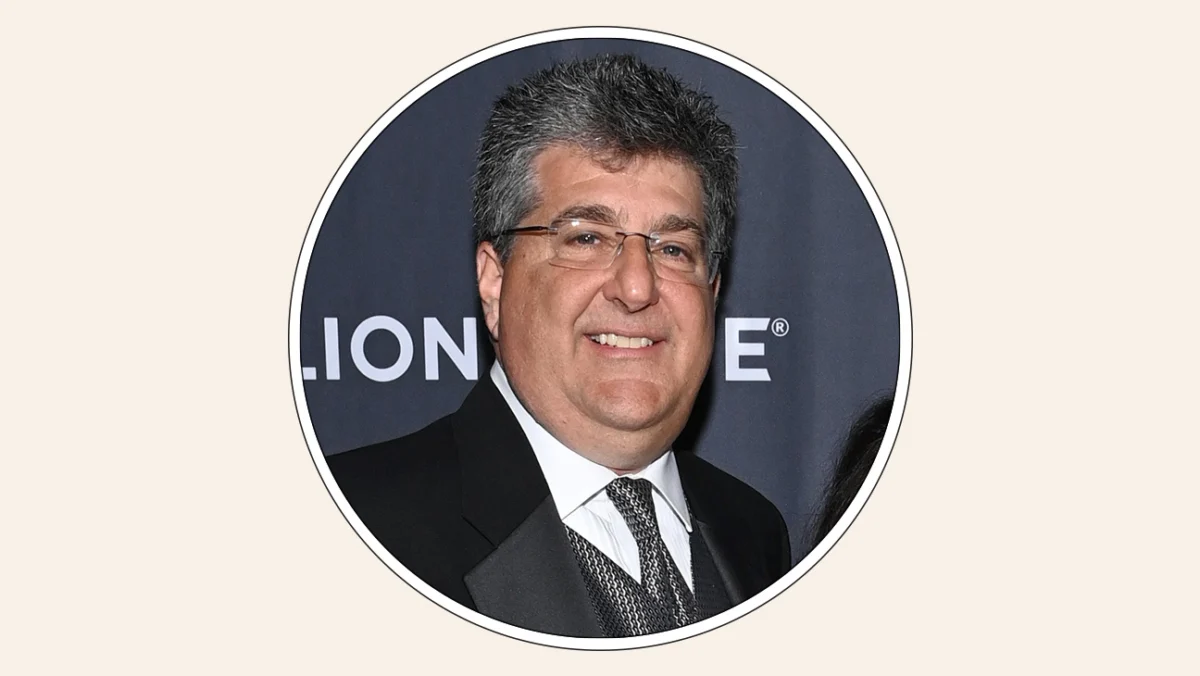
After 34 years at CBS News, Guy Campanile, the former managing editor of the legendary program 60 Minutes, occupies a unique position in the current media landscape: he is both a displaced veteran of an institutional shake-up and a seasoned observer of the journalistic standards he helped uphold for over three decades. His departure in May 2026, alongside several other high-profile correspondents and producers, marked a pivotal, and some would argue, tectonic shift for the network. As the program navigates its 59th season under new leadership—specifically the influence of editor-in-chief Bari Weiss—the industry remains focused on whether the "most prestigious news program on American television" can maintain its editorial integrity while undergoing a radical transformation.
A Timeline of Institutional Upheaval
The erosion of the status quo at CBS News did not occur overnight, but the events of early 2026 accelerated the friction between traditional broadcast standards and a new, more ideologically driven editorial direction. In the spring of 2026, the network announced a sweeping restructuring of its marquee magazine program.
The ousting of Campanile, correspondents Sharyn Alfonsi and Cecilia Vega, and key leaders such as Tanya Simon and Draggan Mihailovich signaled a departure from the "old guard." The situation reached a boiling point when veteran correspondent Scott Pelley was reportedly fired following a direct confrontation with incoming management regarding the editorial autonomy of the show. For critics and insiders alike, these departures represented more than mere personnel changes; they were interpreted as a shift in the DNA of 60 Minutes.
The Core Critique: Content vs. Presentation
Campanile, known throughout his tenure for his uncompromising, often abrasive frankness, has refrained from issuing a blanket condemnation of the new season. Instead, he has focused his critique on the structural and editorial choices made during the premiere.
"We kept hearing about a notebook full of ideas that the new executive producer had, and the broadcast had been described as a melting ice cube and that changes had to happen," Campanile noted, pointing out the irony that the program had actually seen a nine percent viewership increase in the preceding season. "The broadcast I’ve seen the first few weeks, in the broad strokes, in shape and form, not in content, does not look very different. So I’m trying to understand why it was all blown up."
The primary grievance centers on a perceived decline in the "hard" investigative rigor that defined 60 Minutes for half a century. In the season premiere, the show featured a high-profile interview with a U.S. Air Force officer rescued from Iran. While the segment possessed undeniable narrative power, Campanile argued that the editorial team failed to press the Secretary of Defense, Pete Hegseth, and the Chairman of the Joint Chiefs of Staff, Dan Caine, on the broader geopolitical implications and the unpopularity of the ongoing war in Iran.
"Where I, as a viewer, got stuck is how do we have the Secretary of Defense and the Chairman of the Joint Chiefs of Staff in that story and not ask about the conduct, the arc and the status of the war?" Campanile asked. By excluding these questions, he suggests the program risked appearing to grant access in exchange for favorable optics, a practice he claims was strictly prohibited during his tenure.

The Tabloidization of Public Interest
The criticism extended to the second episode of the season, which featured an interview with Patrick Clancy regarding the murder of his children by his then-wife, Lindsay Clancy. While acknowledging the "high-interest" nature of the story, Campanile expressed concern that the segment lacked the investigative depth required for a program of the caliber of 60 Minutes.
"I think it’s a high-interest story, but you have to bring more than just high interest, because otherwise it feels a little tabloid-y," he stated. For Campanile, the departure from the "thoughtful" investigative journalism that once defined the program’s brand is an existential threat. If 60 Minutes pivots toward sensationalism to maintain ratings, he fears it will lose the unique audience trust it spent decades cultivating.
Broader Industry Implications: The Paramount-Skydance Merger
The uncertainty surrounding the editorial direction of 60 Minutes is compounded by the looming corporate consolidation of the parent company. The recent settlement between Paramount Skydance and 12 state attorneys general, which paves the way for a merger with Warner Bros. Discovery, adds a layer of complexity to the future of the network. Should the acquisition of CNN by the merged entity proceed, it will create one of the largest media conglomerates in history.
This consolidation raises significant questions regarding editorial oversight. Campanile is particularly vocal about the lack of clarity regarding the proposed editorial oversight board. "Chief among them is who is running this operation? Is it going to be Mark Thompson or is it going to be Bari Weiss?" he questioned. The historical failure to maintain an active, functioning ombudsman—who has been absent for over a year—only heightens the concern that institutional checks and balances at CBS are currently insufficient.
The Data and the Verdict
While proponents of the new leadership argue that the changes were necessary to modernize the program for a digital-first audience, the data from the first few weeks suggests that the audience is not necessarily seeing a radical departure from the past. If the "shape and form" remain similar to previous seasons, the radical turnover of staff may prove difficult to justify to shareholders and viewers alike.
Campanile, meanwhile, has moved on to launch a media consultancy, FFWD Media Mentor, aimed at providing the type of rigorous, no-nonsense feedback that characterized his management style. He remains an observer, waiting to see if the "secret sauce" of the program survives the transition.
"I have said over and over again, you are what the scoreboard says you are," Campanile concluded. "So let’s see where we are in April and March and May, and then the final verdict will come down."
Conclusion: A Turning Point for Broadcast Journalism
The future of 60 Minutes serves as a microcosm for the struggles of traditional broadcast news in the 21st century. The tension between the need for high-interest, "viral-ready" content and the requirement for deep-dive, investigative journalism is an ongoing battle. As the program moves deeper into its 59th season, the industry will be watching closely to see if the new editorial guard can replicate the success of the past or if the loss of veteran producers and correspondents marks the end of an era. The final verdict, as Campanile noted, will not be delivered by the executives, but by the audience that decides whether the program still fulfills its promise of holding power to account.