

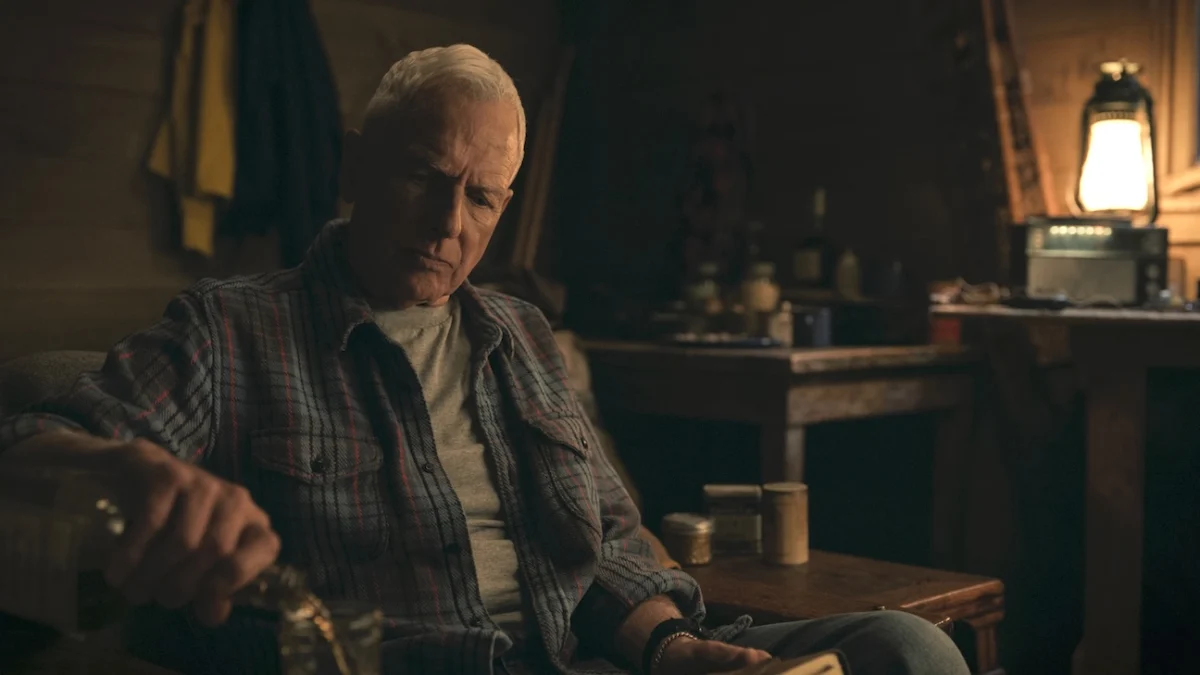
Veteran actor Mark Harmon is set to make a full-time, on-screen return to the highly successful NCIS-verse, reprising his iconic role as Leroy Jethro Gibbs in the prequel series NCIS: Origins for its 2026-27 season. This significant announcement confirms Harmon will appear in every episode of the third season of Origins, not only as the beloved character but also continuing his roles as narrator and executive producer for the series. The move marks a pivotal moment for the expansive NCIS franchise, signaling a deeper integration of its foundational character into the narrative of its newest offshoot and a strategic play by CBS to leverage one of its most enduring stars.
The Enduring Legacy of Leroy Jethro Gibbs
Mark Harmon’s portrayal of Special Agent Leroy Jethro Gibbs has been the bedrock of the NCIS franchise since its inception as a backdoor pilot within JAG in 2003. For over 18 seasons, Harmon anchored the flagship series, developing Gibbs into one of television’s most recognizable and revered characters. Known for his stoic demeanor, sharp wit, and a strict moral code often enforced by "Gibbs’ Rules," the character resonated deeply with audiences, making NCIS a global phenomenon. Under Harmon’s leadership, the show consistently ranked among television’s most-watched dramas, often pulling in excess of 15 million viewers during its peak, a rare feat in the evolving landscape of broadcast television. His departure from the main series early in its 19th season (2021-22), where Gibbs opted for a quiet life in Alaska, left a void that was keenly felt by loyal fans and industry observers alike. While Harmon remained an executive producer for the flagship show, his physical absence from the screen prompted widespread discussion about the future direction of the series and the broader franchise. The strategic decision to bring him back in a full-time capacity for Origins underscores the network’s understanding of Gibbs’ enduring appeal and Harmon’s irreplaceable connection with the audience. This return is poised to reignite fan enthusiasm and potentially draw a new wave of viewers to the prequel, eager to see the genesis of the character they have known for decades.
The Genesis of NCIS: Origins
NCIS: Origins was conceived as a bold expansion of the NCIS universe, designed to explore the formative years of Leroy Jethro Gibbs. Ordered straight to series by CBS in 2024, the prequel delves into Gibbs’ early career in the 1990s, offering a glimpse into the events and experiences that shaped him into the seasoned, enigmatic leader audiences came to know. The series stars Austin Stowell as the younger Gibbs, tasked with embodying the complexities of a character defined by Harmon for nearly two decades. The narrative centers on Gibbs’ early days at Camp Pendleton, where he navigates the challenges of a burgeoning NCIS career alongside a new team, including Mike Franks, his future mentor, portrayed by Kyle Schmid. Mariel Molino, Tyla Abercrumbie, Diany Rodriguez, and Caleb Foote round out the ensemble cast, depicting the vibrant and often dangerous world of naval investigations in a pre-9/11 era. The creation of Origins speaks to the immense value CBS places on the NCIS brand, seeking to extend its lifespan and appeal by delving into its rich character history. Prequels, when executed effectively, can refresh a franchise, attract new demographics, and provide a deeper understanding of beloved characters, and Origins was positioned to do exactly that.
A Chronology of Harmon’s Engagement with Origins
Mark Harmon’s involvement with NCIS: Origins has been a carefully orchestrated reintroduction of his character to the screen. Initially, Harmon’s role was primarily behind the scenes as an executive producer, a natural extension of his long-standing commitment to the NCIS brand. However, his on-screen presence began to materialize shortly after the prequel’s announcement.
- 2024 Series Premiere: Harmon made an appearance in the inaugural episode of NCIS: Origins, lending his familiar voice as the narrator, a crucial element in establishing the narrative link between the young Gibbs and the iconic character he would become. This initial appearance served as a powerful signal to fans that while the lead actor had changed, the spirit and voice of Gibbs remained intrinsically connected to Harmon.
- "Last Season" Crossover Event: In what the original announcement refers to as "last season" (implying the recently aired or concluded second season of Origins), Harmon guest-starred in a significant crossover event. This episode creatively bridged the 1990s setting of Origins with the present-day timeline of the flagship NCIS series. Such crossovers are a hallmark of the NCIS universe, designed to intertwine narratives, provide fan service, and reinforce the interconnectedness of its various installments. Harmon’s participation in this capacity further teased his potential for a more substantial return, keeping the character of present-day Gibbs alive in the minds of viewers.
- Full-Time Return in 2026-27 (Season Three): The culmination of these appearances is the official confirmation of Harmon’s full-time return in NCIS: Origins‘ third season, scheduled for the 2026-27 broadcast year. This commitment signifies a major upgrade from guest appearances to a regular, on-screen role across all episodes. Harmon will continue his narrative duties, providing the retrospective wisdom and insight of the older Gibbs, while also physically appearing as a present-day version of the character, entangled in a mystery that directly links to his past.
This gradual reintroduction demonstrates a strategic approach by CBS and the production team to maximize anticipation and ensure a seamless integration of Harmon’s presence, bridging the gap between the past and present iterations of Gibbs.
A Strategic Shift Towards Serialized Storytelling
The announcement of Harmon’s full-time return for NCIS: Origins Season 3 comes with another significant revelation: the season will pivot towards a heavily serialized narrative. The premise involves Harmon’s present-day Gibbs becoming embroiled in a mystery that directly connects to his experiences at Camp Pendleton in the 1990s, with this overarching storyline spanning the entire season. This approach represents a notable departure from the traditional procedural format that has been the hallmark of the NCIS franchise for two decades.
The NCIS universe, across its more than 1,100 episodes and seven existing series (with an eighth, NCIS: New York, also in development), has largely thrived on self-contained, "case-of-the-week" storytelling. While elements of character development and season-long arcs have always been present, the core appeal has been the resolution of individual cases within each episode. This formula has allowed for immense syndication success and made the shows accessible to casual viewers.
The shift to a heavily serialized mystery in Origins Season 3 suggests a conscious effort to engage audiences with a deeper, more continuous narrative thread, potentially catering to modern viewing habits that favor binge-watching and intricate plot development. For a prequel focusing on character origins, a serialized format can be particularly effective in exploring the psychological evolution of Gibbs and the long-term repercussions of his early career decisions. This move could invigorate the franchise by offering a fresh narrative style, appealing to viewers who appreciate complex, unfolding stories, while still retaining the procedural elements within the overarching arc. It also allows for a more meaningful and integrated role for Harmon’s present-day Gibbs, whose reflections and investigations can directly inform and contextualize the younger Gibbs’ journey.
The Expansive NCIS Franchise and Its Importance to CBS
The NCIS franchise stands as one of television’s most successful and enduring properties. Originating from JAG, the flagship NCIS series quickly surpassed its predecessor in popularity, becoming a global phenomenon. Its consistent high ratings, even two decades into its run, have made it a cornerstone of CBS’s prime-time schedule. The success of the original series spawned a vibrant universe of spin-offs, each with its unique flavor and geographical setting:
- NCIS: Los Angeles (2009-2023): Known for its high-octane action and dynamic duo of G. Callen (Chris O’Donnell) and Sam Hanna (LL Cool J).
- NCIS: New Orleans (2014-2021): Led by Scott Bakula, bringing a distinctive Southern charm and musicality to the procedural format.
- NCIS: Hawaiʻi (2021-Present): Breaking new ground with the franchise’s first female lead, Jane Tennant (Vanessa Lachey), set against the picturesque backdrop of the Pacific.
- NCIS: Sydney (2023-Present): The first international installment, expanding the NCIS mandate to Australia, showcasing global cooperation in naval crime.
- NCIS: Origins (2024-Present): The latest addition, delving into the past to explore Gibbs’ formative years.
- NCIS: New York (In Development): Announced alongside the renewed commitment to the franchise, featuring LL Cool J and Scott Caan, signaling further expansion.
Collectively, these series have generated over 1,100 episodes, a staggering library that generates significant revenue through domestic and international syndication, streaming rights, and merchandise. The franchise’s global appeal is immense, with NCIS regularly ranking among the most-watched shows worldwide. For CBS, the NCIS brand represents stability, a reliable audience base, and a powerful asset in an increasingly competitive media landscape. Mark Harmon’s return to a full-time, on-screen role in Origins is not merely about a single character; it’s a strategic investment in the long-term health and continued expansion of this invaluable franchise. It signals the network’s commitment to delivering what its loyal viewers cherish while also innovating with new storytelling approaches.
Production Details and Key Players
NCIS: Origins is produced by CBS Studios, the powerhouse behind the entire NCIS franchise, ensuring continuity in production quality and thematic consistency across the universe. The series benefits from a seasoned creative team. David J. North, a veteran writer and producer within the NCIS ecosystem, takes the helm as showrunner for season three. He also serves as an executive producer, alongside Mark Harmon himself, his son Sean Harmon (who portrays a younger Gibbs in flashback sequences in the main NCIS series and was instrumental in developing Origins), Michele Greco, and NCIS: Los Angeles alum Eric Christian Olsen. This confluence of experience, particularly from individuals deeply embedded in the NCIS narrative and production for years, bodes well for the creative direction of the prequel and the nuanced integration of Mark Harmon’s full-time role. The cast, led by Austin Stowell as the young Gibbs, and featuring Kyle Schmid, Mariel Molino, Tyla Abercrumbie, Diany Rodriguez, and Caleb Foote, has the critical task of bringing to life the foundational years of these beloved characters, and Harmon’s narrative and present-day appearances will undoubtedly provide a guiding light for their performances.
Broader Impact and Implications
Mark Harmon’s full-time return to the NCIS-verse is poised to have several significant implications for CBS and the franchise. Firstly, it is expected to provide a substantial boost to the viewership and overall profile of NCIS: Origins. Harmon’s immense popularity and the character of Gibbs are powerful draws, capable of attracting lapsed NCIS viewers and new audiences curious about the origins of such an iconic figure. This could solidify Origins as a flagship spin-off, ensuring its longevity within the ever-expanding universe.
Secondly, the strategic shift to a heavily serialized mystery for Season 3, coupled with Harmon’s integrated presence, indicates a willingness by the network to evolve its storytelling methods while honoring its core appeal. This move could potentially attract a younger demographic accustomed to the intricate narratives of streaming services, without alienating the traditional broadcast audience. The successful implementation of a serialized arc could also open doors for similar narrative experiments across other NCIS series, providing a creative refresh for the entire franchise.
Furthermore, Harmon’s continued involvement as an executive producer, combined with his on-screen presence, reinforces the authentic connection to the original series. This maintains a strong sense of continuity and legacy, crucial for a franchise built on decades of character investment. For CBS, retaining such a high-profile and beloved talent in a prominent role is a clear demonstration of its commitment to quality programming and fan satisfaction. In an era where major network franchises are increasingly vital, the strengthening of the NCIS brand through Harmon’s return is a shrewd business decision that will likely pay dividends in viewership, critical reception, and continued global relevance. The social media buzz following CBS’s announcement already indicates the high level of fan excitement, setting the stage for what promises to be a highly anticipated third season of NCIS: Origins.