
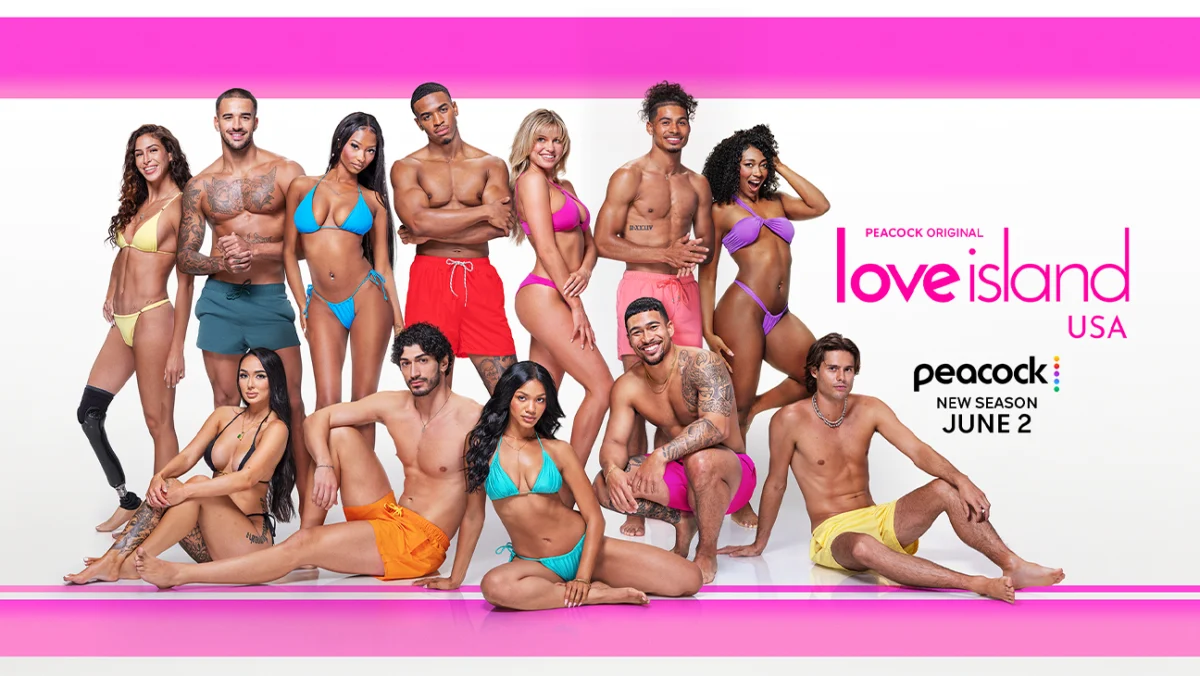
In a swift and decisive move that underscores the ongoing challenges facing reality television productions, Vasana Montgomery, a newly announced participant for the eighth season of Peacock’s popular dating series Love Island USA, has been removed from the cast just days before its highly anticipated premiere. The decision came after videos of Montgomery using a deeply offensive racial slur, specifically the n-word, surfaced online, drawing immediate condemnation and raising serious questions about the efficacy of pre-production vetting processes within the industry. Montgomery, identified as a business owner hailing from Beaverton, Oregon, was slated to be one of the initial "islanders" entering the villa, her participation abruptly halted as the controversy gained traction across social media platforms.
The confirmation of her removal was first reported by The Hollywood Reporter, highlighting a growing pattern of such incidents that have plagued Love Island USA and other reality franchises in recent years. This latest development casts a shadow over the upcoming season, forcing producers and network executives to once again address public demands for accountability and a zero-tolerance policy towards discriminatory language.
The Immediate Fallout for Love Island USA Season 8
Vasana Montgomery’s Swift Departure
The removal of Vasana Montgomery from the Love Island USA Season 8 cast represents a rapid response to public outcry, a testament to the accelerated feedback loop facilitated by social media. Her participation was initially announced on Thursday, alongside a diverse group of other hopefuls, all vying for love and a cash prize in the show’s signature villa setting. However, within a mere few days, the excitement surrounding her inclusion transformed into controversy when damning videos, reportedly privately owned and not publicly accessible until after the cast reveal, began circulating online. These videos explicitly showed Montgomery using the racial slur, an action unequivocally deemed unacceptable by production standards and societal norms.
The timing of this incident is particularly critical, occurring on the cusp of the new season’s launch. Such last-minute casting changes are logistically complex and costly for productions, involving adjustments to promotional materials, early filming schedules, and narrative arcs. Beyond the operational hurdles, the primary concern for Peacock and ITV America, the production company behind Love Island USA, is the potential damage to the show’s reputation and brand image, especially given its target demographic often comprises younger, socially conscious viewers. The swiftness of Montgomery’s removal signals an industry increasingly sensitive to, and unwilling to tolerate, behavior perceived as racist or discriminatory, understanding that prolonged inaction can lead to more significant backlash.
Context of the Controversy
Love Island USA, an American adaptation of the highly successful British format, places a group of single contestants in a luxurious villa in a picturesque location, isolated from the outside world. Participants must couple up, and through a series of challenges, dates, and public votes, they navigate relationships, friendships, and strategic alliances to remain in the competition. The show, known for its dramatic interpersonal dynamics, romantic entanglements, and often intense public engagement, has built a significant following since its debut. Its migration to Peacock for its more recent seasons aimed to capitalize on a streaming audience eager for unscripted drama.
The show’s format, which heavily relies on the personalities and interactions of its cast members, makes the selection process paramount. Contestants are expected to be charismatic, engaging, and broadly appealing to a diverse audience. The emergence of past problematic behavior, particularly involving racial slurs, directly contradicts the inclusive image that modern entertainment brands strive to project. In an era where authenticity and social responsibility are increasingly valued by audiences, any perceived lapse in these areas can quickly erode trust and viewership. The use of such derogatory language is not merely a breach of a "good conduct" clause but a fundamental violation of the values of respect and inclusion that networks like Peacock aim to uphold.
A Recurring Challenge: Love Island USA’s History of Casting Issues
Season 7 Precedents: Escobar and Ortega
This is not an isolated incident for Love Island USA. The franchise has grappled with similar controversies in previous installments, particularly during its seventh season. That season saw the removal of two cast members under comparable circumstances, underscoring a persistent vulnerability in the show’s casting and vetting protocols.
Yulissa Escobar was an original cast member for Love Island USA Season 7. Shortly after she entered the villa and her public profile became prominent, clips of her using racial slurs resurfaced online. The backlash was immediate and severe, leading to her prompt removal from the show by producers. The incident served as a stark reminder of the long memory of the internet and the public’s heightened expectation for accountability from individuals in the public eye, no matter how nascent their fame.
Following Escobar’s departure, Cierra Ortega, another contestant from Season 7, also faced scrutiny for past social media posts containing racial slurs. While the specifics of her departure differed slightly – she addressed the controversy publicly and ultimately left the show – the underlying cause was identical: a history of using offensive language that came to light post-casting. These back-to-back incidents within a single season highlighted a systemic issue, prompting calls for more rigorous and comprehensive vetting from fans and media commentators alike. The recurrence of such an event in Season 8 with Vasana Montgomery indicates that while lessons may have been learned, implementing foolproof preventative measures remains an elusive goal.
Broader Reality TV Landscape
The challenges faced by Love Island USA are not unique to the franchise but reflect a broader industry-wide struggle within reality television. In recent years, numerous reality shows have seen contestants removed or faced public outcry due to unearthed problematic behavior, often involving racism, homophobia, or other forms of discrimination.
A prominent example outside of Love Island includes the Vanderpump Rules scandal, where several long-standing cast members, including Stassi Schroeder and Kristen Doute, were fired for racist actions against a former castmate. Similarly, Big Brother has had multiple contestants removed or heavily criticized for racist and insensitive remarks made both inside and outside the house, dating back over a decade with individuals like Aaryn Gries and GinaMarie Zimmerman. These instances underscore a critical evolution in how audiences, particularly on social media, engage with and police the conduct of reality TV personalities. What might have been overlooked or quietly managed in the past is now almost instantaneously amplified and subjected to intense public scrutiny, often leading to immediate and severe consequences for individuals and significant reputational damage for shows and networks. This collective history forms the backdrop against which Montgomery’s removal must be understood, not as an isolated incident, but as part of a larger, ongoing reckoning within the entertainment industry regarding diversity, inclusion, and accountability.
The Intricacies of Reality TV Vetting Processes
Standard Protocols and Their Limitations
The recurrence of casting controversies on Love Island USA and other reality programs inevitably leads to a critical examination of the industry’s vetting processes. Typically, reality TV casting involves multiple layers of background checks designed to mitigate risks. These protocols usually include criminal background checks, extensive psychological evaluations to assess mental fitness for the unique pressures of reality TV, and in-depth social media audits. The social media review typically covers publicly accessible profiles across various platforms (Facebook, Instagram, X/Twitter, TikTok, etc.) to identify any problematic posts, comments, or affiliations that could prove detrimental. Furthermore, extensive interviews with candidates and sometimes their close contacts are conducted to gain a deeper understanding of their character and past behavior.
However, the case of Vasana Montgomery, like previous instances, highlights a significant limitation: the challenge of uncovering "privately owned" videos or content not publicly shared until after the casting announcement. While production companies invest substantial resources into digital forensics, the sheer volume of personal content generated by individuals over many years, combined with privacy settings and ephemeral platforms, makes a truly exhaustive search incredibly difficult, if not impossible. A candidate’s social media footprint can extend across numerous platforms, some with stricter privacy controls or content that has been deleted but potentially archived by others. This creates a cat-and-mouse game, where online communities, driven by collective interest and often a desire for accountability, sometimes succeed in unearthing content that professional vetting teams might miss.
The "Privately Owned" Content Dilemma
The distinction that the videos of Montgomery were "privately owned" and surfaced only after the season eight cast was announced is a crucial point. This suggests that the content was likely not publicly available for vetting teams to discover through standard social media audits. This scenario presents a complex dilemma for production companies. How far can and should vetting processes extend into an individual’s private digital life? While privacy concerns are paramount, the public nature of reality television and the immediate backlash that ensues from such revelations argue for a more robust approach.
One potential, albeit controversial, solution could involve requiring contestants to grant more comprehensive access to their private social media accounts or to disclose any potentially compromising private content during the vetting phase. However, such demands raise significant ethical and legal questions regarding privacy rights and the boundaries of employer intrusion into personal lives. Furthermore, even with full disclosure, there’s no guarantee that every piece of problematic content will be revealed, especially if it predates a candidate’s aspiration for public fame. The rapid evolution of social media and content sharing platforms continually shifts the goalposts for vetting teams, necessitating constant adaptation and innovation in their strategies to ensure that the individuals they cast align with the network’s values and the audience’s expectations.
Industry Reactions and the Path Forward
Network and Production Company Stance
In the wake of Vasana Montgomery’s removal, while specific official statements beyond the confirmation of her departure are often succinct, the implied stance from Peacock and ITV America is clear: a commitment to diversity, inclusion, and a zero-tolerance policy for discriminatory language. The swift action taken against Montgomery, mirroring previous responses, underscores the industry’s recognition of the severe reputational and financial risks associated with condoning or appearing to ignore such behavior. Networks are increasingly under pressure to not only issue apologies but to demonstrate tangible actions that reflect their stated values.
These incidents often trigger internal reviews of casting procedures and staff training. Production companies may look into investing in more advanced AI-driven social media monitoring tools, expanding their human vetting teams, or implementing more stringent contractual clauses regarding past and future conduct. The emphasis is on proactive measures to prevent such situations, rather than merely reacting to them. However, the recurring nature of these problems suggests that a perfect system remains elusive, constantly challenged by the vast and often opaque digital footprints of individuals.
Implications for Future Casting and Production Ethics
The continuous cycle of casting controversies carries significant implications for the future of reality television. Firstly, it will likely lead to even more intense and potentially invasive vetting processes, pushing the boundaries of what is considered acceptable in terms of probing a candidate’s past. This could, in turn, deter some potential contestants, particularly those with any past indiscretions, from applying, potentially narrowing the talent pool for shows that thrive on diverse personalities.
Secondly, these incidents reinforce the power of social media and audience activism. Viewers are no longer passive consumers but active participants who scrutinize, report, and demand accountability. This dynamic places an immense responsibility on networks and production companies to uphold ethical standards and respond transparently and decisively when those standards are breached.
Finally, the dialogue around these removals extends beyond individual incidents to broader discussions about diversity, equity, and inclusion within the entertainment industry. It highlights the importance of not just removing problematic individuals but also fostering environments where such sentiments are challenged and educated against. For Love Island USA, a show that thrives on showcasing diverse romantic connections, maintaining credibility as an inclusive platform is paramount. The Vasana Montgomery incident, much like those before it, serves as a potent reminder that in the hyper-connected world of reality television, past actions, even those intended for private consumption, can have immediate and far-reaching consequences, continuously shaping the ethical landscape of entertainment production. The "More to come" from The Hollywood Reporter in its initial dispatch suggests an ongoing narrative, not just for the show’s eighth season, but for the entire industry grappling with the complex interplay of privacy, public persona, and accountability in the digital age.