


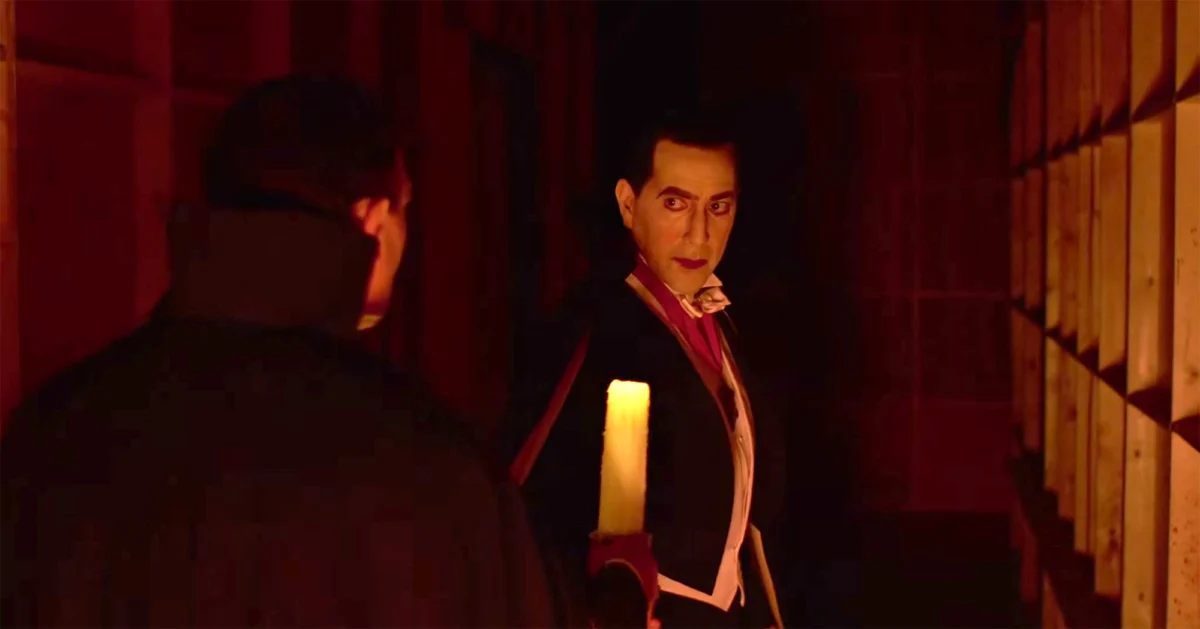
Montreal, Canada – June 26, 2026 – The cinematic world is abuzz with the impending premiere of Los Vampires, an independent horror film poised to make a significant splash at the 2026 Fantasia Film Festival this summer. Helmed by writer-director Craig Mitchell, the film promises an innovative and meticulously crafted journey into the shadowy corridors of 1930s Hollywood, offering a fictionalized yet deeply resonant account of the making of George Melford’s 1931 Spanish-language Drácula. An early festival promotional trailer, released recently, has ignited considerable anticipation among genre enthusiasts and cinephiles alike, hinting at a narrative rich with historical detail, supernatural intrigue, and a profound exploration of artistic identity.
The core premise of Los Vampires revolves around the extraordinary circumstances surrounding the production of Universal Pictures’ iconic Dracula films in 1931. While Tod Browning directed the English-language version starring Bela Lugosi by day, George Melford helmed a Spanish-language counterpart by night, utilizing the exact same sets and often, the same crew. This unique production strategy aimed to cater to the burgeoning Spanish-speaking market, primarily in Latin America, and resulted in a film that many critics and historians, over time, have argued might even surpass its English predecessor in certain artistic and technical aspects. Mitchell’s Los Vampires delves into this fascinating historical footnote, transforming it into a "darkly imaginative, bittersweet love letter to old Hollywood," as described by the Fantasia Film Festival, imbued with elements of mysticism and murder. The film’s tagline, "Dueling Draculas on a 1930 film shoot awash in mysticism and murder," encapsulates its intriguing blend of historical drama, meta-narrative, and chilling suspense.
A Deep Dive into the Dual Draculas of 1931
To fully appreciate the narrative ambition of Los Vampires, it is essential to revisit the unprecedented production environment of the original Dracula films. In the late 1920s and early 1930s, Hollywood studios, grappling with the transition from silent films to talkies, sought innovative ways to reach international audiences. Dubbing technology was rudimentary and often unsatisfactory, leading to the practice of shooting multiple versions of films in different languages. Universal Pictures, keen to capitalize on the global appeal of Bram Stoker’s classic vampire tale, embarked on this ambitious dual production.

Tod Browning’s English Dracula, starring the enigmatic Hungarian actor Bela Lugosi, was filmed during the day. Lugosi’s portrayal, with its distinctive accent and hypnotic gaze, became the definitive image of Count Dracula for generations. However, a parallel production ran concurrently, often beginning just minutes after Browning’s crew wrapped for the day. George Melford, a seasoned director with a prolific career in silent films, directed the Spanish Drácula, featuring the Mexican-born actor Carlos Villarías in the titular role. The Spanish version’s cast and crew, often working through the night, were granted more creative freedom and benefited from observing the day’s shoot. This allowed them to refine performances and camera angles, often resulting in more dynamic cinematography, particularly from cinematographer George Robinson, and arguably more expressive performances from its lead actors. Critics frequently cite the Spanish version’s more fluid camera movements, atmospheric lighting, and a generally more sensual and menacing portrayal of the vampire as reasons for its perceived superiority. The irony of a ‘B-unit’ production outshining its ‘A-list’ counterpart provides a rich historical backdrop for Mitchell’s fictionalized exploration.
Crafting the Meta-Narrative: Craig Mitchell’s Vision
Craig Mitchell, known for his work in indie genre cinema, including films like Jim the World’s Greatest and What’s Up Hideous Sun Demon, and as a writer for features such as Milo and Komodo, steps into a new realm of storytelling with Los Vampires. His previous projects have often showcased a penchant for the quirky and the macabre, making him an ideal candidate to tackle this unique blend of historical drama and supernatural horror. The film is produced by Ty Donaldson, a frequent collaborator in the independent film circuit.
Mitchell’s vision for Los Vampires is not merely a historical recreation but a meta-narrative that dissects the art of performance and the often-unseen struggles behind the glamorous façade of old Hollywood. The film focuses on the fictionalized rivalry and interactions between the two actors portraying Dracula: Henry Ian Cusick (known for Lost, The 100) as the surrogate for Carlos Villarías, and Thomas Kretschmann (a veteran of King Kong, The Pianist, Avengers: Age of Ultron) as the stand-in for Bela Lugosi. The narrative premise, "She’s forgotten where the role ends… and she begins," featured in the trailer, suggests a blurring of lines between actor and character, a theme that resonates deeply with the mystical undertones promised by the film.
Beyond the lead duo, the ensemble cast is lauded by Fantasia as "immaculate." Daniela Couso, Tony-winner Jefferson Mays (I Am My Own Wife, A Gentleman’s Guide to Love and Murder), Oscar Nuñez (The Office), and Jorge Diaz round out the cast, portraying fictionalized versions of the diverse talents that populated these nocturnal film sets. Mays’s involvement, in particular, adds significant theatrical weight, hinting at performances that transcend mere imitation. Their collective performances are crucial to Mitchell’s exploration of the "dignity of performance," a central theme that examines the dedication, sacrifices, and personal costs associated with bringing characters to life, especially under the demanding conditions of early sound film production.

Fantasia Film Festival: A Perfect Launchpad
The choice of the Fantasia Film Festival for Los Vampires‘ world premiere is highly strategic and indicative of the film’s artistic ambition and genre appeal. Fantasia, held annually in Montreal, Canada, is one of the most respected and well-attended genre film festivals in the world. Since its inception in 1996, it has become a crucial platform for independent, international, and cutting-edge genre cinema, known for showcasing films that push boundaries and challenge conventions within horror, fantasy, science fiction, and action.
Fantasia’s discerning programming committee has a proven track record of identifying films that resonate with both critics and passionate audiences. Its reputation for championing unique voices and diverse storytelling makes it an ideal venue for a film like Los Vampires, which blends historical drama with occult horror and meta-commentary. A successful premiere at Fantasia often translates into significant industry buzz, leading to distribution deals, further festival invitations, and critical acclaim. Past Fantasia premieres have frequently gone on to achieve cult status or mainstream success, cementing the festival’s role as a tastemaker in the genre landscape. The festival’s description of Los Vampires as "a meticulously designed, occult-tinged tribute…and a darkly imaginative, bittersweet love letter" suggests it aligns perfectly with Fantasia’s curatorial ethos.
Production Design and Thematic Depth
The early trailer for Los Vampires offers tantalizing glimpses of its production design, which meticulously recreates the iconic sets of Universal’s 1931 Dracula. The visual authenticity is paramount, transporting viewers back to the dimly lit, Gothic grandeur of Count Dracula’s castle. The attention to detail in set recreation is not merely aesthetic; it serves as a foundational element for the film’s thematic exploration. By placing the narrative directly within these historical reproductions, Mitchell invites audiences to consider the layers of artifice and reality, performance and persona.
The film’s exploration of "forgotten struggles" is particularly poignant. Beyond the rivalry between the two Draculas, Los Vampires promises to shed light on the broader challenges faced by the diverse cast and crew of the Spanish production. These often-overlooked individuals, many of whom were Spanish-speaking immigrants, worked grueling overnight shifts, often under less glamorous conditions than their daytime counterparts. Their contributions, though vital, were historically marginalized in the dominant narratives of Hollywood history. Mitchell’s film seeks to rectify this, offering a "bittersweet love letter" that acknowledges their artistry and resilience.

The "occult-tinged" aspect adds another layer of intrigue. While the original Dracula films relied on gothic horror, Los Vampires hints at a more supernatural dimension woven into the backstage drama. The string of murders occurring on and around the soundstage, as teased in the film’s pitch, suggests a malevolent force at play, perhaps a literal manifestation of the dark energy inherent in the story being filmed, or the personal demons unleashed by the intense creative process. This blend of historical realism with supernatural horror distinguishes Los Vampires from a mere biopic, elevating it to a more profound and unsettling genre piece.
Anticipated Impact and Industry Outlook
The release of the first festival trailer has already generated considerable excitement within online film communities and genre publications. Bloody-Disgusting, a prominent horror news outlet, was among the first to feature the trailer, underscoring the film’s immediate relevance to the horror fan base. This early buzz is crucial for independent films, as it helps build momentum ahead of their festival premieres.
For Craig Mitchell, Los Vampires represents a significant opportunity to elevate his profile within the independent film landscape. A strong reception at Fantasia could lead to wider distribution deals, potentially with streaming platforms or boutique horror distributors eager to acquire films that combine artistic merit with genre appeal. The film’s unique premise and strong cast also make it a compelling proposition for international sales, given the global recognition of the Dracula legacy.
Beyond commercial success, Los Vampires stands to contribute to the ongoing critical discourse surrounding meta-cinema and the historical representation of filmmaking. By dissecting the creative process and the hidden narratives of a landmark production, Mitchell’s film offers a valuable, albeit fictionalized, insight into the early days of sound cinema. It prompts audiences to reconsider the origins of iconic cinematic figures and the complex interplay of culture, language, and performance that shaped Hollywood’s golden age.

As the summer of 2026 approaches, all eyes in the genre film world will be on Montreal, awaiting the curtain call for Los Vampires. With its compelling historical foundation, intricate thematic layers, and a promise of both chills and contemplative drama, Craig Mitchell’s latest endeavor is poised to be one of the most talked-about films of the festival season, offering a fresh, dark, and deeply reflective take on a timeless horror legend. The stage is set for a chilling re-enactment, where the ghosts of Hollywood’s past might just be more real than anyone imagined.