


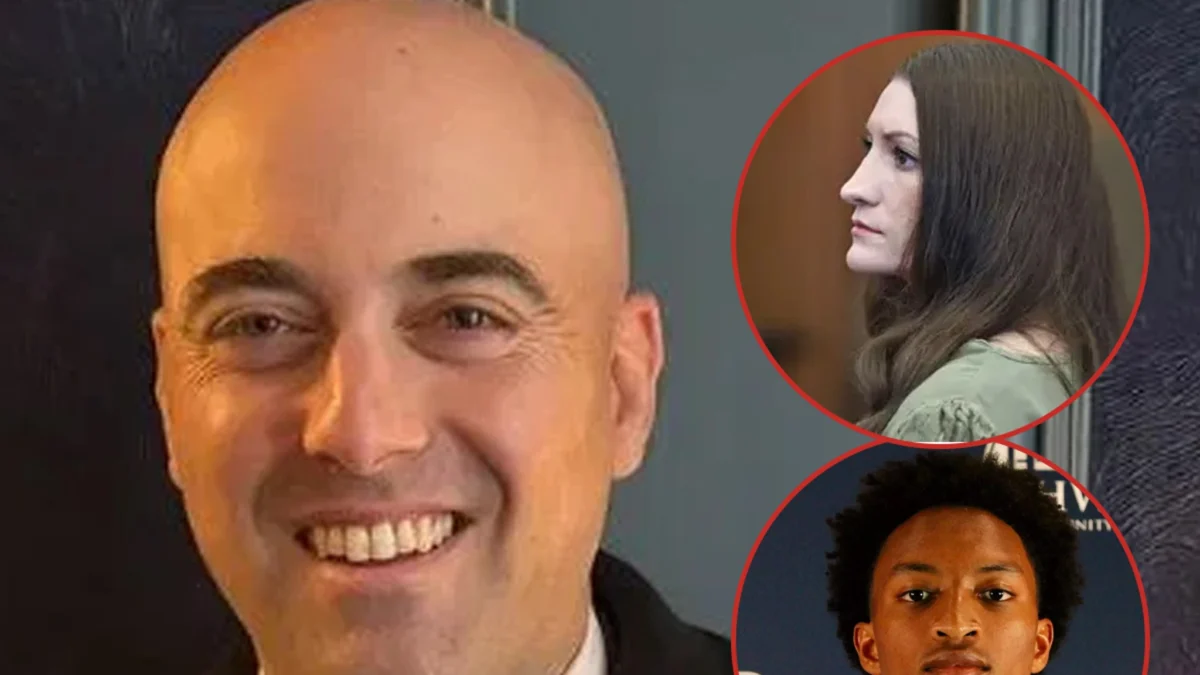
The legal fallout from the highly contentious Lindsay Clancy murder trial reached a new milestone on September 17, 2026, when the lone holdout juror responsible for triggering a mistrial officially retained high-profile defense attorney Edward Andrew Paltzik. The decision to hire legal representation comes amid an intensifying wave of public scrutiny, intense media attention, and severe online backlash directed at the anonymous juror. With his identity currently sealed by judicial order to protect his physical safety, the juror has retreated to an undisclosed, secure location in rural Northern New England, according to his newly appointed counsel.
The developments highlight a turbulent chapter in a legal proceeding that has deeply polarized communities across Massachusetts and the broader United States. The Clancy trial, centered on the tragic deaths of three young children, concluded in a deadlock after eleven jurors favored a verdict of not criminally responsible, while a single holdout refused to acquiesce, ultimately dismantling the consensus required for a final verdict.
Legal Representation and Immediate Security Concerns
Edward Andrew Paltzik formally announced his representation of the anonymous juror, framing his client not as a controversial figure, but as a defender of constitutional principles. In a strongly worded public statement, Paltzik defended the juror’s actions during the deliberations.
"I can now confirm that I am representing the courageous and heroic lone holdout juror from the Lindsay Clancy Trial," Paltzik stated via social media and press correspondence. "He is an American Hero and Champion of Justice. Please pray for him and help us protect him. This American Hero and Champion of Justice loves the United States…"
Paltzik emphasized that his immediate priorities lie in safeguarding the juror’s physical well-being. He confirmed that his client is residing in a secure, undisclosed location in Northern New England, shielded from the relentless public harassment that followed the declaration of a mistrial. Furthermore, Paltzik issued a stern warning to the public regarding fraudulent fundraising activities, explicitly stating that no authorized crowdfunding pages—including GoFundMe or GiveSendGo accounts—have been established to raise money for the juror. He categorized any such online campaigns as fake, unauthorized, or outright scams intended to exploit the notoriety of the case.
Background of the Edward Andrew Paltzik Connection
Paltzik is no stranger to high-profile, emotionally charged criminal investigations. He previously made headlines for representing Warren Hudson, Jax Pitalo, and Morgan Seymour—three young men connected to the highly publicized death of Nolan Xavier Wells. In that separate matter, Paltzik steadfastly maintained his clients’ total innocence, releasing joint statements asserting they had no involvement in Wells’s demise. By stepping in to represent the Clancy trial holdout, Paltzik brings a veteran defense perspective accustomed to navigating public relations storms and intense media scrutiny surrounding sensitive legal cases.
Chronology of the Lindsay Clancy Trial and Deliberations
The path to the mistrial was marked by profound emotional weight and complex medical and legal arguments. Lindsay Clancy stood trial for the deaths of her three children in an incident that shocked the nation, raising critical questions about postpartum mental illness, severe psychiatric distress, and legal culpability.
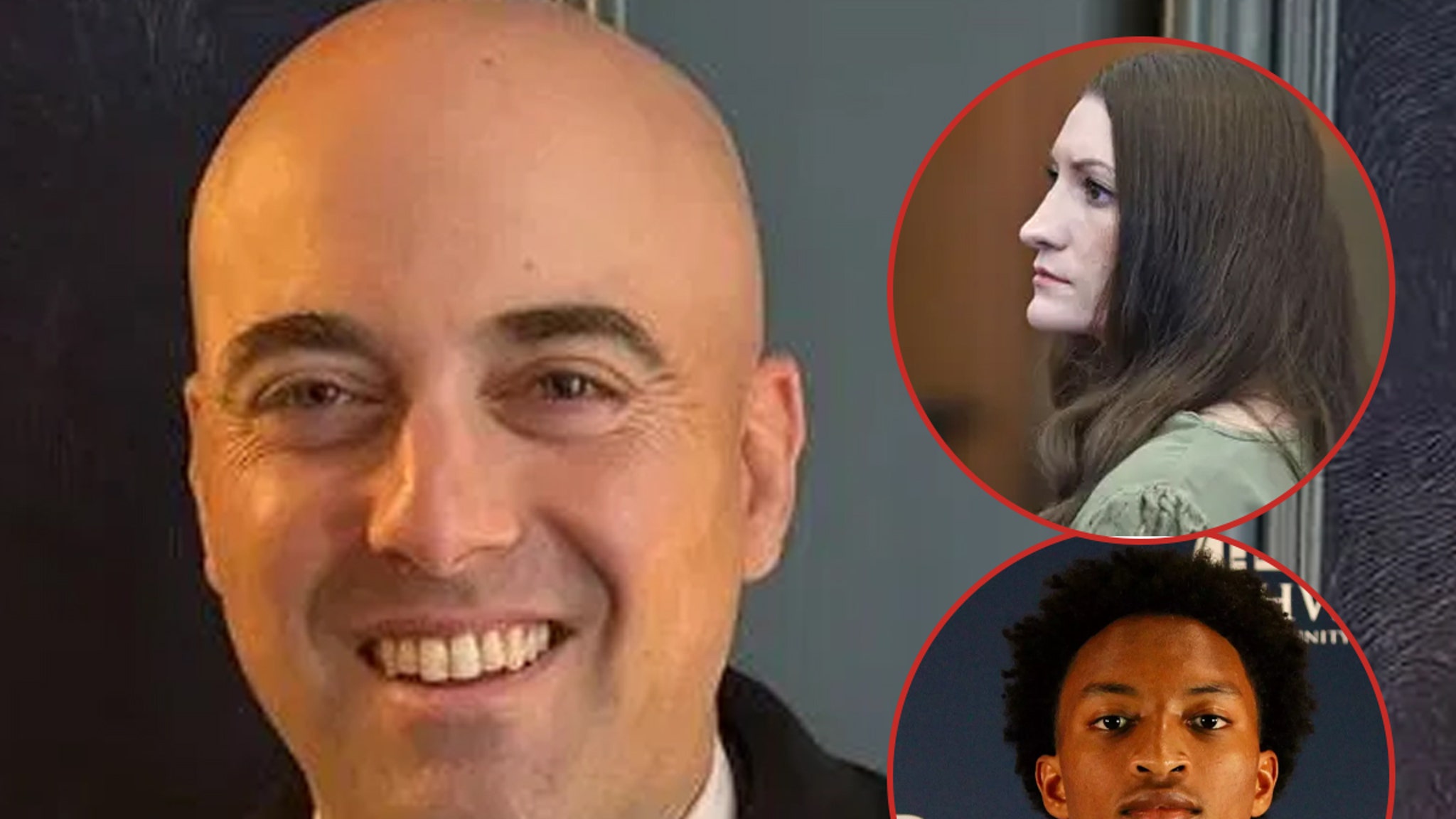
During the trial, the defense argued extensively that Clancy was suffering from severe postpartum psychosis at the time of the tragedy, rendering her legally insane and not criminally responsible for her actions. The prosecution, conversely, presented arguments focusing on premeditation and awareness of her actions, urging the jury to return a verdict of first-degree murder.
Following weeks of testimony, expert psychiatric evaluations, and emotional arguments, the jury entered deliberations. As discussions progressed, an overwhelming majority of eleven jurors leaned toward accepting the defense’s argument of lack of criminal responsibility due to mental illness. However, the lone holdout juror steadfastly refused to join the majority consensus. Despite extensive deliberations and efforts to reach a unanimous decision, the jury remained hopelessly deadlocked, forcing the presiding judge to declare a mistrial.
Fallout Within the Jury Room and Public Scrutiny
The declaration of a mistrial unleashed immediate tension, which spilled out of the deliberation room and into the public eye. Several members of the eleven-person majority subsequently broke their silence, launching public criticisms against the holdout juror’s conduct. According to these accounts, the juror was exceptionally difficult to engage during substantive discussions and allegedly failed to properly apply the legal standard of reasonable doubt.
Compounding the controversy, the juror’s personal history soon became the subject of investigative journalism. Reports surfaced detailing a 2021 domestic violence accusation against the juror. While that specific criminal charge was ultimately dismissed, reports indicated that an active restraining order involving a family member remained in place when the individual was vetted and selected to sit on the Clancy jury. This revelation sparked intense debate among legal analysts regarding the efficacy of voir dire—the jury selection process—and whether prior protective orders should have disqualified him from serving on such a monumental and sensitive case.
Broader Implications for the Justice System
The retention of Edward Paltzik by the anonymous juror underscores a growing phenomenon in modern high-profile American trials: the legal insulation of jurors themselves. Traditionally, jurors return their verdicts or declare deadlocks, returning to anonymity once their civic duty concludes. However, the proliferation of social media, 24-hour news cycles, and aggressive online sleuthing has increasingly exposed jurors to direct public intimidation, doxxing, and harassment.
Legal scholars note that the protection of a juror’s identity is paramount to maintaining the integrity of the American jury system. Without the guarantee of confidentiality and subsequent legal protection from external retaliation, the foundational principle of independent, uncompromised jury deliberation risks severe erosion.
As the legal aftermath of the Lindsay Clancy mistrial continues to unfold, the focus shifts toward the potential for a retrial by the Commonwealth of Massachusetts. Prosecutors must now weigh the immense emotional and financial toll of trying the case a second time, while defense teams prepare for ongoing battles over psychiatric evidence. Meanwhile, Paltzik and his client remain focused on security and privacy, awaiting the next formal steps in a judicial saga that has left an indelible mark on the American legal landscape.