

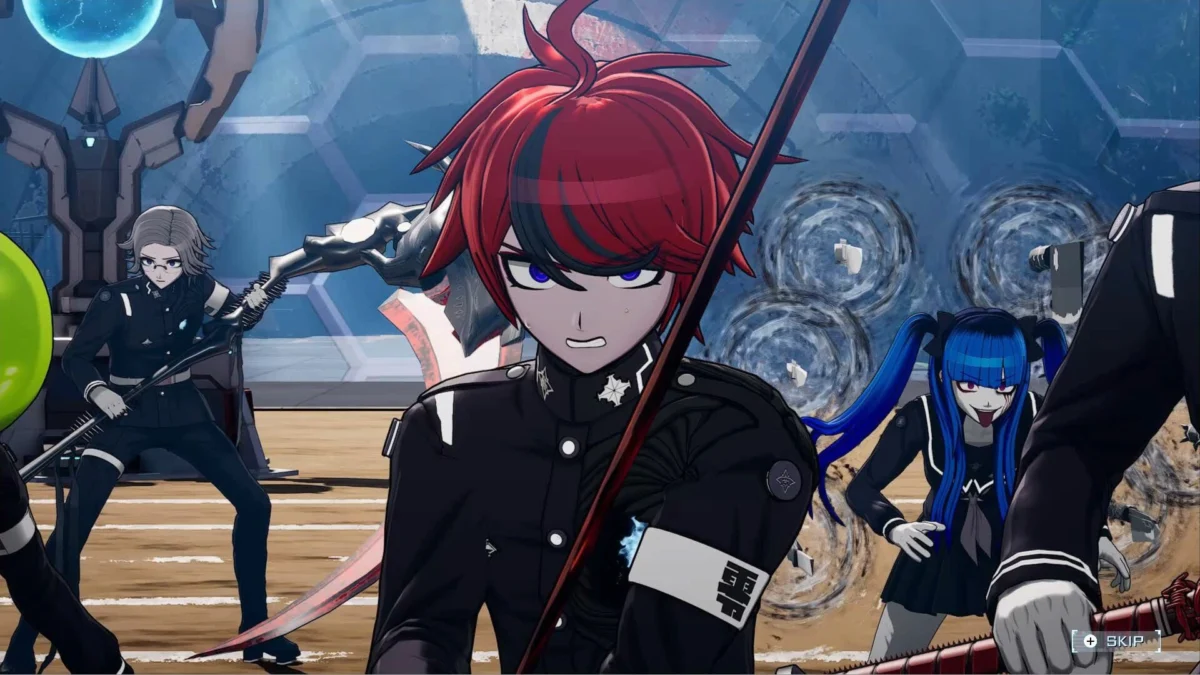
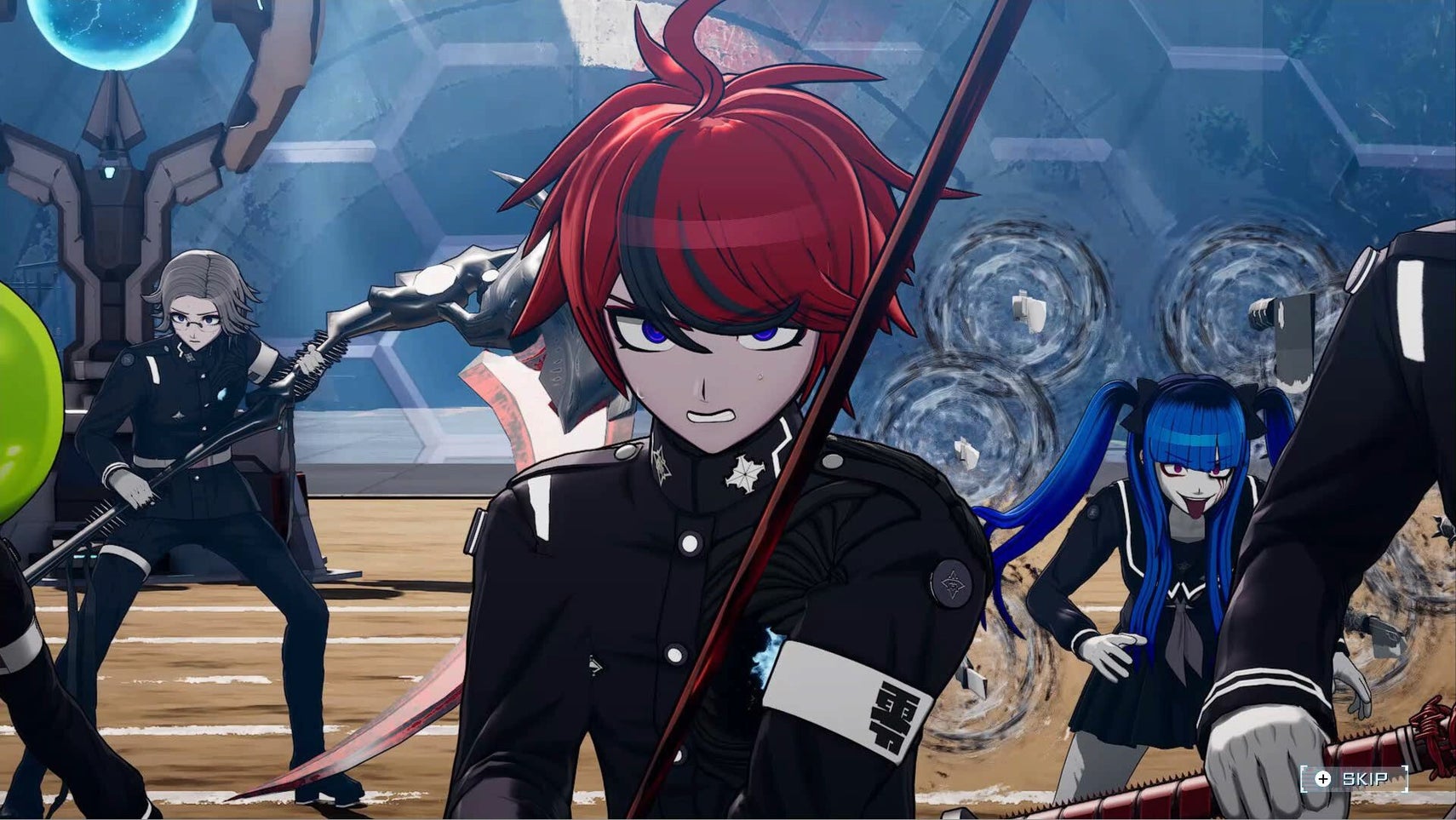
The gaming industry is currently grappling with a period of intense volatility, and the latest casualty of this unstable environment is the newest project from acclaimed director Kotaro Uchikoshi. Known for his work on the genre-defining Zero Escape trilogy and the more recent The Hundred Line: Last Defense Academy, Uchikoshi revealed that his newly founded studio, Crash Keys, has seen its debut project—which had been in development for approximately 18 months—abruptly cancelled. This development has not only cast a shadow over the future of his independent venture but has also reignited a broader conversation regarding the role of artificial intelligence in creative industries and the mounting pressures faced by mid-sized developers.
A Timeline of Recent Developments
The narrative surrounding Crash Keys began in early 2025. The studio, established in March of that year, was designed to be a boutique creative hub for Uchikoshi to explore new narrative-driven experiences. The team, while small, featured industry veterans including writer Akira Mine and creative contributor Muri Sasaki, both of whom have extensive histories with the TooKyo Games collective.
Uchikoshi initially intended to maintain a low profile, aiming for a formal unveiling of the studio and its inaugural title in 2026. However, the unexpected termination of the project forced an early public disclosure. In a series of candid social media statements, the director described the cancellation as a "bolt from the blue," noting that the project, which he hinted would have been highly anticipated by his fanbase, was effectively scrapped overnight. This forced the studio to pivot from a growth-focused strategy to one of immediate survival, with Uchikoshi publicly soliciting investment and collaborative opportunities to prevent the dissolution of the newly formed company.
The Role of Artificial Intelligence in Modern Development
Central to Uchikoshi’s commentary on the cancellation is the role of generative artificial intelligence (GenAI) in the game development pipeline. The director noted that while the project’s budget was not the sole factor in its termination, the broader economic environment—heavily influenced by the rapid integration of AI—played a significant role.
Uchikoshi argues that the current landscape places mid-sized developers in a difficult position. As major corporations and tech giants like Google push for the integration of GenAI to lower development costs and accelerate production cycles, smaller studios are finding it increasingly difficult to compete. The director posited a nuanced perspective: rather than viewing AI solely as a replacement for human talent, he suggested it could serve as a tool for efficiency, handling tedious, repetitive tasks that would otherwise drain resources.
"If using AI had been an option, perhaps the project wouldn’t have been canceled," Uchikoshi noted. He emphasized that the industry’s current cultural resistance to AI—often driven by concerns over job displacement—has created a paradoxical situation. By refusing to leverage these tools to cut costs, smaller studios may inadvertently jeopardize the very jobs they are trying to protect. His argument suggests that for mid-sized entities, the choice is no longer between "AI versus human," but rather "efficiency via technology versus institutional failure."
Industry Context and Economic Pressures
The struggles of Crash Keys are indicative of a larger trend in the video game sector. According to data from various industry trackers, 2024 and 2025 have seen a record number of layoffs and project cancellations across both independent and AAA studios. Several factors have contributed to this "great contraction," including rising inflation, the normalization of post-pandemic gaming habits, and the escalating costs of high-fidelity game production.
For a director like Uchikoshi, whose work relies heavily on complex, branching narrative structures and intricate puzzle design, the need for a stable budget is paramount. The "mid-sized" sector—studios that operate with budgets larger than indie collectives but smaller than industry giants—is currently the most vulnerable. These studios often lack the massive cash reserves of conglomerates, making them unable to weather unexpected shifts in market demand or sudden partner withdrawals.
Furthermore, the integration of generative AI tools into the development cycle is rapidly becoming a standard, rather than an optional, practice. As developers like Google release public-facing AI game development tools, the barrier to entry is lowering for some, but the standard of output is rising for all. This puts immense pressure on studios that rely on traditional, manual development workflows to justify their higher operational costs to investors and publishers.
Clarifications and Studio Stability
Following the initial announcement, speculation regarding Uchikoshi’s professional standing and his relationship with his former colleagues at TooKyo Games circulated throughout the gaming community. To address these concerns, Uchikoshi clarified that his departure from the immediate day-to-day operations of previous ventures did not equate to a falling out.
He confirmed that his relationship with Kazutaka Kodaka, the mastermind behind Danganronpa and co-founder of TooKyo Games, remains strong. In a humorous anecdote, Uchikoshi shared that the two remain close enough to share personal downtime, effectively debunking rumors of professional animosity. This clarification is important for investors and fans alike, as it suggests that despite the "crash" of his current project, Uchikoshi remains well-connected within the industry’s creative network.
The Future of Crash Keys
As it stands, the immediate future of Crash Keys remains precarious. With only three core members listed on the studio’s official documentation, the team is actively seeking new partnerships to stay afloat. Uchikoshi’s plea for work has been met with a mix of empathy and curiosity from his audience, though the path forward remains uncertain.
The director’s experience serves as a case study for the current state of independent game development. His situation highlights a critical juncture: how can niche, high-concept developers survive when the economics of the industry are shifting toward automation and extreme cost-cutting? While Uchikoshi has kept the specific details of his cancelled title under wraps, he has made it clear that the project was a labor of love that he believes would have resonated deeply with his core audience.
Whether Crash Keys can pivot and secure the necessary funding remains to be seen. However, the studio’s situation has brought to light the human element of the industry’s current volatility. Behind every "cancelled project" headline is a team of professionals whose years of effort can be erased in a single decision, often driven by macro-economic factors that are beyond their control.
As the industry continues to evolve, the discourse surrounding the ethical and practical implementation of AI in creative workflows will likely intensify. Uchikoshi’s willingness to address these issues—not as a luddite, but as a pragmatic creator looking for a way to sustain his craft—adds a significant, if cautionary, voice to the ongoing debate. For now, the "Deadass Underrated Director" remains in a state of transition, waiting to see if his next project will be a new beginning or if the "crash" will prove final. The industry, and his dedicated fanbase, will be watching closely to see if the studio can indeed avoid the fate he jokingly described, and return to the business of creating the complex, narrative-heavy experiences for which he is known.