



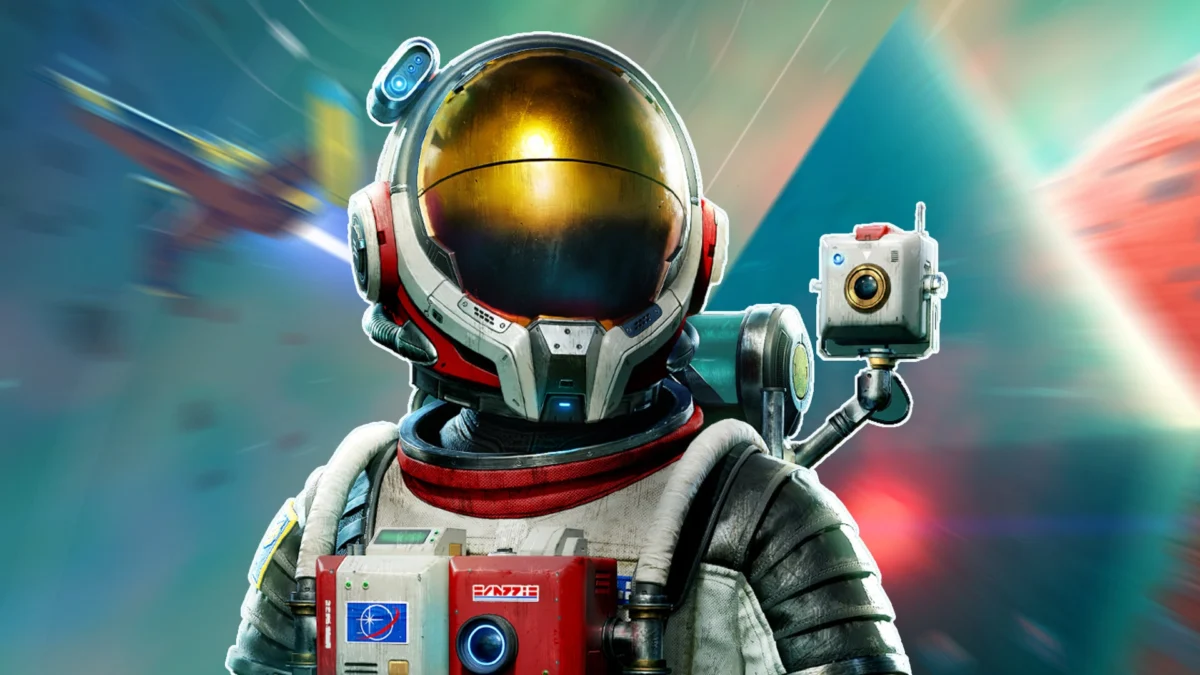
The infinite universe of No Man’s Sky, a title that has defined the modern era of procedural generation in gaming, is officially set to transition from desktop and console hardware to the palm of the player’s hand. Developer Hello Games has announced that the sprawling space simulation will launch on iOS devices on October 28, 2024. This milestone marks the culmination of a three-year development cycle aimed at porting one of the industry’s most resource-heavy titles to mobile architecture without sacrificing the core tenets of its gameplay loop.
The announcement confirms that the iOS version will be a feature-complete port, arriving with all historical updates and expansions that have been released since the game’s initial 2016 debut. Compatibility will extend back to the iPhone 11, a significant feat of engineering given the game’s reliance on complex, procedurally generated geometry and planetary physics. Pre-orders for the title have opened, signaling a major strategic push by Hello Games to expand the reach of their flagship product into the mobile gaming market.
A Decade of Evolution: The Chronology of No Man’s Sky
To understand the magnitude of this mobile launch, one must contextualize the game’s trajectory over the last ten years. When No Man’s Sky first launched in August 2016, it was met with intense public scrutiny due to a perceived disparity between pre-launch marketing promises and the final product. The launch remains a landmark case study in the gaming industry regarding community expectations and developer transparency.
However, the subsequent decade saw an unprecedented recovery. Hello Games embarked on a rigorous schedule of free content updates, beginning with the Foundation Update in late 2016. Over the following years, the studio introduced base building, multiplayer functionality, virtual reality support, improved planetary flora and fauna, and significant engine overhauls.
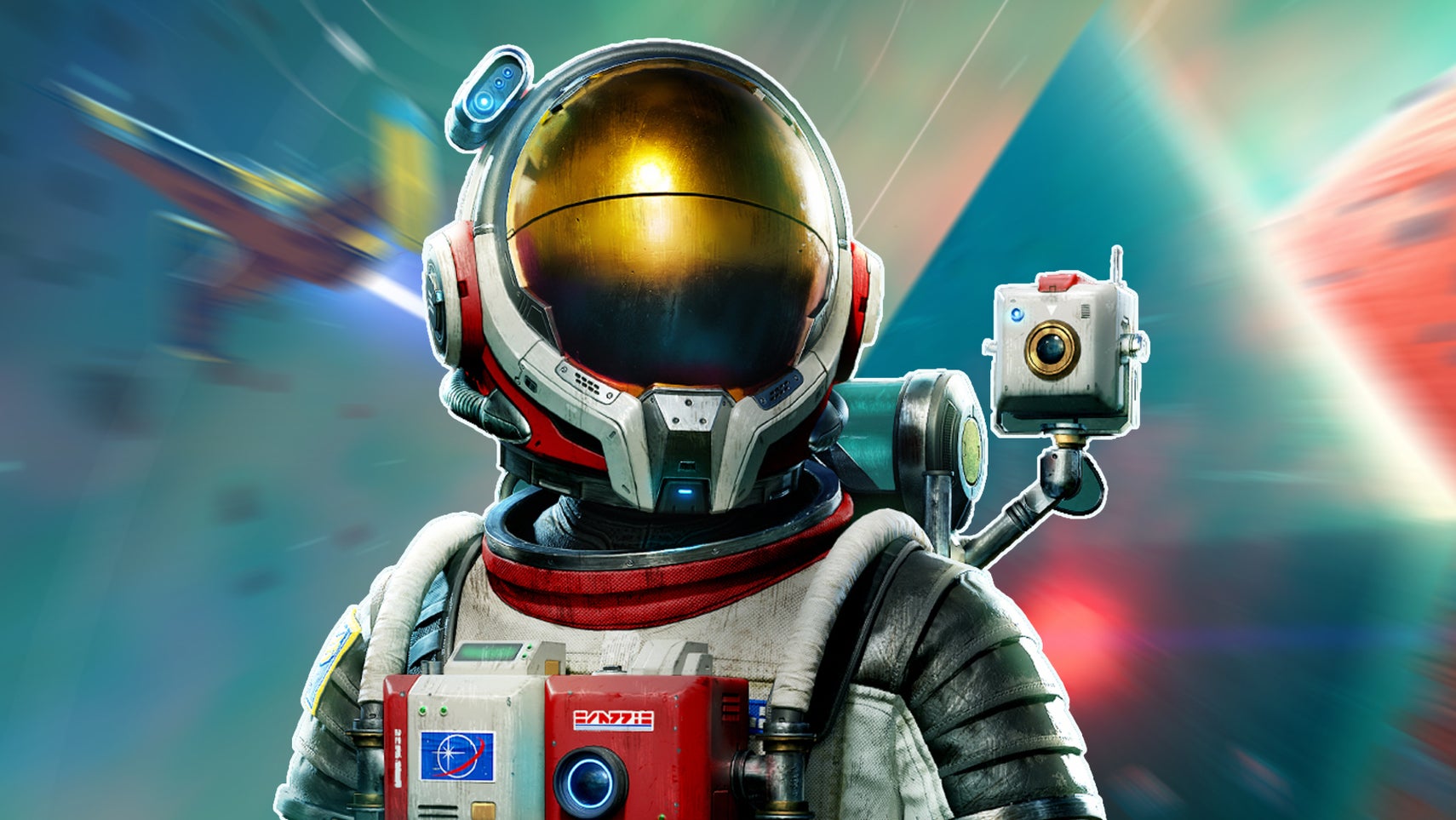
- 2016: Official launch on PC and PlayStation 4; initial controversy.
- 2017–2018: "Atlas Rises" and "NEXT" updates drastically change the core gameplay, adding multiplayer and graphical enhancements.
- 2019: "Beyond" update introduces comprehensive VR support and expanded social features.
- 2020–2022: Continued iterations, including the "Origins" overhaul and porting to Nintendo Switch.
- 2023: Introduction of the Echoes and Interceptor updates, further refining planetary density.
- 2024: Announcement of the iOS port, slated for October 28.
By porting the game to iOS, Hello Games is effectively demonstrating that the "shared engine" they have cultivated over the last decade has reached a state of maturity where it can scale down to mobile hardware while maintaining what studio co-founder Sean Murray describes as "console-quality visuals."
The Engineering Bridge: Light No Fire and Engine Optimization
The technical feasibility of running No Man’s Sky on an iPhone is not merely the result of mobile hardware becoming more powerful; it is the direct beneficiary of the studio’s current internal research and development. According to statements provided by Murray, the optimization techniques required for the port were heavily influenced by the development of the studio’s next major project, Light No Fire.
Light No Fire, first unveiled at The Game Awards in 2023, is a procedural fantasy adventure that promises a single, massive, earth-sized planet with no boundaries. While No Man’s Sky focuses on the vastness of a galaxy, Light No Fire focuses on the density and detail of a single world.
"We have had to think really hard about where we are going to get this performance from, and how we are going to fit in our memory profile better," Murray noted in recent interviews. "Some of those changes have come from Light No Fire. Things that we’ve been doing there where we’ve had to make things more performant, we’re going, ‘Oh, we can carry that across to all of this.’"
This indicates a "shared engine" philosophy. By refining how the engine handles memory management, draw calls, and procedural generation for the more demanding Light No Fire, the studio has created a leaner, more efficient codebase. This efficiency is precisely what allows a game that once required high-end desktop GPUs to now function on the A-series processors found in modern iPhones.

Implications for Mobile Gaming and Performance Standards
The arrival of No Man’s Sky on mobile platforms highlights a shifting landscape in the mobile software industry. For years, mobile gaming was dominated by "gacha" mechanics, puzzle games, and simplified arcade experiences. The trend is now tilting toward "AAA" parity, where users expect the same experience on their smartphones as they receive on dedicated gaming consoles or PCs.
The fact that the iOS version supports touch, controllers, and even mouse-and-keyboard peripherals suggests that Hello Games is positioning the title not as a "mobile version" of No Man’s Sky, but as the full experience in a portable format. This approach mirrors the broader industry trend of porting complex console titles—such as Resident Evil, Death Stranding, and Assassin’s Creed Mirage—to high-end mobile devices.
From a performance standpoint, the ability to run such a simulation on an iPhone 11 and above is a testament to the hardware-software synergy Apple has fostered with its Metal API. By leveraging this API, developers can access low-level hardware control, which is essential for rendering the complex, volumetric clouds and atmospheric effects that define the aesthetic of No Man’s Sky.
Strategic Outlook: The "Silence" Strategy
Despite the buzz surrounding the iOS port, the studio remains characteristically guarded regarding its future roadmap. Sean Murray has previously stated that he has learned the "very important lesson of not talking about things too soon," a direct response to the turbulent PR environment surrounding the game’s original 2016 launch.
This newfound reticence has become a signature of the studio’s communication strategy. By focusing on the present—supporting the existing player base and delivering the mobile port—the studio mitigates the risks associated with over-promising. Light No Fire remains in active development, and while information is sparse, the successful implementation of its underlying engine technologies into the No Man’s Sky ecosystem serves as a positive indicator of the project’s health.

The broader implication for the industry is clear: long-term, iterative support for a single engine can yield immense dividends. By keeping the engine unified across platforms, Hello Games has managed to extend the lifecycle of No Man’s Sky far beyond the standard industry window, potentially securing its relevance for years to come.
As October 28 approaches, the technical community will be watching closely to see how the game performs under real-world conditions. If the transition to iOS is as seamless as the studio suggests, it could set a new benchmark for how developers manage cross-platform technical debt and long-term product lifecycle management. For players, it represents the promise of a truly pocket-sized universe, effectively turning a decade-long project into a portable reality.