
The intersection of late-night comedy and corporate brand management often yields unpredictable results, but few moments in recent television history have resonated as poorly within the halls of Nintendo of America as the 2021 Saturday Night Live (SNL) sketch featuring Elon Musk. As the gaming industry turns its attention toward a new wave of pop-culture parodies, specifically the recent SNL segment pitting The Legend of Zelda against Grand Theft Auto 6, former long-time Nintendo marketing leads Kit Ellis and Krysta Yang have provided fresh insight into the internal reaction to the Musk-led Wario sketch. Their reflections offer a rare window into how one of the world’s most guarded gaming companies navigates the volatile landscape of public satire and brand association.
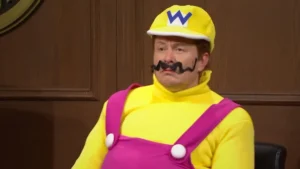
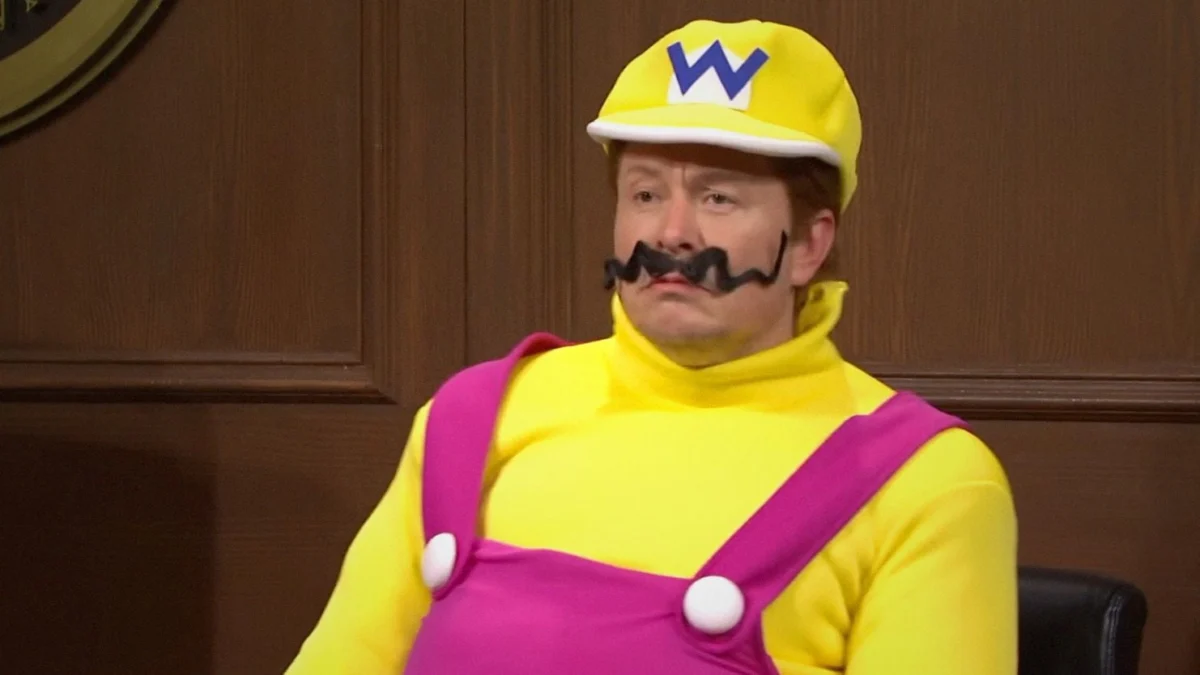
The controversy centers on a May 2021 episode of Saturday Night Live, hosted by the Tesla and SpaceX CEO. During the broadcast, Musk appeared in a pre-recorded sketch dressed as Wario, the gold-clad, mustachioed antagonist of the Mario franchise. The segment portrayed the character on trial, subjected to a bizarre legal interrogation that involved crude humor, allegations of illicit drug use, and explicit visual references to Luigi. For a company like Nintendo—which prides itself on a family-friendly, curated image that is meticulously protected by its legal and communications departments—the sketch was widely perceived as a jarring and unprovoked appropriation of their intellectual property.
A Mismatch of Corporate Values and Comedy
According to Kit Ellis and Krysta Yang, who served as pillars of Nintendo’s public-facing communications for over a decade, the sketch was entirely unauthorized and caught the company’s internal teams by surprise. During a recent episode of their podcast, the duo addressed the lingering memory of the sketch, noting that it was not a collaborative effort but rather an independent creative choice by the SNL production team.
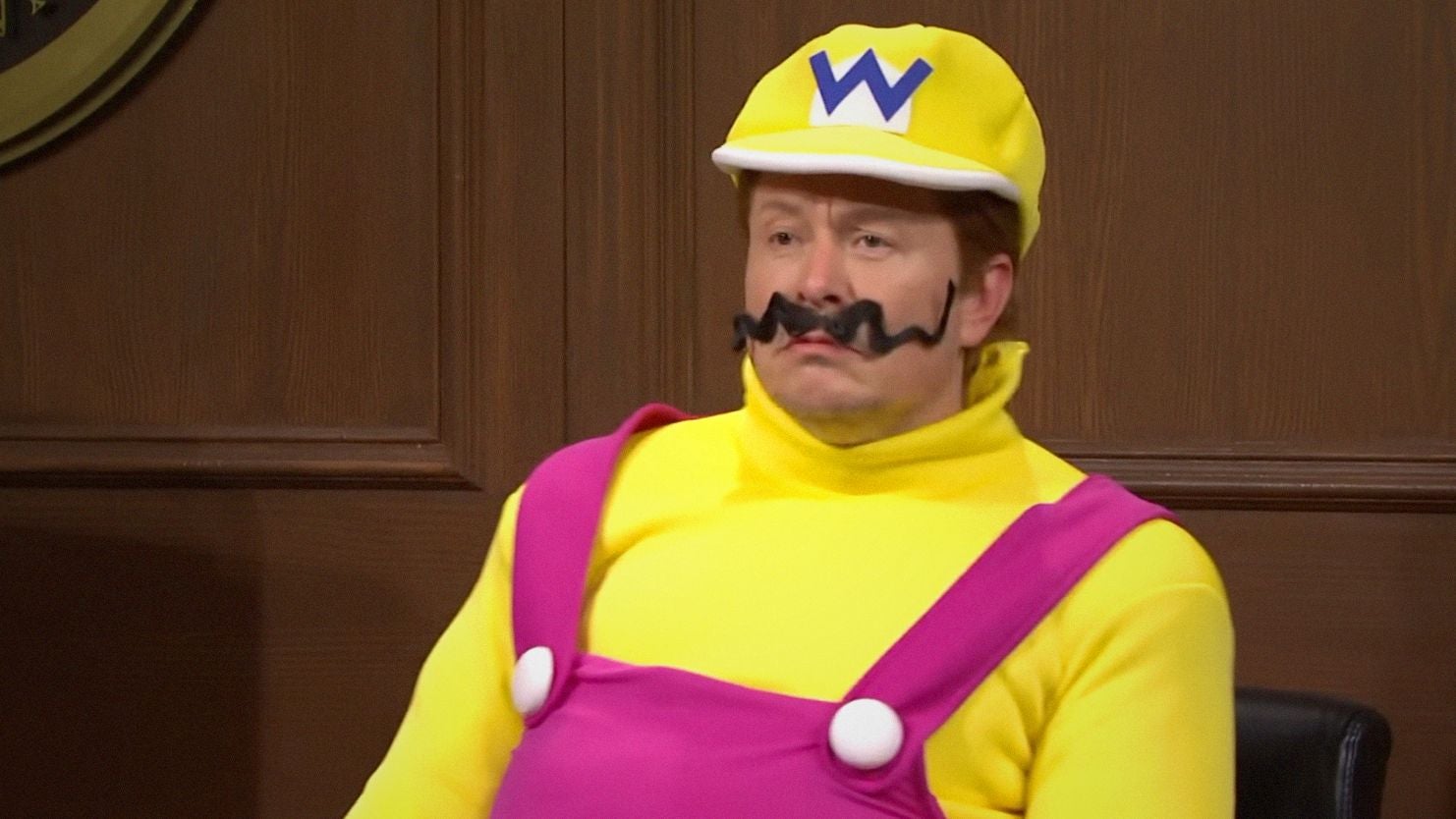
"That did not go over well," Yang stated, reflecting on the mood at Nintendo’s Redmond headquarters at the time. Ellis corroborated this sentiment, adding that the sketch appeared out of "leftfield" with no clear marketing objective or tie-in to a Nintendo product launch. At the time of the sketch, there was no major Wario-centric title being promoted, nor was there a broader partnership between Nintendo and Musk. The lack of context made the parody feel particularly intrusive to those tasked with maintaining the integrity of Nintendo’s mascot library.
For Nintendo, the primary concern was not just the portrayal of the character, but the nature of the content surrounding the costume. The sketch’s reliance on adult themes created a friction point with Nintendo’s carefully cultivated "all-ages" brand identity. When late-night shows utilize established pop-culture icons, they generally operate under the umbrella of parody law; however, the impact on brand sentiment remains a significant concern for the rights holders.
The Mechanics of Corporate PR and SNL
To understand why this caused such a stir, one must consider the delicate relationship between major corporations and influential media outlets like Saturday Night Live. Nintendo maintains a robust communications team dedicated to managing media appearances, product placements, and access to gaming hardware. This team works to ensure that when Nintendo characters appear on television, they are presented in a manner that aligns with the company’s marketing goals.
The Wario sketch, by contrast, operated outside of this established pipeline. While Nintendo frequently provides consoles and game copies to talk shows and news programs to ensure visibility, they do not have editorial control over the content produced by comedy writers. When a sketch goes beyond standard parody and enters into territory that is deemed uncomfortable or brand-diluting, the corporation is left in a reactive position. They cannot issue a cease-and-desist for a parody, but the internal "chatter" among the marketing and communications staff often reflects a deep frustration with being forced into a narrative that they would otherwise avoid.

A Comparative Analysis: Zelda vs. GTA 6
The recent SNL sketch, which highlighted the competitive tension between the upcoming release of The Legend of Zelda: Ocarina of Time remake and the highly anticipated Grand Theft Auto 6, serves as a sharp contrast to the 2021 incident. In this instance, the sketch focused on the thematic clash between two titans of the gaming industry. While Yang and Ellis acknowledged that the Zelda costume was clearly custom-made for the remake—signaling that Nintendo likely provided resources or at least cooperated with the production—they remained critical of the sketch’s overall quality.
"I thought this was generally fine," Yang noted, characterizing the experience as "cringey" rather than offensive. The distinction here is vital: the current sketch, while perhaps not reaching the heights of comedic brilliance, was viewed as a standard, industry-focused bit. It was tethered to the reality of the market—two major titles launching in close proximity—whereas the Wario sketch felt to Nintendo employees like a "stunt" that lacked a tether to the gaming landscape.
The Stakes of Brand Management in 2024
The gaming industry has evolved into a global powerhouse, with revenues often dwarfing those of the film and music industries combined. As gaming becomes more ingrained in mainstream culture, the frequency of such parodies is expected to rise. Nintendo, however, remains an outlier in its commitment to brand control. Its historical reluctance to license its characters to third-party filmmakers or television producers is legendary, making the few instances where they do appear—such as the recent Super Mario Bros. Movie—highly scrutinized affairs.
The internal reaction to the Musk sketch underscores the risks companies face when their assets are used without their explicit consent. In the digital age, a sketch like the Wario segment lives on in perpetuity on YouTube and social media platforms, divorced from its original broadcast context. This longevity means that a few minutes of comedy can permanently associate a wholesome character with the controversies or public personas of the actors portraying them.

Looking Toward the Future
The release of the Ocarina of Time remake on November 5th, followed by the juggernaut that is Grand Theft Auto 6 on November 19th, represents a massive moment for consumer spending. Analysts estimate that the combined marketing spend for these two titles alone will reach hundreds of millions of dollars. In this climate, the attention of late-night comedy is perhaps inevitable, serving as a barometer for how deep these games have penetrated the cultural consciousness.
However, for companies like Nintendo, the lesson remains the same: the fine line between helpful exposure and brand-damaging parody is thin. While the company continues to engage with the media to ensure their products reach the widest possible audience, the memory of the "Wario incident" serves as a reminder of the volatility inherent in modern celebrity-led comedy.
As Nintendo looks toward its next generation of hardware and software, the management of its intellectual property will remain its highest priority. The company has shown that it is capable of participating in pop culture on its own terms, provided the presentation meets its rigorous standards. Whether future SNL sketches will lean into the collaborative model seen with the recent Zelda bit or drift back into the autonomous, unpredictable territory of the Musk era remains to be seen. For now, the sentiment within the former Nintendo ranks is clear: the brand is best served when its characters are treated with a respect that transcends the immediate needs of a late-night punchline.