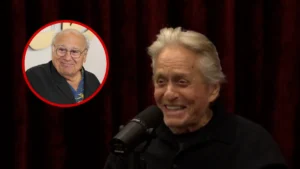



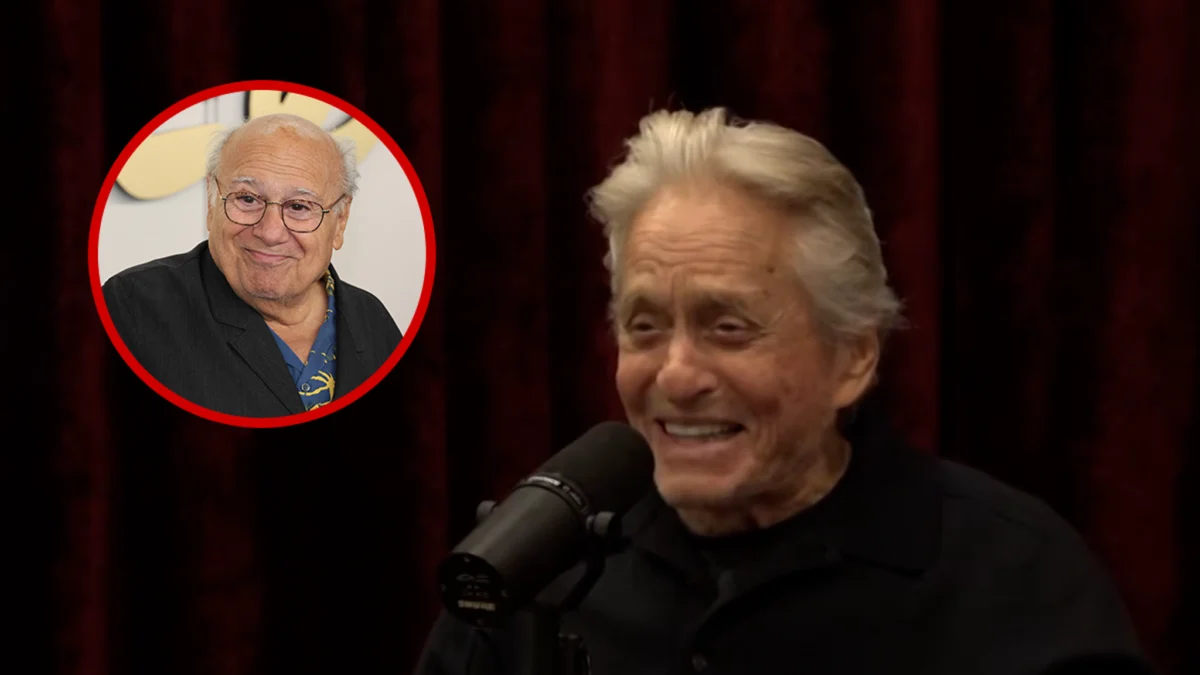
A routine traffic stop decades ago involving Hollywood icons Michael Douglas and Danny DeVito has resurfaced in public discourse, offering a revealing glimpse into the clandestine realities of celebrity behavior during an era of stringent narcotics laws. During a recent appearance on Joe Rogan’s widely broadcast podcast, Michael Douglas recounted an extraordinary incident from their youthful days in the entertainment industry. According to Douglas, when faced with the imminent threat of a police search and potential drug possession charges, Danny DeVito chose an extreme and unorthodox method of evidence disposal: he consumed the illicit cannabis joints they were carrying.
The anecdote, delivered with characteristic retrospective humor by Douglas, underscores not only the casual normalization of recreational drug use among countercultural actors of the 1970s and 1980s, but also the high-stakes paranoia generated by the era’s aggressive legal enforcement paradigms. While framed as a lighthearted memory between lifelong friends and collaborators, the disclosure provides a valuable case study in the evolution of cultural attitudes toward cannabis, the realities of law enforcement interactions for public figures, and the precarious nature of celebrity discretion prior to the modern digital age.
The Incident: A Traffic Stop, an Illegal Turn, and a Desperate Choice
The narrative shared by Douglas unfolds as a classic cinematic setup that ultimately swerved into absurd reality. The two actors, long before achieving global superstardom through iconic cinematic roles, were traveling together to a social engagement. Carrying a small quantity of marijuana—a substance strictly criminalized at the time under federal and state statutes—the pair found their journey abruptly interrupted by the flash of red and blue lights in their rearview mirror.
Recognizing the potential career-ending ramifications of a narcotics arrest, Douglas took immediate tactical action. He stepped out of the vehicle to engage the responding law enforcement officers directly, utilizing his emerging public persona and interpersonal diplomacy to manage the situation. Douglas recalled admitting solely to a minor traffic infraction—an illegal left turn—in an effort to distract the officers and de-escalate the encounter before it could transition into a comprehensive vehicular search.
Meanwhile, DeVito remained inside the automobile with the contraband. Unbeknownst to Douglas at the time, DeVito calculated that the risk of immediate discovery outweighed the bizarre physiological consequences of his chosen remedy. Rather than attempting to conceal the joints under a floor mat, toss them out a window, or risk a personal search, DeVito ingested the evidence entirely. Upon returning to the car after successfully placating the officers with a mere traffic warning, Douglas discovered that his companion had consumed the entire stash, neutralizing the threat of criminal possession charges through direct ingestion.
Historical and Cultural Context of 20th-Century Cannabis Enforcement
To fully comprehend the gravity and absurdity of DeVito’s split-second decision, one must examine the socio-legal landscape of the United States during the decades when Douglas and DeVito were rising through the theatrical and cinematic ranks. Throughout the 1970s and 1980s, the "War on Drugs" was gaining unprecedented legislative and cultural momentum, marked by aggressive policing strategies, mandatory minimum sentencing, and profound social stigma associated with cannabis consumption.
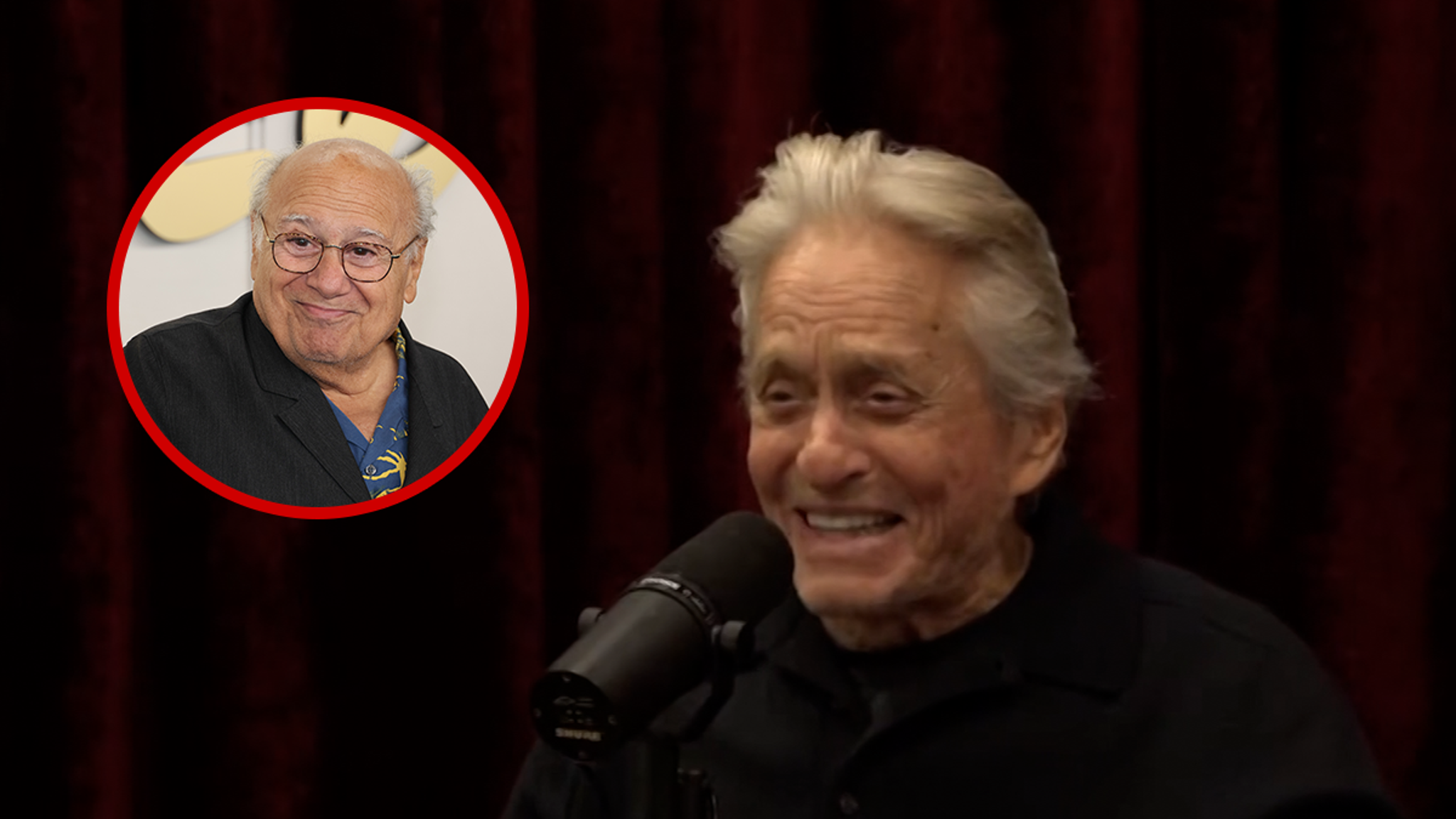
For actors working in film, television, and regional theater, an arrest for drug possession carried devastating collateral consequences. Beyond the immediate threat of incarceration and substantial financial penalties, a criminal record could severely impair employability, alienate conservative studio executives, and trigger sensationalized tabloid journalism that could permanently damage a burgeoning public reputation. Consequently, individuals operating within the entertainment industry frequently adopted extreme precautions to insulate themselves from law enforcement scrutiny.
The era was defined by a stark dichotomy: while recreational drug use was deeply embedded in the creative subcultures of New York and Los Angeles, the legal apparatus governing those substances remained uncompromisingly punitive. The drastic measure undertaken by DeVito—swallowing physical narcotics to evade detection—was an extreme, albeit not entirely isolated, manifestation of the survival tactics employed by citizens navigating a zero-tolerance legal environment.
Analyzing the Logistics and Physiological Impact of Ingesting Raw Cannabis
While DeVito’s improvised disposal method successfully averted immediate legal catastrophe, the physiological reality of consuming raw, unheated cannabis plant material presents a fascinating biochemical footnote. Cannabis does not produce its primary psychoactive compound, delta-9-tetrahydrocannabinol (THC), in its raw form. Instead, the plant synthesizes tetrahydrocannabinolic acid (THCA), a non-psychoactive precursor molecule.
For THC to induce intoxication, it must undergo decarboxylation—a chemical reaction driven by heat that removes a carboxyl group from the THCA molecule. When cannabis is smoked as a joint, the combustion process provides the necessary heat to convert THCA into active THC instantly. However, consuming raw cannabis material orally without prior heat activation does not yield the immediate, potent psychoactive effects typically associated with modern edibles, which are carefully manufactured by infusing cannabinoids into fats or oils through controlled heating processes.
Consequently, while DeVito’s primary motivation was the immediate destruction of physical evidence rather than recreational consumption, the act of eating raw joints would have resulted in negligible traditional intoxication, though it undoubtedly delivered a potent dose of raw plant matter, chlorophyll, and various non-psychoactive cannabinoids to his digestive system. From a practical standpoint, the objective was achieved: the physical evidence ceased to exist in a recoverable format, neutralizing probable cause for a search.
The Lifelong Bond Between Michael Douglas and Danny DeVito
Beyond the comedic and legal intrigue of the anecdote, the traffic stop story highlights the enduring personal and professional relationship between Michael Douglas and Danny DeVito. The two men share a history that predates their status as Hollywood heavyweights, having first crossed paths in New York City during the late 1960s when both were struggling young actors attempting to carve out space in a competitive industry.
Their bond was famously solidified when they lived together in a New York apartment, weathering the financial precarity and professional rejections common to aspiring artists. This foundational camaraderie eventually translated into historic professional collaborations, most notably their unforgettable on-screen chemistry in blockbuster features such as Romancing the Stone (1984), its sequel The Jewel of the Nile (1985), and the critically acclaimed dark comedy The War of the Roses (1989), which Douglas produced and DeVito directed and co-starred in.
The ability of Douglas to recount this decades-old episode with obvious amusement speaks to the shared history of mutual trust and survival that characterized their early years. In the pressure cooker of the entertainment industry, navigating unpredictable encounters with law enforcement served as another formative crucible that cemented their lifelong friendship.
Broader Implications: Changing Legal Landscapes and Celebrity Anecdotes
The resurgence of this story in contemporary media provides an interesting lens through which to observe the cultural shift regarding cannabis over the past forty years. Today, more than half of U.S. states have legalized cannabis for recreational use, and a vast majority permit medical access, transforming a substance that once warranted extreme acts of clandestine consumption into a mainstream, regulated commodity.
Had a similar traffic stop occurred in a jurisdiction with modern cannabis legalization frameworks today, the necessity for such drastic measures would be entirely nonexistent. The evolution of public policy reflects a broader societal reassessment of the harms associated with cannabis, moving away from criminalization toward taxation, regulation, and public health models.
Furthermore, the willingness of high-profile figures like Michael Douglas to openly discuss historical infractions on contemporary media platforms such as Joe Rogan’s podcast highlights the changing nature of celebrity transparency. Anecdotes that were once guarded as closely held secrets, feared for their potential to ruin careers, are now repackaged as entertaining content for digital consumption, reflecting a more relaxed cultural attitude toward the minor indiscretions of youth.
Conclusion
The revelation of Danny DeVito’s dramatic decision to consume marijuana joints during a vintage police encounter remains a quintessential Hollywood lore moment—bridging the gap between the gritty reality of 20th-century drug enforcement and the enduring camaraderie of two legendary actors. While the tactical maneuver was extreme, born of an era defined by severe legal penalties and cultural anxieties, it ultimately succeeded in protecting two future cinematic icons from the immediate perils of the justice system. As societal norms and legal frameworks continue to evolve, stories of this nature serve as humorous historical markers, illuminating how far both the entertainment industry and public policy have traveled over the decades.