Kinetic Games, the independent developer behind the widely successful ghost-hunting simulation Phasmophobia, has issued a formal apology to its global player base following a wave of criticism regarding the title’s recent "Player Character Update." In a public statement, the studio admitted to failing to meet the expectations of its community, acknowledging that the latest overhaul of the game’s character systems did not align with the promises made during its development cycle. The admission comes as part of a broader effort by the studio to rectify technical shortcomings and design choices that led to a surge in negative feedback and a decline in player satisfaction ratings across major platforms including Steam, PlayStation 5, and Xbox Series X/S.
The Core of the Apology and Admission of Failure
The controversy stems from the release of version 0.17.0, a significant milestone intended to modernize the game’s aging character models and animation systems. However, upon launch, players reported a myriad of issues ranging from aesthetic dissatisfaction to game-breaking technical glitches. In an uncommonly candid address to its audience, Kinetic Games stated that the feedback and reviews received were "justified" and that the team had "missed the mark."
"Your feedback and your reviews were justified," the team stated in an official communication accompanying recent hotfixes. "Our team has grown significantly over the last year, and with that comes a higher standard that, in this case, we failed to meet." The developer further clarified that the update "didn’t deliver on our promises to you," signaling a moment of internal reflection for a studio that has grown from a solo project into a multi-person professional outfit.
Background: The Evolution of Phasmophobia’s Development
To understand the weight of this apology, one must look at the trajectory of Phasmophobia. Originally launched in Early Access in September 2020 by a lone developer known as Dknighter, the game became a viral sensation during the COVID-19 pandemic. Its success was predicated on its unique voice-recognition mechanics and atmospheric horror, which allowed it to dominate Twitch and Steam charts.
As the game’s popularity grew, so did the technical debt associated with its early development. The original character models were largely "store assets"—pre-made 3D models purchased from digital marketplaces. The Player Character Update was envisioned as the definitive move away from these placeholder assets toward bespoke, high-fidelity models that would allow for better customization, more realistic movement, and improved integration with the game’s increasingly complex lighting engine.
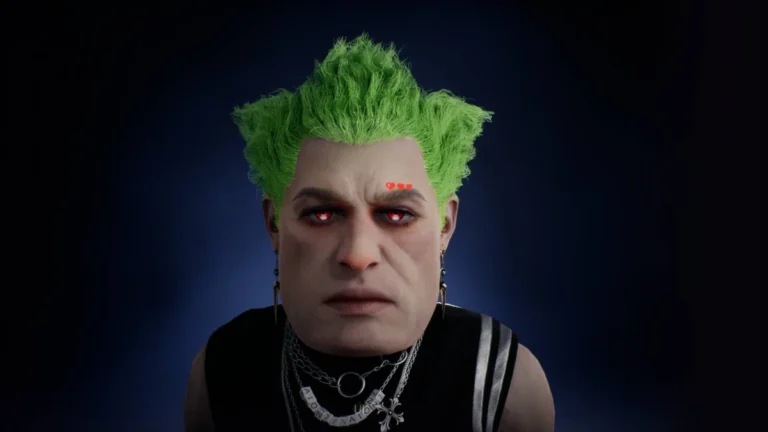
However, the transition proved more difficult than anticipated. While the update introduced new customization options and revamped animations, players argued that the new models lacked the charm of the originals and introduced "uncanny valley" effects that broke immersion. Furthermore, the update was plagued by performance drops and issues with character hitboxes, which are critical in a game where avoiding ghost contact is the primary survival mechanic.
Chronology of the Update and Subsequent Remediation
The rollout of the Player Character Update followed a period of relative silence from Kinetic Games as they worked on the long-delayed console ports for PlayStation 5 and Xbox Series X/S. The timeline of the recent events illustrates a rapid cycle of release and repair:
- Late October 2024: Kinetic Games launches the Player Character Update alongside the highly anticipated console release of Phasmophobia.
- Early November 2024: A significant volume of negative feedback emerges. Players cite clunky movement, visual bugs, and a perceived lack of polish in the new character models.
- Mid-November 2024: The studio begins a series of rapid-fire technical interventions. Patch v0.17.1.0 is deployed, aiming to address the most egregious movement and animation bugs.
- November 20-22, 2024: Kinetic Games releases Hotfix 0.17.1.2. This update focuses on fixing "floating" items, lighting glitches on character models, and optimizing performance for both PC and console users.
- Current Status: The developer issues a formal apology, acknowledging that the hotfixes are part of a larger commitment to bring the game back in line with their original vision.
Supporting Data and Technical Fixes
According to the patch notes for v0.17.1.0 and the subsequent hotfixes, the studio has targeted several specific areas to regain player trust. Data from community forums suggested that nearly 40% of complaints were related to the new movement speed and the "feel" of the character’s interaction with the environment.
The recent patches have addressed:
- Animation Synchronization: Fixing issues where character legs would move at a different rate than the ground speed, causing a "skating" effect.
- Lighting and Shaders: Adjusting how the new character models react to dynamic light sources like flashlights and UV lamps, which previously caused unnatural glows or pitch-black silhouettes.
- Collision Detection: Resolving bugs where players would get stuck on small environmental objects due to updated character hitboxes.
- UI/UX Refinement: Improving the customization menu, which many found unintuitive compared to the previous, simpler version.
The Alan Wake 2 Collaboration: A Strategic Pivot
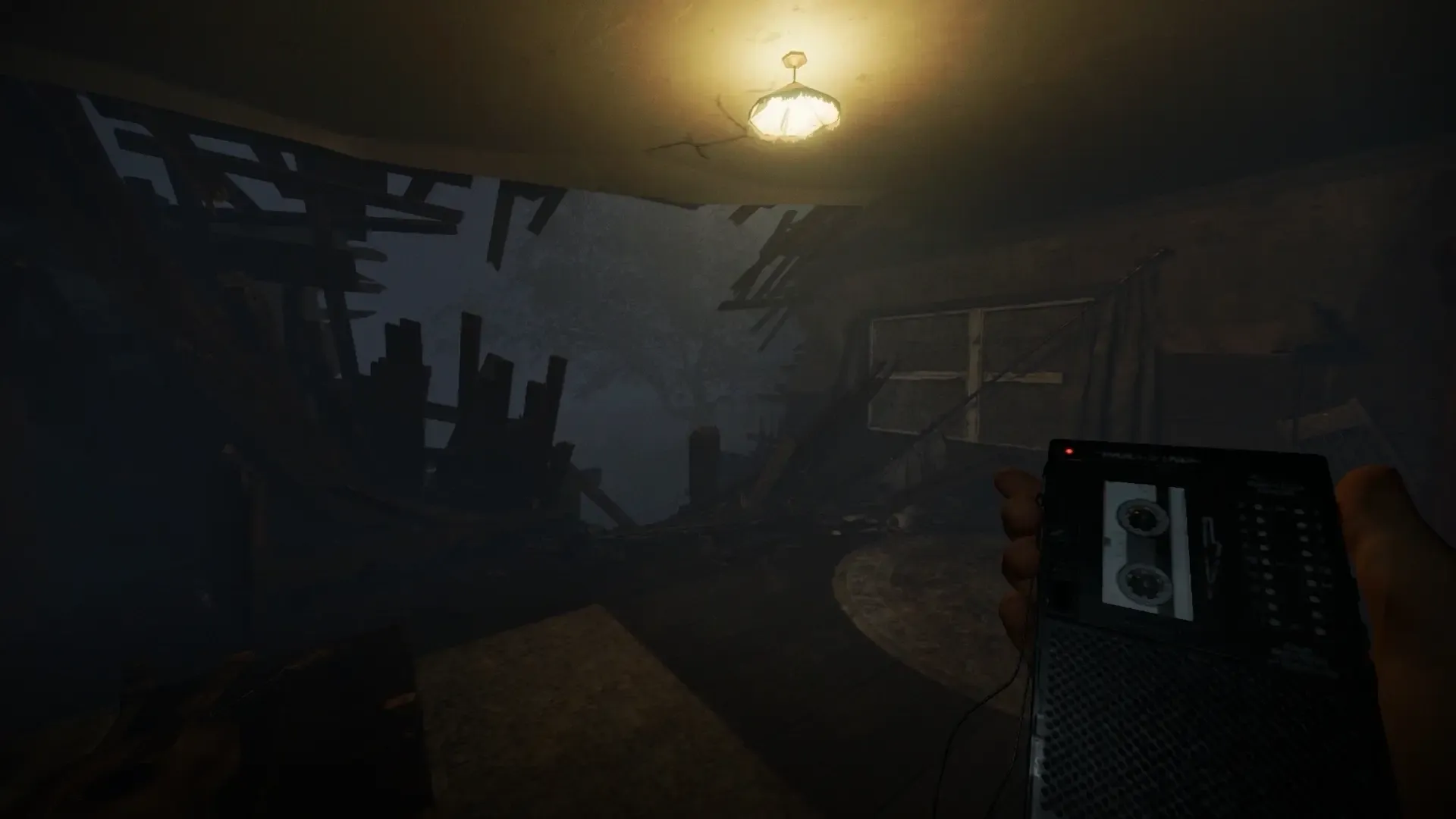
Amidst the technical turmoil, Kinetic Games has launched a high-profile collaboration with Remedy Entertainment’s Alan Wake 2. This three-week event, titled "Phasmophobia by Alan Wake," serves as both a content injection and a potential distraction from the character update woes.
The collaboration includes:
- Themed Environments: Recreations of locations from the Alan Wake universe, such as the surreal "Dark Place" aesthetic, integrated into existing Phasmophobia maps.
- Limited-Time Cosmetic Items: New character skins and equipment variants inspired by Saga Anderson and Alan Wake.
- Community Challenges: A series of global goals that, when met, unlock unique lore entries and in-game rewards.
While the collaboration has been well-received, industry analysts suggest that the success of such events is heavily dependent on the stability of the core game. The timing of the apology suggests that Kinetic Games is keen to ensure that the Alan Wake content is not overshadowed by lingering technical dissatisfaction.
Studio Growth and the "Higher Standard"
The apology highlights a significant transition for Kinetic Games. In the statement, the studio noted, "Our team has grown significantly over the last year." This growth refers to the hiring of specialized animators, programmers, and community managers to handle the demands of a multi-platform live-service game.
The "higher standard" mentioned by the developers is a nod to the fact that Phasmophobia is no longer viewed as a "scrappy indie hit," but as a leading title in the horror genre. With the recent launch on PlayStation VR2 and current-gen consoles, the studio is now competing with AAA horror titles. The admission of failure indicates an institutional awareness that the leeway granted to a solo developer in 2020 does not extend to a fully staffed studio in 2024.
Broader Implications for the Indie Horror Genre
The situation with Phasmophobia reflects a growing trend in the indie gaming industry where rapid success leads to immense pressure during the "polishing" phase of development. Other titles, such as 7 Days to Die and Project Zomboid, have faced similar hurdles when attempting to overhaul foundational systems after years of public play.
Kinetic Games’ decision to offer a direct apology rather than a defensive stance has been noted by industry observers as a positive step in community management. By validating the players’ "justified" reviews, the studio has likely mitigated a long-term "review bombing" campaign on Steam, which can be catastrophic for a game’s discoverability and sales.
Future Outlook and Roadmap
Looking ahead, Kinetic Games has committed to a more transparent development roadmap. The studio has signaled that while the Player Character Update is now "stable" following the recent hotfixes, further refinements will be made based on ongoing community telemetry.
The immediate focus for the team remains:
- Console Parity: Ensuring that Xbox and PlayStation players receive updates simultaneously with PC users.
- VR Optimization: Continuing to refine the experience for PSVR2 and Meta Quest users, who have reported specific issues with the new character models in a virtual reality space.
- Horror 2.0: A long-term goal to overhaul ghost AI and environmental interactions to match the fidelity of the new character models.
As the Alan Wake 2 collaboration continues, the studio appears to be regaining some of the goodwill lost during the initial launch of the character update. However, the event serves as a reminder that for a community-driven game like Phasmophobia, technical integrity remains the most critical component of longevity. Kinetic Games has demonstrated that while they may "miss the mark" occasionally, they are willing to listen to their audience to find the target again.