

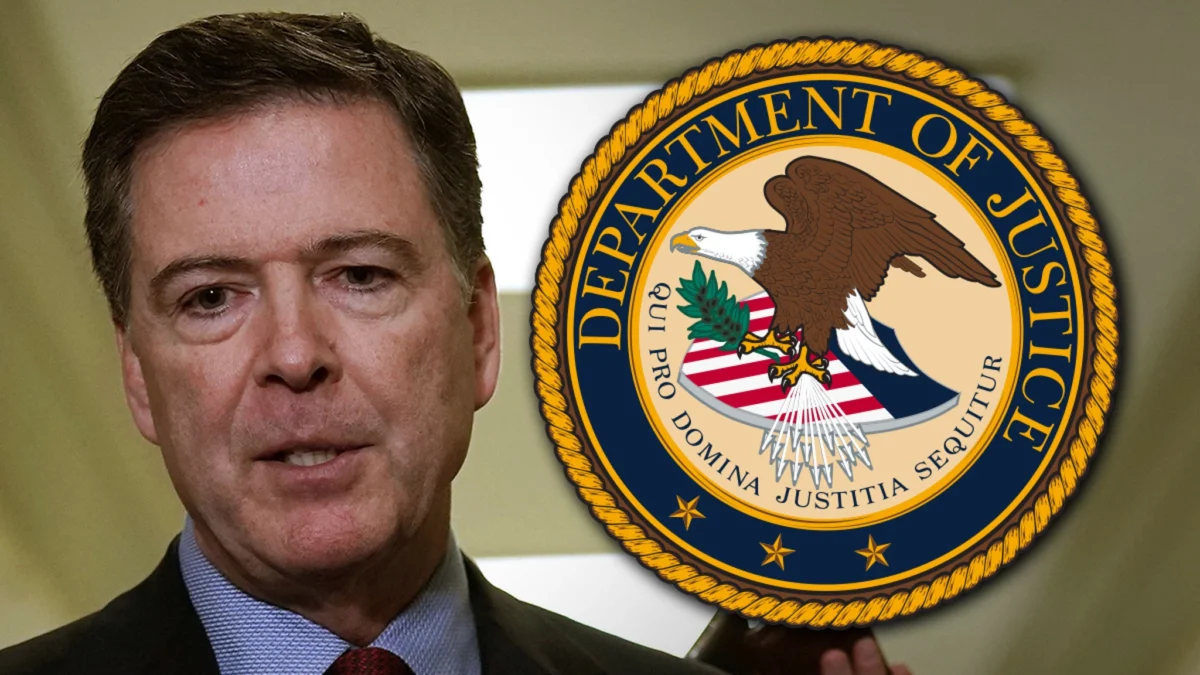
Former FBI Director James Comey is reportedly facing a second indictment within seven months, stemming from the same controversial social media post made last year. Sources familiar with the matter, as reported by CNN, indicate that the Justice Department under President Donald Trump’s administration has brought forth new charges against Comey. This development reignites a saga that previously saw an investigation quietly dropped, and now places the former top law enforcement official once again in the crosshairs of a Justice Department under intense scrutiny.
The Allegation: ‘8647’ and Its Interpretation
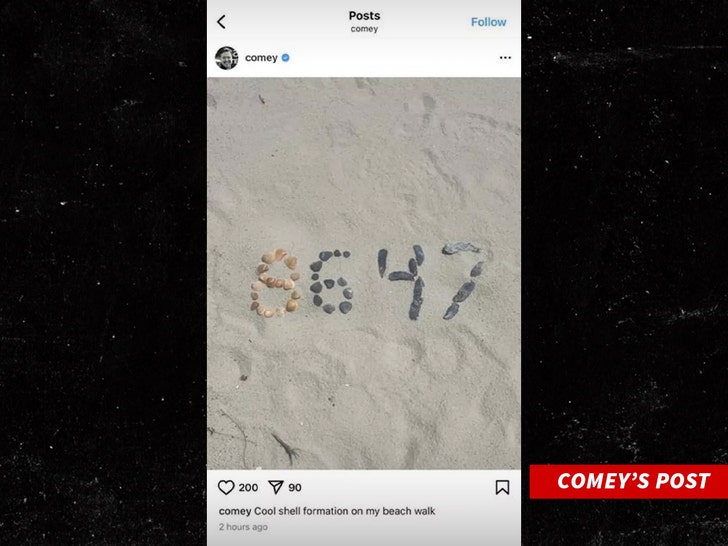
The core of the new charges revolves around an Instagram post made by James Comey in May 2025. The post, which quickly went viral before being deleted, featured a photograph of seashells meticulously arranged on beach sand to spell out the numeric sequence "8647." While seemingly innocuous to an uninformed observer, prosecutors and some officials contend that the sequence carried a covert, yet potent, threat directed at then-President Donald Trump.
The interpretation hinges on a specific slang term and a historical fact. In hospitality and restaurant industries, "86" is a widely understood shorthand term. It primarily means to remove a person from an establishment, often due to disruptive behavior, or to indicate that a particular menu item has run out. However, within certain contexts, "86" can also carry more aggressive, even violent, connotations, implying the permanent removal or elimination of someone. The "47" in the sequence is interpreted as a direct reference to Donald Trump, who is the 47th President of the United States.
Therefore, the combination "8647" has been construed by the Justice Department and its allies as a coded message advocating for the removal, or worse, of President Trump from office. This interpretation was swiftly adopted by various commentators and political figures shortly after the post appeared, leading to accusations that Comey, a former high-ranking federal official, was engaging in seditious speech or inciting violence against the sitting President. Comey’s decision to delete the post shortly after the controversy erupted only fueled these interpretations, with critics suggesting it was an admission of guilt or an attempt to erase evidence.
A History of Conflict: Comey and Trump
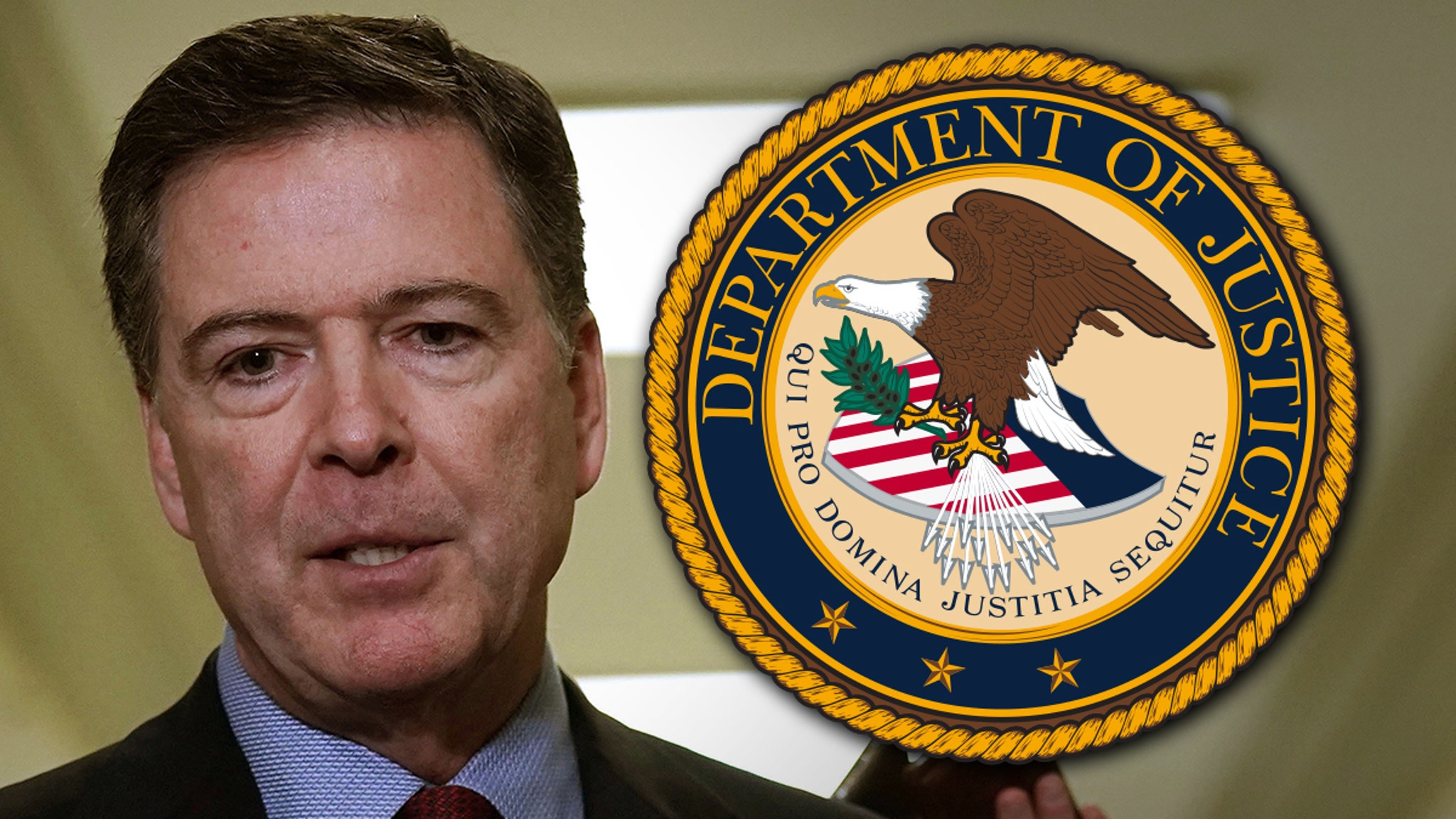
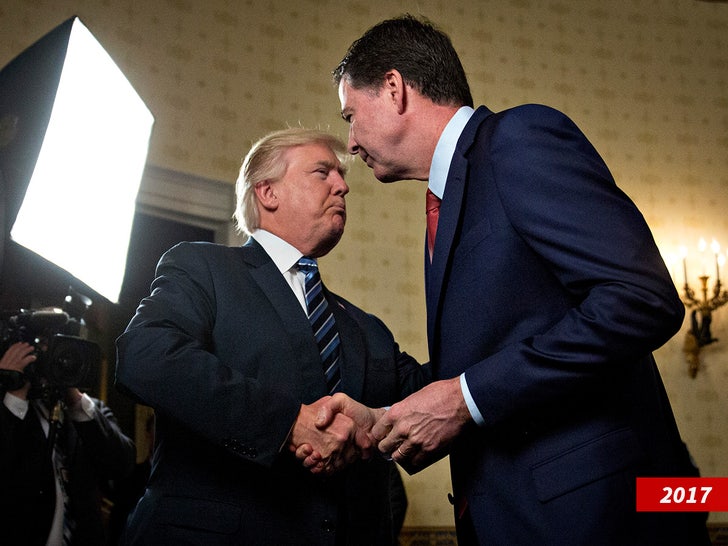
The renewed legal action against James Comey is the latest chapter in a long and acrimonious relationship between the former FBI Director and President Trump. Comey served as Director of the Federal Bureau of Investigation for four years, initially appointed by President Barack Obama. His tenure famously spanned the contentious 2016 presidential election and the early months of the Trump administration.
Comey became a pivotal, and often controversial, figure during the 2016 campaign due to his public statements regarding the FBI’s investigation into Hillary Clinton’s use of a private email server. His decision to announce the reopening of the investigation just days before the election, and then its subsequent closing, drew criticism from both Democrats and Republicans.
However, his relationship with Donald Trump rapidly deteriorated after Trump’s inauguration. Comey’s investigation into alleged Russian interference in the 2016 election and potential collusion with the Trump campaign became a major point of contention. Trump publicly expressed his displeasure with Comey’s handling of these matters, ultimately firing him in May 2017. Following his dismissal, Comey became a vocal critic of President Trump, writing a best-selling memoir, "A Higher Loyalty," and frequently commenting on political affairs, often drawing Trump’s ire on social media and in public statements. This deep-seated animosity provides crucial context for understanding the current legal challenges, with many observers viewing the indictment through the lens of political retaliation.
Chronology of Events Leading to the Second Indictment
To fully grasp the significance of this latest development, a chronological review of the key events is essential:
- May 16, 2025: James Comey posts the controversial "8647" seashell photograph on his Instagram account. The post quickly garners attention and sparks debate regarding its meaning and intent. Accusations of a veiled threat against President Trump begin to circulate, leading Comey to delete the post shortly thereafter.
- Late 2025 (Approx. October 2025): Following public outcry and formal complaints, the Secret Service initiates an investigation into Comey’s post. This leads to Comey being interviewed regarding the incident. At this time, a preliminary indictment or charges are reportedly considered by the Justice Department. However, the case is "quietly dropped" after the Secret Service interview, without any public charges being filed against Comey. The reasons for dropping the case were not publicly disclosed, but some speculate it was due to insufficient evidence of intent to threaten or concerns about the viability of prosecuting such a charge.
- Early April 2026: President Trump dismisses Attorney General Pam Bondi. Reports from the New York Times and other outlets indicate that Trump was frustrated with Bondi’s perceived "lack of aggressiveness in going after his foes." This dismissal signals a potential shift in the Justice Department’s priorities and enforcement strategies.
- April 28, 2026: The Justice Department, now under the leadership of Acting Attorney General Todd Blanche, announces a new indictment against James Comey, specifically related to the "8647" Instagram post. This marks the second time Comey has faced legal scrutiny over this particular incident, but the first time formal charges have been publicly announced.
Justice Department Under Scrutiny: Bondi’s Dismissal and Blanche’s Appointment
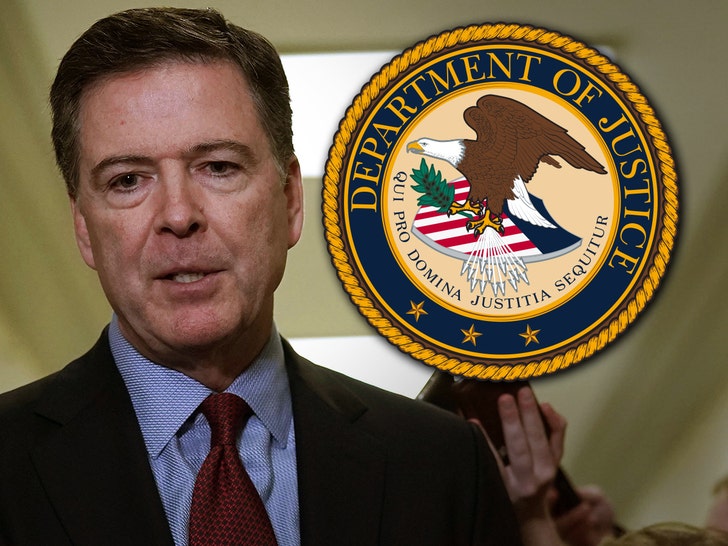
The timing of this new indictment has drawn significant attention, particularly given the recent shake-up at the helm of the Justice Department. Just weeks prior, President Trump removed Attorney General Pam Bondi from her position. While official reasons for her departure were not extensively detailed, reports from reputable news organizations like The New York Times painted a clear picture of presidential dissatisfaction. Trump was reportedly frustrated by what he perceived as a lack of aggressive pursuit of his political adversaries by the Justice Department under Bondi’s leadership. This sentiment aligns with long-standing criticisms from the President regarding the perceived leniency or inaction of federal prosecutors in cases involving individuals he views as opponents.
Following Bondi’s dismissal, Todd Blanche was appointed as Acting Attorney General. Blanche, known for his past work as a defense attorney, assumed the role amid widespread speculation about the future direction of the Justice Department. CNN reports explicitly state that Acting Attorney General Todd Blanche is now "leading the charge" on this new indictment against Comey. This rapid shift in leadership and immediate action on a politically charged case has led many to question whether the Justice Department’s actions are genuinely independent or influenced by the President’s expressed desires for more aggressive prosecution of his perceived enemies. Critics argue that the timing and nature of this indictment, coming so soon after a direct complaint from the President about his former Attorney General’s lack of "aggressiveness," could create a perception of political weaponization of federal law enforcement.
Legal Implications and Free Speech Concerns
The indictment of James Comey raises profound legal questions, particularly concerning the boundaries of free speech for former public officials and the interpretation of intent in online communications. Comey’s defense team is likely to argue that his Instagram post was protected under the First Amendment, asserting that it was merely an expression of opinion or a cryptic artistic statement, devoid of any genuine intent to threaten or incite violence. They could contend that the "8647" sequence is open to multiple interpretations and that attributing a violent or threatening meaning is an overreach by the prosecution, particularly given the lack of any direct, explicit threat.
Legal experts are divided on the potential success of such a prosecution. Proving intent to threaten can be notoriously difficult, especially when the communication is indirect or symbolic. The prosecution would need to demonstrate beyond a reasonable doubt that Comey intended for his post to be understood as a credible threat against President Trump and that it was likely to incite unlawful action. The previous decision by the Secret Service and the Justice Department to quietly drop the initial investigation suggests that even federal agencies initially found the legal bar for prosecution difficult to meet.
However, the Justice Department under its new leadership may argue that the context of Comey’s prior criticisms of Trump, his public profile, and the widely understood connotations of "86" when combined with a specific presidential number, collectively establish the necessary intent and credible threat. They might also point to Comey’s deletion of the post as evidence of his awareness of its provocative nature and potential legal ramifications.
This case could set a significant precedent for how ambiguous online communications from public figures are treated under the law. It touches upon the delicate balance between freedom of expression and the need to prevent incitement to violence or credible threats against government officials.
Broader Political Ramifications and Public Discourse
The re-indictment of James Comey is poised to ignite a firestorm of political debate and public discourse. Supporters of President Trump are likely to view it as a righteous pursuit of justice against a former official they believe undermined the presidency and exhibited disloyalty. They may see it as a necessary step to hold individuals accountable for what they perceive as seditious or threatening behavior, especially given the heated political climate.
Conversely, critics of the Trump administration, and Comey’s allies, are expected to decry the indictment as a politically motivated act of retribution. They will likely argue that it is a clear example of the weaponization of the Justice Department to target political opponents, using federal power to silence dissent and punish critics of the President. This perspective will be bolstered by the timing of the indictment, following Pam Bondi’s dismissal and Trump’s reported frustration with the DOJ’s perceived inaction against his "foes."
The case will undoubtedly fuel ongoing discussions about the independence of the Justice Department, particularly in an era where political polarization is rampant. It raises serious questions about whether the federal justice system can remain impartial when the President publicly calls for action against specific individuals. The perception of justice, whether fair or politically biased, will have profound implications for public trust in government institutions.
Furthermore, the indictment will likely contribute to a broader chilling effect on free speech, particularly for former government officials who might fear legal repercussions for expressing critical opinions, even in an indirect or symbolic manner. This could lead to increased self-censorship, which some argue would be detrimental to democratic discourse and transparency.
Looking Ahead: A High-Stakes Legal Battle
As the legal proceedings unfold, the nation will be watching closely. James Comey’s defense team will undoubtedly mount a vigorous challenge, likely focusing on First Amendment protections and the lack of demonstrable intent to threaten. The prosecution, under Acting Attorney General Todd Blanche, will face the burden of proving that Comey’s post constituted a genuine threat and that the message "8647" was intended to be interpreted in a malicious or inciting manner.
The outcome of this case could have far-reaching consequences, not only for James Comey’s personal and professional future but also for the parameters of free speech, the independence of the Justice Department, and the political climate in the United States. It is a high-stakes legal battle that transcends the specifics of a single Instagram post, touching upon fundamental principles of law, governance, and democracy. The judiciary will once again find itself at the center of a politically charged controversy, tasked with navigating complex legal questions amidst intense public and political pressure.