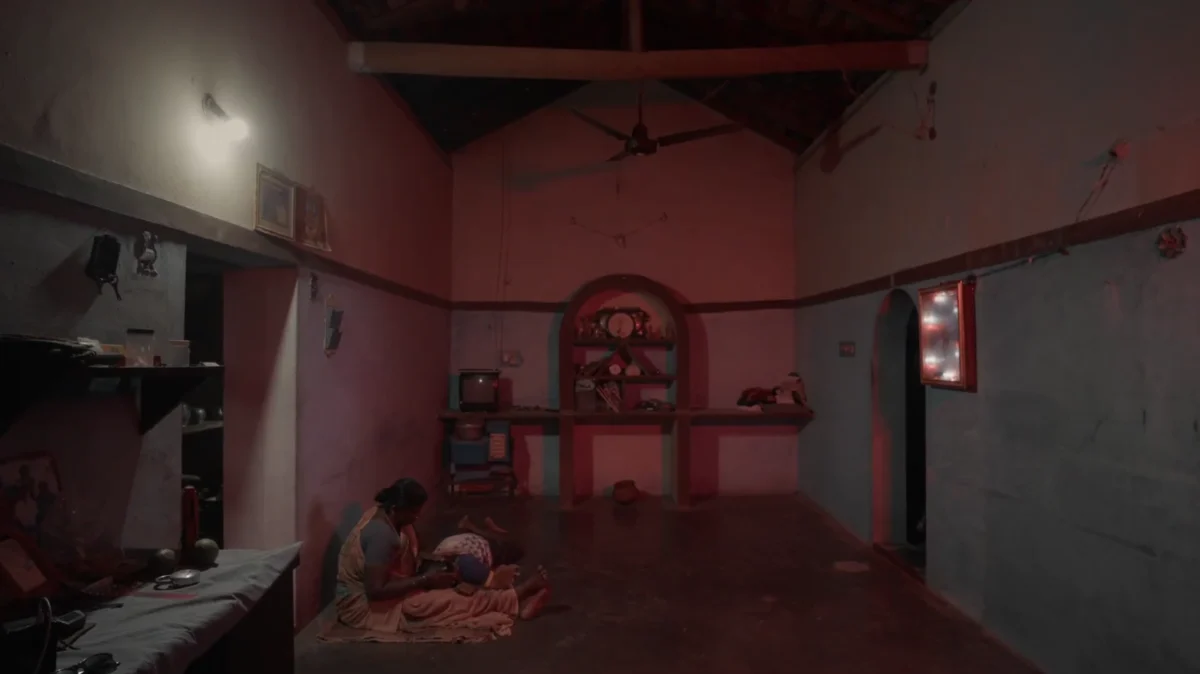
The independent short film "Jakkuppatti," a poignant work by emerging filmmaker Anand T, delves into the pervasive issues of social injustice and gender inequality that continue to plague contemporary India. Named after a village in the Dharmapuri district, the birthplace of the director, the film, completed in January 2026, offers a stark and unflinching look at the realities of sexual violence and the deeply entrenched patriarchal structures that fuel it. While India has historically reported a lower per capita rape rate compared to many other nations, the statistical landscape reveals a troubling upward trend and a disturbing increase in the severity and impunity surrounding these crimes. Data from 2019, for instance, indicated that a rape was reported in India every 16 minutes. More recent figures from the National Crime Records Bureau, accessible through official government channels, confirm an escalating number of reported cases since 2025, accompanied by a discernible rise in the brutality of these acts and a concerning lack of accountability for perpetrators. This disturbing reality is deeply rooted in a complex interplay of historical patriarchal norms, persistent gender inequality, and a societal normalization of male entitlement, which "Jakkuppatti" seeks to illuminate.
A Deeper Look at "Jakkuppatti" and its Context
"Jakkuppatti" is not merely a narrative film; it is an intricate tapestry woven from observations of village life, with a specific and critical focus on the insidious presence of sexual violence. Anand T, who also penned the screenplay, eschews a conventional singular plotline. Instead, the film adopts a broader observational approach, presenting a mosaic of experiences within a small Indian village. This narrative strategy allows for a more comprehensive exploration of how patriarchal systems permeate daily life, manifesting in tangible disadvantages for women and girls. The film visually underscores this by depicting how educational opportunities are often disproportionately allocated, with boys frequently receiving preferential treatment over girls. Furthermore, it portrays the societal pressure on adult women to passively accept decisions made by men, highlighting the limited agency afforded to them within the established social order.
The film’s strength lies in its authentic portrayal of its characters. Introduced with minimal explicit exposition, they nonetheless emerge as believable and grounded individuals, a testament to the apt acting performances and the film’s down-to-earth atmosphere. The viewer is not led by the hand through a conventional narrative arc; rather, they are immersed directly into the unfolding events. This immersive approach encourages speculation about the characters’ identities, relationships, and the underlying context of their lives. The pacing builds gradually, creating an atmosphere of unease that culminates in an unexpected and profoundly impactful dramatic climax: a scene of sexual violence rendered with a stark and graphic realism. This powerful depiction serves as a brutal anchor for the film’s thematic concerns, forcing viewers to confront the harsh realities it seeks to expose.
Societal Structures and the Cycle of Oppression
Before honing in on the plight of a specific protagonist, "Jakkuppatti" meticulously constructs a broader social framework, firmly rooted in patriarchal ideologies. The film illustrates how societal norms dictate early marriage for girls, while simultaneously permitting boys to pursue further education. Crucially, "Jakkuppatti" emphasizes that the perpetuation of this cycle of oppression is not solely the domain of men. Women, too, often become agents in upholding these restrictive systems, frequently framing them as immutable aspects of life. This dynamic underscores the internalized nature of patriarchal norms and the difficulty of challenging deeply ingrained traditions. The film implicitly suggests that in many households, conversations surrounding consent, mutual respect, and gender equality are conspicuously absent, creating an environment where violations can occur with alarming ease and minimal consequence.
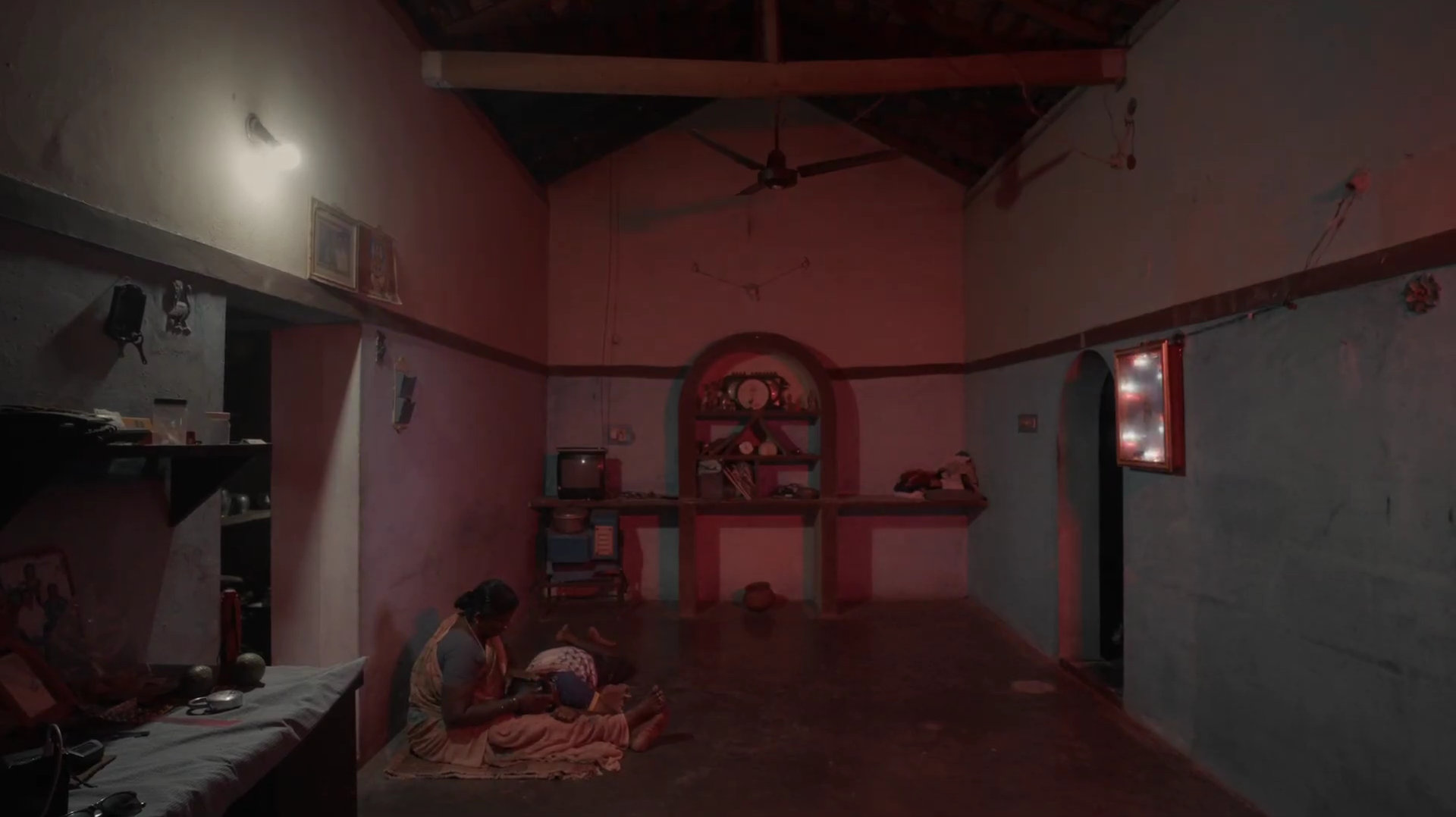
The cinematography, helmed by Dilipan Prabakar, employs techniques that are both simple and remarkably effective. Supported by Krishna Kumar’s spare and purposeful editing, the camera work often captures the seemingly idyllic surroundings of the village. Through long takes and the authentic embrace of natural ambient sound, the film imbues the village with a palpable texture, drawing the viewer into its sensory experience. This visual consistency is deliberately disrupted by an experimental sequence shot in black and white. This stylistic departure serves a crucial thematic purpose, reflecting the profound psychological distress and trauma experienced by a character in the aftermath of a violent event, offering a glimpse into their fractured inner world.
Broader Implications and a Call for Awareness
"Jakkuppatti" presents a sobering depiction of systemic violence, pervasive inequality, and, perhaps most disturbingly, the complacent silence and passivity of many within the community. One character’s observation within the film resonates with a broader societal truth: these issues are not confined to this single village but are replicated in numerous other locales across India, reflecting a deeply ingrained social reality. The film’s effectiveness lies in its well-crafted execution and its subtle experimental touches, positioning it as a significant contribution to the ongoing discourse on critical contemporary social issues. While the film’s thematic importance and artistic merit are undeniable, contributing a vital voice to the wider conversation surrounding these sensitive topics, it is also important to acknowledge that "Jakkuppatti" operates within a landscape of films that have previously explored similar themes. Its originality may lie less in introducing entirely novel concepts and more in its potent and authentic portrayal of persistent societal failings.
The film’s impact extends beyond its narrative to highlight the urgent need for societal introspection and change. The statistics on sexual violence in India, though often cited, demand constant re-examination. According to the National Crime Records Bureau (NCRB) data, in 2022 alone, over 31,000 cases of rape were reported across India, with conviction rates remaining a significant concern. These figures represent only the reported cases, and experts widely acknowledge that a substantial number of incidents go unreported due to societal stigma, fear of reprisal, and a lack of faith in the justice system. The film’s portrayal of women’s limited educational and economic opportunities directly correlates with their vulnerability. Global reports, including those from UN Women, consistently link gender inequality and economic disparities to higher rates of gender-based violence.
The implications of "Jakkuppatti" are far-reaching. It serves as a powerful educational tool, capable of sparking critical discussions within communities, educational institutions, and policy-making circles. The film’s focus on the perpetuation of patriarchal norms by women themselves offers a nuanced perspective, suggesting that true change requires a fundamental shift in ingrained cultural beliefs across all genders. The normalization of male entitlement, as depicted in the film, is a direct consequence of social conditioning that has, for generations, prioritized male perspectives and needs. This has led to a societal blind spot regarding the experiences and rights of women, creating fertile ground for exploitation and abuse.
While the film itself does not offer specific policy recommendations, its very existence and its unflinching portrayal of reality implicitly advocate for stronger legal frameworks, more effective implementation of existing laws, and comprehensive social awareness campaigns. The call for greater consent education, the promotion of gender equality in all spheres of life, and the dismantling of patriarchal structures are all themes that resonate deeply with the film’s underlying message. The experimental black-and-white sequence, in particular, underscores the profound psychological scarring that sexual violence inflicts, highlighting the need for robust mental health support systems for survivors.
The film’s artistic merit, particularly its cinematography and editing, contributes to its power. The use of long takes and natural sound immerses the viewer in the film’s world, making the subsequent depiction of violence all the more jarring and impactful. This deliberate contrast between the serene village environment and the horrific acts of violence underscores the insidious nature of the problem, suggesting that such brutality can occur even in seemingly peaceful settings. The experimental black-and-white sequence, while brief, serves as a potent visual metaphor for the trauma and disorientation experienced by victims.
In conclusion, "Jakkuppatti" stands as a significant artistic statement on the persistent challenges of social justice and gender equality in India. By grounding its narrative in the specific context of a village while addressing universal themes of patriarchy and violence, Anand T has created a film that is both culturally relevant and globally resonant. Its success lies not only in its technical execution but also in its courage to confront uncomfortable truths, urging audiences to engage with the complex realities of social injustice and to advocate for a more equitable and just future for all. The film’s contribution to the ongoing dialogue on these critical issues is invaluable, serving as a stark reminder that the fight for social justice is an ongoing endeavor that requires continuous awareness, critical engagement, and collective action.