

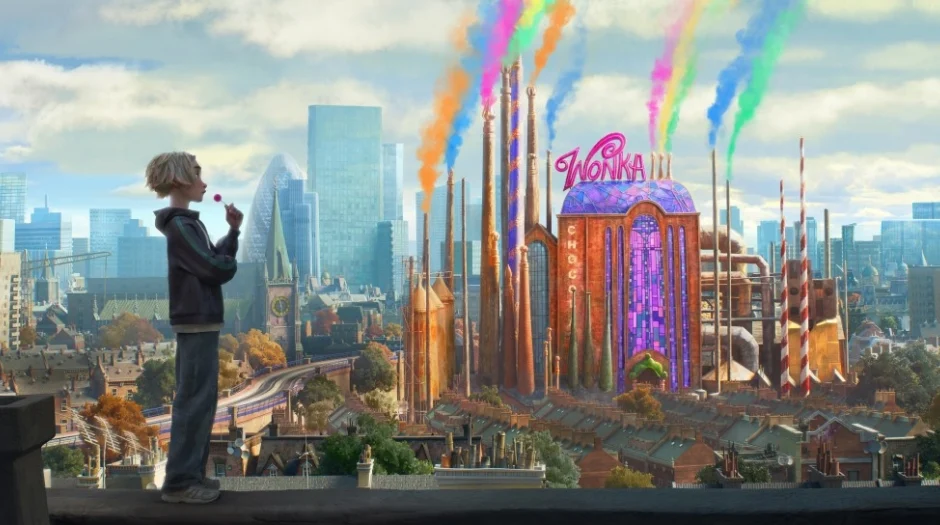
Netflix has officially announced the forthcoming release of Charlie vs. the Chocolate Factory, an original animated feature film slated to premiere in 2027. This contemporary adaptation promises to revisit the beloved and eccentric world of Willy Wonka, presenting a fresh narrative that sees the iconic candy magnate navigating the consequences of his past and facing a new generation of challenges. The project boasts a star-studded voice cast, featuring Kit Connor as Charlie Paley and Taika Waititi as Willy Wonka, with animation produced by the renowned Sony Pictures Imageworks.
The film’s premise centers on a post-prison Willy Wonka, who, after serving time for an unfortunate incident involving a child and a blueberry transformation, returns to his legendary factory with a renewed, albeit possibly misguided, desire to "improve the world." His plans are soon complicated by the arrival of Charlie Paley, a determined teenager, and his friends. Facing the threat of eviction from their homes, Charlie and his companions embark on a daring mission to infiltrate Wonka’s factory, seeking to acquire a valuable Wonka Bar, which they believe holds the key to their salvation. This clandestine operation is set to trigger a cascade of unforeseen events, delving into themes of societal inequality, the impact of past actions, and the enduring allure of confectionery magic.
A Modern Retelling with a Familiar Legacy
Charlie vs. the Chocolate Factory is helmed by directors Jared Stern and Elaine Bogan, with Aron Warner and Timothy Yoo serving as producers. Taika Waititi also takes on an executive producer role, lending his distinctive creative vision to the project. The animation, a critical component of bringing this fantastical world to life, is being meticulously crafted by Sony Pictures Imageworks, a studio with a proven track record of delivering visually stunning and imaginative animated features.
The decision to explore a "continuation" of Roald Dahl’s classic tale reflects Netflix’s ongoing commitment to leveraging its acquisition of the Roald Dahl Story Company in 2021. This strategic move has paved the way for expanded opportunities across various media formats, allowing for fresh interpretations of Dahl’s enduring literary works. The streaming giant has previously announced The Golden Ticket, a competition series also inspired by the Charlie and the Chocolate Factory universe, underscoring a broader strategy to create a cohesive and engaging ecosystem around Dahl’s characters and stories.
Voices of a New Era
The casting of Kit Connor and Taika Waititi for the lead roles brings a significant level of anticipation to the project. Taika Waititi, known for his unique blend of humor and heartfelt storytelling, is expected to bring a nuanced and potentially mischievous portrayal to Willy Wonka. "I’m so excited to enter the wonderful world of Wonka," stated Kit Connor, expressing his enthusiasm for the project. "I was immediately caught by the early concept art, and the directors’ vision for the film – capturing the spirit and heart that made the original story so special, whilst imbuing it with something so fresh and unique. It’s such a fun representation of the London that I know. This new adventure is going to surprise audiences around the world, you’re in for a treat!"

Jared Stern, one of the film’s directors, highlighted the creative ambition behind the project. "Having been raised on the delightfully twisted world of Willy Wonka, it’s a privilege to bring his continued adventures to life as twisted adults," Stern commented. "And how sweet to do it like never before via the magic of animation, creating a Charlie vs. the Chocolate Factory that’s more deliciously unhinged than your wildest imagination. If we do a rotten job, you can throw us down a rubbish chute!" This statement suggests a bold approach to the source material, aiming to push the boundaries of what audiences expect from a Wonka adaptation.
Taika Waititi echoed this sentiment, expressing his personal connection to the character. "Our directors, Jared and Elaine, have a bold vision befitting this new adventure whilst remaining sympathetic to the legacy, and I’m thrilled to play my part in bringing Willy Wonka to life in animated form," Waititi said. "He is so special to me, and the opportunity to voice such an iconic, eccentric candy genius – if a little mischievous at times – is hugely exciting."
Hannah Minghella, Head of Feature Animation and Family Film at Netflix Animation Studios, underscored the directors’ ability to balance legacy with innovation. "With their singular comedic and visual flair, Jared and Elaine have concocted a delightful adventure that remains true to the spirit of Dahl’s beloved novel while imagining a brand-new story that introduces this world to a new generation," Minghella remarked. "We can’t wait for audiences around the world to experience the magic and mayhem for themselves when the film comes out next year."
The Enduring Appeal of Roald Dahl
Roald Dahl’s Charlie and the Chocolate Factory remains one of the most enduring and beloved children’s books in literary history. First published in 1964, the story of a poor boy who wins a golden ticket to tour the eccentric Willy Wonka’s magical chocolate factory has captivated generations of readers. The book has been translated into nearly 60 languages and stands as the best-selling Roald Dahl book in over 25 countries, a testament to its universal themes and imaginative scope.
The character of Willy Wonka himself has become an archetype of eccentric genius, a figure who embodies both boundless creativity and a certain unsettling detachment from conventional morality. His factory, a place of fantastical inventions and sugary wonders, has long served as a potent symbol of escapism and the allure of the extraordinary. The film’s premise, placing Wonka in a modern-day London grappling with issues like eviction, suggests an intention to connect the fantastical elements of the story with contemporary social realities.
Netflix’s Animated Ambitions
The acquisition of the Roald Dahl Story Company by Netflix represented a significant strategic investment, signaling the platform’s intent to create a robust library of animated content based on classic literary properties. This move aligns with a broader trend in the entertainment industry, where established intellectual property is increasingly being reimagined for new audiences across streaming platforms.

Charlie vs. the Chocolate Factory is part of a larger slate of animated features planned by Netflix, which also includes titles like Steps and Ray Gunn. This diversification of animated offerings indicates Netflix’s commitment to capturing a wide demographic, from young children to adults who grew up with these beloved stories. The success of animated features on streaming platforms has been substantial, with audiences demonstrating a strong appetite for high-quality, visually engaging content that can be enjoyed by the whole family.
Potential Implications and Analysis
The announcement of Charlie vs. the Chocolate Factory arrives at a time when animated storytelling is experiencing a renaissance. The ability of animation to create worlds unbound by the limitations of live-action filmmaking offers fertile ground for adapting the imaginative landscapes of Roald Dahl. The film’s modern setting and the introduction of a new protagonist, Charlie Paley, suggest an effort to broaden the narrative beyond the original scope of the book, potentially exploring themes of social justice and the impact of corporate power in contemporary society.
The inclusion of Sony Pictures Imageworks as the animation studio is a significant indicator of the film’s expected visual quality. This collaboration brings together Netflix’s content development expertise with a studio renowned for its technical prowess and artistic innovation in the realm of animation. The visual style and aesthetic choices made by Sony Pictures Imageworks will undoubtedly play a crucial role in defining the film’s overall impact and its ability to translate the whimsical and sometimes dark undertones of Dahl’s writing to the screen.
The decision to set the story in London also provides an opportunity to ground the fantastical elements in a recognizable urban environment, potentially offering a unique perspective on the city’s character and its diverse communities. The narrative arc, which pits a group of teenagers against the enigmatic Willy Wonka, hints at a story that could resonate with themes of youthful rebellion, resourcefulness, and the fight against perceived injustice.
Furthermore, the film’s release in 2027 positions it within a competitive landscape of upcoming animated features. However, the strong brand recognition of Roald Dahl and the star power of its voice cast provide a significant advantage. The success of Charlie vs. the Chocolate Factory could pave the way for further adaptations of Dahl’s extensive catalog, solidifying Netflix’s position as a major player in the animated film industry. The film’s exploration of Wonka’s post-prison life also opens up avenues for examining the complexities of redemption and the lasting impact of past actions, adding a layer of maturity to the familiar narrative.
As audiences anticipate the 2027 release, the focus will likely remain on how the filmmakers balance the nostalgic charm of the original story with the demands of a contemporary narrative. The success of Charlie vs. the Chocolate Factory will hinge on its ability to capture the magic and mayhem that made Roald Dahl’s work so enduring, while also offering a fresh and compelling experience for a new generation of viewers. The implications of this film extend beyond mere entertainment, representing a significant step in Netflix’s long-term strategy to build a comprehensive universe around one of literature’s most celebrated authors.