


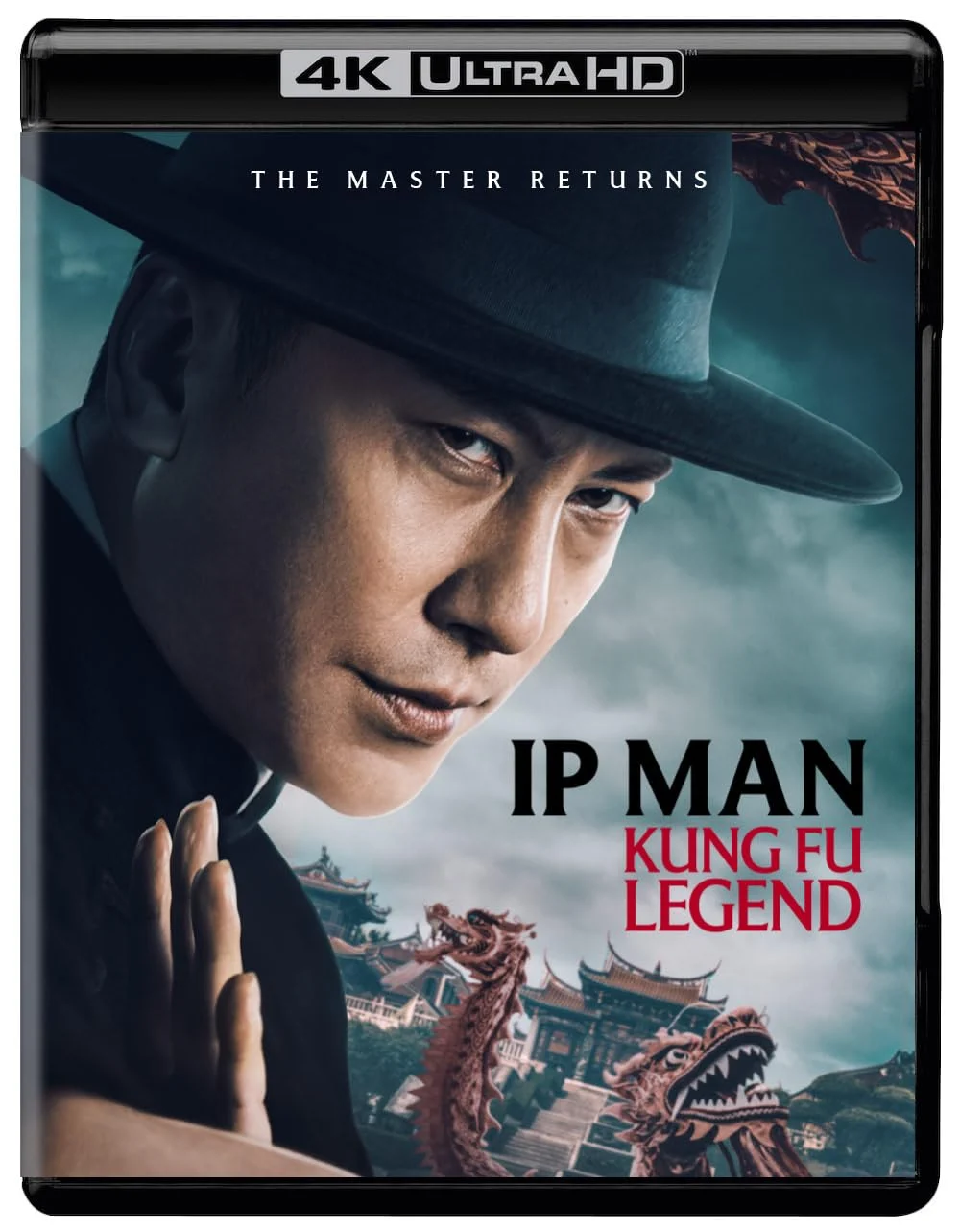
The enduring legacy of Wing Chun grandmaster Ip Man continues to captivate audiences worldwide, with "Ip Man: Kung Fu Legend" marking yet another significant installment in the sprawling cinematic universe dedicated to his life and martial arts prowess. Directed by Li Liming, who previously collaborated with star Dennis To on the franchise, this film represents To’s fourth appearance as the iconic Ip Man, further solidifying his presence within a saga that has now expanded to thirteen titles and shows no signs of abating. Produced by Huiyong Media, the production journeyed to the meticulously crafted sets of Huzhou Film and Television City, where an ambitious endeavor was undertaken to authentically recreate the vibrant, yet turbulent, landscape of 1950s Hong Kong. This dedication to historical detail underscores the film’s commitment to immersing viewers in a pivotal era for both Ip Man and the city itself.
The Genesis of Conflict in 1950s Hong Kong
"Ip Man: Kung Fu Legend" plunges into the narrative following Ip Man’s arrival in Hong Kong, a period characterized by his earnest attempts to establish his martial arts school and integrate into the city’s established martial arts community. However, the Hong Kong of this era was a complex tapestry woven with threads of colonial power and burgeoning criminal enterprises. British merchants held considerable sway, their economic interests often intertwined with the operations of powerful Chinese criminal organizations. Together, these factions sought to expand their influence through aggressive property acquisition, the demolition of factories, and the systematic exploitation of a vulnerable working class, many of whom possessed few avenues for recourse or self-defense.
This socio-economic landscape provided fertile ground for conflict, and Ip Man, a man of unwavering principle, found himself inevitably drawn into the fray. The film depicts his intervention when laborers faced imminent threats, a stand that directly pitted him against the formidable forces of both the colonial administration and the local underworld. The ensuing confrontation escalated dramatically, leading to Ip Man being framed for murder, a charge that resulted in his imprisonment. Even within the confines of correctional facilities, his struggles were far from over, as the criminal elements continued their relentless pursuit, attempting to silence him from behind bars. Simultaneously, the personal toll of these external dangers began to weigh heavily on Ip Man’s domestic life. His wife, increasingly distressed by their precarious circumstances and the constant threat to her husband, expressed a profound longing to return to their former home in Foshan, adding a layer of domestic pressure to the already perilous situation.
A Symphony of Action: Choreography and Narrative Structure
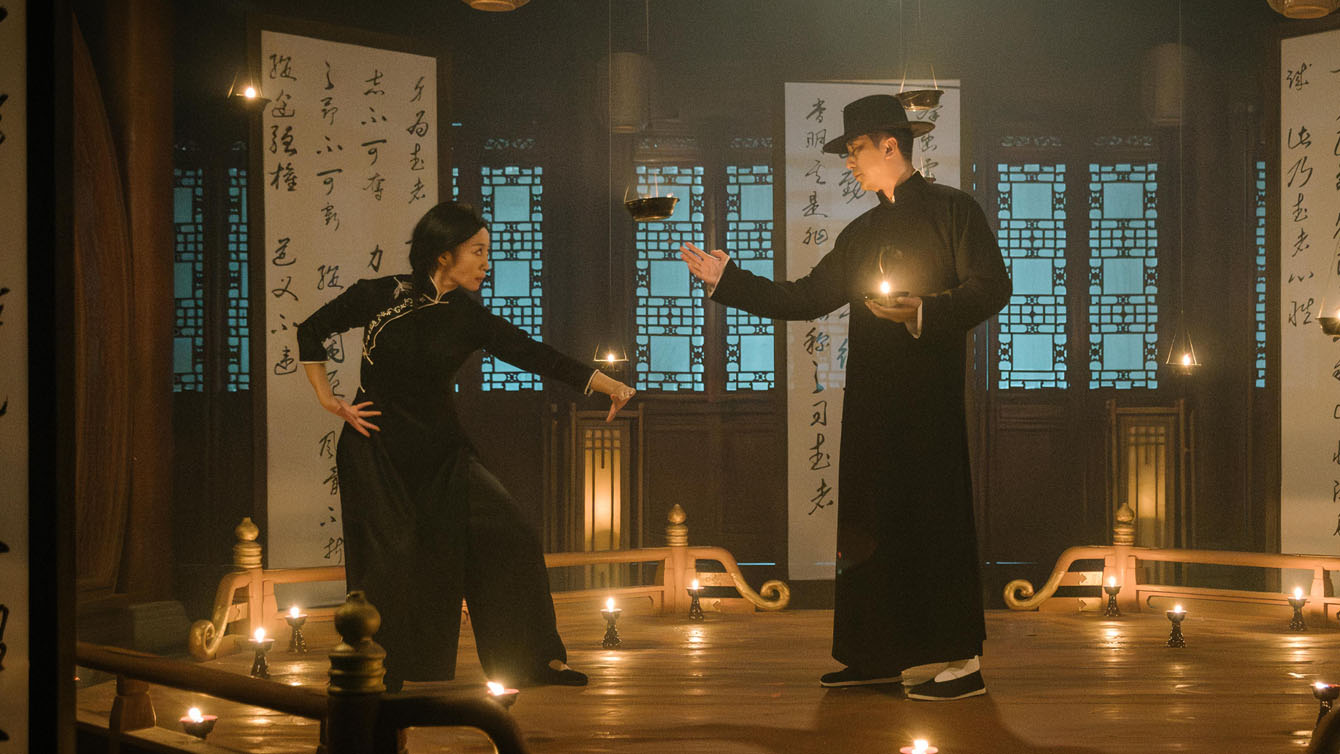
At its core, "Ip Man: Kung Fu Legend" adheres to a narrative structure designed to facilitate a series of increasingly elaborate and visually arresting martial arts confrontations. The screenplay effectively uses dialogue and the depiction of political machinations primarily as connective tissue, bridging the gaps between meticulously choreographed action sequences. These action set pieces are not merely interludes; they are the very pillars upon which the film’s narrative is constructed, featuring distinct and memorable encounters such as the "candle fight," the visceral "battle inside the prison," the claustrophobic "house sequence," and the extended, climactic clashes of the finale. This approach, while familiar within the contemporary martial arts genre, is executed with a level of craftsmanship that elevates the viewing experience.
The film’s strength lies in the sheer variety and innovative execution of its action sequences, preventing any sense of monotony. The candle fight, in particular, is a masterclass in utilizing environmental elements to enhance the drama. The flickering light and confined space create a palpable sense of tension, forcing both combatants to adapt their techniques to the unpredictable illumination and limited maneuverability. The prison fight, drawing power from its oppressive atmosphere, highlights Ip Man’s strategic brilliance and resilience as he navigates an environment where he is constantly outnumbered and under siege. The house confrontation offers a different dynamic, emphasizing confined movements and the destructive potential unleashed as the fight progresses, shattering the surrounding environment. The film’s climactic battles deliver the expected escalation, pitting the protagonist against increasingly formidable adversaries. A notable aspect that contributes to the film’s dramatic weight is the inclusion of moments where Ip Man actually sustains significant punishment, adding a layer of vulnerability and realism that enhances the narrative’s dramatic impact.
A Menagerie of Antagonists and Allies
Among the roster of adversaries, the knife-wielding villain emerges as a particularly compelling antagonist within the broader Ip Man cinematic saga. His ferocity, lightning-fast speed, and unconventional fighting style present a stark and welcome contrast to Ip Man’s disciplined and precise Wing Chun techniques. Crucially, this villain possesses an almost tangible capability to inflict harm upon Ip Man, injecting a crucial element of tension into their encounters, a stark departure from the often-invincible aura projected by heroes in many martial arts productions. Yan Yanlong’s portrayal of this character is a significant highlight of the film, contributing substantially to its overall appeal.
The inclusion of several female characters also enriches the narrative in "Ip Man: Kung Fu Legend." Moving beyond the traditional roles of passive observers, these women are granted a more active and noticeable presence within the unfolding conflict. Their integration introduces a welcome diversity to a narrative that might otherwise be dominated by male fighters, criminal syndicates, and colonial officials. The domestic scenes featuring Ip Man’s wife offer poignant glimpses into the personal sacrifices and emotional costs associated with his unwavering commitment to confronting injustice, adding a crucial human dimension to the martial arts spectacle.
Political Undercurrents and Nuanced Performances
While the film excels in its action sequences, its political commentary is, at times, considerably less nuanced. The portrayal of foreigners leans heavily towards caricature, often depicted as universally arrogant, violent, or morally bankrupt. Conversely, the Chinese protagonists are frequently positioned as embodiments of dignity, loyalty, and collective resistance. This stark dichotomy, while serving the narrative’s dramatic aims, results in an anti-foreign sentiment that is notably intense, even by the franchise’s established standards, and at points verges on overt jingoistic propaganda.
Dennis To continues to deliver a convincing performance in the central role, particularly during the film’s numerous action sequences. His genuine martial arts background allows for the seamless execution of choreography, imbuing the fight scenes with a fluidity and clarity that is essential to their impact. His restrained and principled portrayal aligns well with this particular interpretation of Ip Man, presenting him as a figure of calm composure who is only compelled to fight when circumstances absolutely demand it. He avoids any radical reinvention of the character, instead opting for a portrayal that emphasizes his inherent integrity and measured demeanor. Within the supporting cast, Zhou Xiaofei makes a notable impact through her physical presence, while Wang Wanzhong and Zhang Tingfei contribute effectively to the more character-driven aspects of the narrative, grounding the martial arts epic in relatable human experiences.
Visual Storytelling and Technical Prowess
From a technical standpoint, "Ip Man: Kung Fu Legend" is a visually accomplished production. Cinematographer Lei Guo masterfully utilizes the period-specific sets, the intimate confines of interior spaces, and the dynamic interplay of light sources, especially during the pivotal candle and prison sequences. The camera work is designed to allow viewers to clearly follow the intricate choreography, avoiding excessive, disorienting movement. The editing maintains a brisk pace, ensuring that the major fight sequences have sufficient time to develop and showcase their full impact without becoming repetitive. The action choreography itself is executed at a remarkably high level, striking a compelling balance between gritty realism and exhilarating excess, a combination that sustains viewer engagement from beginning to end.
A Formula for Enduring Popularity
"Ip Man: Kung Fu Legend" makes no significant attempts to deviate from the established and successful formula that has defined its famous protagonist’s cinematic journey. The political messaging, while present, is often heavy-handed, and the antagonists, particularly the foreign characters, can sometimes lean towards simplistic villainy. The narrative primarily functions as a robust framework for a succession of well-executed battles. However, the film’s consistent action, polished visual presentation, and Dennis To’s credible embodiment of the legendary Ip Man ensure its appeal. The continued commercial success of these installments suggests a persistent audience demand for the Ip Man narrative, a factor that undoubtedly fuels the ongoing expansion of this beloved franchise. As long as audiences remain eager to witness the martial arts mastery and principled stand of Ip Man, the cinematic world dedicated to him is poised to continue its prolific output.