

The landscape of comic book appreciation is undergoing a significant paradigm shift, transitioning from the niche pursuit of collectors in secondary markets to a recognized pillar of contemporary narrative art. This evolution is underscored by the impending arrival of the inaugural ICON Festival of Comic & Narrative Art, a two-day event scheduled for November 7 and 8 at the Biltmore Hotel in Los Angeles. Moving away from the high-decibel, commercialized atmosphere of traditional pop-culture conventions, this festival positions itself as a luxury gallery experience dedicated to the mastery of original sequential art.
The event, spearheaded by comic art representatives Sal Abbinanti and Steve Morger, arrives at a moment of increased institutional legitimacy for the medium. With major cultural institutions, such as the upcoming Lucas Museum of Narrative Art, integrating comic art into their collections, the market for original pages has matured significantly. The ICON Festival serves as a direct response to this shifting cultural tide, aiming to provide a curated environment where the focus remains exclusively on the artist and their creative process rather than the peripheral distractions of cosplay, celebrity panels, or mass-market merchandising.
A Shift in Cultural Perception
The conceptual origins of the ICON Festival lie in the European model of art appreciation. Abbinanti, a seasoned art dealer who represents industry icons such as Alex Ross and Bill Sienkiewicz, draws heavily from his experiences organizing similar gatherings in Italy. In the European context, comic artists are frequently classified simply as artists, receiving a level of deference that often escapes their counterparts in North American convention settings.
For years, the domestic convention scene has been dominated by massive, sprawling events that prioritize high-volume foot traffic. In such environments, the artist’s contribution—the original, hand-drawn page—is often relegated to the periphery. Abbinanti notes that the goal of the ICON Festival is to reverse this trend. By limiting ticket sales and selecting an architecturally significant, storied venue like the Biltmore, the organizers intend to strip away the "commercialism" that has come to define the modern convention experience. The intention is to create a space that fosters intimate, one-to-one interaction between creators and patrons, reminiscent of a gallery opening rather than a retail trade show.
The Vanguard of Modern Narrative Art
The festival’s roster features a who’s-who of contemporary talent, reflecting a diverse range of styles from the traditional superhero aesthetic to avant-garde narrative design. Among the confirmed attendees are Nick Dragotta, currently helming the critically acclaimed and commercially successful Absolute Batman for DC, and Daniel Warren Johnson, the Eisner Award-winning creator behind the recent Transformers run and the Absolute Batman Annual.
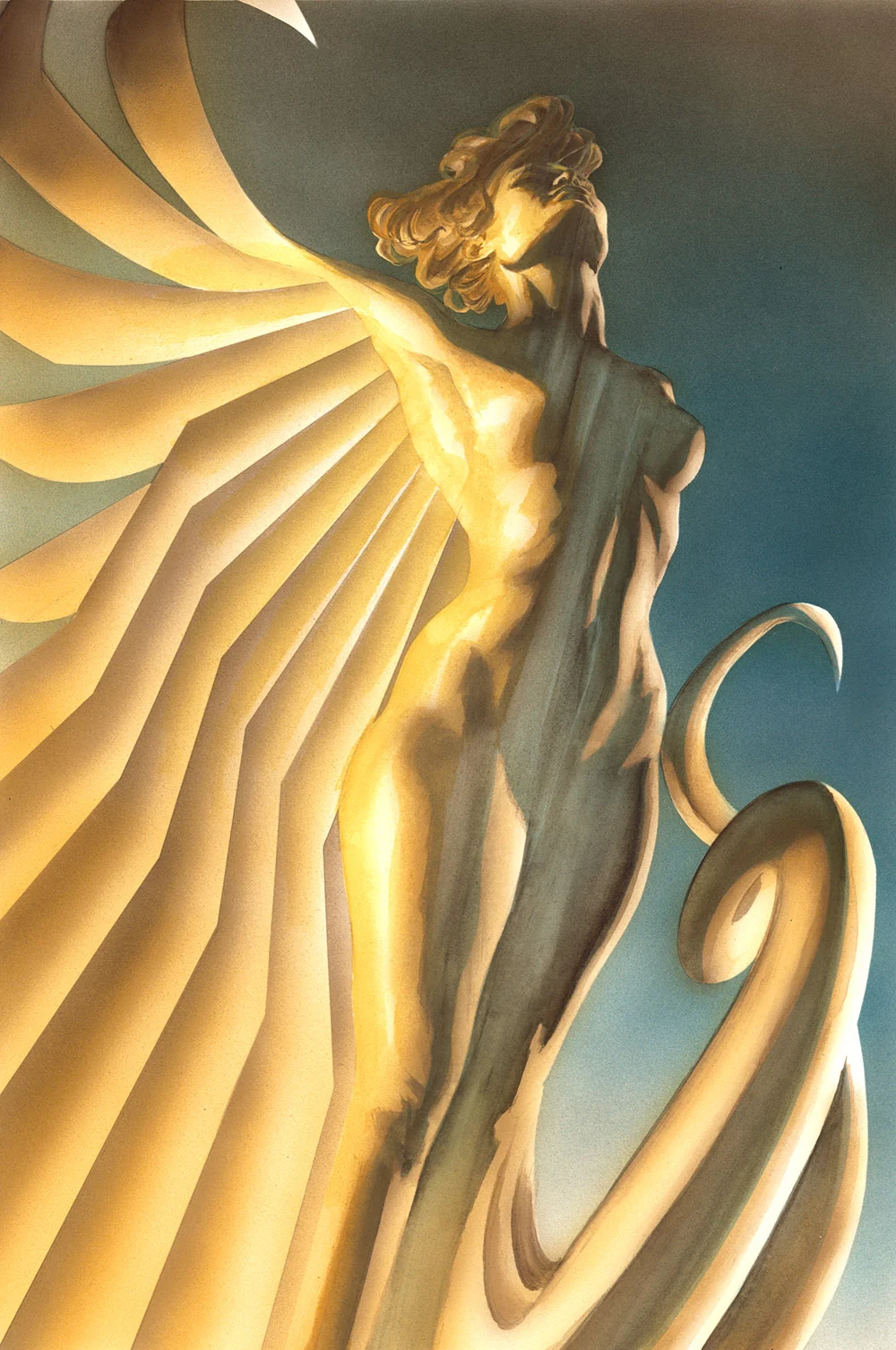
A central highlight of the inaugural event will be an extensive exhibition dedicated to Alex Ross. The showcase will feature over 100 original works, providing a comprehensive look at the career of an artist whose painted approach to comic books helped break down the barriers between genre fiction and high-end illustration. Ross, whose influence is cemented by seminal works like Marvels and Kingdom Come, is also contributing an exclusive piece for the event: an original painting of an angel designed to reflect the historical significance of the Biltmore Hotel, where the Academy Awards were first conceived.
The full list of attending artists includes Eric Basaldua, Jim Cheung, Frank Cho, Ace Continuado, Sanford Greene, Megan Huang, Dave Johnson, David Mack, Dustin Nguyen, Alex Niño, Jason Palmer, Dan Panosian, Bill Sienkiewicz, Cat Staggs, William Stout, and Dean Yeagle.
Economic and Cultural Implications
The rise of the original art market has been nothing short of exponential. Over the past decade, high-end auction houses such as Heritage Auctions have reported consistent year-over-year growth in the valuation of original comic book pages. In 2023, the global market for original comic art reached unprecedented valuations, with iconic covers and interior pages from the Silver and Bronze Ages of comics frequently fetching six-figure sums.

This market maturity has implications beyond mere investment. It signals that comic art is being treated with the same custodial care as fine art. Collectors are no longer simply looking to own a piece of childhood nostalgia; they are investing in the primary records of a modern artistic renaissance. By positioning the ICON Festival as a destination for serious collectors, Abbinanti and Morger are tapping into a demographic that values provenance, condition, and the direct relationship with the living creator.
The decision to host the event in Los Angeles is also strategic. As the global epicenter of entertainment, Los Angeles provides a unique bridge between the film, television, and publishing industries. By hosting the festival in a venue that carries the weight of Old Hollywood, the organizers are making a deliberate aesthetic statement: they are asserting that comic books are the modern equivalent of the narrative arts that flourished in the mid-20th century.
An Industry in Transition
The sentiment expressed by Abbinanti—that contemporary comic artists are the modern equivalents of Basquiat, Warhol, or Johns—is a bold claim, yet it reflects a growing consensus within the academic and artistic communities. The "club" of comic art, once insular and basement-bound, has exploded into a globally recognized form of cultural expression.
However, this transition is not without its challenges. As the medium gains prestige, the tension between the commercial requirements of major publishers and the artistic integrity of the individual creators becomes more pronounced. Events like the ICON Festival offer a necessary "third space" where creators can operate outside the constraints of the corporate promotional machine.
Industry analysts suggest that the long-term success of this event model will depend on its ability to maintain exclusivity without becoming elitist. By offering VIP packages that include exclusive signed giclees and direct access to artists, the festival is catering to a high-end collector base while still maintaining the "narrative" focus that is essential to the medium’s identity.
Timeline of the Event and Future Outlook
The launch of the ICON Festival follows a long period of development. Following the success of the organizers’ European projects, the planning for a US-based equivalent began in earnest several years ago. The decision to finalize the Biltmore as the host venue was a multi-year effort to find a location that would not only house the art but elevate it.
For attendees, the two-day event will function as an immersive experience. The opening night VIP reception is designed to set the tone, providing an environment where the "luxury event" branding can take root. The inclusion of select art dealers will also ensure that the festival functions as a marketplace, allowing for the legal and professional transfer of original works in a controlled setting.
The implications for the wider comic community are clear: if the ICON Festival succeeds, it could set a new standard for how comic art is presented and consumed. It challenges the "convention" model that has been the industry standard since the 1970s and proposes a future where original comic pages are viewed with the same reverence as oil on canvas.
As the doors open in November, the focus will be on whether this high-concept, gallery-style approach can gain the necessary traction to become an annual staple of the Los Angeles cultural calendar. With the backing of some of the most prominent names in the industry and a clear vision for the elevation of the medium, the ICON Festival of Comic & Narrative Art is poised to be a defining moment in the history of comic art collection and appreciation. The event marks a maturation of the medium—a transition from the ephemeral to the eternal, cementing the status of the comic artist as an essential figure in the history of visual narrative.