


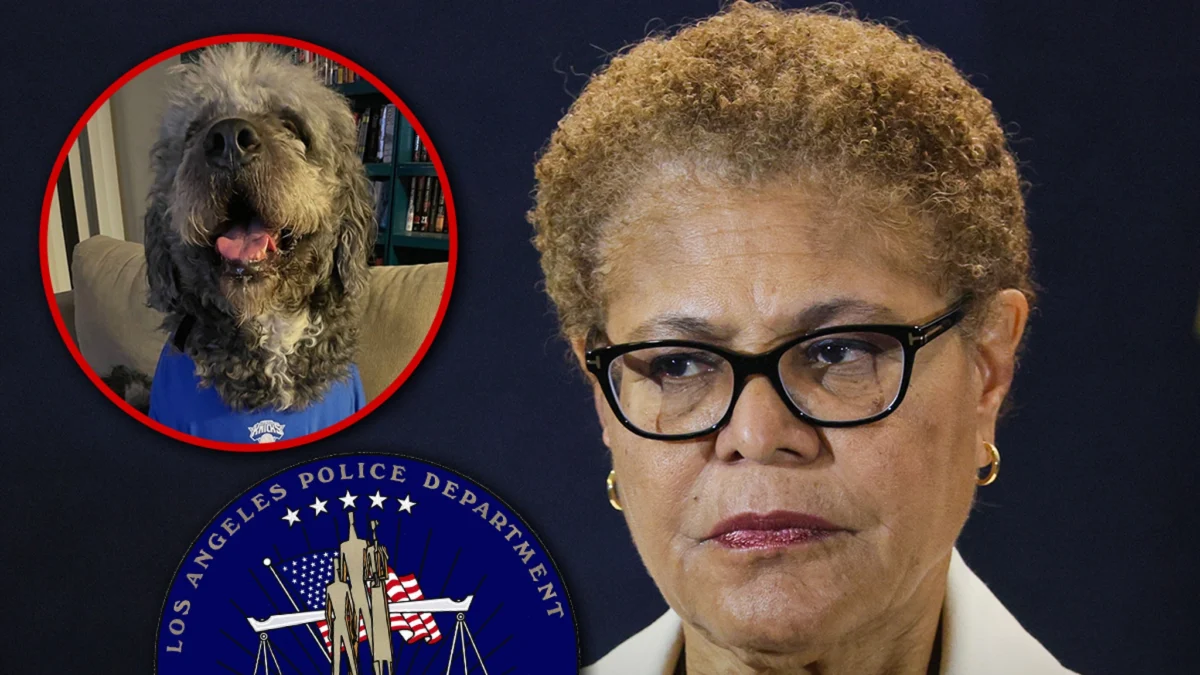
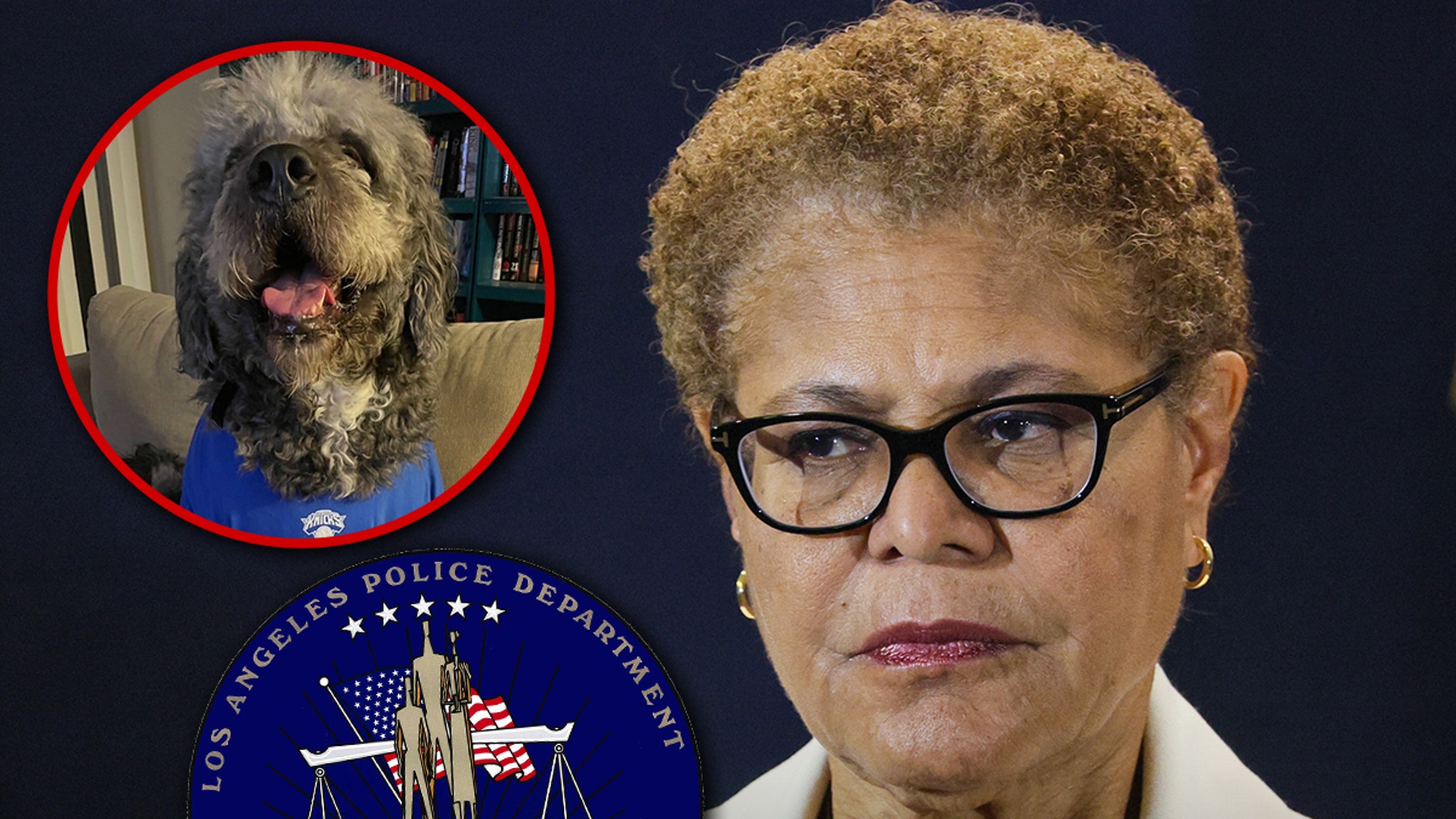
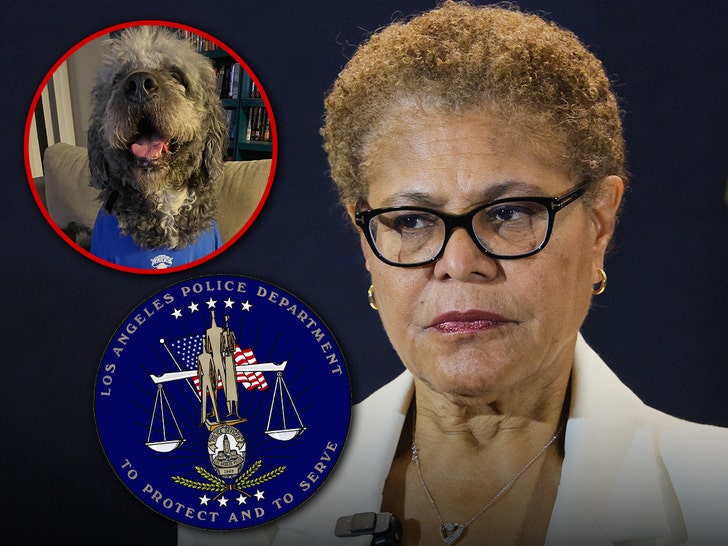
Los Angeles Mayor Karen Bass has initiated a formal investigation into the Los Angeles Police Department (LAPD) following the fatal shooting of a beloved family dog, Jameson, by officers last weekend. The incident, which occurred amidst celebrations for the New York Knicks’ NBA Finals victory, has sparked significant public outcry and prompted the Mayor to personally engage with LAPD Chief of Police Jim McDonnell to ensure a "transparent and thorough" inquiry. The tragic event has reignited discussions about police protocols concerning animal encounters and the broader scope of police accountability within the city.
The Tragic Incident Unfolds
The distressing incident took place on Saturday evening, June 14, 2026, at an apartment complex in Los Angeles. The context was initially one of jubilation, as residents, including Jameson’s owner, Marie Marseille, were celebrating the New York Knicks’ decisive 94-90 victory over the San Antonio Spurs, securing the NBA Finals trophy. The celebratory atmosphere, however, quickly dissolved into tragedy.
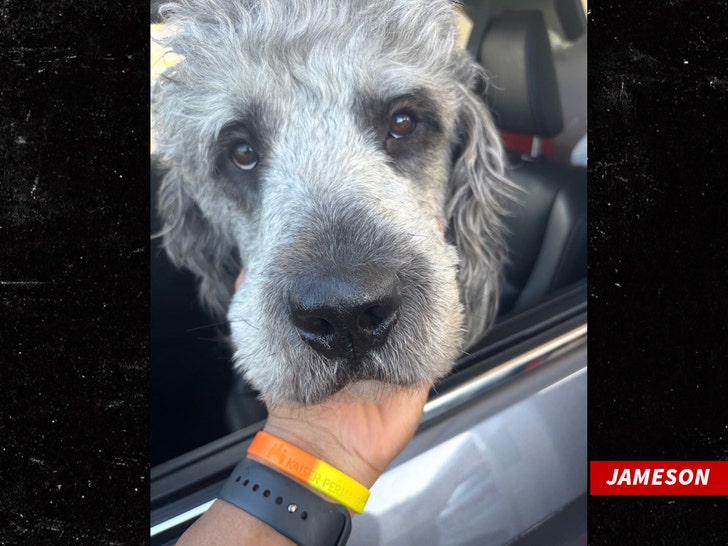
According to reports, LAPD officers were dispatched to the apartment complex in response to a distress call reporting a woman screaming. Upon their arrival, the situation escalated rapidly when they encountered Jameson, a mixed-breed dog described as a golden retriever, Saint Bernard, and poodle mix, and affectionately known by his family as "cute and fluffy." Officers reportedly instructed Ms. Marseille to secure Jameson. However, police accounts state that the dog subsequently "dashed at them," prompting officers to open fire. Jameson was killed at the scene.
Marie Marseille, an avid Knicks fan whose evening of celebration turned into profound grief, has publicly expressed her devastation. She reported to TMZ that, in the immediate aftermath of the shooting, the LAPD had not offered any apology for the killing of her cherished pet, deepening her distress and fueling public concern over the department’s handling of the situation. The incident quickly garnered media attention, particularly due to the emotional impact of losing a family pet under such circumstances, further intensified by the lack of an immediate official apology.
Mayoral Directives and Demand for Accountability
Mayor Karen Bass responded swiftly to the incident, acknowledging the profound impact of Jameson’s death on his family and the community. In a public statement issued via a press release, Mayor Bass declared, "Every life lost to violence is a tragedy, and we know that the devastating loss of Jameson will be felt by his family forever." This statement underscored her empathy for the family’s loss while also signaling a firm stance on the need for accountability.
Demonstrating her commitment to oversight, Mayor Bass confirmed that she had personally engaged with LAPD Chief of Police Jim McDonnell. Her directive was clear: she ordered a comprehensive probe into the actions of the officers involved in Jameson’s shooting. This direct communication with the Chief highlights the mayor’s executive authority and her commitment to ensuring that city departments, particularly law enforcement, operate with the highest standards of conduct and accountability. She emphasized her expectation that the investigation would be both "transparent and thorough," and she publicly committed to "keeping tabs" on its progress. This promise of continued oversight is crucial for rebuilding public trust, especially in matters involving the use of force by police officers.
The mayor’s quick and decisive action reflects a broader political climate where police accountability is a paramount concern for many constituents. Her intervention sends a strong message that incidents involving police use of force, even against animals, will not be overlooked and will be subjected to rigorous internal and potentially external review.
A Beloved Companion Lost: The Owner’s Perspective
The heart of this tragic narrative lies with Jameson and his owner, Marie Marseille. Jameson, described as a "cute, fluffy dog," was more than just a pet; he was a cherished member of the Marseille family. The specific breed mix—golden retriever, Saint Bernard, and poodle—suggests a dog likely known for its friendly disposition, further amplifying the public’s shock and sorrow over his sudden death. The bond between humans and their pets is profound, often likened to that with a family member, and the abrupt, violent loss of such a companion can be deeply traumatic.
For Marie Marseille, the evening that should have been marked by sports triumph and joy quickly turned into an unimaginable nightmare. Her grief is compounded by the circumstances of Jameson’s death—at the hands of law enforcement officers who were responding to a call for assistance. Her poignant statement to TMZ, revealing that the LAPD has yet to offer an apology, speaks volumes about the emotional aftermath and the perceived lack of empathy from the department. An apology, while not reversing the tragedy, can often provide a measure of closure and acknowledgment of suffering. Its absence, in this case, has only intensified the public’s call for greater accountability and sensitivity from the LAPD.
The incident underscores the emotional toll that police actions can have on individuals and families, extending beyond direct human encounters to cherished animal companions. The public’s reaction, often fueled by personal experiences with pets, indicates a strong demand for police protocols that prioritize the safety of animals and incorporate de-escalation techniques wherever possible.
Scrutiny of Police Protocols and Training
The shooting of Jameson inevitably brings LAPD protocols and officer training into sharp focus, particularly regarding interactions with animals. Police departments nationwide grapple with the complex challenges of responding to calls involving potentially aggressive or simply present animals. Standard police training often includes modules on animal control and how to assess threats posed by dogs. Officers are typically instructed to use de-escalation techniques, verbal commands, and, when feasible, non-lethal options such as batons, pepper spray, or tasers before resorting to firearms.
The official LAPD account states that Jameson "dashed at them," implying a perceived threat to officer safety. However, the exact circumstances leading to this perceived threat, the distance between the dog and the officers, the dog’s demeanor, and whether alternative measures were considered or attempted, will be critical points of investigation. Questions will likely arise regarding:
- Whether officers correctly assessed the level of threat posed by Jameson.
- If less-lethal force options were available and considered.
- The training officers receive for animal encounters in residential settings.
- The psychological impact of high-stress situations on officers’ decision-making processes.
This incident is not an isolated occurrence in the broader context of policing. While relatively rare, police shootings of animals, particularly dogs, happen with a degree of regularity across the country and consistently draw significant public attention and debate. These incidents often highlight the need for enhanced training that better equips officers to handle unpredictable animal encounters, focusing on tactics that minimize harm to both animals and humans. The goal is to ensure that officers have the tools and judgment to resolve such situations without resorting to lethal force unless absolutely necessary to prevent imminent serious harm.
Broader Implications and Public Discourse
The killing of Jameson extends beyond a single unfortunate event; it taps into broader societal concerns regarding police conduct, animal welfare, and community trust. The incident has resonated deeply with animal lovers and advocates, who often view pets as vulnerable members of society deserving of protection. Social media platforms have undoubtedly played a role in amplifying this incident, quickly spreading the story and galvanizing public opinion. Hashtags and online petitions calling for justice for Jameson and reforms within the LAPD are likely to emerge, placing further pressure on city officials and the police department.
This public discourse often centers on the balance between officer safety and the responsible use of force. While acknowledging the inherent dangers faced by law enforcement officers, the public increasingly demands transparency and accountability when force, particularly lethal force, is used. Incidents like Jameson’s shooting fuel the ongoing conversation about police reform, prompting questions about departmental policies, training effectiveness, and the culture within law enforcement agencies.
Furthermore, the timing of the incident—during a moment of public celebration—adds a layer of irony and sorrow, transforming what should have been a joyful memory for Marie Marseille into one of profound loss and controversy. The public’s emotional investment in such stories can significantly influence perceptions of police legitimacy and effectiveness, making a thorough and transparent investigation all the more critical for maintaining community relations.
The Path Forward: A Transparent Investigation
The investigation ordered by Mayor Bass will be a pivotal step in addressing the fallout from Jameson’s death. Typically, such investigations involve several stages and are conducted by the LAPD’s Internal Affairs Group, sometimes with oversight from independent civilian review boards or the Inspector General’s office. Key aspects of the investigation will include:
- Officer Interviews: Detailed accounts from the officers involved, as well as any other officers present at the scene.
- Witness Statements: Gathering testimonies from Marie Marseille, other residents, and any other eyewitnesses.
- Forensic Evidence: Analysis of the scene, including bullet trajectory, and any physical evidence.
- Body-Worn Camera Footage: If officers were equipped with body cameras, this footage would be crucial in providing an objective perspective on the events as they unfolded. This would be a critical piece of evidence to verify the sequence of events, including the dog’s actions and the officers’ responses.
- Departmental Policy Review: An assessment of whether the officers’ actions were consistent with current LAPD policies on the use of force against animals.
- Training Records: Examination of the involved officers’ training history regarding animal encounters and de-escalation techniques.
The investigation will aim to determine if the use of lethal force was justified under the circumstances and if departmental policies were followed. Potential outcomes could range from the officers being exonerated, to disciplinary actions such as retraining, suspension, or even termination, depending on the findings. Furthermore, the investigation could lead to a review and potential revision of LAPD policies and training protocols related to animal encounters, aiming to prevent similar tragedies in the future.
Mayor Bass’s insistence on transparency means that the public will likely receive updates on the investigation’s progress and findings, which is crucial for fostering trust. The speed and thoroughness of this process will be closely watched by the community and animal welfare advocates.
Precedent and Public Concern
Incidents of police officers shooting animals, particularly dogs, are not new, and they consistently spark public outrage and calls for reform. While officers often claim self-defense or protection of others from perceived threats, the public often questions whether less-lethal alternatives were adequately considered or if training needs to be improved. Advocacy groups frequently highlight the emotional bond between people and their pets, arguing that police should exercise extreme caution and employ specialized tactics when dealing with animals in non-aggressive situations. The discussion surrounding these incidents often contributes to the broader dialogue about the militarization of police forces and the need for more community-oriented policing strategies. Each such event serves as a stark reminder of the challenges inherent in policing and the ongoing efforts to balance public safety with compassionate and proportional responses.
Looking Ahead
As the investigation into Jameson’s death commences, the focus remains on securing justice for Marie Marseille and her family, while also ensuring accountability within the LAPD. Mayor Karen Bass’s proactive stance signals a serious commitment to addressing this incident thoroughly. The outcome of this probe will not only determine the consequences for the officers involved but may also influence future LAPD policies regarding animal encounters. The community, still grappling with the tragic loss, awaits the results, hoping for transparency, accountability, and meaningful changes that will prevent similar heartbreaking incidents in the future. The memory of Jameson will undoubtedly serve as a potent symbol in the ongoing quest for police reform and enhanced animal welfare protections within Los Angeles.