
The cinematic world is abuzz with the release of the first official trailer for Humpty Dumpty X, a highly anticipated documentary offering an unprecedented, autobiographical deep dive into the turbulent production of Tony Kaye’s iconic 1998 film, American History X. Set to premiere at the esteemed 2026 Tribeca Film Festival in June, this film has been two decades in the making, promising a raw and unfiltered look at one of Hollywood’s most legendary behind-the-scenes sagas, told through the lens of the director himself.
The Enduring Legacy of American History X
Before delving into the documentary, it is crucial to revisit the historical and cultural significance of American History X. Released in 1998, the film quickly established itself as a powerful and unflinching portrayal of racial hatred and redemption in America. Starring Edward Norton in an Academy Award-nominated performance as Derek Vinyard, a former neo-Nazi skinhead attempting to prevent his younger brother from following in his footsteps, the film garnered critical acclaim for its bold narrative, intense performances, and stark black-and-white cinematography contrasting with color sequences. It was widely praised for its courage in tackling complex social issues, sparking conversations about racism, hate groups, and the possibility of change. Despite its commercial success and critical reception, its production was famously fraught with conflict, becoming a cautionary tale within industry circles about artistic control and studio interference. The film’s enduring relevance in discussions about social justice and identity continues to cement its place as a significant work in contemporary cinema.
Tony Kaye: A Maverick’s Vision and Battle

Tony Kaye, a British filmmaker known for his distinctive visual style honed through a prolific career in music videos and commercials, made his feature directorial debut with American History X. From the outset, Kaye was positioned as a fiercely original voice, an auteur with a singular vision. However, this artistic uncompromising nature inevitably clashed with the hierarchical structure of Hollywood studio filmmaking. The central conflict revolved around the final cut of American History X. Kaye delivered his initial cut, which reportedly ran longer than the studio’s preferred runtime and contained stylistic choices that diverged from their expectations. New Line Cinema, the distributor, exercised its contractual right to a different cut, enlisting Edward Norton, the film’s star, to collaborate on a new version with the studio’s editor.
This intervention ignited a protracted and very public battle. Kaye vehemently opposed the studio’s cut, viewing it as a betrayal of his artistic intent. In a move that became instant Hollywood folklore, he famously attempted to have his name removed from the film and replaced with the pseudonym "Humpty Dumpty," symbolizing his shattered vision and the perceived impossibility of putting it back together as he originally conceived it. This highly unusual request underscored the depth of his frustration and his unwavering commitment to his artistic integrity, even at the cost of his directorial credit on a major motion picture. While the Directors Guild of America ultimately upheld his credit, the "Humpty Dumpty" anecdote became synonymous with Kaye’s struggle, solidifying his reputation as a director willing to fight tooth and nail for his art.
The Genesis of Humpty Dumpty X: A 23-Year Odyssey
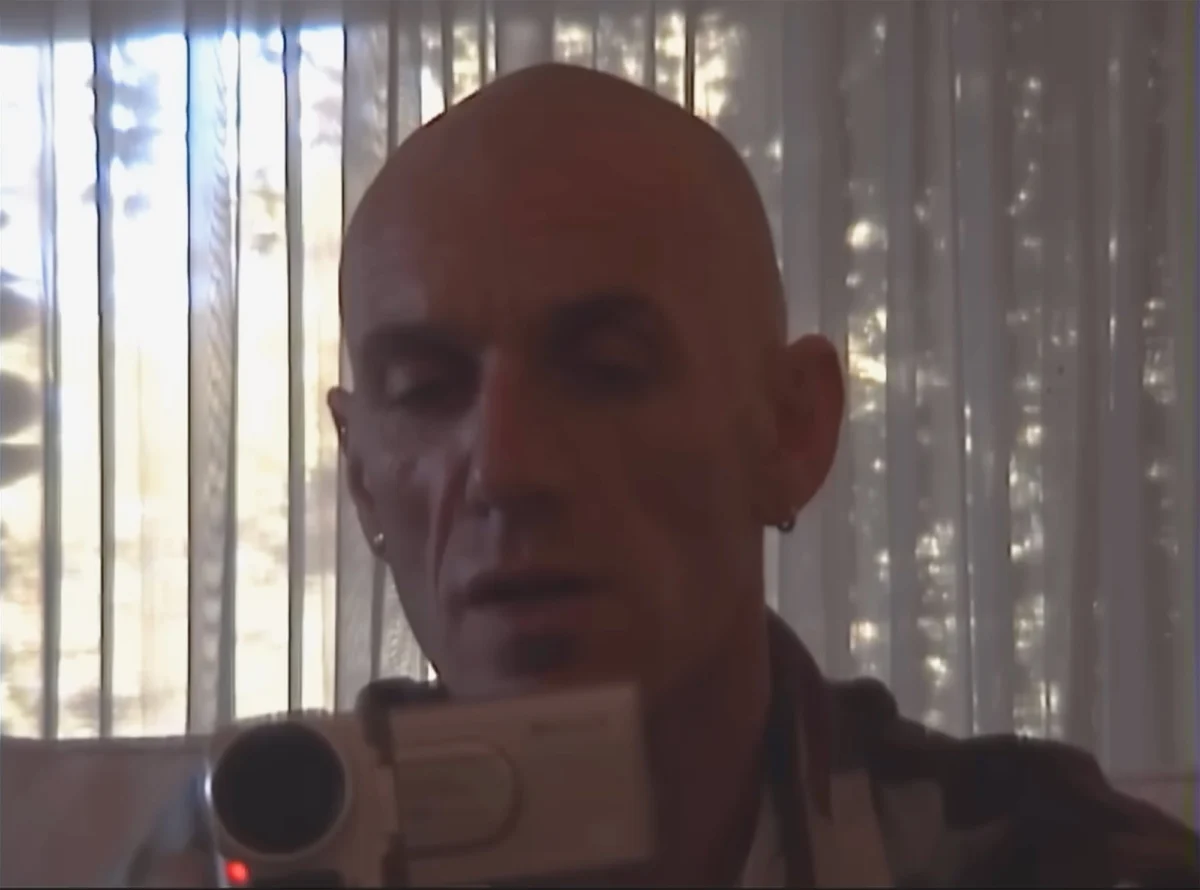
What few outside Kaye’s inner circle knew was that throughout this tumultuous period, the director kept a camera rolling. This unprecedented decision to document his own ordeal, capturing everything from tense phone calls with studio executives to raw, emotional confessions and creative rants, forms the bedrock of Humpty Dumpty X. For 23 years, this footage remained largely unseen, a testament to the long gestation period of what promises to be an intensely personal and revealing documentary. The Tribeca Film Festival’s official description highlights the film as "a fascinating self-portrait of one of cinema’s true originals, a filmmaker who has always insisted on doing things his own way and has the scars to prove it." This journey from raw footage to a polished documentary is a story in itself, involving the meticulous cataloging of not just video, but also notebooks, paintings, and photographs that filled Kaye’s life during that singular, defining period. The film is not merely a recounting of events but an introspective meditation on art, compromise, and the psychological toll of creative life within the studio system.
A Glimpse Into the Unmediated Truth: What the Trailer Reveals

The recently released trailer for Humpty Dumpty X offers a tantalizing preview of the documentary’s intimate and often confrontational content. Viewers are given glimpses into the private world of a director under immense pressure, navigating the labyrinthine politics of Hollywood. The trailer features snippets of phone calls, presumably with studio executives and legal teams, conveying the high stakes and heated nature of the discussions. Kaye’s voice, laced with frustration and passion, delivers lines like "Was I mad?", hinting at the emotional and mental toll the conflict took on him. The visual style, reflecting Kaye’s own artistic sensibilities, appears to blend archival footage with more recent reflections, creating a multi-layered narrative. The promise of "unmediated access to a major director in the middle of making a major film" suggests a level of transparency rarely seen in behind-the-scenes documentaries, which often rely on retrospective interviews or sanitized studio-approved materials. For anyone interested in the often-harsh realities of creative endeavors within a commercial framework, this documentary appears to be essential viewing, peeling back the layers of myth to reveal the raw human experience beneath.
Chronology of a Conflict and its Documentation
The timeline surrounding American History X and the eventual emergence of Humpty Dumpty X spans decades, marking a significant period in both Kaye’s career and the annals of Hollywood.
- Mid-1990s: Tony Kaye, already a renowned director of music videos (including hits for Soul Asylum and Red Hot Chili Peppers) and commercials, is brought on board to direct American History X.
- 1997: Principal photography for American History X commences. Initial reports suggest a challenging set, characteristic of intense artistic collaboration.
- 1998 (Early): Kaye submits his director’s cut of American History X to New Line Cinema. The studio, dissatisfied with the length and tone, commissions a new cut, leading to the infamous conflict.
- 1998 (Mid): The public battle between Kaye and New Line Cinema escalates. Kaye attempts to replace his name with "Humpty Dumpty" in the credits, a request denied by the DGA.
- 1998 (October): American History X is released to critical acclaim and strong box office performance, despite the behind-the-scenes drama. Edward Norton receives an Oscar nomination for Best Actor.
- 1998-2021: Tony Kaye continues to work on and refine his extensive personal footage documenting the American History X production. This period represents the "23 years in the making" of Humpty Dumpty X, during which Kaye also directed other films such as Lake of Fire (2006) and Detachment (2011), always maintaining his distinct, often provocative, artistic voice.
- 2026 (June): Humpty Dumpty X is slated for its world premiere at the 2026 Tribeca Film Festival in New York City, marking the culmination of Kaye’s decades-long endeavor to tell his side of the story.
Industry Reactions and Broader Implications
While specific official statements from parties directly involved in the American History X conflict are yet to emerge in response to the Humpty Dumpty X trailer, the industry’s anticipation is palpable. Film critics and historians have long chronicled the director-studio conflicts, seeing them as inherent tensions within a commercial art form. This documentary is expected to provide an unparalleled primary source document.

Inferred Statements and Perspectives:
- Tony Kaye’s Motivation: While Kaye has not explicitly detailed his motivations for releasing the film now, after 23 years, it can be inferred from the Tribeca description and his known persona that the film represents a crucial act of artistic assertion and self-reflection. It is a testament to his belief in uncompromised vision and a deeply personal examination of his own journey and the "scars" acquired along the way.
- Tribeca Film Festival Programmers: Their selection of Humpty Dumpty X for a premiere slot underscores its perceived significance. Their description ("unmediated access," "essential viewing") suggests they view it as a unique historical document and a compelling narrative about creative struggle, likely anticipating robust discussion and interest from both industry insiders and the general public.
- Industry Analysts and Film Historians: Many will likely view this film as a crucial addition to the canon of "troubled productions" documentaries, offering a rare, director-centric perspective. It will undoubtedly be compared to films like Hearts of Darkness: A Filmmaker’s Apocalypse, which chronicled Francis Ford Coppola’s struggles during Apocalypse Now, and the more recent "Megadoc" about the making of Coppola’s Megalopolis. These documentaries collectively form a vital subgenre, illuminating the often-painful birth of cinematic masterpieces. The financial success of American History X (grossing over $27 million worldwide on a $20 million budget) further complicates the narrative, proving that even a commercially viable film can be born from profound artistic discord.
- Filmmakers and Aspiring Directors: The documentary will serve as a potent case study. It highlights the perennial challenge of maintaining artistic integrity within the studio system, offering valuable, albeit often difficult, lessons about contract negotiations, the importance of final cut clauses, and the emotional resilience required to navigate such battles.
Analysis of Broader Impact
The release of Humpty Dumpty X carries several significant implications for the film industry and its audience:
- Recontextualizing American History X: The documentary is poised to offer a fresh perspective on the 1998 film, allowing audiences to revisit it with a deeper understanding of the creative forces and conflicts that shaped its final form. This recontextualization could lead to renewed critical discourse on the film’s artistic choices and its legacy.
- Shining a Light on Artistic Control: Kaye’s decades-long commitment to this project underscores the enduring importance of artistic control for directors. In an era where intellectual property and creative ownership are increasingly scrutinized, Humpty Dumpty X serves as a powerful reminder of the human cost when those rights are challenged. It will fuel ongoing debates about the power dynamics between artists and corporate entities in Hollywood.
- A Unique Autobiographical Document: The film stands out for its self-documented nature. Rather than relying on retrospective interviews or third-party accounts, it presents a contemporaneous, first-person narrative of a major artistic struggle. This raw, unfiltered approach offers an unprecedented level of intimacy and authenticity, setting a new benchmark for behind-the-scenes filmmaking.
- The Legacy of Tony Kaye: For Kaye himself, Humpty Dumpty X may represent a form of closure or a definitive statement on his experiences. It solidifies his reputation not just as a talented visual artist but as an uncompromising auteur whose commitment to his vision is paramount. It also re-emphasizes his unique approach to filmmaking, which extends beyond the final product to the very process of creation and conflict.
- Educational Value: For film students and academics, the documentary will be an invaluable resource. It provides a real-world example of the complexities of film production, the role of various stakeholders, and the profound impact that creative disagreements can have on a project.
As Humpty Dumpty X prepares for its world premiere at the 2026 Tribeca Film Festival, anticipation mounts for what promises to be a landmark documentary. It is more than just a film about the making of another film; it is an intimate confession, a historical document, and a profound meditation on the enduring struggle between artistic vision and commercial realities in the heart of Hollywood. With no broader release dates set beyond its festival debut, the cinematic world eagerly awaits the opportunity to witness Tony Kaye’s long-awaited, deeply personal chronicle of a broken vision finally put back together, piece by painstaking piece.