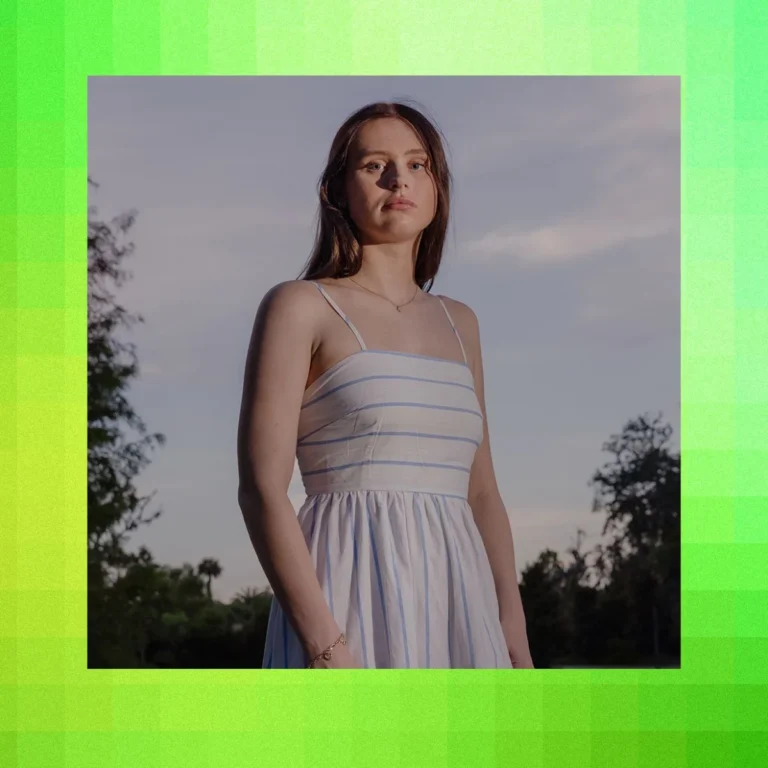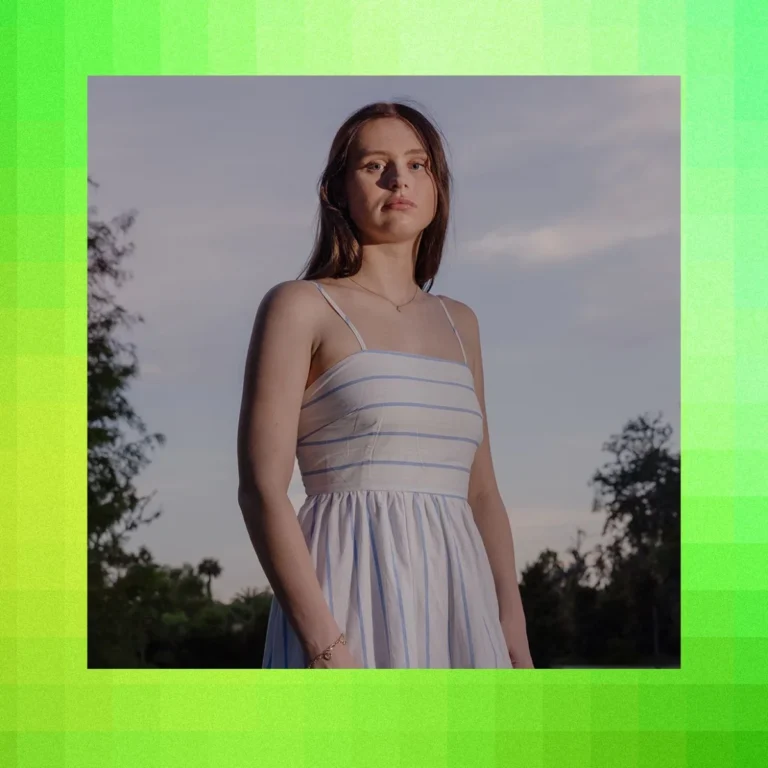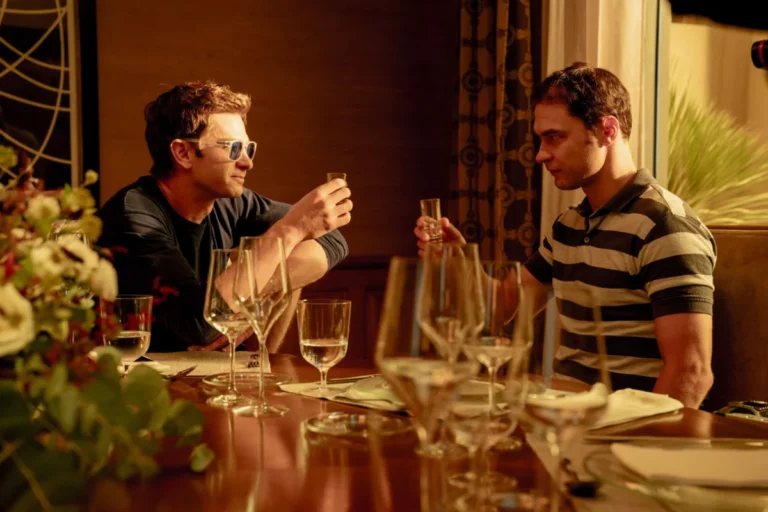
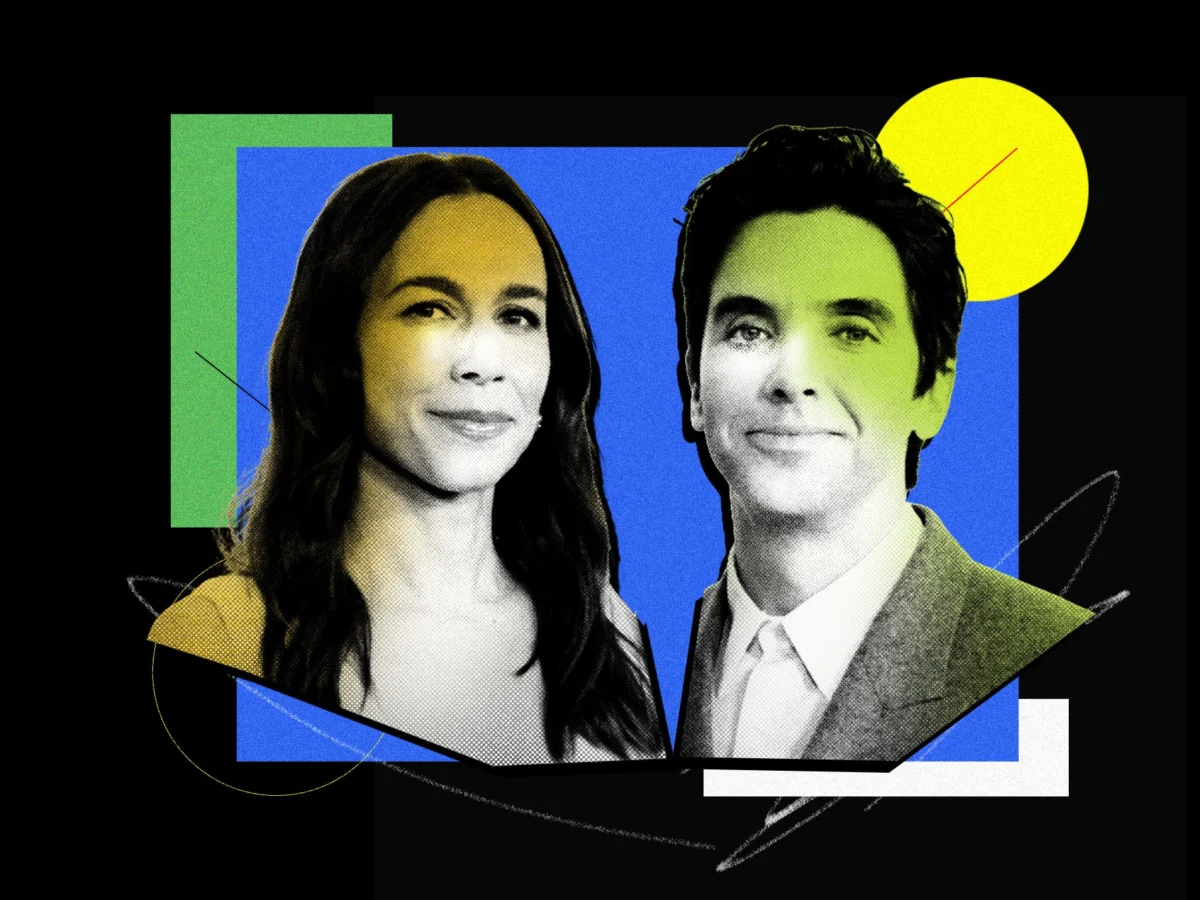
As the critically acclaimed HBO Max series Hacks approaches its conclusion, the show’s architects are speaking out against the technological and corporate shifts currently reshaping Hollywood. In a series of recent discussions and interviews, co-creators Lucia Aniello and Paul W. Downs have articulated a firm stance on the preservation of human-led artistry, particularly in the face of generative artificial intelligence and the rapid consolidation of media conglomerates. Their perspectives come at a pivotal moment for the industry, following a year of historic labor strikes and amid a shifting landscape where digital engagement often outweighs traditional broadcast reach.
The show, which stars Jean Smart as legendary comedian Deborah Vance and Hannah Einbinder as millennial writer Ava Daniels, has frequently functioned as a meta-commentary on the entertainment business. However, the real-world convictions of its creators often mirror or exceed the cynicism depicted on screen. Earlier this year, Einbinder set a provocative tone for the series’ final press cycle by characterizing AI creators as "not artists" and "not special," a sentiment that Aniello and Downs have since reinforced with professional and philosophical vigor.
The Ethical Battleground of Generative AI in Creative Writing
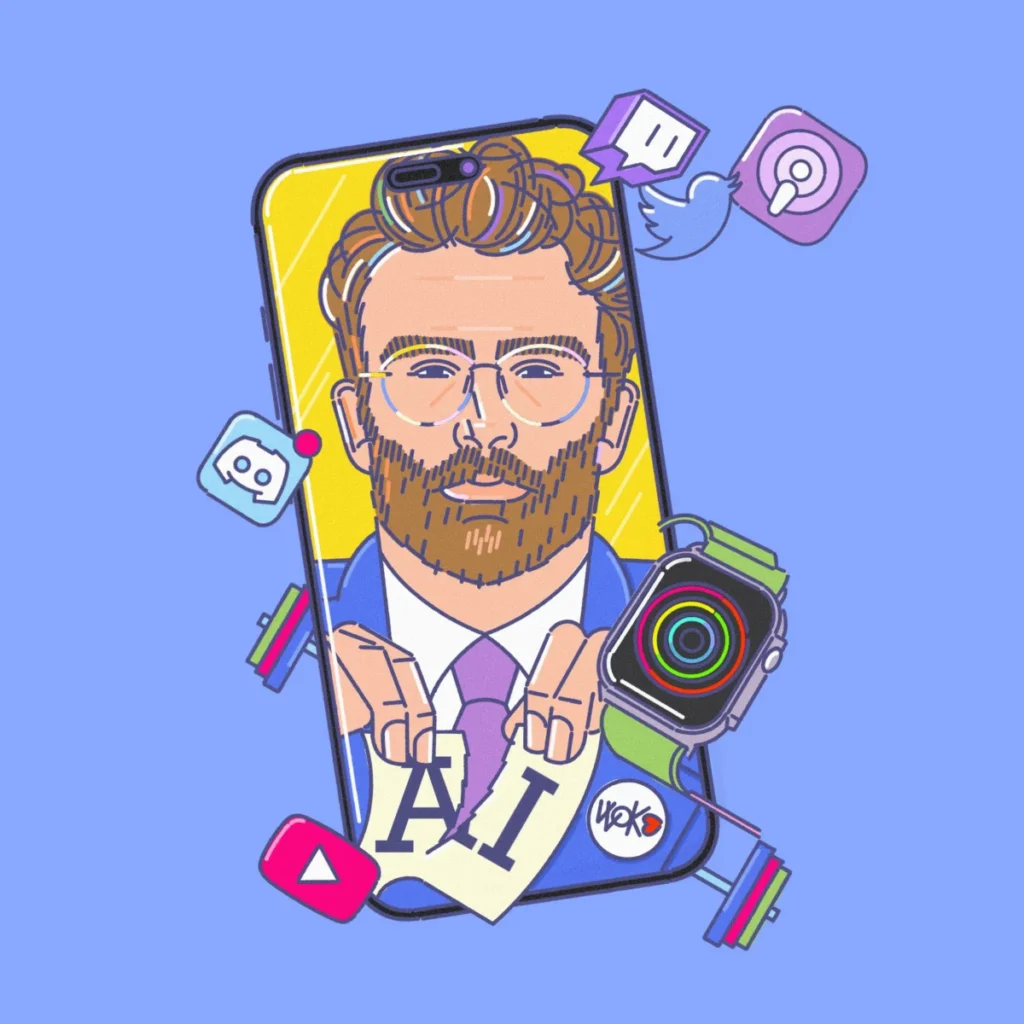
The rise of Large Language Models (LLMs) like ChatGPT and Claude has sparked an existential debate within writers’ rooms across Los Angeles and New York. For Aniello and Downs, the issue is not merely one of labor protection, but of the fundamental nature of creativity. Aniello has described the push toward AI as an "insulting" attempt to minimize human talent. This perspective aligns with the core themes of Hacks, which celebrates the "grist" and friction inherent in the creative process—the "bombing" on stage and the iterative failure required to find a unique comedic voice.
The creators argue that AI is essentially a derivative technology, incapable of generating truly novel insights. Aniello likened the output of AI to "reheating everybody else’s nachos," noting that because LLMs function by scraping existing data, they are incapable of moving a culture forward. This critique mirrors the "stochastic parrot" theory often cited by AI skeptics, which suggests that these models merely predict the next likely word in a sequence based on probability rather than understanding or intent.
Supporting data from the 2023 Writers Guild of America (WGA) strike highlights the severity of these concerns. One of the primary sticking points in the 148-day strike was the regulation of AI in the writing process. The resulting contract established that AI cannot write or rewrite literary material and that AI-generated material cannot be considered "source material," ensuring that writers maintain their credits and residuals. Aniello and Downs’ refusal to work with AI in any capacity reflects a broader movement among top-tier showrunners to establish a "human-only" standard for premium content.
A Chronology of Hacks and the Industry it Mirrors
To understand the weight of the creators’ current concerns, it is necessary to trace the trajectory of Hacks since its debut:
- May 2021: Hacks premieres on HBO Max, instantly becoming a critical darling for its portrayal of the generational divide in comedy.
- September 2021: The show wins three Primetime Emmy Awards, including Outstanding Writing and Outstanding Directing for a Comedy Series, establishing Aniello and Downs as major industry voices.
- 2022-2023: The series navigates the WarnerMedia and Discovery merger, a period of significant corporate upheaval that saw the cancellation of several high-profile projects for tax write-offs, such as Batgirl.
- May-September 2023: Production on Hacks Season 3 is paused as the creators and cast join the WGA and SAG-AFTRA picket lines, advocating for protections against AI and fairer streaming residuals.
- 2024: The series returns for its fourth and fifth seasons, incorporating plotlines that address media censorship, corporate "streaming purges," and the impact of tech-driven disruption.
This timeline illustrates how the show has evolved alongside the very crises it satirizes. The creators’ backgrounds in the Upright Citizens Brigade and their work on Broad City provided them with a foundation in "alternative" comedy, but Hacks has forced them to confront the "capitalist pig" nature of the industry, as Downs describes it.
The Impact of Media Consolidation and "Content Deletion"
A recurring theme in the later seasons of Hacks is the vulnerability of art in a consolidated corporate environment. The show explores a scenario where a network executive can effectively "delete" a creator’s life work due to personal vendettas or bottom-line calculations. This is not merely a fictional device; it reflects the "purging" of streaming libraries that occurred across platforms like Disney+ and Max in 2023 to reduce licensing costs and royalty payments.
Aniello and Downs have expressed concern over the "new dads" at the top of these conglomerates. Following the Warner Bros. Discovery merger, the industry has seen a move toward "growth at all costs," which often results in the exploitation of creative talent. The creators noted that in an era where physical media is disappearing, the ability of a single executive to render a show inaccessible is a "terrifying" prospect for cultural preservation.
The ongoing consolidation—evidenced by the Skydance Media acquisition of Paramount Global and rumors of further mergers involving Warner Bros. Discovery—suggests a future with fewer buyers and less competition. For creators, this means reduced leverage and a greater likelihood of their work being treated as a fungible asset rather than a cultural contribution.
Legal Realities and the End of Non-Competes
The narrative arc of Hacks Season 4 and 5 hinges on a legal technicality regarding non-compete clauses. When the character Deborah Vance attempts to leave her network, she is met with an exclusivity clause that prevents her from performing for 18 months. Downs revealed that the writing team, which included a lawyer-turned-writer, Guy Branum, meticulously researched Florida labor laws to ensure this plot point was grounded in reality.
In the real world, the legal landscape regarding such clauses is shifting. In April 2024, the U.S. Federal Trade Commission (FTC) issued a final rule banning most non-compete clauses nationwide, arguing that they suppress wages and stifle innovation. While this rule faces ongoing legal challenges from business groups, it mirrors the "sanctity of work" themes explored in Hacks. The creators’ focus on this issue highlights a broader industry-wide push for labor mobility and the right for artists to own their voices, even when they are under contract with major corporations.
The Shift from Traditional to Digital Promotion
The promotion of Hacks has also served as a case study for the changing media landscape. Downs observed that while an appearance on The Tonight Show was once the pinnacle of television promotion, digital-first formats like Subway Takes or viral TikTok clips now generate comparable, if not superior, engagement.
Data indicates a steady decline in traditional late-night viewership. For example, The Tonight Show Starring Jimmy Fallon saw its average viewership drop from over 3 million in 2016 to approximately 1.3 million in 2023. In contrast, social media "fan cams" and aggregated interview clips reach millions of younger viewers who do not subscribe to cable. Aniello and Downs acknowledged that while they value traditional journalism and print media, the "parasocial" ease of social media has become essential for a show’s survival. They credit the "rabid" engagement of the Hacks fandom—including those who create fan fiction and video edits—with providing the metrics necessary to secure five seasons in an increasingly volatile market.
Broader Implications: The Preservation of the "Grist"
The core of the creators’ message is a defense of the "friction" in life. In their hypothetical "Control, Alt, Delete" for the world, Aniello and Downs emphasized a desire for more truth and less "slop." Aniello proposed a radical restructuring of the internet to prioritize accuracy and suggested government-funded medical education to remove financial roadblocks for talent—a reflection of the show’s focus on mentorship and the removal of barriers for the marginalized.
Downs, conversely, suggested that deleting social media might lead to a renaissance of traditional journalism and a deeper appreciation for the arts. By removing the "explore page" algorithm, he argues, audiences would be forced to seek out curated, high-quality coverage from established mastheads, thereby restoring a sense of intentionality to cultural consumption.
As Hacks concludes, the legacy of Lucia Aniello and Paul W. Downs will likely be defined by their refusal to automate the human experience. Their stance serves as a reminder that while technology can optimize production and consolidation can streamline profits, the "love language" of creative collaboration—the messy, inefficient, and deeply felt process of two humans making each other laugh—remains the only thing that cannot be replicated by a machine or a spreadsheet. The future of Hollywood may be digital and consolidated, but according to the creators of Hacks, it must remain human to matter.