


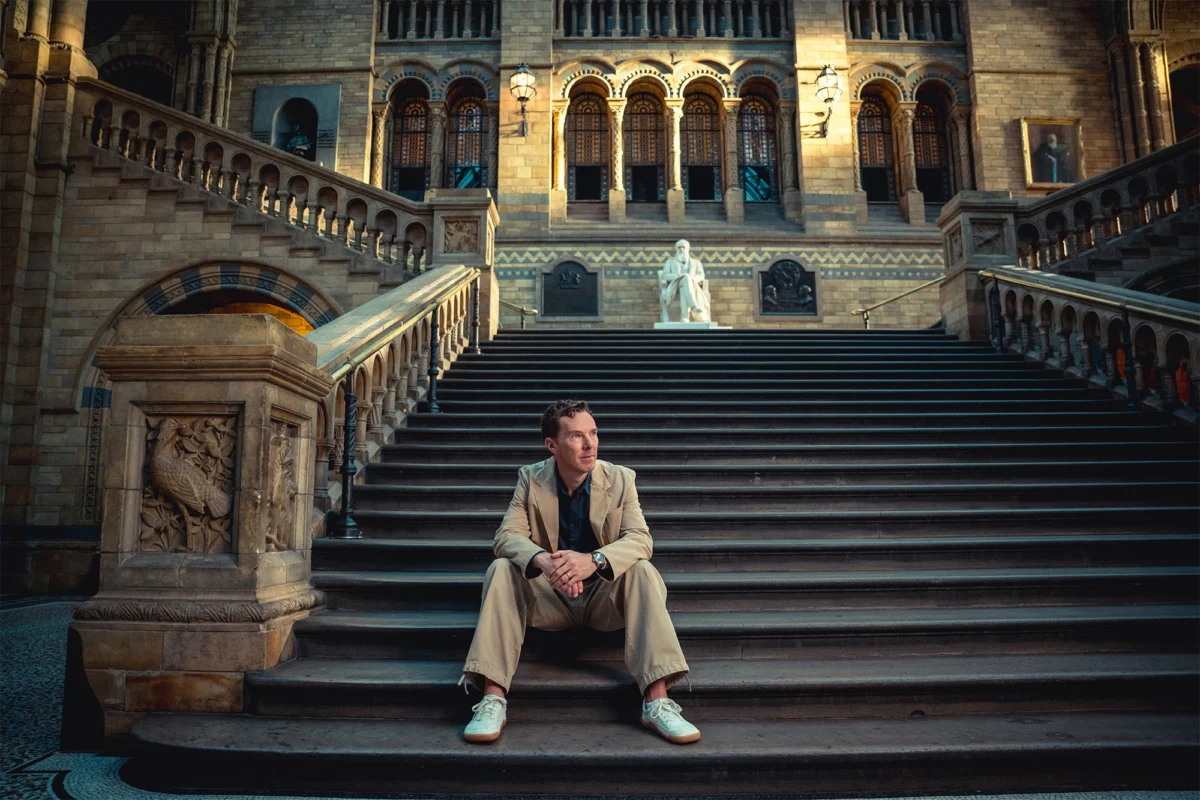
The eagerly anticipated documentary, How to Live on Earth, presented and featuring acclaimed actor Benedict Cumberbatch, is set to offer a profoundly optimistic counter-narrative to the prevailing gloom surrounding global environmental challenges. Revealed by Open Planet, the film’s official trailer has sparked considerable interest, highlighting its ambitious vision to explore humanity’s vital connection to nature and its pivotal role in shaping our collective future. Unlike many contemporary climate-focused documentaries that often dwell on stark warnings and dire predictions, How to Live on Earth promises a heart-warming, entertaining, and energising experience, painting a hopeful picture of a future where nature flourishes, and humanity thrives alongside it.
A New Dawn in Environmental Storytelling: Embracing Optimism
Scheduled for a UK theatrical release in the summer of 2026, before becoming globally accessible on YouTube later in the year, How to Live on Earth arrives at a critical juncture for environmental communication. For decades, the dominant narrative in environmental documentaries has been one of urgency, crisis, and impending catastrophe. While effective in raising awareness, this approach has, at times, led to viewer fatigue, a sense of helplessness, or even apathy, a phenomenon often termed "eco-anxiety." A 2021 study published in The Lancet Planetary Health revealed that a significant percentage of young people globally experience distress, anger, and feelings of betrayal regarding climate change, underscoring the need for more constructive and empowering narratives.
How to Live on Earth aims to pivot from this established paradigm, advocating for a solutions-oriented perspective. The film’s tagline, "What if the answer to our biggest challenges has been here all along? Welcome to the world’s greatest how-to video!", encapsulates its fundamental premise: that the solutions to humanity’s most pressing environmental dilemmas are inherent in nature itself, and in our ability to learn from and collaborate with it. This shift towards "eco-optimism" or "solution-journalism" in environmental storytelling is gaining traction, with a growing consensus among communication experts that highlighting successful interventions and positive pathways can be more effective in motivating action than solely focusing on negative impacts. The film seeks to inspire active participation rather than passive despair.
The Visionary Behind the Lens and Expert Voices
At the helm of this ambitious project is Fredi Devas, a distinguished nature documentary filmmaker renowned for his evocative and visually stunning work. Devas’s impressive resume includes directorial contributions to monumental series such as the BBC’s "Planet Earth II" and "Seven Worlds One Planet," both celebrated for their groundbreaking cinematography and ability to bring the natural world into millions of homes. His previous directorial effort, Antarctica, further cemented his reputation for crafting immersive and impactful environmental narratives. His extensive experience in capturing the intricate beauty and delicate balance of ecosystems positions him uniquely to direct a film that seeks to reframe humanity’s relationship with nature.

Devas, alongside producer Jonnie Hughes, has curated a compelling lineup of contributors who bring diverse perspectives and expertise to the film. These include:
- Xiye Bastida: A prominent climate justice activist, Bastida is known for her powerful advocacy for Indigenous rights and her role in global youth climate movements. Her inclusion underscores the film’s commitment to highlighting voices from communities often at the forefront of climate impacts and solutions. Her perspective is likely to bridge the gap between scientific understanding and lived experiences, advocating for equitable and inclusive approaches to environmental conservation.
- Dan O’Neill: A field biologist, wildlife filmmaker, and explorer, O’Neill brings a deep scientific understanding of biodiversity and ecological systems. His contributions are expected to illuminate the complex web of life on Earth and the critical functions that natural ecosystems perform, from regulating climate to providing essential resources. His firsthand experiences in the wild are poised to offer compelling anecdotes and insights into the majesty and vulnerability of the planet’s diverse species.
- Sam Kass: A former White House chef and senior policy advisor on nutrition, Kass offers a unique perspective on the intersection of food systems, public health, and environmental sustainability. His experience at the highest levels of government policy-making, combined with his culinary background, positions him to articulate how dietary choices and agricultural practices impact the environment and human well-being. His segment will likely explore sustainable food production, reduced waste, and the benefits of reconnecting with the origins of our food.
These diverse voices are instrumental in weaving together a comprehensive narrative that not only underscores the "extraordinary value of nature" but also starkly portrays "the jeopardy of a world without it," all while maintaining the film’s overarching message of hope and actionable solutions. The interplay of scientific rigor, activist passion, and practical policy insight is intended to resonate with a broad audience, from environmental enthusiasts to policy-makers and the general public.
Benedict Cumberbatch: A Respected Voice for Global Impact
The involvement of Benedict Cumberbatch as the film’s presenter lends significant weight and international appeal to How to Live on Earth. Cumberbatch is not only a globally recognized and highly respected actor, celebrated for his roles in acclaimed films and television series, but also a vocal advocate for environmental causes. His previous engagements in climate activism and support for conservation efforts make him an authentic and credible voice for this documentary.
The strategic choice of a celebrity narrator like Cumberbatch is a well-established tactic in documentary filmmaking to enhance reach and engagement. A 2019 study published in Public Understanding of Science highlighted that celebrity endorsement can significantly increase public attention to scientific and environmental issues, particularly among demographics who might not otherwise seek out such content. Cumberbatch’s distinctive voice, intellectual gravitas, and empathetic delivery are expected to draw in viewers, making the complex scientific and social issues explored in the film more accessible and emotionally resonant. His presence elevates the film from a niche environmental piece to a mainstream cultural event, potentially reaching millions more than it might otherwise. He is positioned not just as a narrator, but as a guide, inviting audiences to embark on this journey of discovery and empowerment.
Strategic Release and Accessibility: Maximizing Global Reach
Open Planet’s release strategy for How to Live on Earth is particularly noteworthy. The initial theatrical release in the UK, commencing on June 26th, 2026, allows the film to build critical momentum, garner reviews, and engage audiences in a traditional cinematic setting. This provides an opportunity for a shared communal experience, potentially fostering dialogue and collective reflection on the film’s themes. The decision to hold a theatrical release, despite the film not having premiered at any major festivals yet (a somewhat unusual path for a documentary of this scale), suggests confidence in its ability to stand on its own merits and attract audiences through its compelling subject matter and high production quality.

The subsequent global availability on YouTube later in 2026 is a strategic move designed to maximize accessibility and impact. YouTube’s vast global reach, with over 2.5 billion monthly active users, ensures that the film can bypass traditional distribution barriers and be viewed by audiences in virtually every corner of the world, free of charge. This aligns perfectly with the film’s aspirational goal of encouraging global action and fostering a deeper connection with nature across diverse cultures and socio-economic backgrounds. This dual release strategy — theatrical prestige followed by widespread digital accessibility — reflects a modern approach to documentary distribution, balancing traditional marketing with the power of digital platforms to democratize content. The film’s official site, howtoliveonearth.net, will serve as a central hub for further information, resources, and engagement opportunities, extending the film’s impact beyond the screen.
The Broader Context: Addressing the Anthropocene’s Challenges
How to Live on Earth emerges against a backdrop of intensifying environmental challenges. The Intergovernmental Panel on Climate Change (IPCC) reports consistently highlight the urgency of addressing global warming, biodiversity loss, and ecosystem degradation. Data from the World Wildlife Fund (WWF) indicates a staggering decline in wildlife populations, with an average 69% drop in species populations since 1970. Deforestation, plastic pollution, ocean acidification, and freshwater scarcity are further exacerbating these issues, pushing planetary boundaries to their limits.
However, amidst these grim statistics, there is also a growing global movement towards conservation, restoration, and sustainable practices. The United Nations Decade on Ecosystem Restoration (2021-2030) exemplifies a worldwide commitment to preventing, halting, and reversing the degradation of ecosystems. Innovations in renewable energy, sustainable agriculture, and circular economy models are demonstrating that viable alternatives exist. How to Live on Earth seeks to amplify these positive developments, showcasing real-world examples of individuals, communities, and scientific initiatives that are successfully partnering with nature to address complex problems. By presenting these "cutting-edge stories," the film aims to shift the narrative from one of inevitable decline to one of potential regeneration and collaborative solutions.
Empowering Action: The "How-To Guide" Philosophy
The film’s self-description as the "ultimate ‘how-to guide’" is central to its empowering message. It moves beyond simply documenting problems or showcasing natural beauty; it aims to equip viewers with knowledge and inspiration to become agents of change. The stories shared by contributors like Xiye Bastida, Dan O’Neill, and Sam Kass are not merely illustrative; they are presented as blueprints for action, demonstrating tangible ways in which humans can "team up with nature to solve our biggest challenges."
This focus on actionable insights is crucial. Research in environmental psychology suggests that providing concrete steps and showing successful examples can significantly increase an individual’s sense of self-efficacy and willingness to engage in pro-environmental behaviors. By presenting a "hopeful vision of a future within reach," the documentary actively counters the fatalism that often accompanies discussions of environmental crises. It suggests that the path to a thriving future is not a distant utopian dream but a tangible reality achievable through conscious choices and collective effort. This includes embracing sustainable consumption, supporting conservation initiatives, advocating for policy changes, and fostering a deeper personal connection with the natural world.

Potential Impact and Reception
The release of How to Live on Earth is poised to generate considerable discussion and could significantly influence public discourse on environmental issues. By offering an optimistic yet grounded perspective, it has the potential to:
- Re-engage audiences: For those weary of alarmist narratives, the film offers a refreshing and motivating alternative, potentially bringing new audiences into the environmental conversation.
- Inspire concrete action: By showcasing successful initiatives and providing practical insights, it could encourage individuals, communities, and even policy-makers to adopt more sustainable practices.
- Shift policy perspectives: A film that successfully demonstrates the economic and social benefits of nature-based solutions could influence governmental and corporate strategies, advocating for investments in restoration and conservation.
- Foster a deeper appreciation for nature: Through its powerful cinematography and compelling stories, the documentary is likely to deepen viewers’ emotional connection to the natural world, reinforcing the intrinsic value of biodiversity and healthy ecosystems.
The absence of a film festival premiere, while unconventional, might be a deliberate choice to ensure the film’s message reaches the widest possible audience without the constraints of specific festival circuits or early critical gatekeeping. This direct-to-audience approach, particularly with the YouTube release, emphasizes impact and accessibility over traditional accolades.
In conclusion, How to Live on Earth represents a significant evolution in environmental filmmaking. By combining the star power of Benedict Cumberbatch, the directorial expertise of Fredi Devas, and a chorus of insightful voices, it offers a timely and much-needed narrative of hope, collaboration, and empowerment. As the world grapples with unprecedented environmental challenges, this documentary seeks to remind us that the answers might indeed be "here all along," inviting us to rediscover our vital connection to nature and, in doing so, secure a sustainable and thriving future for all.