
The intersection of modern American politics and consumer culture has increasingly manifested in identity-driven commerce, where purchasing decisions frequently double as ideological statements. During the height of the political polarization that defined the early 2020s, conservative consumers mobilized around the phrase "go woke, go broke," targeting major corporations perceived as endorsing progressive social agendas. This cultural climate generated unique market opportunities for entrepreneurial figures seeking to cater to alienated demographics. Among the most notable enterprises to emerge from this phenomenon was Ultra Right Beer, marketed under the "Conservative Dad" brand by political consultant Seth Weathers. Launched in response to a high-profile corporate marketing controversy, the venture initially achieved substantial media attention and sales figures. However, the enterprise soon devolved into a logistical and regulatory disaster, leaving hundreds of consumers without products or refunds, earning an "F" rating from the Better Business Bureau, and triggering a formal investigation by the Georgia Attorney General’s office.
Genesis of the Brand: The Bud Light Controversy and Market Opportunity
The foundational catalyst for Ultra Right Beer occurred in April 2023, following a localized marketing partnership between Anheuser-Busch and transgender actress and singer Dylan Mulvaney. The sponsored Instagram post featuring a commemorative can of Bud Light ignited a severe backlash among conservative consumers and high-profile public figures. Boycotts materialized swiftly across social media platforms, accompanied by widely publicized acts of protest, including conservative musician Kid Rock filming himself shooting cases of Bud Light with a semiautomatic rifle.
Sensing an immediate commercial vacuum for consumers boycotting mainstream low-ABV lagers, Seth Weathers—a Georgia-based political consultant who previously served as the state director for Donald Trump’s 2015 presidential campaign—identified an opportunity. Operating through the persona of "Conservative Dad," Weathers launched Ultra Right Beer via a viral promotional video. In the advertisement, Weathers brandished a baseball bat to smash a can of Bud Light, directly addressing viewers with an anti-corporate and socially conservative message.
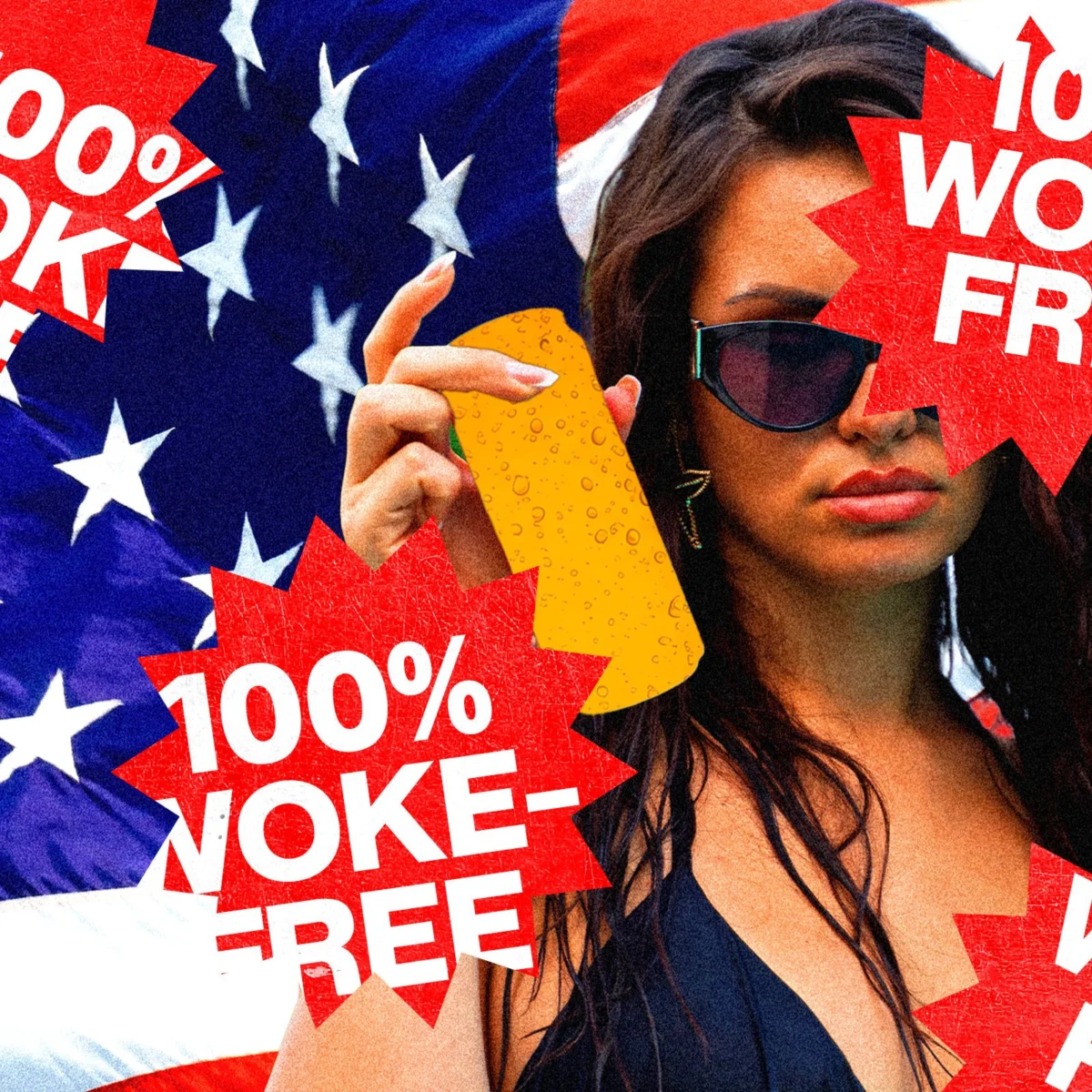
The marketing strategy relied heavily on grievance politics and culture-war rhetoric, positioning the new beverage as an explicitly "woke-free" alternative for patriots. Despite possessing neither a manufacturing partner nor a legally compliant interstate distribution network at the time of the announcement, the promotional campaign resonated powerfully within right-wing media ecosystems. Fox News and other conservative outlets heavily covered the launch, driving substantial web traffic and immediate online orders for six-packs priced at $19.99.
Chronology of Growth, Operational Bottlenecks, and Fulfillment Crises
Within two weeks of the initial promotional push, Weathers partnered with Big Kettle Brewing—operated by Ironshield Brewing in Lawrenceville, Georgia—to produce the lager. Weathers publicly claimed that the enterprise was rapidly approaching $1 million in sales within its initial weeks of operation.
Despite reported revenues, the operational infrastructure of Ultra Right Beer LLC proved inadequate for the volume of orders generated by digital marketing campaigns. Unlike established beverage distributors utilizing complex three-tier distribution systems, the startup relied heavily on direct-to-consumer online fulfillment, a sector heavily constrained by a patchwork of complex, state-by-state alcohol shipping regulations.
Deliveries stalled almost immediately. While media outlets continued to report on the company’s financial milestones, customers across the United States reported chronic delivery delays stretching into months and, in some cases, years. The operational difficulties were further compounded by external factors, including a trademark opposition filing initiated by Anheuser-Busch in 2024 through the Trademark Trial and Appeal Board, which argued that the "Ultra Right" moniker infringed upon trademarks associated with Michelob Ultra. Weathers dismissed the legal challenge as corporate intimidation, even as his fulfillment network disintegrated.
By late 2023, the manufacturing partnership dissolved when Ironshield Brewing announced the permanent closure of its Lawrenceville facility in December 2023. Despite the cessation of active brewing partnerships, Ultra Right Beer continued to market and accept online payments for subsequent limited-edition product lines. These included "Revenge" themed cans featuring Donald Trump’s Fulton County jail mugshot, and later, "Fight" themed cans commemorating Trump’s reaction to an assassination attempt during a July 2024 campaign rally. Weathers claimed that sales of the "Fight" edition beer mirrored earlier successes, hitting the $1 million mark in August 2024.
Consumer Backlash and the Better Business Bureau Fallout
As delivery timelines evaporated, consumer frustration intensified. Ultra Right Beer LLC ultimately accumulated an "F" rating from the Better Business Bureau (BBB). According to bureau documentation, the company failed to respond to nearly 200 formal consumer complaints detailing non-delivery of merchandise, unfulfilled orders, and an absence of customer service channels.
Public sentiment shifted decisively on social media. A dedicated Facebook support and accountability group titled "People Still Waiting for Ultra Right Fight Beer" grew to include approximately 400 members by late 2024. Consumers shared unfulfilled receipts, disputed transactions, and documented failed attempts to secure refunds or communication from company representatives.
Prominent among the affected buyers were individuals who purchased the items strictly as novelty or collectible memorabilia rather than consumables. Rich Alan, a law enforcement officer from New Jersey who spent over $60 on "Fight" beer six-packs that never arrived, characterized the venture as a predatory scheme that exploited political loyalty. Similarly, Paul Roberts, an Oregon Department of Transportation employee who documented a September 2024 purchase totaling $91.36, reported receiving zero communication despite numerous emails, text messages, and phone calls.
Conversely, secondary markets flourished independently of the company’s direct distribution failures. Empty six-packs and collector cans of Ultra Right merchandise occasionally appeared on online auction platforms such as eBay, with empty packaging listings commanding prices as high as $115.
Official Responses and Legal Accountability
As consumer complaints mounted, the grievances extended beyond online forums and rating agencies, drawing the attention of state regulatory bodies. Affected purchasers filed formal complaints with the Office of the Georgia Attorney General, led by Chris Carr. Court filings and public records indicate that the Attorney General’s office subsequently opened an investigation into Ultra Right Beer LLC over allegations of deceptive trade practices, failure to deliver paid goods, and unresponsiveness to regulatory compliance inquiries.
Seth Weathers largely retreated from public statements as regulatory pressure mounted. His personal and corporate social media accounts became dormant, though occasional public replies to aggrieved customers showcased a combative posture. In response to a customer labeling him a "thief" over delayed restocks, Weathers defended his business operations, argued that he was fighting for conservative causes, and asserted that he had processed refunds for dissatisfied buyers while disparaging critics as miserable.
Broader Economic and Political Implications
The trajectory of Ultra Right Beer highlights broader economic and structural vulnerabilities within the ecosystem of identity-driven consumer activism. The phenomenon of "anti-woke" consumerism has demonstrated a potent ability to generate rapid, capital-rich startups fueled by cultural grievance and digital media amplification. However, the operational reality of scaling physical manufacturing, navigating stringent interstate alcohol compliance, and maintaining transparent supply chains often exposes ideological enterprises to severe administrative failures.
Economists and consumer protection advocates note that ventures built primarily around political or cultural alignment can sometimes evade immediate consumer skepticism, as buyers may conflate ideological solidarity with corporate reliability. When fulfillment structures collapse, the resulting consumer harm frequently triggers regulatory scrutiny, as seen in the Georgia Attorney General’s investigation.
Furthermore, the case illustrates the risks inherent in niche political merchandising, where product delivery is superseded by symbolic value. For affected consumers like Alan and Roberts, the primary desire has shifted from product acquisition to institutional accountability. Whether through state-level asset seizures, enforcement of consumer protection statutes, or civil litigation, the fallout from Ultra Right Beer serves as a cautionary case study on the intersection of partisan marketing, regulatory non-compliance, and consumer fraud in the modern commercial landscape.