

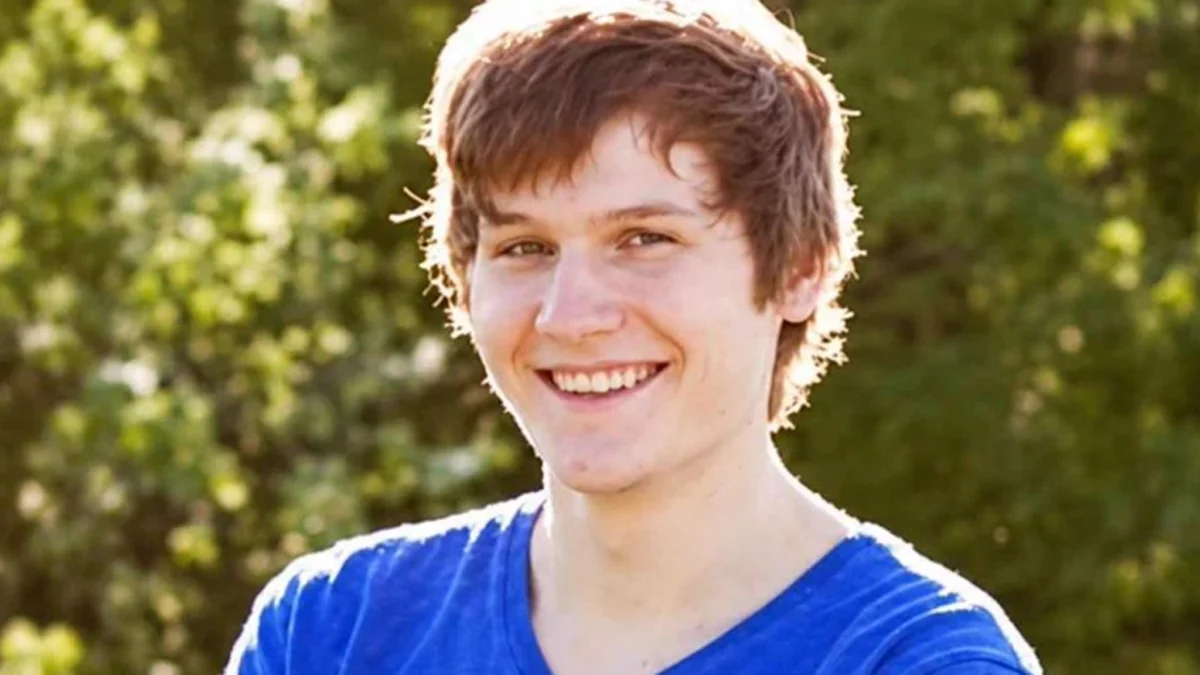
The digital content creation community is mourning the sudden and tragic loss of German developer and influencer Manuel Otto, who passed away at the age of 30 following an apparent suicide broadcasted live on his Twitch channel. The incident, which has sent shockwaves through the gaming and streaming sectors, prompted immediate intervention from platform moderators and administrators who worked quickly to scrub the broadcaster’s digital footprint to prevent the disturbing footage from circulating online.
Otto, widely recognized across Europe and internationally for creating the viral multiplayer game Stick Run when he was just a teenager, has left behind a legacy defined by early technological success and, ultimately, profound personal struggle. As authorities in Germany continue to investigate the broader circumstances surrounding his death, technology companies, mental health advocates, and digital creators are forced to confront the ongoing crisis of creator welfare, moderation challenges during live broadcasts, and the urgent need for robust support systems within the digital entertainment industry.
Immediate Platform Response and Content Moderation
In the wake of the broadcast, representatives for Twitch confirmed that the platform took swift and decisive action. A company spokesperson stated that administrators moved rapidly to remove Manuel Otto’s entire channel, along with the archived video of the livestream, to ensure the footage could not be viewed or shared by others.
"What took place is horrible, and the mental health and wellbeing of our community matters deeply to us," the Twitch spokesperson said in an official statement.
Despite the removal of the content, the incident has reignited a fierce debate regarding the technical limitations of real-time content moderation on live-streaming platforms. Unlike video-on-demand services where uploads can be vetted prior to publication, live streams occur in real time, making pre-emptive moderation nearly impossible without significant content delay tools. Industry experts note that while platforms possess sophisticated automated algorithms designed to detect policy violations, hate speech, and graphic violence, stopping self-harm incidents during an active broadcast remains one of the most difficult challenges facing modern technology companies.
Background and Rise of Manuel Otto
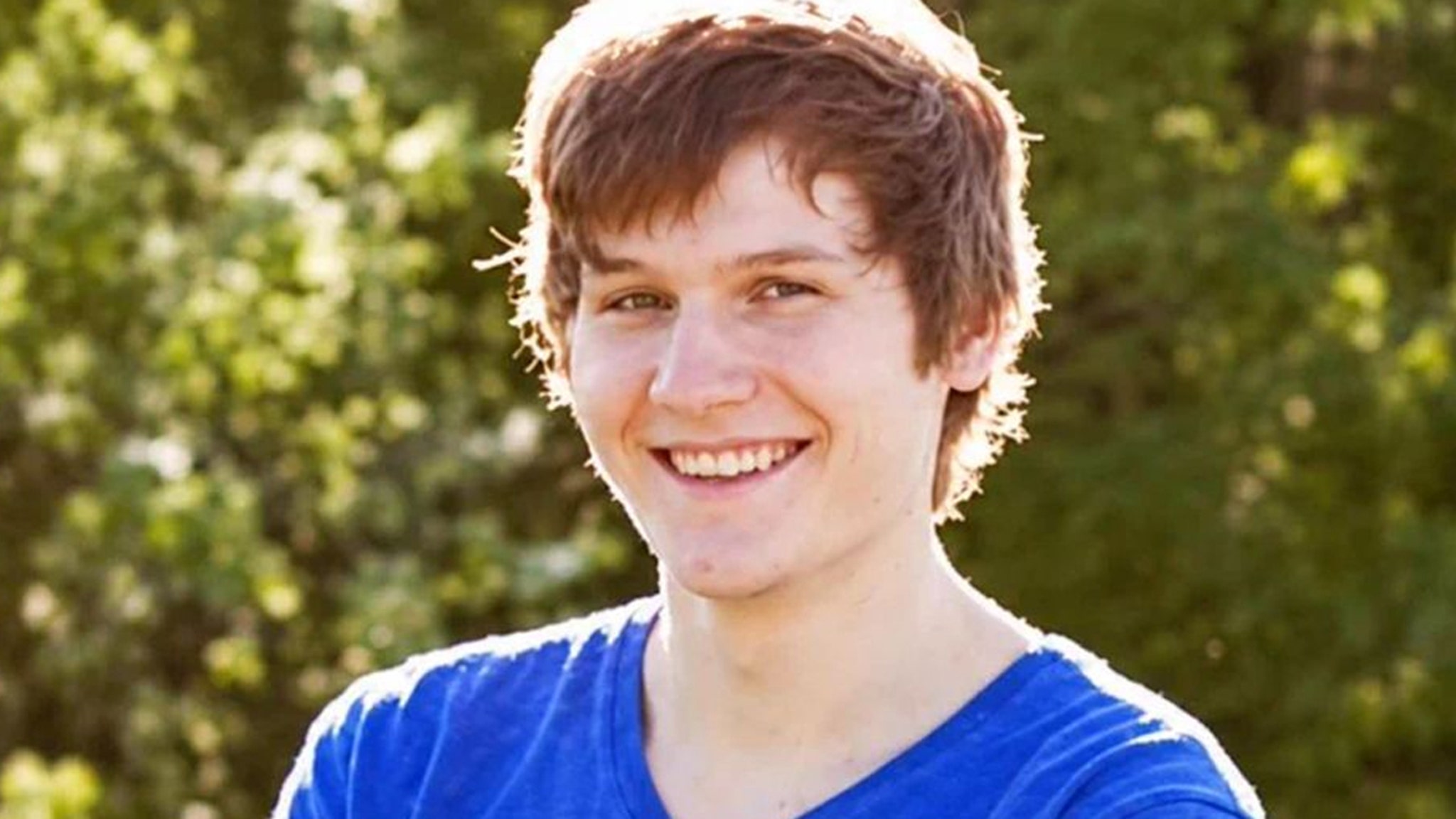
Long before the tragic events that led to the permanent removal of his channel, Manuel Otto was celebrated as a pioneering young mind in the online gaming community. Born in Germany, Otto captured the attention of the global gaming audience at the remarkably young age of 14 when he developed Stick Run, a physics-based browser and mobile game that quickly amassed millions of players worldwide.
What began as a passion project for a teenager grew into a massive digital phenomenon during the early days of independent game development and viral online media. Stick Run resonated with a generation of gamers who grew up navigating minimalist platformers and flash-based entertainment. The unexpected success of the game launched Otto into the spotlight, establishing him as a prominent figure in the German internet culture landscape.
As he transitioned from a teenage developer into an adult content creator, Otto expanded his digital footprint to platforms like Twitch, where he connected directly with a dedicated audience of loyal followers, fellow gamers, and long-time fans of his early work. Over the years, his streams focused heavily on gaming culture, interactive community engagement, and retrospectives on his journey in the tech industry. However, behind the public persona of a successful digital creator, the pressures of maintaining an online presence and dealing with the unique psychological demands of internet celebrity appeared to take a heavy toll.
Chronology of Events and Official Inquiries
While the precise timeline of the tragedy is still being pieced together by law enforcement and close associates, initial reports indicate that the fatal incident occurred during a regular broadcast on Otto’s Twitch channel. Viewers present during the live stream witnessed the distressing event, prompting immediate concern and widespread alarm across social media channels.
Shortly after the broadcast ended, representatives for Stick Run released a statement acknowledging the validity of the reports, confirming that Otto "appeared to have taken his own life." The game’s development and management team issued an urgent plea to the public and the gaming community, asking fans to respect the privacy of Otto’s family, friends, and those directly affected by the tragedy, while simultaneously urging individuals to refrain from spreading unverified information, rumors, or speculation across social media platforms.
Adding to the complexity of the ongoing investigation, regional reports have pointed toward a fatal fire incident in Bavaria, Germany, occurring around the same timeframe. While various media outlets have explored potential connections between the emergency response in Bavaria and Otto’s death, local authorities and law enforcement agencies have not yet publicly confirmed a direct link between the two events. Investigators continue to gather evidence, conduct interviews, and review digital footprints to establish a complete and accurate account of the circumstances leading up to the tragedy.
The Broader Implications for Creator Welfare and Live Streaming
The death of Manuel Otto has brought the systemic issue of mental health within the creator economy back into sharp focus. In recent years, the rapid commercialization of digital content creation has transformed streaming into a high-pressure profession. Unlike traditional employment structures, full-time influencers and streamers often operate in isolation, lacking standard workplace human resources support, health benefits, or structured psychological counseling services.
The constant demand for engagement, the fear of losing relevance in a fast-paced algorithm-driven market, and the exposure to unfiltered public scrutiny—including cyberbullying, harassment, and parasocial pressure—create an environment where mental health vulnerabilities can easily be exacerbated. Industry analysts and psychological researchers have repeatedly warned that the intersection of real-time broadcasting and unmonitored emotional distress creates a volatile landscape for vulnerable individuals.
In response to previous high-profile incidents involving creators experiencing acute mental health crises, several major platforms have introduced crisis intervention tools, automated prompts directing users to mental health resources, and dedicated support teams. However, advocates argue that these measures are often reactive rather than proactive. There is an increasing demand for industry-wide initiatives, such as mandatory wellness breaks for top-tier creators, peer support networks, and transparent corporate policies that prioritize human well-being over continuous monetization and viewer retention metrics.
Community Reactions and Support Resources
The gaming and streaming community has responded to the news with an outpouring of grief, condolences, and reflections on the fragile nature of mental health. Fellow creators, fans, and industry peers have taken to social media to share memories of Otto’s contributions to independent gaming, while using the tragedy to emphasize the critical importance of open conversations surrounding depression, anxiety, and suicide prevention.
Mental health organizations and advocates stress that tragedies of this nature underscore the vital need for accessible, immediate support systems for anyone experiencing emotional distress or suicidal ideation. Public health officials reiterate that help is readily available across the globe for individuals struggling with mental health challenges.
If you or someone you know is struggling with mental health, emotional distress, or thoughts of self-harm, confidential support is available 24/7. In the United States, individuals can call or text 988 to reach the Suicide & Crisis Lifeline, or chat online at 988lifeline.org. International readers are encouraged to contact their local emergency services or national mental health helplines for immediate assistance.