Decades before the term "gentrification" became a permanent fixture of urban discourse, the landscape of New York City was already undergoing a violent, irreversible metamorphosis. In the mid-1980s, downtown restaurateur and cinephile Phil Hartman witnessed the erosion of the Lower East Side—a gritty, vibrant ecosystem of avant-garde artists, punks, immigrants, and independent merchants. Using capital accumulated from his co-ownership of the popular Cajun-inspired NoHo bar Great Jones Cafe, Hartman set out to document a vanishing world. The result was No Picnic, a noir-inflected, episodic punk comedy photographed on lustrous black-and-white 16mm by experimental filmmaker Peter Hutton.
For nearly forty years, No Picnic existed primarily as an elusive urban legend, screened intermittently, largely inaccessible, and overshadowed by Hartman’s subsequent entrepreneurial success with Two Boots Pizza and its affiliated video store and repertory theater. However, a miraculous 2025 archival rediscovery propelled the film back into the public consciousness. What followed was an unprecedented theatrical run at Manhattan’s Film Forum that stunned industry veterans, outgrossed legendary repertory titles by Federico Fellini and Akira Kurosawa, and struck a profound emotional and economic chord with a brand-new generation of urbanites.
The Genesis of a Downtown Artifact: 1985–1990
The production history of No Picnic is deeply intertwined with the bohemian infrastructure of 1980s Manhattan. Filmed across 1985 and completed in 1987, the project received crucial financial and institutional backing from Wim Wenders’s New York-based production outfit, Gray City Films, alongside capital Hartman generated from his burgeoning Two Boots enterprise. Behind the camera, Peter Hutton’s ethnographic lens captured an authentic, unvarnished Lower East Side—including the territory historically rebranded as the "East Village" by realtors in the 1960s.
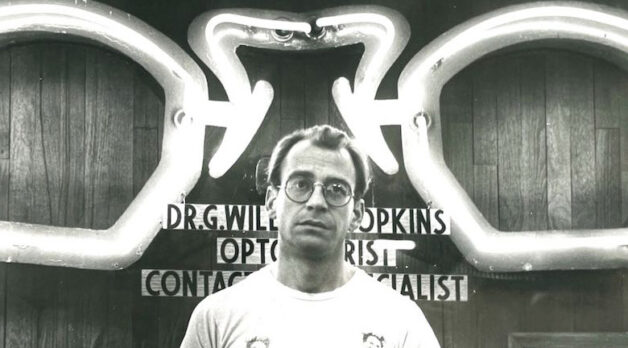
The narrative centers on Mac, a thirty-something former musician portrayed with wistful self-awareness by David Brisbin. Mac scrapes together rent by servicing jukeboxes and cigarette machines throughout the neighborhood. His daily routine brings him into contact with a kaleidoscopic assortment of neighborhood fixtures, including a Canadian upstairs neighbor seeking a green-card marriage and a passing stranger who sparks a fleeting romantic obsession.
More importantly, the film operates as a historical preservation project. Hartman and his crew raced against time to capture landmarks like Adam Purple’s communal garden, Bleecker Bob Records, and the Atlas Barber Shop before real estate speculation erased them. The cast is littered with future luminaries, featuring memorable performances and cameos by Steve Buscemi, Luis Guzmán, filmmaker Lewis Klahr, and iconic musician Richard Hell as an irate neighbor.
Following a cinematography award win at the 1987 Sundance Film Festival, the film’s initial distribution stalled due to the dissolution of Gray City Films. Salvation arrived when legendary avant-garde filmmaker Jonas Mekas offered to premiere the movie at Anthology Film Archives on Second Avenue. Bolstered by a rave review from critic Manohla Dargis in The Village Voice, who hailed it as "a valentine to a neighborhood under siege," No Picnic secured a record-breaking six-week run in the summer of 1990. Afterward, the film slipped into obscurity, preserved only on VHS and DVD shelves at the Two Boots Video Store until the closure of its sister venue, the Pioneer Theater, in 2008.
The 2025 Rediscovery and Restoration
The revival of No Picnic began through a web of generational connections within New York’s independent film community. Hartman had maintained a close friendship with Morris Engel, co-director of the 1953 neorealist milestone The Little Fugitive—a foundational text for both the French New Wave and Hartman’s own directorial approach. Morris Engel’s daughter, archivist Mary Engel, introduced Hartman to Jake Perlin, head of distribution company The Film Desk, which specializes in unearthing neglected cinema classics. By a twist of fate, Perlin had previously studied under Peter Hutton at Bard College and cut his teeth programming at the Pioneer Theater.
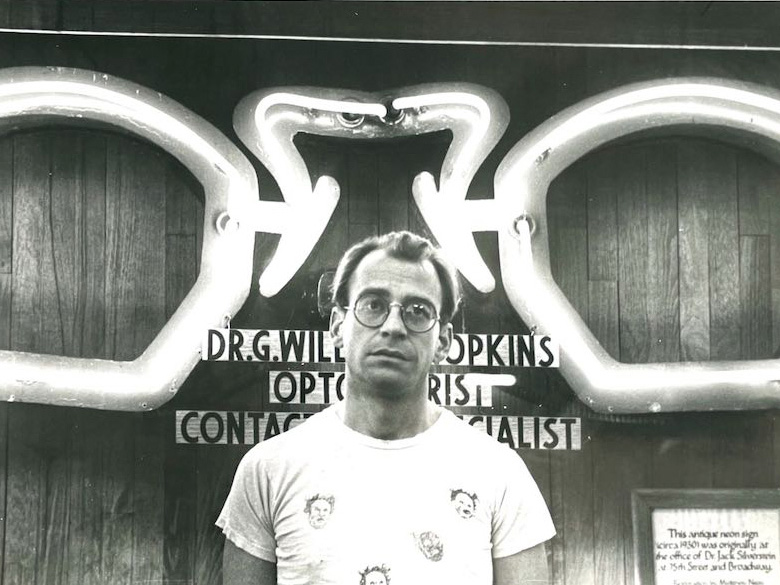
Perlin spearheaded a meticulous photochemical and digital restoration of the 16mm negative. In January 2025, the restored print premiered at the Museum of Modern Art (MoMA) as part of the "To Save and Project" preservation festival. Joshua Siegel, MoMA’s film curator, praised the feature as a "priceless artifact of New York’s pre-gentrification East Village."
The screening drew a packed house despite a severe winter storm, catching the attention of Film Forum repertory director Bruce Goldstein. Initially slotted into a broader thematic series titled "Tenement Stories: From Immigrants to Bohemians," Perlin and repertory programming manager Stephanie Gross successfully advocated for a standalone theatrical run. On Friday, April 17, 2025, No Picnic opened with a modest schedule of two screenings per day, sharing the marquee with Mad Bills to Pay, a celebrated low-budget indie set in the Bronx.
Box Office Performance and Institutional Reception
What transpired over the subsequent twelve weeks defied all conventional wisdom regarding repertory film exhibition. Despite modest initial expectations, No Picnic became an immediate word-of-mouth phenomenon.
During its opening week, the film sold out nearly every screening, grossing over $28,000 to become the theater’s top-performing film. Held over for a second week, it added another $16,000, quickly crossing the $50,000 threshold. By the conclusion of its extended twelve-week run, No Picnic accumulated a staggering $123,000 at the box office.
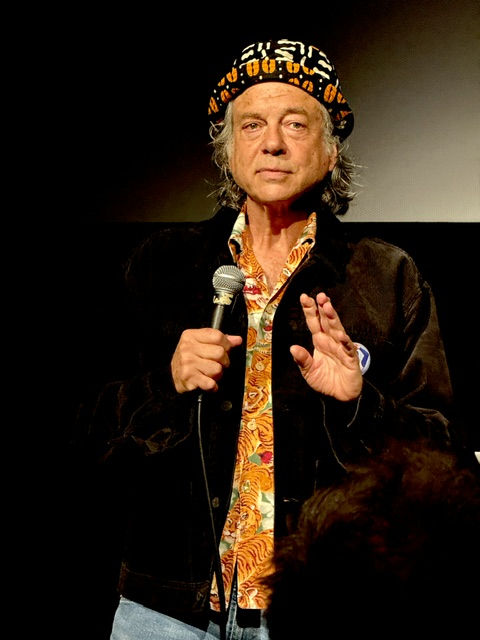
This financial return placed the film among the highest-grossing repertory runs of the decade at Film Forum, outperforming established international masterpieces such as Federico Fellini’s 8½ ($120,000), Akira Kurosawa’s Seven Samurai ($103,000), and falling just shy of Satyajit Ray’s Days and Nights in the Forest ($127,000).
Several strategic and cultural factors catalyzed this unexpected commercial triumph:
- Targeted Marketing: The Film Desk constructed a dynamic, atmospheric trailer highlighting Hutton’s striking cinematography, which played continuously during the month-long tenement series leading up to the release.
- Promotional Outreach: Phil Hartman engaged directly with audiences through frequent post-screening Q&A sessions and incentivized attendance by offering free slices of Two Boots pizza to ticket holders.
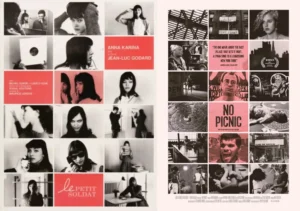
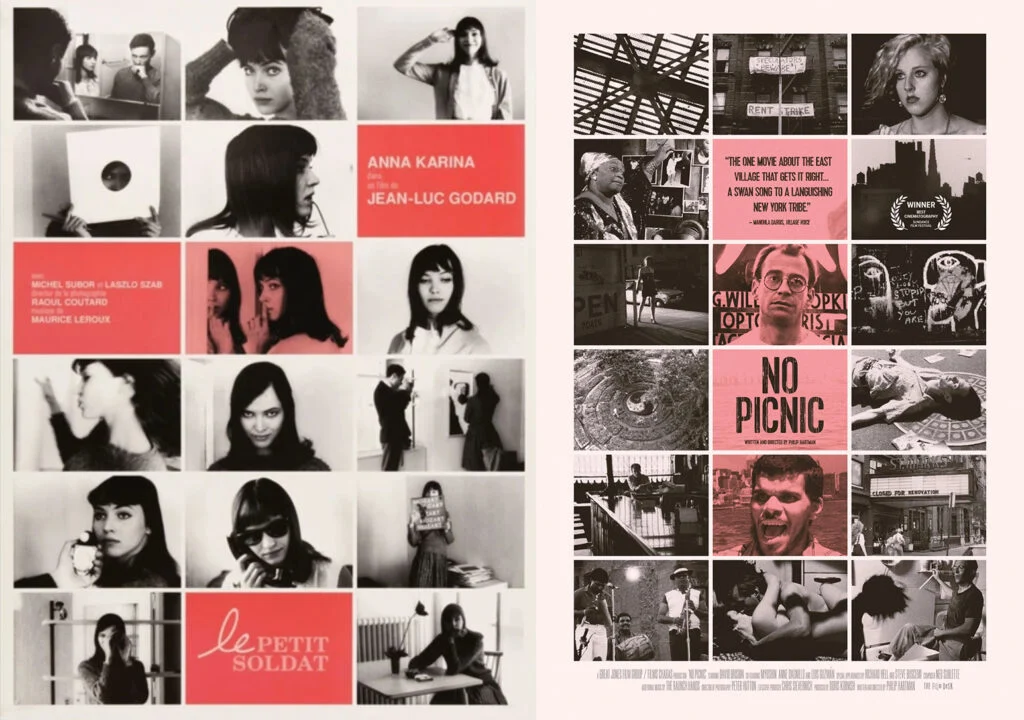
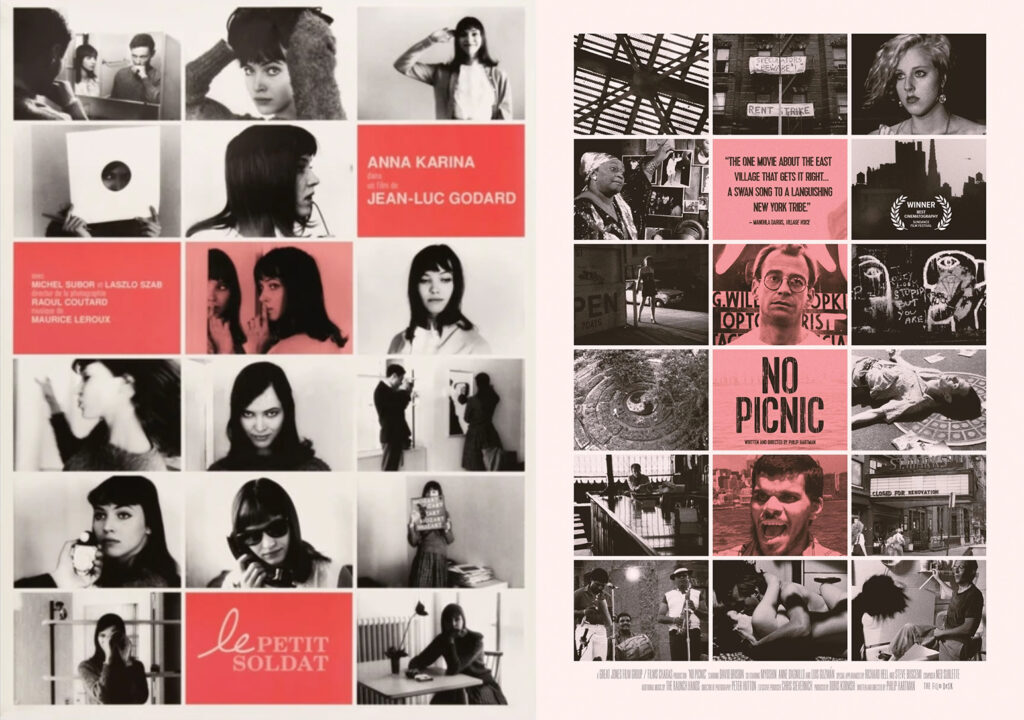
- Visual Parity: The marketing campaign utilized a striking theatrical poster inspired by Jean-Luc Godard’s 1963 film The Little Soldier, bridging the gap between European art-house prestige and gritty American indie cinema.
Cultural Resonance and the Economics of Displacement
The enduring appeal of No Picnic extends far beyond nostalgic indulgence for older generations of New Yorkers. Observers, critics, and contemporary artists have noted that the film’s core themes—economic precarity, housing instability, and the struggle to maintain artistic integrity within an increasingly corporatized metropolis—remain urgently relevant.
Manohla Dargis reflected on the film’s enduring relevance, noting that it addresses the evergreen issue of urban affordability. For young creative workers navigating modern New York—such as filmmaker Meg Aubry, a resident of Ridgewood, Queens, who views the film as an essential cultural education—No Picnic serves as a bridge to a lost era of affordable bohemianism. "We don’t really know the grounds we’re stomping on or the history of it," Aubry observed, praising the film’s balance of serious social commentary and self-aware noir parody.
Producer Christine Vachon, who worked as an uncredited assistant sound editor on the production in exchange for meals at the Great Jones Cafe, summarized the film’s unique temporal positioning: "It just manages to be sort of a perfect time capsule that in a funny way has folded back onto this time."
Ultimately, No Picnic captures the unromanticized materiality of a bygone city—its rubble-strewn empty lots, improvised living spaces, and tight-knit street-level communities. As David Brisbin observed of the film’s modern reception, young audiences sense that something vital was lost during the decades of hyper-development, while veterans of the era find comfort in remembering their youth. Through the collaborative efforts of archivists, distributors, and a tenacious filmmaker, a forgotten cinematic footnote has been firmly cemented into the canon of essential New York cinema.