Phil Hartman never intended to launch a decades-long cinematic mystery when he stepped behind the camera in 1985. Operating as a downtown New York cinephile who used the proceeds from his cofounded Cajun-inspired NoHo establishment, the Great Jones Cafe, Hartman set out to capture the fading grit of a rapidly transforming Manhattan. The resulting project, No Picnic, emerged as a noir-inflected, shaggy-dog punk comedy shot on lustrous black-and-white 16mm by legendary experimental cinematographer Peter Hutton. Completed in 1987 with financial backing from Wim Wenders’s Gray City Films and later funding derived from Hartman’s Two Boots Pizza venture, the movie drifted into near-obscurity for nearly forty years.
That narrative changed dramatically when a 2025 archival rediscovery spearheaded by The Film Desk led to a theatrical revival. What followed was a stunning 12-week run at New York’s Film Forum that defied conventional repertory distribution metrics, grossing $123,000 and outperforming historic cinematic milestones by international masters. By blending a tactile portrait of a pre-digital metropolis with timeless themes of urban displacement and economic struggle, No Picnic transitioned from a whispered secret among downtown veterans to a vital cultural touchstone for a new generation of city dwellers.
The Genesis of a Downtown Time Capsule
During the mid-1980s, the Lower East Side—long partitioned by realtors into the emerging moniker of "the East Village"—was a battleground of cultural shifts. Rents were climbing, independent galleries were encroaching upon dive bars, and long-standing community spaces faced imminent demolition. Hartman, alongside Hutton, raced against time to document these vanishing landscapes. They captured community activist Adam Purple’s legendary garden, Bleecker Bob’s Records, and the Atlas Barber Shop, aware that the physical topography of the neighborhood possessed an expiration date.
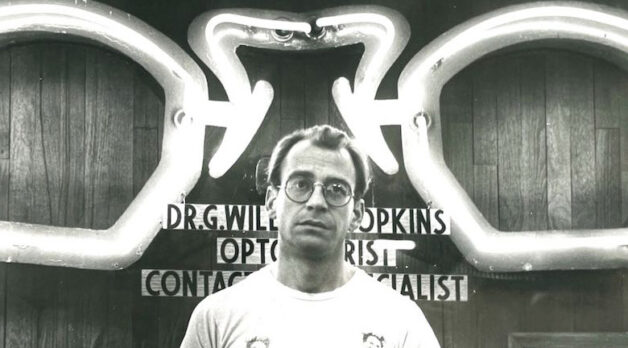
At its narrative core, No Picnic follows Mac, played with wistful self-awareness by David Brisbin. A thirty-something former musician, Mac ekes out a living by stocking jukeboxes and cigarette machines across downtown. His life is defined by transient encounters: a romantic fixation on a pedestrian glimpsed on the avenue, an upstairs Canadian neighbor angling for a green-card marriage, and a pervasive sense that he, much like the mom-and-pop shops surrounding him, is becoming a historical relic.
The film’s supporting cast reads like a roster of future independent cinema royalty. It features early appearances by Luis Guzmán and Steve Buscemi, a cameo by filmmaker Lewis Klahr, and an onscreen turn by musician Richard Hell as an irate neighbor. Producer Christine Vachon, who served as an uncredited assistant sound editor on the production and was paid for her labor in meals at the Great Jones Cafe, later characterized the film as a "time capsule that in a funny way has folded back onto this time."
From Sundance Premiere to Decades of Obscurity
No Picnic originally premiered at the 1987 Sundance Film Festival, where Peter Hutton secured the cinematography award. Initial distribution plans hit immediate roadblocks. Gray City Films intended to acquire and reopen the struggling St. Mark’s Cinema—briefly visible in the movie—as a permanent home for the picture, but the production company dissolved before the acquisition could materialize. Jonas Mekas ultimately intervened, securing a premiere slot at Anthology Film Archives on Second Avenue and Second Street.
In the summer of 1990, the film received a transformative boost when critic Manohla Dargis penned a rave review in The Village Voice. Describing the movie as "a valentine to a neighborhood under siege by realtors and galleries," Dargis propelled No Picnic to a record-setting six-week run at Anthology.
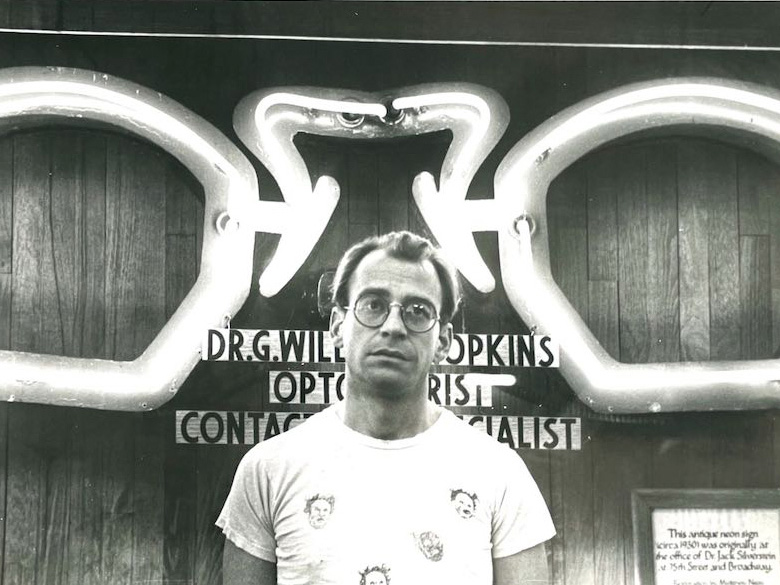
Following this theatrical window, the film retreated from public view. Hartman became thoroughly consumed by the expansion and management of Two Boots Pizza and its adjacent ventures, including the Pioneer Theater, a 99-seat repertory cinema that operated from 2000 until rising operating costs forced its closure in 2008. For decades, No Picnic was accessible primarily via VHS tapes and DVDs stocked exclusively at the Two Boots Video Store.
The 2025 Archival Revival and Theatrical Triumph
The pathway to the film’s modern renaissance began through an interconnected web of independent film lineages. Hartman maintained a close friendship with Morris Engel, codirector of the 1948 neorealist landmark The Little Fugitive, through producer Doris Kornish. Archivist Mary Engel, Morris Engel’s daughter and codirector Ruth Orkin’s progeny, eventually introduced Hartman and his feature to Jake Perlin, head of preservation and distribution company The Film Desk. Coincidentally, Perlin had studied under Hutton at Bard College and held deep ties to the Pioneer Theater as the site of his earliest programming work.
Perlin oversaw a meticulous photochemical and digital restoration of No Picnic. The restored print premiered in January at the Museum of Modern Art as part of the "To Save and Project" series, where curator Joshua Siegel hailed it as a "priceless artifact of New York’s pre-gentrification East Village."
Encouraged by packed MoMA screenings, Film Forum repertory director Bruce Goldstein offered the film a modest slot within the sprawling "Tenement Stories: From Immigrants to Bohemians" series. Pushed by Perlin and repertory programming manager Stephanie Gross, Film Forum committed to an independent theatrical run. Opening on Friday, April 17, with two daily screenings amid a crowded weekend that also featured the Bronx-set indie film Mad Bills to Pay, No Picnic immediately exceeded expectations.
Box Office Performance and Financial Breakdown
Operating with limited showtimes, the film quickly transformed into a commercial phenomenon:
- Week One: Sold out nearly every screening, grossing over $28,000 to become the theater’s top-performing title.
- Week Two: Held over by popular demand, adding another $16,000 to maintain its position at the top of the box office.
- Total Run: Surpassed $50,000 by week three, ultimately concluding a 12-week theatrical engagement with a cumulative gross of $123,000.
This financial yield placed No Picnic among the most successful repertory runs of the decade at Film Forum, eclipsing the box office returns of Federico Fellini’s 8½ ($120,000) and Akira Kurosawa’s Seven Samurai ($103,000), while nearly matching Satyajit Ray’s Days and Nights in the Forest ($127,000).
Cultural Resonance and Audience Demographics
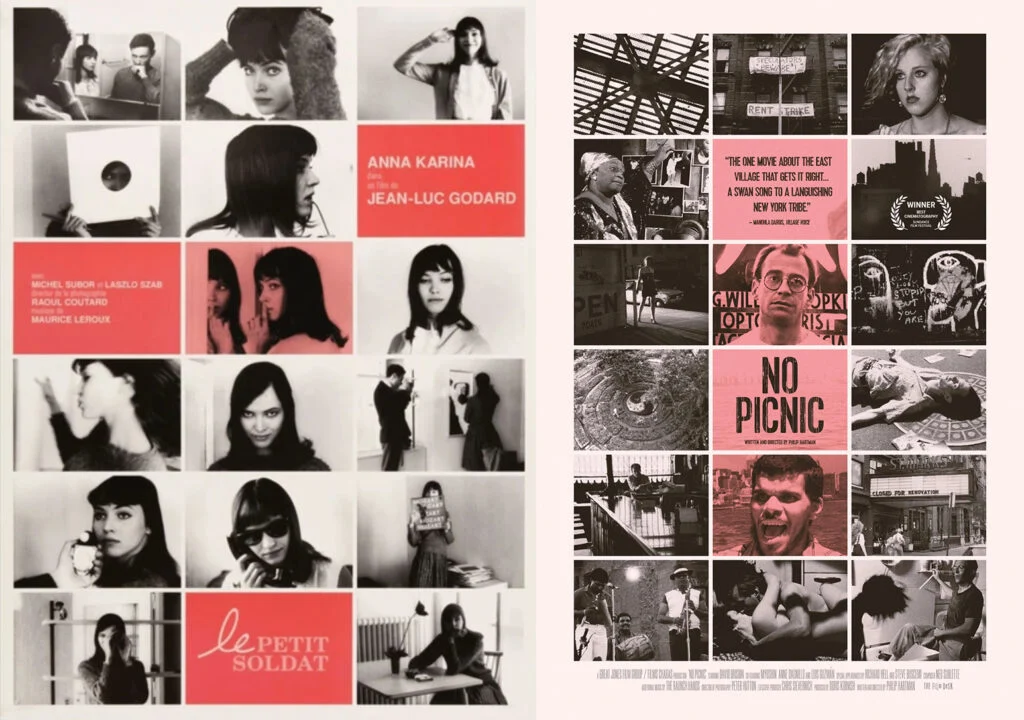
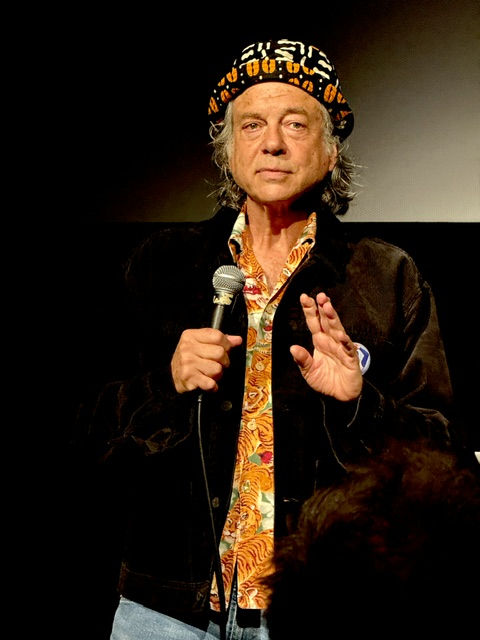
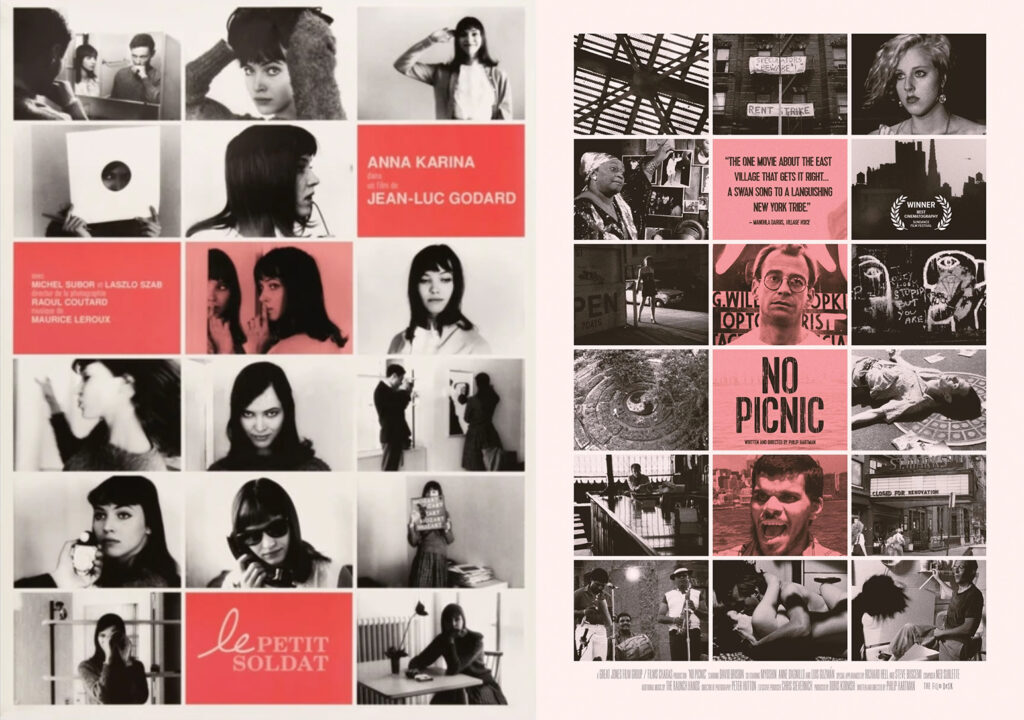
The surprise success of the run was accelerated by targeted promotional strategies. The Film Desk engineered a dynamic trailer modeled after Jean-Luc Godard’s The Little Soldier (1963), which played continuously throughout the preceding tenement film series. Furthermore, Hartman engaged audiences directly through post-screening Q&A sessions and distributed complimentary slices of Two Boots pizza to ticket holders.
However, industry analysts attribute the film’s longevity to its striking thematic alignment with contemporary urban anxieties. Young New Yorkers, grappling with modern housing crises and soaring living costs in neighborhoods like Ridgewood and modern-day Bushwick, found historical solidarity in Mac’s struggles to pay rent and navigate an increasingly exclusionary city.
Filmmaker Meg Aubry noted that the film acts as an educational conduit for younger generations unfamiliar with the historical foundations of the city’s creative enclaves. "We don’t really know the grounds we’re stomping on or the history of it," Aubry observed. "So it felt like it was an education in New York culture."
Reflecting on the unexpected phenomenon, Manohla Dargis emphasized that the narrative’s core conflict remains evergreen. "The film speaks to the familiar, relatable issue of affordability," she noted, pointing out that economic survival in downtown Manhattan has historically required navigating informal housing arrangements and relentless precarity.
As the theatrical run concluded, the enduring appeal of No Picnic cemented its status as more than a historical curio. By capturing the authentic terroir of a physical and cultural landscape built on rubble, empty lots, and unpolished community spaces, Hartman and Hutton produced a cinematic document that weathered four decades of obscurity to find its rightful audience in a changed New York.